Main Courses
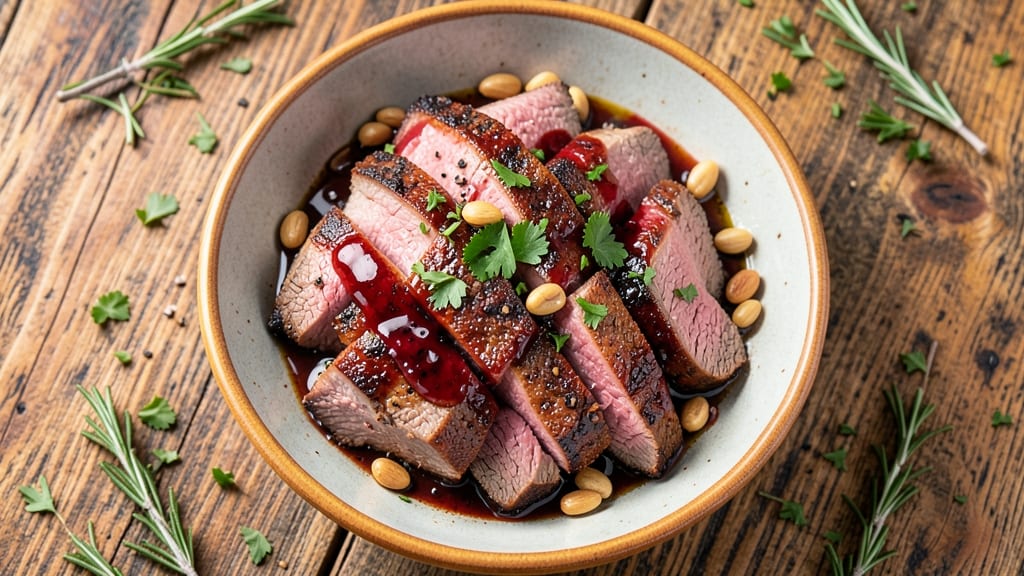
This spice-rubbed Passover brisket recipe delivers melt-in-your-mouth tenderness with bold, aromatic flavors that honor tradition while adapting to modern techniques. The key lies in a carefully balanced blend of warm spices—cinnamon, coriander, and black pepper—that infuse the meat while a slow cooking process breaks down tough fibers into silky perfection.
I’ve perfected this method over years of Passover gatherings, ensuring the brisket stays moist and flavorful without relying on leavening agents.
The secret to achieving restaurant-quality tenderness at home begins with a 24-hour marinade that tenderizes the meat and allows the spices to penetrate deeply. Unlike traditional braising methods, this recipe uses a combination of oven-roasting and slow-smoking to create a caramelized exterior while keeping the interior juicy.
The result is a brisket so tender it practically falls apart at the touch, with a crust that’s rich and slightly charred—ideal for slicing thinly over matzo or serving with classic Passover sides.
What sets this brisket apart is its ability to deliver bold, complex flavors without overpowering the natural taste of the meat.
The spices create a warm, slightly sweet aroma that fills your kitchen long before the brisket is ready, while the slow cooking process ensures every bite is infused with depth.
Resting the meat after cooking is just as critical—it allows the juices to redistribute, guaranteeing that first slice is as juicy as the last.
Serve this brisket as the centerpiece of your Seder meal, paired with matzo ball soup, roasted root vegetables, or a simple green salad. The rich, savory profile makes it a standout dish that feels both festive and comforting. Ready to elevate your Passover table? Here’s how to make it.
Ingredients for best passover brisket
Eight spices, two herbs, and one perfect cut of beef. That's all you need for this showstopper.
| Ingredient | Amount | Notes |
|---|---|---|
| Beef Brisket 🥩 | 5 lb | Flat cut, good fat cap |
| Extra-Virgin Olive Oil 🫒 | ¼ cup | For rubbing and searing |
| Ground Black Pepper 🌶️ | 2 tbsp | Freshly cracked preferred |
| Ground Cinnamon 🌿 | 1 ½ tbsp | Sweet, not cassia |
| Ground Coriander 🌿 | 1 ½ tbsp | Freshly toasted for depth |
| Smoked Paprika 🌶️ | 1 ½ tbsp | For smoky aroma |
| Garlic Powder 🧄 | 1 tbsp | Freshly ground preferred |
| Onion Powder 🧅 | 1 tbsp | For sweet base |
| Brown Sugar 🍯 | ½ cup | Lightly packed |
| Apple Cider Vinegar 🍎 | ¼ cup | For marinade tang |
| Beef Broth 💧 | 2 cups | Low-sodium preferred |
| Fresh Rosemary 🌿 | ¼ cup | Chopped, stems removed |
| Fresh Thyme 🌿 | ¼ cup | Leaves only |
| Salt 🧂 | 1 ½ tbsp | Kosher or sea salt |
| Honey 🍯 | 2 tbsp | For glaze finish |
The brisket is the star, so don't skimp on quality. Look for a flat cut with a good fat cap—that's what keeps it juicy during slow cooking. Most butchers will trim it for you, but if you're buying whole, ask for the flat cut. Costco or local Jewish delis often carry prepped brisket for Passover, but if you're buying fresh, plan ahead. The fat cap should be about 1/4-inch thick—this renders down beautifully during cooking. If you're unsure, ask your butcher to point it out; they'll know exactly what you need for this recipe.
No smoked paprika? Substitute a mix of sweet paprika and a pinch of liquid smoke. Fresh herbs? Dried rosemary and thyme at one-third the amount work in a pinch. The brown sugar can be swapped for turbinado or coconut sugar if you're avoiding refined sugar. For the vinegar, apple cider is ideal, but white wine vinegar or even lemon juice will do. The beef broth? Low-sodium is key—you don't want to over-salt the meat. And if you're making this ahead, the marinade can sit in the fridge for up to 48 hours—the longer it sits, the deeper the flavor.
This brisket tastes even better the next day, so make it a day ahead if you can. Store it wrapped tightly in the fridge for up to 5 days, or freeze portions for 3 months. For serving, slice against the grain into thin strips—use sharp knives to keep it clean. The leftovers reheat beautifully in the oven at 300°F with a splash of broth. Trust me, the second day is when this brisket truly shines.
Why You'll Love This Recipe
- Here’s what sold me: this brisket tastes better the next day. I’ll slice it thin for sandwiches, shred it into soups, or just reheat a portion for a lazy night. And because it’s budget-friendly, I can afford to make it twice. (Yes, even on a Tuesday night.)
- One-Pan Magic: I swear by this recipe when I’m too tired to fuss—just rub the brisket with olive oil, those warm spices (cinnamon and coriander, yes), and pepper, then let the oven do the work. No flipping, no basting, no stress.
- Spice Bomb Combo: That cinnamon and coriander blend? It’s like a secret handshake—earthy, slightly sweet, and just enough warmth to make the brisket feel special without tasting like a holiday centerpiece. Honestly, my kids ask for seconds before the plate’s even empty.
- Passover Hero: No leavening, no fuss—this brisket slides into any Seder menu like it was born there. Serve it with charoset or matzo balls, or just pile it on a plate with roasted veggies. It’s the one dish that says, “I’ve got this.”
Step-by-step instructions for slow-smoked brisket
Here's how to transform a tough cut into melt-in-your-mouth perfection.
Prepare the Brisket and Create the Rub
Start by trimming the fat cap of the 5 lb beef brisket down to about ¼ inch thickness, leaving enough to protect the meat during cooking. Pat the entire surface dry with paper towels—this helps the rub adhere and creates that coveted crispy bark. In a large bowl, combine the 0.25 cup extra-virgin olive oil, 1.5 tbsp salt, 2 tbsp ground black pepper, 1.5 tbsp ground cinnamon, 1.5 tbsp ground coriander, 1.5 tbsp smoked paprika, 1 tbsp garlic powder, and 1 tbsp onion powder. Mix well until the spices are evenly distributed and the oil takes on a rich, aromatic hue.
Spread this mixture generously over the brisket, pressing it into the meat so it sticks. Pay special attention to the edges and the fat cap. Let the seasoned brisket sit at room temperature for 30 minutes before cooking—this allows the rub to penetrate and the meat to cook more evenly. I like to place it on a wire rack set over a baking sheet to catch any drips, which prevents a soggy bottom later.
Build the Smoking Base and Start Cooking
Preheat your smoker to 225°F, using a mix of hardwoods like oak or hickory for a classic flavor profile. Place a water pan in the smoker to maintain moisture and add 0.25 cup apple cider vinegar to the water—this adds a subtle tang that complements the sweet spices. Once the smoker reaches temperature and you see clean, thin blue smoke (not thick white smoke), place the brisket fat-side up on the grill grates. The fat will render and baste the meat as it cooks, creating layers of flavor.
Close the lid and resist the urge to peek—every time you open it, you release heat and moisture, adding 15-20 minutes to your cook time. Smoke the brisket for 4-5 hours, or until the internal temperature reaches 165°F. This is when you'll hit "the stall," where the temperature plateaus as moisture evaporates. Don't panic; this is normal and part of the process. The brisket should have a deep, rich color and a dark, sticky bark forming on the surface.
Wrap and Finish Cooking
Once the brisket hits 165°F, it's time to wrap it in butcher paper (not foil) to power through the stall. In a small bowl, mix together 0.5 cup brown sugar, 2 cups beef broth, 0.25 cup chopped fresh rosemary, and 0.25 cup fresh thyme leaves. Pour this mixture into a roasting pan and place the wrapped brisket on top of it. The steam and sugar mixture will help tenderize the meat and create a glossy finish.
Return the brisket to the smoker and continue cooking until the internal temperature reaches 200-205°F, about 3-4 more hours. The probe should slide in like butter with no resistance. The brisket is now probe-tender, meaning it's ready to slice into melt-in-your-mouth perfection. The bark should be dark and crispy, and the meat should have a beautiful pink smoke ring just beneath the surface.
Glaze and Rest for Maximum Tenderness
Remove the brisket from the smoker and let it rest in the butcher paper for 1 hour (or up to 2 hours in a cooler) to allow the juices to redistribute. While it rests, prepare the glaze by combining 2 tbsp honey in a small saucepan and heating it over low heat until it becomes slightly runny, about 2-3 minutes. Brush this glaze generously over the brisket, focusing on the bark to enhance its crispiness and add a touch of sweetness that balances the smoky, spiced flavors.
Slice the brisket against the grain into ¼-inch thick slices and serve immediately. Each bite should be tender enough to pull apart with a gentle tug, with a perfect balance of sweet, smoky, and spiced flavors. The brisket should be juicy, not dry, and the bark should hold up to the first bite. This method guarantees a brisket that's so tender it practically melts in your mouth, making it the star of your Passover feast.
Pro Tips For Making Best Passover Brisket
- Trim the Fat First: Slice off that thick fat cap before searing—it’s not just for flavor, it’s for even cooking. I learned this after one brisket turned into a greasy, uneven mess; now I trim it down to ¼-inch so the heat penetrates without turning the edges into leather.
- Sear with Olive Oil: Use extra-virgin olive oil here—it’s got a higher smoke point than you’d think and adds a subtle fruitiness that cuts through the cinnamon’s sweetness. Drizzle it on hot pan, not cold; let it sizzle for 2 minutes before adding the meat.
- Skip the Overcrowding: If your brisket is thick (like, 2+ inches), resist the urge to flip it early. Let one side develop a deep crust—about 8-10 minutes—before turning. I used to rush this, and the meat ended up steaming instead of browning.
- Deglaze with Water: After searing, splash in just enough water to loosen the fond—about ¼ cup—then scrape it up with a wooden spoon. This isn’t a sauce; it’s insurance against dryness later. (Yes, even if you’re not making gravy.)
Regional styles of this recipe
New York Delicatessen Style
In New York, Passover brisket often takes on a sweeter, more aromatic profile inspired by deli traditions. The key is adding 1 tbsp ground allspice and ½ tsp ground cloves to the rub for warmth, while using 1 cup apple juice instead of vinegar in the marinade.
New Yorkers also love a final touch of mustard glaze—mix 2 tbsp Dijon mustard with 1 tbsp honey and brush it on during the last 30 minutes of cooking. This creates a tangy contrast that’s signature to NYC-style brisket. 🌟
Texas BBQ-Inspired Twist
For a Texas-style Passover brisket, swap the cinnamon and coriander for 2 tbsp chili powder and 1 tbsp cayenne pepper, then add 1 tbsp coffee grounds to the rub for depth.
Smoke the brisket with mesquite wood chips for a bold, charred flavor, and wrap it in butcher paper with ½ cup beef broth and 2 tbsp brown sugar. Texas pitmasters swear by the "Texas crutch"—wrapping the brisket in foil at 165°F to push through the stall faster.
Finish with a smoked salt rim> (mix 1 tbsp smoked salt with 1 tbsp brown sugar) for a crispy crust. 🔥
Israeli Sabich-Inspired
In Israel, brisket often stars in the sabich, a sandwich layered with eggplant, hard-boiled eggs, and tahini. For a Passover-friendly version, marinate the brisket in ½ cup tahini mixed with 2 tbsp lemon juice, 1 tbsp garlic powder, and 1 tsp cumin.
Slow-cook it until fork-tender, then slice thinly and serve on matzo> with caramelized onions, pickled vegetables, and a drizzle of hot sauce. The tahini adds a nutty richness that balances the smoky flavors perfectly. 🌿
Ashkenazi Braised Tradition
The classic Ashkenazi approach skips smoking entirely, focusing on a rich, braised flavor.
Sear the brisket in a Dutch oven until browned, then braise it in 2 cups chicken broth, ½ cup red wine, 1 large onion> (sliced), and 2 carrots> (chopped) for 3-4 hours> at 300°F.
Add 1 bay leaf> and 1 tsp black peppercorns> for depth. Finish with a prune glaze> (simmer ½ cup prunes> with 2 tbsp honey> and 1 tbsp vinegar) brushed on during the last 30 minutes.
This method yields a deeply flavorful, tender brisket with a sweet-savory finish. 🍷
Moroccan-Spiced Fusion
For a North African twist, replace cinnamon with 1 tbsp ground cumin and 1 tsp ground ginger, and add 1 tsp ground turmeric> for color. Use orange zest> in the marinade and a splash of orange juice> in the braising liquid.
Finish with a harissa glaze> (mix 2 tbsp harissa paste> with 1 tbsp honey) for heat and complexity. Serve with couscous> (if not observing Passover restrictions) or over roasted sweet potatoes>. The spices create a warm, earthy profile that’s unexpected but deeply satisfying. 🌶️
Modern Smoked Brisket
This fusion approach blends traditional Passover flavors with modern smoking techniques. Start with the original spice rub, but add 1 tbsp mustard powder> to the marinade for tang.
Smoke the brisket with fruitwoods like cherry or apple> for a sweeter smoke profile, then wrap it in butcher paper with ½ cup beef broth> and 2 tbsp apple cider vinegar.
For the final glaze, reduce ½ cup grape juice> with 1 tbsp brown sugar> until syrupy. This method delivers a brisket with a perfect balance of smoky, sweet, and spiced notes—ideal for contemporary Passover menus. ✨
Nutrition facts
Frequently asked questions
Can I make this brisket in an oven instead of a smoker?
Preheat your oven to 275°F and place the brisket on a rack in a roasting pan with 1 cup beef broth at the bottom. Cover tightly with foil and cook for 4-5 hours until the internal temperature reaches 165°F. Then wrap it in butcher paper with ½ cup broth and continue cooking until it hits 200-205°F. The bark won't be as smoky, but the meat will be just as tender.
How do I know when the brisket is done?
The brisket is ready when it reaches an internal temperature of 200-205°F and a meat thermometer inserted into the thickest part slides in like butter. The bark should be dark and crispy, and the meat should pull apart easily. If it's not tender enough, extend the cooking time by 30-60 minutes—patience is key!
Can I use a different cut of beef?
This recipe is designed specifically for brisket because of its fat content and connective tissue, which break down beautifully during slow cooking. While you could try a chuck roast or short ribs, the texture and flavor won't be the same. Stick with brisket for the best results—it's worth the investment!
What’s the best way to reheat leftovers?
Slice the brisket and reheat in a skillet over medium-low heat with a splash of beef broth or water. Cover to retain moisture and heat for 5-10 minutes until warmed through. Alternatively, place slices in a baking dish, cover with foil, and reheat in a 300°F oven for 15-20 minutes. Never microwave—it dries out the meat!
How do I adapt this for a smaller gathering?
For 4 servings, reduce the brisket to 2.5 lbs and halve all other ingredients. Cooking times will be shorter—expect 3 hours to reach 165°F and 2 more hours to finish. Use a smaller roasting pan or foil packet for wrapping. The key is maintaining the same spice-to-meat ratio for bold flavor!