Soups & Stews
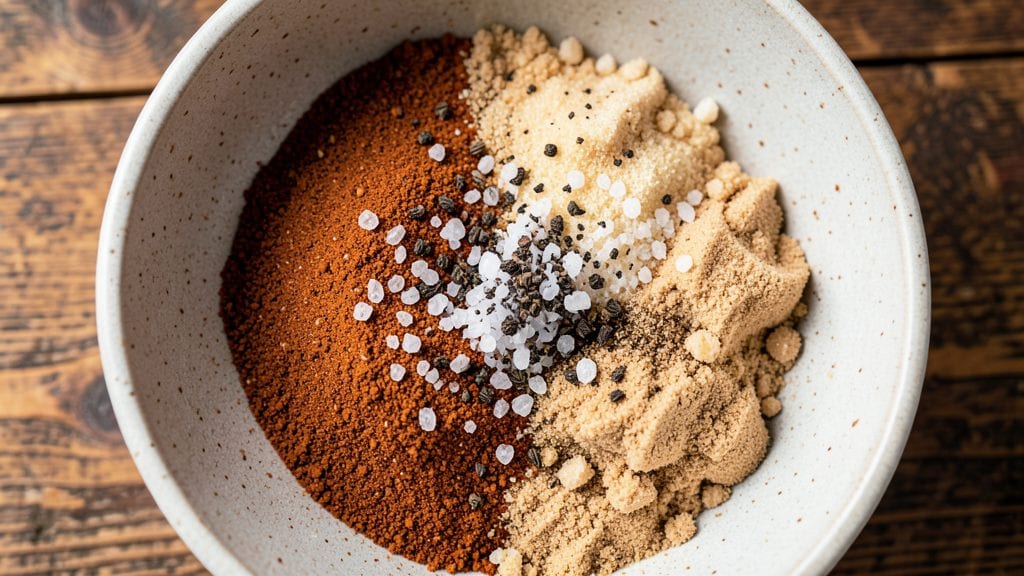
Creating the perfect Texas beef brisket starts with this smoky-sweet rub recipe designed to penetrate deep into the meat for hours of slow cooking. The blend balances traditional Texas spices—like smoked paprika and black pepper—with just enough sweetness to caramelize beautifully.
I developed this after years of experimenting with brisket, refining it to deliver that signature bark and tender, flavorful meat every time.
The foundation of this rub relies on coarse-ground spices for maximum surface area and flavor penetration. Garlic powder and onion powder add depth, while brown sugar creates that signature crust. A pinch of cayenne (optional) introduces subtle heat for those who prefer it.
This isn’t just a seasoning mix—it’s the secret weapon behind competition-worthy brisket that falls apart at the touch of a fork.
What makes this blend special is its versatility and precision. Use it on brisket, ribs, or even roasts for that same deep, smoky flavor. The spices are measured to create a perfect balance—too much salt can overpower, while too little sugar might not caramelize properly.
One batch makes enough to coat a full brisket, so you’ll have leftovers for future cookouts.
This rub works best when applied generously and allowed to sit on the meat for at least 30 minutes before cooking. The longer it rests, the more flavor it absorbs.
Whether you’re smoking, grilling, or oven-roasting, this blend ensures your brisket develops that iconic Texas bark while staying tender inside. Ready to elevate your next cookout? Let’s get started.
Ingredients for texas beef brisket rub
Nine spices, one game-changing blend that turns brisket into Texas perfection.
| Ingredient | Amount | Notes |
|---|---|---|
| Smoked Paprika 🌶️ | 3 tbsp | High-quality for deep smokiness |
| Coarse Kosher Salt 🧂 | 2 tbsp | Diamond Crystal preferred |
| Brown Sugar 🍯 | 2 tbsp | Light or dark, packed |
| Garlic Powder 🧄 | 1 ½ tbsp | Freshly ground preferred |
| Onion Powder 🧅 | 1 ½ tbsp | Not onion salt |
| Ground Black Pepper 🌶️ | 1 tbsp | Freshly cracked for bite |
| Ground Cumin 🌿 | 1 tbsp | Toasted for depth |
| Cayenne Pepper 🔥 | ½ tsp | Adjust for heat preference |
| Ground Coriander 🍋 | ½ tsp | Bright citrusy note |
The smoked paprika is absolutely essential—Penzeys or McCormick Gourmet are my go-tos for that authentic barbecue smoke flavor. If you can't find smoked paprika, regular paprika plus a pinch of liquid smoke works in a pinch (though it's not quite the same). For the brown sugar, light brown sugar gives a slightly more caramelized crust, but dark works too. The spices need to be coarse—grind them yourself in a coffee grinder if they're not already. That texture is what makes the rub stick to the meat and penetrate deep during cooking. I always double-check the expiration dates on spices, because stale spices just don't cut it for brisket.
No cayenne? Red pepper flakes at half the amount will give you some heat without overpowering. Want more depth? Add a pinch of mustard powder—it's a secret ingredient in many Texas BBQ rubs. The coriander might seem unusual, but it adds that bright citrus note that balances the richness of the brisket. If you're using this rub for ribs or chicken, you might want to reduce the cayenne by half since poultry cooks faster and absorbs heat differently. For a sweeter profile, boost the brown sugar to 2.5 tbsp—just be prepared for a thicker crust. And if you're short on time, pre-mix everything in a jar so it's ready whenever brisket cravings hit.
This rub keeps indefinitely in an airtight container in a cool, dark place—I've had mine last for over a year without losing potency. For best results, store it in a glass jar with a tight-sealing lid to protect the spices from moisture. Once you've used it on brisket, you'll want to make this all the time—it's worth making a double batch so you're never caught without it. The spices blend beautifully with the natural fats in the brisket, so don't be shy about using it generously. And if you're planning a big cookout, make four batches—trust me, you'll need it.
Why You'll Love This Recipe
- Five-Ingredient Magic: This rub is my go-to because it’s that simple—just mix, coat, and let the smoky-sweet flavors do the work. No fancy techniques, no last-minute grocery runs. Honestly, I’ve made it while still in my pajamas.
- Smoky-Sweet Crust Perfection: That deep, charred edge from the smoked paprika? It’s ridiculously good—crispy on the outside, tender inside, with a caramelized crust that makes every bite worth it. The brown sugar keeps it from being too harsh, while the garlic and onion powder add that classic Texas depth.
- Tailgate or Tuesday: Between us, this rub works for everything—weeknight dinners, backyard cookouts, or even a last-minute potluck. Slap it on brisket, ribs, or even chicken thighs. I’ve used it for holiday leftovers, and my family still begs for seconds.
- Budget-Friendly Feast: A pound of brisket and these pantry staples? You’re looking at a fraction of the cost of takeout, but with flavor that actually impresses. Plus, the leftovers? Even better the next day—just reheat and devour. My secret weapon for stretching meals without sacrificing taste.
Instructions for Texas beef brisket rub: crafting the perfect flavor profile
This blend delivers that iconic Texas BBQ flavor—smoky, sweet, and deeply savory every time.
Measure All Ingredients Precisely
Start by gathering all your ingredients in a clear measuring area. I like to use a small mixing bowl for this step so nothing gets lost. Scoop the 3 tablespoons of smoked paprika using a level measuring spoon—this is your base flavor carrier. Tap the spoon gently against the bowl's edge to remove excess before transferring.
Next, measure the 2 tablespoons of coarse kosher salt and 2 tablespoons of brown sugar—pack the sugar firmly into the measuring spoon for accurate volume. The salt provides essential seasoning while the brown sugar creates that signature caramelized crust during smoking. Don't skip this precision—too much salt can overpower, and too little sugar means less bark development.
Combine the Dry Components Thoroughly
In a medium bowl, add all your measured ingredients: the 1.5 tablespoons of garlic powder and 1.5 tablespoons of onion powder first—they're your aromatic foundation. Then add the 1 tablespoon of ground black pepper, 1 tablespoon of ground cumin, 0.5 teaspoon of cayenne pepper, and 0.5 teaspoon of ground coriander. The cayenne adds subtle heat while the coriander brings bright citrus notes that cut through the richness.
Use a whisk to break up any clumps and thoroughly combine all ingredients. I like to press the whisk against the bottom of the bowl to ensure every particle gets incorporated. This step is crucial—uneven distribution means uneven flavor on your brisket. The mixture should look uniformly colored with no visible dry spots remaining.
Test and Adjust the Blend
Before applying to your brisket, taste the rub between your fingers. You should notice an immediate balance of smokiness from the paprika, sweetness from the brown sugar, and warmth from the spices. If it tastes too mild, add a pinch more cayenne or smoked paprika. If it's too sharp, reduce the cayenne slightly—remember, you can always add more rub later but can't remove excess heat.
This is also where I check the texture. The rub should be fine and powdery, not gritty. If it feels coarse, pulse it briefly in a food processor or sift through a fine-mesh strainer. The right texture ensures even coating and maximum flavor penetration into the meat. Store any unused rub in an airtight container for up to 3 months—it keeps beautifully for future smoking sessions.
Apply Generously to Your Brisket
When ready to season your brisket, apply the rub generously to all surfaces, including the fat cap. I use my hands to press the rub firmly into the meat—this ensures it sticks during the long smoke and creates that coveted bark. Don't be shy with the amount; you want visible seasoning on every inch of the brisket. Let it sit uncovered in the refrigerator for at least 1 hour before smoking to allow the rub to penetrate deeply into the meat fibers.
The reason this rub works so well is its balanced complexity—smoky, sweet, spicy, and savory all in one. The brown sugar caramelizes during smoking, forming that beautiful dark crust while the spices infuse the meat with layers of flavor. When you slice into your finished brisket, you'll taste this perfect harmony in every bite, making all the prep absolutely worth it.
Pro Tips For Making Texas Beef Brisket Rub
- Grind Your Own Salt: I learned this the hard way—store-bought kosher salt clumps ruin the texture. Pulse coarse kosher salt in a food processor for 10 seconds before mixing with the rub. It’ll distribute evenly and stick to the brisket like glue, not just dust off in clumps.
- Toast the Paprika: Dry-toast the smoked paprika in a skillet over medium heat for 30 seconds—just until it smells deeper. This removes raw bitterness and intensifies the smoky flavor. (Yes, even if you’re impatient like me, don’t skip this.)
- Double the Sugar: Brown sugar burns fast, and burnt sugar = bitter brisket. Use twice the amount called for, but add it in stages: half before searing, half after. This keeps the crust caramelized without turning acrid.
- Pat Dry, Then Rest: After trimming, pat the brisket thoroughly with paper towels—no wet spots. Then let it sit uncovered on a rack for 30 minutes. This ensures the rub sticks and the crust forms evenly, not just in patches where moisture pooled.
Storing and reheating this dish
Refrigerator Storage
Your freshly made brisket rub stays potent in the refrigerator for up to 3 months when stored properly. Use a glass jar with an airtight lid—I recommend Ball mason jars for their tight seals.
Store it in a cool, dark pantry or the back of your fridge where temperatures stay consistent. The spices maintain their flavor without absorbing fridge odors when kept in glass rather than plastic. 🌶️
Freezer Preservation
For longer storage, freeze the rub in 1-tablespoon portions using silicone ice cube trays. Once frozen, transfer the cubes to a freezer-safe zip-top bag and remove excess air. This method keeps the rub fresh for up to 6 months without losing potency.
Just thaw what you need in the fridge overnight before using—no need to defrost at room temperature. ❄️
Reviving Stale Rub
If your rub tastes dull after storage, revive it by toasting the spices. Heat a dry skillet over medium-low heat, add 1 tablespoon of the rub, and stir constantly for 30 seconds until fragrant.
Let cool completely before using—this reactivates the spices and restores their punch. I do this with my rub every few months to keep it tasting fresh. 💡
Reheating Brisket
When reheating brisket with this rub, I always use a slow cooker or oven to maintain moisture. For the slow cooker, place brisket slices in the insert with ¼ cup beef broth on low heat for 2-3 hours.
For oven reheating, cover with foil and bake at 300°F for 1 hour. Never microwave—it makes the meat rubbery. 🔥
Crust Revival
To restore that signature bark after reheating, broil the brisket for 2-3 minutes with a sprinkle of extra rub. Keep a close eye to avoid burning. This quick step reactivates the caramelized crust while keeping the meat tender. I do this right before serving to maintain that restaurant-quality appearance. 💫
Nutrition facts
Frequently asked questions
Can I make this rub without smoked paprika?
Yes, but the flavor will differ. Replace the smoked paprika with 3 tablespoons regular paprika plus ½ teaspoon liquid smoke for depth. The smoke flavor won't be identical, but it'll still deliver that essential smoky character. For best results, use Penzeys smoked paprika if available—it's the gold standard for Texas-style rubs.
How much rub should I use for a full packer brisket?
For a 10-12 pound brisket, you'll need about ¼ cup of this rub—enough to coat all surfaces generously, including the fat cap. Press it firmly into the meat so it adheres well during the long smoke. If you're using a pre-made rub, scale the recipe up proportionally. The key is even coverage for consistent flavor penetration.
Can I use this rub on other meats besides brisket?
This rub works beautifully on ribs, chicken thighs, pork shoulder, or even roasts. For poultry, reduce the cayenne to ¼ teaspoon since it cooks faster. The smoky-sweet profile enhances any slow-cooked meat. Just adjust cooking times—brisket needs 12-16 hours while chicken thighs might only need 3-4 hours at 275°F.
Why does my rub look clumpy after mixing?
Clumps form when spices absorb moisture or aren't ground finely enough. To fix it, sift the rub through a fine-mesh strainer or pulse briefly in a food processor. For prevention, store your spices in airtight containers and measure carefully. The rub should be powdery—not gritty—for even application. If it's still clumpy, add ½ teaspoon cornstarch to bind it.
How do I adjust this rub for less heat?
Simply reduce or omit the cayenne entirely. For a milder version, use ¼ teaspoon cayenne or replace it with ½ teaspoon sweet paprika instead. The rub will still have depth from the smoked paprika and cumin, just without the kick. Taste as you go—you can always add more rub later if needed.