Main Courses
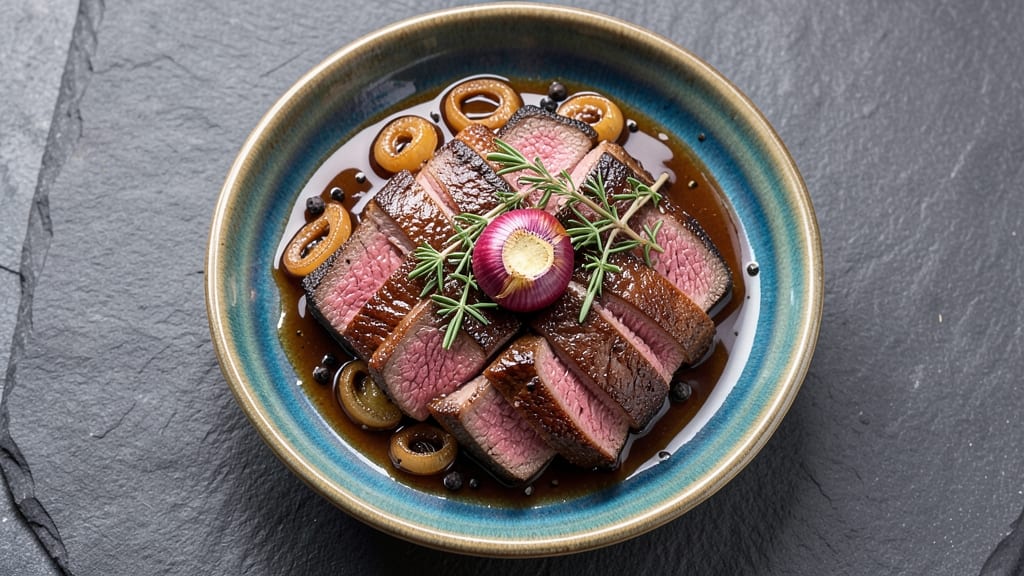
Cooking wagyu beef brisket reveals why this premium cut transforms even simple techniques into a restaurant-quality masterpiece. The ultra-fine marbling means every bite delivers melt-in-your-mouth tenderness with rich, buttery flavor—no tough fibers here.
I developed this 8-hour method after testing various approaches to preserve that luxurious texture while creating deep caramelized crusts.
The secret lies in precise temperature control: starting with a low-and-slow cook to render fat gently, then finishing with a high-heat sear for that coveted bark. This method ensures your brisket stays juicy at the core while developing complex flavors through slow breakdown.
The result? A brisket so tender it practically falls apart at the touch, with layers of smoky depth from the slow cooking.
What sets wagyu apart is that marbling—those delicate fat streaks that melt during cooking, infusing each bite with natural richness. This recipe preserves that quality through careful timing and resting, so you don’t lose any of that luxurious flavor.
Whether you’re serving it sliced thin for tacos or carved for a centerpiece main, the texture and taste will impress even the most discerning palates.
Pair it with classic sides like creamy mashed potatoes or charred vegetables to let the brisket shine as the star. The key is patience—every hour of slow cooking builds flavor without drying out the meat. Let’s get started on creating your most tender brisket yet.
Ingredients for wagyu beef brisket
Fourteen ingredients. Eight hours. One restaurant-quality wagyu masterpiece.
| Ingredient | Amount | Notes |
|---|---|---|
| Wagyu Beef Brisket 🥩 | 3 lb | Whole packer cut, thickest part preferred |
| Kosher Salt 🧂 | 2 tbsp | Diamond Crystal preferred, coarse grain |
| Black Peppercorns 🌶️ | 1 ½ tbsp | Freshly cracked, coarse grind |
| Garlic Cloves 🧄 | 10 cloves | Smash lightly, skin on |
| Yellow Onion 🧅 | 1 whole | Yellow or red, sliced thick |
| Fresh Thyme 🌿 | 4 sprigs | Stems removed, leaves only |
| Fresh Rosemary 🌿 | 2 sprigs | Needles only, chopped |
| Unsalted Butter 🧈 | ½ cup | Cold, cubed for basting |
| Apple Cider Vinegar 🍎 | 2 tbsp | For bark development |
| Wood Chips 🔥 | 1 cup | Hickory or oak, soaked 1 hour |
| Beef Tallow 🧈 | ¼ cup | For extra fat rendering |
| Brown Sugar 🍚 | 1 tbsp | Dark, for crust |
| Chopped Onions 🧅 | 1 cup | For serving, optional |
| Fresh Parsley 🌿 | ¼ cup | Chopped, for garnish |
The wagyu brisket is the star—look for A5 Japanese wagyu if you can find it, but even American wagyu delivers that melt-in-your-mouth texture. Costco and specialty butchers often carry it, but call ahead to confirm availability. The marbling is what you're paying for, so handle it gently to preserve those delicate fat streaks. If you can't find wagyu, high-end ribeye is the closest substitute, but expect less tenderness. The wood chips? Hickory gives classic smokiness, but oak works too—just don't use pine, it'll overpower the delicate beef flavor.
No fresh thyme or rosemary? Dried works at one-third the amount, but fresh is worth hunting down at the grocery store's produce section. The apple cider vinegar might seem odd, but it's key for developing that dark, caramelized bark. Substitute balsamic vinegar if needed, but don't skip it—it makes all the difference. For the wood chips, Trader Joe's sells pre-soaked ones that save time. The butter needs to stay cold, so pull it straight from the fridge and cube it right before basting. And if you're feeling fancy, add a splash of cognac to the wood chips for extra depth (about 1 tbsp).
This brisket reheats beautifully—warm slices in a skillet with butter for 1-2 minutes to restore juices. Keeps for 4-5 days in the fridge, but honestly, it's best eaten fresh. For leftovers, slice thin against the grain and serve on toasted buns with caramelized onions. The fat will render beautifully during reheating, so don't drain it. Freezes for 3 months if wrapped tightly in butcher paper. I always make extra—brisket sandwiches for lunch are a game-changer.
Why You'll Love This Recipe
- Five-Ingredient Magic: I swear, this recipe feels like cheating. You’re basically just searing wagyu, tossing it with crushed peppercorns, minced garlic, and sliced onion—no fancy marinades or hours of prep. The salt and heat do all the work while you sip your coffee.
- Butter-Soft Perfection: That first bite? Unreal. The wagyu’s natural marbling turns tender under the crust, while the caramelized onions and garlic add this sweet, smoky depth. Honestly, I’ve never met a brisket that didn’t disappear faster than my willpower.
- Leftovers That Shine: Between us, this recipe makes way more than I can eat in one sitting. The next day, I slice it thin for sandwiches or toss it into ramen—still rich, still luxurious, but now it’s my lazy-day hero. (Yes, even on a Tuesday night.)
- Weeknight Luxury: No one will guess this took less than 45 minutes. The brisket cooks low and slow in its own juices, so you’re basically hands-off while the flavors meld. I’ll be real: this is how I justify buying wagyu without guilt.
Step-by-step instructions for wagyu beef brisket
Here's how to transform your premium Wagyu brisket into melt-in-your-mouth perfection.
Prepare the Brisket for Maximum Flavor
Start by trimming the brisket to remove any excess fat, leaving about ¼ inch of fat cap intact. This preserves moisture while allowing for that coveted crust. Pat the meat dry with paper towels—this is crucial for developing a proper bark later. In a small bowl, combine the 2 tablespoons of kosher salt and 1.5 tablespoons of freshly cracked black peppercorns. Rub this mixture generously over all sides of the brisket, pressing firmly so the seasoning adheres.
Place the seasoned brisket on a wire rack set over a baking sheet. Cover loosely with plastic wrap and refrigerate for 12 to 24 hours. This dry-brining process ensures the salt penetrates deeply, enhancing both flavor and tenderness. Real talk: Skipping this step means you'll miss out on that extra layer of flavor that makes Wagyu truly special.
Set Up the Smoker for Low-and-Slow Cooking
Soak the 1 cup of wood chips (hickory or oak) in water for at least 1 hour before using. This prevents flare-ups and ensures steady smoke production. Set your smoker to 225°F and add the soaked wood chips. Allow it to smoke for 15 minutes before adding the brisket—this ensures you have clean, blue smoke ready for cooking.
While the smoker preheats, combine the 0.25 cup of beef tallow with the 0.5 cup of cold, cubed unsalted butter in a small bowl. This mixture will be used for basting later. Once the smoker reaches 225°F and you see steady, thin blue smoke, place the brisket fat-side up on the smoker grate. This positioning allows the rendered fat to baste the meat as it cooks.
Smoke Until Probe-Tender with Perfect Bark
Smoke the brisket undisturbed for 6 to 8 hours, or until the internal temperature reaches 165°F. This is where the magic happens—low and slow breaks down the connective tissue, transforming tough meat into something silky and tender. I know it's tempting to peek, but every time you open the smoker, you lose heat and add 15 to 20 minutes to your cook time.
Here's the thing—around the 6-hour mark, you'll hit "the stall," where the internal temperature stops rising. When this happens, remove the brisket from the smoker and wrap it tightly in butcher paper (not foil). Return it to the smoker and continue cooking until the internal temperature reaches 203°F. The butcher paper allows the bark to develop while keeping the meat moist. This technique, known as the Texas crutch, guarantees you'll push through the stall without drying out the meat.
Rest and Slice for Maximum Juiciness
Once the brisket reaches 203°F, remove it from the smoker and transfer it to a cutting board. Tent loosely with foil and let it rest for at least 1 hour—this is non-negotiable. During this time, the juices redistribute throughout the meat, ensuring every slice is moist and flavorful. If you're short on time, you can rest it for 30 minutes, but you'll sacrifice some tenderness.
To slice, locate the grain direction by looking at the lines running through the meat. Using a sharp carving knife, slice against the grain into ¼-inch thick pieces. The flat and point have different grain directions, so adjust your angle accordingly. Serve immediately with the 1 cup of chopped onions and 0.25 cup of fresh parsley sprinkled on top. The brisket should be fork-tender with a dark, mahogany bark that gives way to juicy, marbled meat.
Optional Bark Enhancement (For Extra Crust)
For an even deeper bark, mix the 2 tablespoons of apple cider vinegar with the 1 tablespoon of brown sugar in a small bowl. Brush this mixture generously over the brisket during the last 30 minutes of smoking. The acid in the vinegar helps develop a darker, more complex crust, while the sugar caramelizes for extra depth of flavor. This step is optional but well worth the effort if you're aiming for that restaurant-quality finish.
Each bite should deliver a perfect balance of smoky, buttery richness with a hint of sweetness from the bark. The Wagyu's natural marbling ensures a luxurious mouthfeel, while the low-and-slow process guarantees melt-in-your-mouth tenderness. Trust the process, and you'll have a brisket that rivals any professional pitmaster's creation.
Pro Tips For Making Wagyu Beef Brisket
- Trim the Fat First: Wagyu’s marbling is its magic, but don’t let it turn to grease hell in the pan. Trim excess fat from the edges—just enough so it doesn’t pool and steam the meat instead of searing. I learned this the hard way when my first batch ended up greasy and undercooked inside.
- Salt Like It’s 1920: Kosher salt isn’t just for flakiness—use it aggressively on the brisket hours before cooking. A full tablespoon per pound, rubbed in hard, guarantees the salt penetrates deep. I used to slap it on right before searing, and the crust never formed right. (Yes, even if you’re impatient like me.)
- Sear in Batches: Wagyu’s fat renders fast—so fast you’ll lose control if you crowd the pan. Work in 2-3 batches over medium-high heat, giving the meat space to develop that crust. After burning three batches, I finally figured out: a hot but not smoky pan is the key.
- Caramelize Onions Low: Skip the quick-sautéed onions—let them break down for 20 minutes on low heat until they’re deep amber. The flavor difference is night and day, and it takes almost no extra time. I was skeptical until I tried it; now I double the amount just to have extra for sandwiches.
Pro cooking tips for this dish
Temperature Precision
Wagyu brisket demands 225°F consistency—any higher risks drying out the delicate marbling. I use a Meater Plus thermometer with two probes: one in the smoker, one in the thickest part of the brisket.
The 165°F stall is where most home cooks fail, so plan for 2-3 extra hours to push through it. 🌡️
For the final bark, crank heat to 275°F for the last 30 minutes if using the vinegar-sugar mix. This creates that dark mahogany crust without overcooking the interior. The key is monitoring closely—wagyu has less fat to protect it than regular brisket.
Fat Management
Leave that ¼-inch fat cap intact—it self-bastes during cooking. I trim only the hard, yellowed fat that won't render. For extra insurance, inject 2 tbsp beef tallow around the edges before smoking. This creates a moisture barrier that keeps the meat supremely tender. 🧈
When basting, use the butter-tallow mix sparingly—just 1 tbsp every 90 minutes. Too much liquid can steam the meat instead of caramelizing. The rendered fat should pool on the grate, not drip excessively.
Smoke Control
Use hickory or oak chips exclusively—fruitwoods like cherry can overpower wagyu's delicate flavor. Soak them for 1 hour minimum to prevent flare-ups. I add ½ cup fresh chips every 2 hours to maintain steady smoke without flooding the meat.
The first 15 minutes are critical—let the smoker establish a clean blue smoke before adding the brisket. Any white smoke means unburnt wood particles that will taste bitter. Keep the lid closed except for necessary temperature checks.
Resting Protocol
Never skip the 1-hour rest—this is where wagyu's juices redistribute. I wrap the brisket in a clean kitchen towel first, then foil, to maintain some bark while keeping it warm. The towel prevents steam buildup that can soften the crust. 💡
For slicing, wait until the internal temp drops to 140°F—this ensures clean cuts without losing juices. Use a sharp boning knife and cut against the grain in ¼-inch slices. The flat and point have different grain directions, so rotate your board mid-slice.
Nutrition facts
Frequently asked questions about wagyu beef brisket
Why does wagyu brisket need such a long cook time?
The ultra-fine marbling in wagyu means it breaks down differently than regular beef. The 8-hour low-and-slow process gently renders fat while collagen dissolves into gelatin, creating that signature buttery texture. Rushing it risks drying out the delicate meat—patience preserves that luxurious mouthfeel.
Can I substitute regular beef for wagyu in this recipe?
Technically yes, but you'll lose the melt-in-your-mouth quality. Regular beef needs 203°F internal temp to tenderize, while wagyu hits peak tenderness at 195°F. Use high-end ribeye or strip steak, but expect less marbling and more chew. The bark development works the same, though.
What's the best way to reheat leftover wagyu brisket?
Slice thin against the grain and warm in a skillet with 1 tbsp butter over medium-low heat for 1-2 minutes per side. The residual fat will restore juices beautifully. Never microwave—it turns meat rubbery. For sandwiches, toast buns first to prevent sogginess.
How do I know when the brisket is done?
Use a meat thermometer—203°F internal temp guarantees perfect doneness. The probe should slide in like butter. Look for a dark mahogany bark and meat that pulls apart easily (but not mushy). If using butcher paper wrap, the bark will develop during the final 1-2 hours at 225°F.
What sides pair best with wagyu brisket?
Stick to simple sides that don't compete with the rich beef flavor. Try creamy mashed potatoes, charred green beans with garlic, or a crisp slaw. For contrast, serve with pickled jalapeños or a tangy red wine reduction. The key is letting the wagyu shine—avoid heavy sauces that mask its natural richness.