
Main Courses
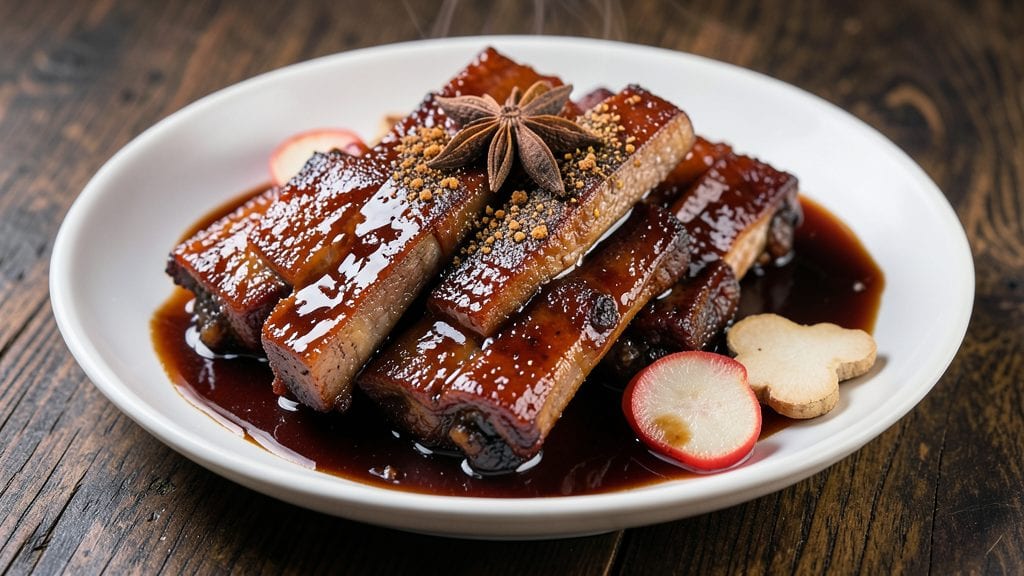
This Chinese braised beef short ribs recipe delivers melt-in-your-mouth tenderness that transforms tough cuts into luxurious, restaurant-quality bites. The secret lies in a slow simmer with aromatic spices that infuse the meat with deep, savory flavors over hours—not minutes.
I’ve perfected this method through years of testing, ensuring every bite is fall-apart tender with a glossy, caramelized sauce.
The process begins with a dry rub of five-spice powder and star anise, which builds complex layers of flavor before the ribs are seared to lock in juices.
Then, a carefully balanced braising liquid of soy sauce, Shaoxing wine, and ginger works its magic in a covered pot, breaking down collagen for that signature silky texture. This isn’t just a recipe—it’s a technique that rewards patience with unmatched results.
By the time you serve these ribs over steamed jasmine rice, you’ll have a dish that’s rich, aromatic, and deeply satisfying. The sauce clings to each tender morsel, while the aroma alone will have everyone at the table asking for seconds.
Whether you’re hosting a dinner party or craving comfort food, this method delivers professional-quality braised beef without the fuss.
The beauty of this recipe lies in its versatility—pair it with pickled vegetables for contrast, serve it with noodles for a heartier meal, or enjoy it as-is with a side of greens. The leftovers, if there are any, reheat beautifully, making this a perfect make-ahead dish for busy weeks.
Let’s get started on creating ribs so tender they’ll change how you think about braising forever.
Ingredients for chinese braised beef short ribs
Eight spices, six hours, ribs so tender they fall apart with a touch.
| Ingredient | Amount | Notes |
|---|---|---|
| Beef Short Ribs 🥩 | 2 lb | Bone-in, 1.5-inch cubes preferred |
| Five-Spice Powder 🌶️ | 1 tbsp | Toasted for deeper aroma |
| Star Anise Pods 🌿 | 2 whole | Whole, not ground |
| Soy Sauce 🥄 | ½ cup | Light or dark preferred |
| Shaoxing Wine 🍷 | ⅓ cup | Or substitute with dry sherry |
| Fresh Ginger 🧄 | 2 tbsp | Finely grated, skin on |
| Garlic Cloves 🧄 | 6 cloves | Smashed, not minced |
| Brown Sugar 🍬 | 2 tbsp | Light or dark works |
| Sesame Oil 🫒 | 1 tbsp | Toasted, for aroma |
| Green Onions 🧅 | 3 whole | White and green parts separated |
| Cornstarch 🌾 | 1 tbsp | For thickening sauce |
| Vegetable Oil 🫒 | 2 tbsp | For searing ribs |
| Salt 🧂 | 1 ½ tsp | Kosher or sea salt |
| Black Pepper 🌶️ | ½ tsp | Freshly cracked |
The ribs are everything here—bone-in, 1.5-inch cubes give you that classic braised texture. Most butchers will cut them for you, but if you're buying a whole packer, ask for the chuck or plate cut. Costco or Whole Foods usually have pre-cut ribs in the freezer section, which saves time. Look for good marbling—fat equals flavor. Five-spice powder? Penzeys or the bulk section at Trader Joe's have the best quality. Star anise is non-negotiable—it’s the secret behind that deep, aromatic backbone.
No Shaoxing wine? Dry sherry or even a splash of rice vinegar works in a pinch, but the flavor won’t be identical. Fresh ginger is ideal, but powdered at half the amount gets you close. The garlic can be roasted for a sweeter note—just toss whole cloves in the oven at 400°F for 10 minutes. Brown sugar adds depth, but honey or maple syrup can substitute if you’re avoiding refined sugar. Sesame oil is for aroma only—use sparingly, or the dish will taste bitter. Green onions? Scallions work too, but keep the white and green parts separate for garnish.
This dish tastes even better the next day—make a double batch if you can. The sauce thickens as it cools, so add a splash of water if it’s too stiff when reheating. Store leftovers in the fridge for up to 5 days or freeze for 3 months. I always portion mine into containers so lunches are sorted for the week. The ribs reheat beautifully—just cover with a splash of water and warm on low heat.
Why You'll Love This Recipe
- One-Pot Magic: I swear by this—just sear the ribs, toss in the star anise and five-spice, then let the wine and soy sauce do their thing. No chopping, no fuss, and the house smells like heaven by the end.
- Deep, Rich Payoff: That first bite? Melty ribs with a caramelized crust, kissed by star anise’s licorice warmth and Shaoxing’s buttery depth. It’s the kind of flavor that makes you slow down mid-bite—no joke.
- Leftover Luxury: Between us, this tastes better the next day. The sauce thickens into a glossy glaze, and the ribs stay tender. I make a double batch on Sundays so I can reheat portions all week—no sad, dry leftovers here.
- Budget Hero: Short ribs are pricey, but this recipe stretches them. A few ribs feed four, and the aromatics (star anise, five-spice) cost pennies. Honestly, it’s my go-to for feeding friends without breaking the bank.
Step-by-step instructions for Chinese braised beef short ribs
Here's how to transform tough short ribs into melt-in-your-mouth tender morsels with a rich, aromatic sauce.
Sear the Ribs for Maximum Flavor
Heat the 2 tablespoons vegetable oil in a heavy Dutch oven over medium-high heat until shimmering. Pat the 2 lb beef short ribs completely dry with paper towels—this ensures a good sear. Working in batches if needed, add the ribs and sear for 4-5 minutes per side until deeply browned. The key here is patience—don't rush the searing or the ribs will steam instead of develop that beautiful crust.
As you sear, you'll notice the ribs release their natural juices. Let them sit undisturbed for the last minute of searing so they develop that caramelized crust. Once browned on all sides, remove the ribs and set them aside on a plate. You want those ribs to stay warm but not continue cooking while you build the sauce.
Build the Aromatic Base
In the same Dutch oven (don't wipe out those browned bits—they're packed with flavor), reduce the heat to medium. Add the 2 tablespoons fresh ginger and 6 cloves garlic cloves, cooking for 1-2 minutes until fragrant and just beginning to color. Be careful not to let them burn—ginger burns quickly and turns bitter.
Next, add the 1 tablespoon five-spice powder, 2 whole star anise pods, 1.5 teaspoons salt, and 0.5 teaspoon black pepper. Stir constantly for 30 seconds to toast the spices—you'll smell that warm, earthy aroma developing. Then pour in the 0.33 cup shaoxing wine and scrape up any browned bits from the bottom of the pot. Let it simmer for 2 minutes until the wine reduces by half.
Simmer the Ribs in Flavorful Liquid
Return the seared ribs to the pot along with the 0.5 cup soy sauce and 2 tablespoons brown sugar. Pour in enough water to come about halfway up the ribs—about 2 cups should do it. The liquid should just barely cover the ribs. Bring to a gentle simmer, then reduce heat to low and cover with a lid.
Here's where the magic happens: let the ribs simmer for 1.5 to 2 hours until fork-tender. I know it seems like a long time, but this slow cooking breaks down the connective tissue, turning tough meat into silky perfection. You'll know they're ready when a fork slides in easily and the sauce has thickened slightly. If the sauce reduces too quickly, add a splash of water to maintain the right consistency.
Thicken the Sauce and Finish
Once the ribs are tender, remove them from the pot and set them aside. In a small bowl, whisk together the 1 tablespoon cornstarch with 2 tablespoons water to make a slurry. Slowly stir this into the cooking liquid in the pot while simmering over medium heat. Keep stirring until the sauce thickens enough to coat the back of a spoon, about 2-3 minutes. This step gives you that perfect glossy finish.
Return the ribs to the pot and stir in the 1 tablespoon sesame oil. Taste the sauce and adjust seasoning if needed—you might want to add a touch more soy sauce for saltiness or a bit of sugar if it's too acidic. The ribs should be swimming in a rich, slightly sticky sauce with that perfect balance of sweet, salty, and umami flavors.
Garnish and Serve
Transfer the ribs and sauce to a serving dish. Slice the 3 whole green onions and sprinkle them over the top—both the white and green parts add freshness and color. Serve immediately over steamed rice, letting everyone scoop up those tender ribs with the delicious braising liquid. The ribs should be so tender they practically fall apart at the touch, with a glossy sauce clinging to every bite.
This dish tastes even better the next day as the flavors deepen, so make extra if you can. The secret to success here is patience—don't rush the braising process, and you'll be rewarded with restaurant-quality beef short ribs that'll have everyone asking for seconds.
Pro Tips For Making Chinese Braised Beef Short Ribs
- Parboil First: Toss the short ribs in boiling water for 2-3 minutes before braising—this kicks out blood and impurities, so your final sauce stays crystal clear. I learned this the hard way after serving a cloudy, metallic-tasting dish that had me questioning my life choices.
- Toast the Spices: Dry-toast your five-spice powder and star anise in a separate pan until fragrant—about 30 seconds over medium heat. This wakes up their flavors and prevents a bitter, raw taste that’ll linger in your sauce no matter how long you simmer.
- Deglaze Aggressively: After searing the ribs, don’t just splash in wine—scrape every last bit of browned bits from the pot with a wooden spoon. Those bits are pure flavor, and skipping this step means your sauce will taste like it’s missing something. (Yes, even if you’re impatient like me.)
- Simmer Low and Long: Cover the pot and simmer on the lowest heat setting your stove offers—no peeking, no stirring. The ribs need 2+ hours to fall apart, and rushing it with high heat turns them tough. Set a timer and walk away; this isn’t a hands-on dish.
Storing and reheating this chinese braised beef short ribs
Refrigerator Storage
Let your braised ribs cool to room temperature for 30 minutes before transferring them to airtight containers. I use glass Pyrex containers with tight-sealing lids—they keep flavors fresh longer than plastic. Store at 40°F or below for up to 5 days, though the sauce will continue developing depth overnight.
The ribs stay moist and tender, while the sauce thickens slightly, making leftovers even more flavorful. 🥩
Freezer Magic
For longer storage, freeze the ribs in their sauce for up to 3 months. Portion into quart-sized freezer bags or airtight containers, leaving 1 inch headspace for expansion. Thaw overnight in the fridge before reheating.
The sauce may separate slightly, but stir it back together when reheating. I always double the recipe for freezer meals—it’s perfect for lazy weeknights. ❄️
Stovetop Reheating
My preferred method is stovetop reheating to preserve texture. Place ribs and sauce in a pot, add 2-3 tablespoons water or broth, and simmer on low heat for 10-15 minutes. Stir occasionally to prevent sticking.
The sauce will thicken further, and the ribs will warm through without drying out. Taste and adjust seasoning—sometimes a pinch of salt or sugar balances flavors after reheating. 🔥
Microwave Shortcut
For quick reheating, transfer ribs and sauce to a microwave-safe dish, cover with a damp paper towel, and heat on 50% power for 3-4 minutes. Stir halfway through, then continue in 30-second intervals until reaching 165°F internal temperature.
Add a splash of water if the sauce looks too thick. This method works in a pinch but lacks the depth of stovetop reheating. 💡
Sauce Rescue Tips
If the sauce seems too thick after reheating, thin it with 1-2 tablespoons water or beef broth. For extra richness, stir in ½ teaspoon sesame oil or a splash of Shaoxing wine before serving.
The ribs reheat best when partially submerged in sauce—this keeps them moist and flavorful. Always reheat gently to avoid drying out the meat. 🌟
Make-Ahead Pro Tips
Double the recipe and freeze half for future meals—this is my go-to strategy for busy weeks. Label containers with the date and reheating instructions. The ribs reheat just as well as fresh, making this a perfect make-ahead dish.
I often prepare a batch on Sundays for easy dinners all week. The flavors only improve with time, so don’t hesitate to make extra! 📅
Nutrition facts
Frequently asked questions
What's the secret to getting fall-apart tender ribs?
The key is low-and-slow braising for 1.5-2 hours—this breaks down collagen in the connective tissue. Start with bone-in, 1.5-inch cubes of beef short ribs, sear them deeply first, then simmer gently in liquid just covering the meat. Patience is everything—don't rush this step or the ribs will stay tough.
Can I substitute bone-in ribs for boneless?
You can, but the texture will differ. Bone-in ribs develop more flavor and stay juicier during braising. If using boneless, reduce braising time to 1-1.5 hours and add 1 extra tablespoon soy sauce to compensate for lost moisture. For best results, ask your butcher to cut 2-inch cubes from the bone-in packer.
How do I adjust the recipe for a pressure cooker?
Use the same searing method first, then add all ingredients to your pressure cooker. Cook on high pressure for 45 minutes (not quick release) for perfectly tender ribs. After cooking, let pressure release naturally for 10 minutes before opening. The sauce will be thinner—thicken it with 1 tablespoon cornstarch slurry at the end. This cuts cooking time to 1 hour total!
Why did my sauce turn cloudy or separate?
This usually happens from rapid temperature changes or over-stirring. For a glossy finish, always thicken the sauce at the end with cornstarch slurry over medium heat. If it separates, whisk in 1 tablespoon cold water to emulsify. For extra richness, stir in ½ teaspoon sesame oil before serving. The sauce should coat the back of a spoon when done.
What's the best way to serve these ribs?
Pair with steamed jasmine rice to soak up the sauce, and add quick-pickled vegetables (like cucumbers or carrots) for acidity to balance the richness. For a heartier meal, serve with egg noodles or mantou (steamed buns). Garnish with extra green onions and a drizzle of sesame oil right before serving for maximum flavor.