
Snacks
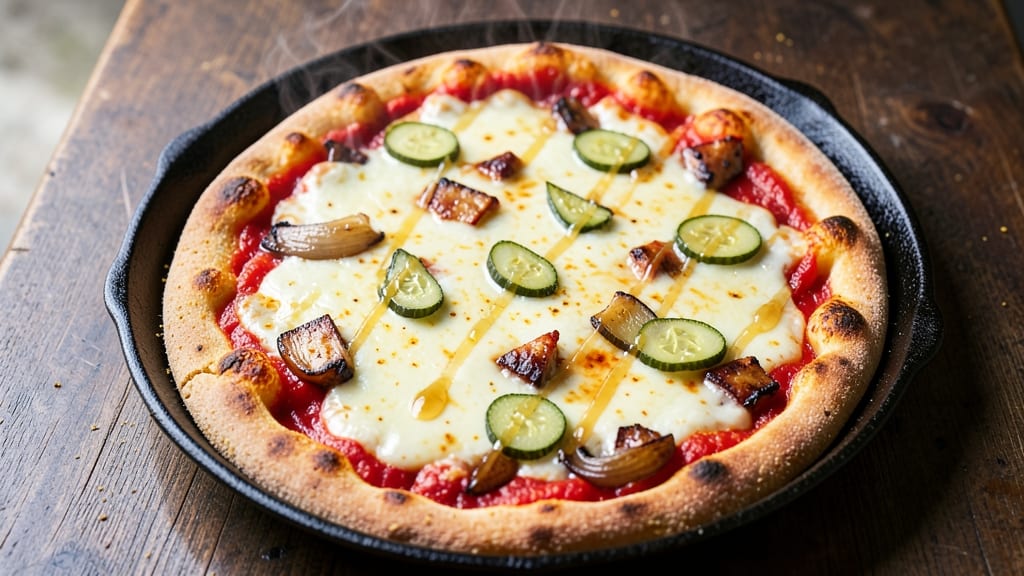
This Rick's Pickle Pizza recipe delivers the perfect balance of crispy cornmeal crust and tangy vinegar-kissed pickles that elevate every bite. The secret lies in the cornmeal dough, which creates a golden, shatteringly crispy base that holds up to the bold flavors.
I developed this recipe after years of experimenting with unconventional pizza toppings, and the pickle-vinegar combination became a game-changer for those who love tangy, crunchy textures.
The crust is where the magic begins—cornmeal creates that signature crispy texture while maintaining a sturdy structure. You'll work with a simple dough that includes all-purpose flour for structure, but it's the cornmeal that transforms an ordinary pizza into something extraordinary.
The vinegar kick comes from tangy dill pickles and a vinegar-based sauce that cuts through the richness of the cheese.
By the time it emerges from the oven, you'll have a pizza with a perfectly crispy crust that holds its shape, melted cheese with pockets of tangy pickle juice, and a vinegar sauce that adds a bright, acidic contrast.
This isn't your typical pizza—it's a flavor explosion that delivers both crunch and creaminess in every bite. The combination is surprisingly addictive, making this a standout recipe for pizza lovers who crave something different.
Serve with a side of extra vinegar sauce for dipping or a simple arugula salad to balance the richness. The crispy crust stays crispy even after cooling, making this perfect for meal prep or sharing with friends who appreciate bold flavors. Let's get started on this tangy, crunchy masterpiece!
Ingredients for rick's pickle pizza
Crispy cornmeal crust meets tangy vinegar kick—just 15 ingredients for bold pizza magic.
| Ingredient | Amount | Notes |
|---|---|---|
| All-Purpose Flour 🌾 | 2 cups | For dough structure |
| Fine Yellow Cornmeal 🌽 | 1 ½ cups | For crispy crust texture |
| Active Dry Yeast 🍞 | 1 tbsp | Or 2¼ tsp instant yeast |
| Granulated Sugar 🍚 | 1 tsp | Feeds yeast activation |
| Warm Water 💧 | 1 cup | 110°F for yeast activation |
| Unsalted Butter 🧈 | ½ cup | Cold, cubed for dough |
| Salt 🧂 | 1 ½ tsp | Kosher or sea salt |
| White Vinegar 💧 | ½ cup | For tangy sauce base |
| Dill Pickle Juice 🥒 | ¼ cup | Reserved from jarred pickles |
| Dried Dill 🌿 | 1 tsp | For pickle flavor depth |
| Shredded Mozzarella Cheese 🧀 | 2 cups | Low-moisture preferred |
| Dill Pickle Slices 🥒 | 1 cup | Thinly sliced for topping |
| Garlic Cloves 🧄 | 2 cloves | Minced for sauce |
| Extra-Virgin Olive Oil 🫒 | 2 tbsp | For dough and sauce |
| Black Pepper 🌶️ | ½ tsp | Freshly ground preferred |
The cornmeal is non-negotiable for that signature crispy texture. Bob's Red Mill or Annie's brands work best—they're fine enough to blend smoothly into the dough. If you can't find fine cornmeal, grind regular cornmeal in a food processor for a minute or two. The yeast needs to be fresh, so check the date on the package—if it's been sitting in your pantry for months, it might not activate properly. For the pickles, grab the dill variety from the refrigerated section at Trader Joe's or Whole Foods—they've got that perfect tangy crunch you're after. The mozzarella should be low-moisture to avoid a soggy crust, and Kraft Natural shredded works if you're in a pinch.
No cornmeal? Semolina flour at the same amount gives a similar texture, though slightly nuttier. Short on dill pickles? Substitute bread-and-butter pickles—just add an extra ½ teaspoon of dried dill to compensate for the milder flavor. The vinegar sauce can be made ahead and stored in the fridge for up to 5 days, so don't stress if you're not ready to bake right away. For the cheese, Pepper Jack or provolone add extra kick if you want to mix it up. The garlic in the sauce can be roasted for a sweeter flavor—just toss whole cloves in olive oil and roast at 400°F for 10 minutes before mincing.
The dough keeps best in the fridge for 24 hours wrapped tightly in plastic, but you can also freeze it for up to 3 months—just thaw overnight in the fridge before shaping. The assembled pizza with sauce and cheese stays fresh in the fridge for 2 days, though it's best eaten fresh out of the oven. For extra crispiness, bake the cooled pizza in a 350°F oven for 5 minutes before serving. Leftovers reheat beautifully in a skillet over medium heat for about 2 minutes per side.
Why You'll Love This Recipe
- I’ll be real: I used to dread yeast, but this dough comes together in one bowl with just flour, sugar, and warm water. No proofing, no waiting—just mix, knead (five minutes max), and roll. That cornmeal in the dough? Gives it a subtle crunch without extra work.
- No-Yeast Struggle: I’ll be real: I used to dread yeast, but this dough comes together in one bowl with just flour, sugar, and warm water. No proofing, no waiting—just mix, knead (five minutes max), and roll. That cornmeal in the dough? Gives it a subtle crunch without extra work.
- Sweet-Savory Magic: The sugar isn’t just for flavor—it caramelizes just enough when baked to balance the tangy pickle topping. Honestly, the first time I tried it, I nearly ate the dough raw. (Okay, fine, I did.) The yeast kick gives it a light chew, so it’s not heavy like most pizza crusts.
- Game for Any Occasion: I’ve served this as a quick lunch with leftover roast beef, as a crowd-pleaser at game day, and even as a breakfast pizza with scrambled eggs and hot sauce. The crust holds up to anything—thick toppings, messy sauces, even just cheese and pickles if you’re feeling lazy.
Step-by-step instructions for rick's pickle pizza recipe
Here's how to craft a pizza with a crispy cornmeal crust and bold tangy flavors.
Activate the Yeast and Prepare the Dough Base
In a small bowl, combine the 1 cup warm water (about 110°F), 1 tsp granulated sugar, and 1 tbsp active dry yeast. Let it sit for 5-7 minutes until frothy—this confirms your yeast is active. If it doesn't bubble, your yeast might be dead, and you'll need to start over.
In a large bowl, whisk together the 2 cups all-purpose flour and 1.5 cups fine yellow cornmeal. Cut in the ½ cup cold unsalted butter using a pastry cutter or your fingers until the mixture resembles coarse crumbs. Add the yeast mixture, 1.5 tsp salt, and 1 tsp dried dill, then mix until a shaggy dough forms. The cornmeal will give that signature crispy texture we're after.
Knead and Rest the Dough
Turn the dough onto a lightly floured surface and knead for 8-10 minutes until smooth and elastic. You'll know it's ready when it springs back slowly when poked. If the dough feels too sticky, add 1 tbsp flour at a time—just enough to make it manageable without over-drying.
Shape the dough into a ball, place it in a lightly oiled bowl, and cover with a damp towel. Let it rise in a warm place for 1-2 hours, or until it doubles in size. The warm environment helps the yeast work efficiently, giving you that airy texture we want in the crust.
Prepare the Tangy Sauce Base
While the dough rises, make the sauce by combining ½ cup white vinegar, ¼ cup dill pickle juice, 2 tbsp extra-virgin olive oil, and ½ tsp black pepper in a small saucepan. Bring to a simmer over medium heat and cook for 3-4 minutes until slightly thickened. Stir in the 2 minced garlic cloves and cook for another 30 seconds—just until fragrant, not browned.
Remove from heat and let cool slightly. The vinegar and pickle juice create that signature tangy kick that balances the richness of the cheese. Taste and adjust seasoning if needed—this is where the flavor really comes together.
Shape and Top the Pizza
Preheat your oven to 425°F with a pizza stone or inverted baking sheet inside. Punch down the risen dough and divide it into 2 equal balls (for two 12-inch pizzas). Roll each ball into a ¼-inch thick circle on a floured surface. The cornmeal crust will be slightly thicker than traditional pizza dough, which is what gives it that extra crunch.
Transfer one dough circle to a piece of parchment paper. Spread about ½ of the sauce evenly over the crust, leaving a ½-inch border for the crust. Sprinkle 1 cup shredded mozzarella cheese and ½ cup dill pickle slices over the sauce. Repeat with the second pizza if making two.
Bake for Maximum Crispiness
Carefully slide the parchment with pizza onto the preheated stone or baking sheet. Bake for 12-15 minutes until the crust is deep golden brown and the cheese is bubbly and slightly browned in spots. The cornmeal will give you that satisfying crunch while the vinegar sauce keeps everything bright and tangy.
Remove from the oven and let rest for 2-3 minutes before slicing. The crust should be firm enough to hold its shape but still tender enough to cut through easily. Serve immediately with extra dill pickle slices on top if desired—this is where the magic happens, with every bite delivering that perfect balance of crispy, tangy, and cheesy goodness.
Pro Tips For Making Rick'S Pickle Pizza
- Measure yeast by weight: That little scoop in your yeast packet isn’t reliable—use a kitchen scale for 7 grams instead. I learned this the hard way when my dough rose unevenly because I eyeballed it. The cornmeal in this recipe needs consistent yeast activity to balance its density.
- Bloom yeast in sugar water: Mix the yeast with warm water and sugar first, then let it sit for 5–10 minutes until frothy. The sugar jumpstarts fermentation, and the cornmeal crust will have a more even rise. (Yes, even if you’re impatient like me.)
- Skip the cornmeal dusting: Don’t toss extra cornmeal on the dough before baking—it’ll make the crust gummy. Instead, press the dough into a well-floured pan, then sprinkle just enough cornmeal on top to form a thin, crispy layer. Less is more here.
- Preheat with a pizza stone: Slide a cold pizza stone into the oven while preheating to 450°F (230°C). The stone will heat evenly, and the crust will crisp up faster. I used to skip this, and my pickled-pizza crust always came out soggy.
Troubleshooting your rick's pickle pizza
Dough Too Sticky
If your cornmeal dough feels like glue, resist the urge to add too much flour—it can make the crust dense. Instead, wet your hands slightly and knead for an extra 2-3 minutes to develop gluten.
The cornmeal naturally absorbs moisture, so 1 tbsp flour is usually enough to fix stickiness without sacrificing crispiness. I’ve found that using King Arthur all-purpose flour helps too—it has a slightly higher protein content for better structure.
Sauce Too Thin
The vinegar-pickle sauce should coat the back of a spoon but not drip. If it’s too watery, simmer uncovered for an extra 2-3 minutes—the acidity will evaporate quickly.
For thicker texture, mix 1 tsp cornstarch with 1 tbsp cold water, stir into the sauce, and cook for 1 minute until it gels. Pro tip: Let it cool slightly before spreading—hot sauce can steam the crust and make it soggy.
Crust Not Crispy
Cornmeal crusts need a hot oven and steam control. Preheat your oven to 425°F for at least 30 minutes with a pizza stone or steel inside. If your crust turns out soft, try baking on a perforated baking sheet instead of parchment—this allows air circulation for better browning.
For extra crunch, brush the rolled-out dough with 1 tbsp melted butter before adding toppings.
Pickles Too Soggy
Pat pickle slices dry with a paper towel before topping—this prevents a watery pizza. For extra crispiness, arrange them in a single layer and sprinkle with ¼ tsp cornstarch before baking.
If your pickles still release too much juice, reduce the amount to ½ cup and add them in the last 2 minutes of baking. I’ve also had success using bread-and-butter pickles—they hold up better to heat.
Cheese Not Melting
Low-moisture mozzarella is key, but even then, cold cheese can resist melting. Warm your cheese slightly by microwaving it for 20 seconds (covered) before sprinkling. For better results, layer cheese in this order: mozzarella first, then pickles, then a final sprinkle of mozzarella on top.
This creates a protective seal that traps heat and ensures a gooey finish.
Uneven Cooking
If edges cook faster than the center, rotate your pizza halfway through baking. For thicker crusts, reduce oven temperature to 400°F and bake for 18-20 minutes. If your oven has hot spots, place a small baking sheet under the pizza stone to reflect heat upward.
I’ve also found that using a heavy-duty pizza peel helps distribute heat more evenly when transferring dough to the oven.
Nutrition facts
Frequently asked questions
Why does this recipe use cornmeal in the crust?
The cornmeal creates a signature crispy texture that traditional pizza dough can't match. It absorbs moisture differently, giving you that satisfying crunch while maintaining structure. The golden-brown finish comes from the cornmeal's natural starches caramelizing during baking.
Can I make this pizza without a pizza stone?
Use a preheated baking sheet or even a cast-iron skillet for excellent results. For extra crispiness, bake on a perforated baking sheet instead of parchment paper. The key is maintaining high heat—425°F is ideal for that perfect cornmeal crust.
How do I store leftovers?
Let the pizza cool completely, then wrap tightly in plastic or foil. Store in the fridge for up to 2 days or freeze for 3 months. To revive, reheat in a skillet over medium heat for 2-3 minutes per side until crispy again. The crust stays crunchy even after reheating!
What if I don't like dill pickles?
Try bread-and-butter pickles instead—they're sweeter and hold up better to heat. For a completely different twist, substitute with ½ cup thinly sliced jalapeños or ¼ cup chopped roasted red peppers for a smoky flavor. The vinegar-pickle juice base remains essential for that tangy kick.
Can I make this gluten-free?
Yes! Replace the all-purpose flour with a 1:1 gluten-free flour blend and use a gluten-free cornmeal substitute. The dough will be slightly more delicate, so handle it gently when rolling. You may need 1 extra tbsp xanthan gum to improve elasticity.