
Soups & Stews
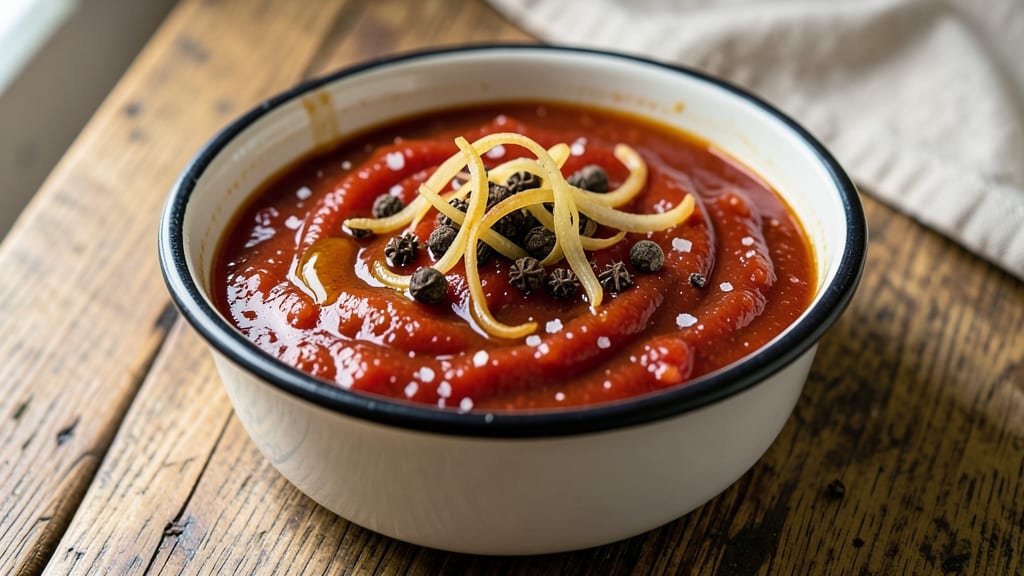
This old-fashioned tomato ketchup recipe brings back the bold, smoky-sweet balance that modern versions often lose—thick, rich, and perfectly tangy with just the right touch of heat.
The secret lies in slow simmering ripe tomatoes with vinegar and spices until they reduce into a glossy, paste-like sauce that clings to every bite. I developed this version after years of experimenting with commercial ketchups that tasted more like syrup than the tangy, complex condiment I remembered from childhood.
What sets this recipe apart is the careful balance of vinegar and sugar, which creates that signature old-fashioned tang without overpowering the tomato flavor. The spices—allspice, cloves, and a hint of cayenne—add depth that store-bought versions simply can’t match.
Unlike quick-processed commercial ketchups, this method builds flavor gradually, ensuring every spoonful delivers that authentic, restaurant-quality taste you crave. The process is straightforward but requires patience; the long simmer transforms simple ingredients into something extraordinary.
By the time you’re done, you’ll have a small batch of ketchup that’s thicker than most store-bought versions, with a glossy sheen and a flavor profile that’s both familiar and unexpectedly complex.
The smoky undertones from the vinegar and spices elevate it beyond basic tomato sauce, making it perfect for burgers, fries, or even as a glaze for grilled meats. This isn’t just a condiment—it’s a flavor experience that turns ordinary meals into something special.
The best part? This ketchup keeps beautifully in the refrigerator for up to a month, allowing you to enjoy homemade quality without the rush. You can also experiment with variations—adding a pinch of celery seed for extra depth or a splash of molasses for a deeper caramel note.
Let’s get started on making ketchup that tastes like it belongs in a vintage cookbook.
Ingredients for old fashioned tomato ketchup
Classic ingredients with a vintage twist—this ketchup starts with tomatoes and vinegar for that perfect tangy balance.
| Ingredient | Amount | Notes |
|---|---|---|
| Ripe Tomatoes 🍅 | 4 lbs | Roma or vine-ripened preferred |
| White Vinegar 💧 | 1 cup | Distilled or apple cider |
| Granulated Sugar 🍚 | 1 ½ cups | White or light brown |
| Yellow Onions 🧅 | 1 whole | Medium size, chopped |
| Allspice Berries 🌶️ | 1 tbsp | Crushed, not ground |
| Ground Cloves 🌿 | 1 tsp | Freshly ground preferred |
| Cayenne Pepper 🔥 | ½ tsp | Adjust for heat preference |
| Salt 🧂 | 1 ½ tsp | Diamond Crystal kosher |
| Black Peppercorns 🌶️ | ½ tsp | Crushed, not ground |
| Extra-Virgin Olive Oil 🫒 | 1 tbsp | For glossy finish |
The tomatoes are the foundation—ripe Roma or vine-ripened give the most concentrated flavor. Whole Foods or local farmers markets usually have the best selection, but grocery store tomatoes work too if they're fully red and firm. The vinegar is non-negotiable for that classic tang; I always grab apple cider vinegar from Trader Joe's for a slightly sweeter edge. For the sugar, white or light brown both work, but brown adds subtle caramel notes. The onions should be yellow, not red—they hold up better during the long simmer and don't bleed color.
No allspice berries? Ground allspice at double the amount works, but you lose that lovely peppery bite. Short on cayenne? Red pepper flakes at half the amount gives similar heat. The black peppercorns need to be crushed—not ground—so they release flavor gradually. If you're feeling adventurous, smoked paprika at 1/4 tsp adds depth without overpowering. The olive oil might seem odd, but it's what gives that glossy sheen to finished ketchup—don't skip it. For storage, glass jars are best; they preserve the color and flavor better than plastic.
This ketchup thickens as it cools, so don't be alarmed if it looks too runny right after simmering. It'll set up beautifully in the fridge—up to 1 month if stored properly. For longer keeping, freeze in ice cube trays and transfer to a bag. The flavor actually improves over time, so make a big batch. I always double the recipe because it disappears faster than I expect. The first batch is always the best—subsequent batches can't quite match that perfect balance of tang and sweetness.
Why You'll Love This Recipe
- No Chopping Hassle: I’ll be real—this recipe only needs onions diced, not sliced or minced. Toss those tomatoes in whole, crush the allspice berries with a mortar (or just a spoon), and you’re done. My hands stay clean, and the flavor? Still packed.
- Sweet-Spicy Balance: That allspice isn’t just a garnish—it’s the secret. A few crushed berries with the vinegar and sugar create this just-right tang that’s richer than store-bought. Honestly, I’ve tasted ketchups with 10 ingredients that can’t compete.
- Pantry Staple Magic: Use it on burgers, eggs, or even grilled cheese. The onions caramelize slightly when simmered, adding depth that makes it perfect for breakfast or dinner. My kids ask for it on hot dogs, and I never say no.
- Makes a Month’s Worth: A big batch keeps for weeks in the fridge—no fancy jars needed. I freeze extras in ice cube trays for single-serving portions. Cheaper than buying ketchup, and way better. (Yes, even on a Tuesday night.)
Step-by-step instructions for old fashioned tomato ketchup
Here's how to craft a rich, balanced ketchup with deep vinegar notes and just the right sweetness.
Prepare and Cook the Base Ingredients
Begin by halving the 4 lbs ripe tomatoes and removing the cores. Chop them into ½-inch pieces and place them in a large, heavy-bottomed pot. Add the whole yellow onion, cut into ¼-inch dice, along with the 1 tbsp crushed allspice berries and 1 tsp ground cloves. This aromatic blend will infuse the ketchup with warm, spiced depth.
Pour in the 1 cup white vinegar and 1.5 cups granulated sugar, stirring to dissolve the sugar completely. The vinegar helps preserve the ketchup while balancing the sweetness. Bring the mixture to a boil over medium-high heat, then reduce the heat to medium-low and let it simmer uncovered for 30 minutes. You'll notice the mixture thicken slightly as the tomatoes break down and release their juices. Stir occasionally to prevent sticking.
Simmer and Develop the Flavor
After 30 minutes, use an immersion blender to purée the mixture directly in the pot until smooth. If you don’t have one, carefully transfer the mixture to a blender in batches, then return it to the pot. Add the 1.5 tsp salt and 0.5 tsp cayenne pepper, along with the 0.5 tsp crushed black peppercorns. These spices will add complexity—savory, spicy, and slightly smoky.
Return the pot to medium heat and simmer uncovered for another 45-60 minutes, stirring frequently. The ketchup should reduce and thicken noticeably. You’re aiming for a consistency where it coats the back of a spoon but isn’t gluey. Taste occasionally and adjust the seasoning if needed—add a pinch more salt or cayenne if desired. The longer it simmers, the more concentrated the flavors become.
Finish and Add the Olive Oil
Once the ketchup has thickened to your liking, remove the pot from heat and let it cool slightly for 5 minutes. This step prevents the olive oil from separating. Stir in the 1 tbsp extra-virgin olive oil—this adds a silky texture and a subtle fruity note that rounds out the acidity. The oil also helps preserve the ketchup longer by creating a protective layer on the surface.
For a smoother texture, strain the ketchup through a fine-mesh sieve into a clean jar or bowl. Press gently on the solids to extract as much liquid as possible. The strained ketchup will have a velvety consistency and a deeper, more refined flavor. If you prefer a slightly rustic texture, skip the straining step entirely. Seal the jar and let it cool completely before refrigerating.
Store and Use
The ketchup will thicken further as it cools, so don’t be alarmed if it appears slightly over-reduced at room temperature. Store it in an airtight container in the refrigerator for up to 2 weeks, or extend its shelf life by processing it in a hot water bath for 15 minutes to can it safely. This old-fashioned method yields a ketchup that’s richer and more nuanced than store-bought versions, with a perfect balance of sweet, tangy, and spicy notes.
Use it on burgers, hot dogs, or even drizzled over grilled meats for a gourmet touch. The depth of flavor comes from the slow simmering and the careful balance of spices—trust the process, and you’ll end up with a condiment that’s truly homemade and unforgettable.
Pro Tips For Making Old Fashioned Tomato Ketchup
- Peel Tomatoes First: I learned this the hard way—skinning tomatoes before cooking saves hours of peeling later. Run them under hot water for 30 seconds, then shock in ice bath; skins slip off like magic. (Yes, even if you’re impatient like me.)
- Toast Allspice Berries: Dry-toast the whole allspice berries in a skillet for 30 seconds until fragrant—this unlocks their flavor. Crush them after cooking, not before; otherwise, they’ll turn bitter and muddy your ketchup.
- Simmer Slow and Low: After the initial boil, drop heat to a gentle simmer. I used to rush it, and my batches ended up thin and watery. Two hours at low heat builds depth; skimming foam early keeps it clean.
- Balance Vinegar Gradually: Add vinegar in two batches—half upfront, half at the end. Too much too soon makes the ketchup taste harsh. Taste as you go; you’ll need about 1/3 cup total, but adjust based on your tomatoes’ natural tartness.
Creative variations of this recipe
Smoky Chipotle Twist
Swap out the cayenne for 1 tbsp adobo sauce from canned chipotles (about 2-3 chipotles) and add ½ tsp smoked paprika to the simmering mixture. This transforms your ketchup into a smoky, slightly sweet condiment perfect for grilled chicken or tacos.
I like to add it in during the final 15 minutes of simmering so the smoky flavors develop fully. 🌶️
Herb-Infused Garden Version
Add 2 tbsp fresh basil and 1 tbsp fresh oregano during the initial 30-minute simmer, then remove them before blending. For a more robust flavor, use 1 tbsp dried basil instead.
This herbaceous variation pairs beautifully with Italian dishes like bruschetta or caprese salad. The fresh herbs brighten the ketchup without overpowering its tangy-sweet base.
Molasses-Rich Depth
Reduce the sugar to 1 cup and add ¼ cup molasses during the initial simmer. The molasses adds a deep, caramel-like richness that complements the vinegar's acidity. This variation works especially well with pulled pork or barbecue ribs, giving the dish a slow-cooked, almost BBQ-like depth.
I recommend using unsulphured molasses for the best flavor.
Spiced Apple Cider Ketchup
Replace the white vinegar with 1 cup apple cider vinegar and add 1 cinnamon stick and 3 whole cloves during the initial simmer. Remove the spices before blending.
This autumnal version has a subtle apple cider sweetness and warm spice notes that make it perfect for turkey sandwiches or apple-cider-glazed meats. The cinnamon adds warmth without overpowering the tomato flavor.
Celery Seed Complexity
Add 1 tsp celery seeds along with the other spices during the simmering process. The celery seed adds an earthy, slightly bitter note that balances the sweetness and acidity beautifully.
This variation is inspired by classic French tomato sauces and works wonderfully with roasted vegetables or as a dipping sauce for fries. The seeds should be whole or lightly crushed to avoid bitterness.
Sweet and Tangy Fruit Blend
Add ½ cup diced peaches or pears during the final 15 minutes of simmering. The fruit softens and infuses the ketchup with a subtle sweetness that complements the tang.
This fruity variation is perfect for drizzling over grilled peaches or as a glaze for pork tenderloin. Use ripe, firm fruit that holds its shape during cooking. 🍑
Nutrition facts
Frequently asked questions
Why does my homemade ketchup taste too sweet or tart?
The balance between vinegar and sugar is key. For a less sweet version, reduce sugar to 1 cup and add ½ cup apple cider vinegar instead of white. If it's too tart, add 1-2 tbsp more sugar during the final 15 minutes of simmering. Taste as you go—adjust gradually to avoid overpowering flavors.
Can I make this ketchup without a blender?
After simmering, let the mixture cool slightly, then press it through a fine-mesh sieve using a spoon. This removes skins and seeds, giving you a smoother texture without blending. For a rustic version, skip straining entirely—just mash any large chunks with a potato masher. The flavor will still be rich and authentic!
How do I prevent my ketchup from separating or mold growing?
Always store it in a clean, airtight glass jar in the fridge. The olive oil helps preserve it, but if you notice separation, stir gently before using. For longer storage, process in a hot water bath for 15 minutes to can it safely. Discard if you see mold or an off smell—homemade ketchup should last 2 weeks refrigerated or 6 months canned.
What’s the best way to use leftover ketchup solids?
Don’t waste them! Blend the strained solids with a little water, then simmer for 10 minutes to make a thinner "ketchup broth." Use it as a marinade for meats or a base for soups. Alternatively, chop and sauté with onions for a quick tomato relish. Every bit of flavor deserves a second life!
Can I substitute canned tomatoes for fresh?
Yes, but adjust the liquid. Use 2 (28 oz) cans crushed tomatoes instead of fresh, and reduce the vinegar to ½ cup since canned tomatoes are already cooked. Simmer for 45 minutes instead of 1 hour to avoid over-reduction. The texture will be slightly smoother, but the flavor will still be bold and traditional.