
Sauces & Condiments
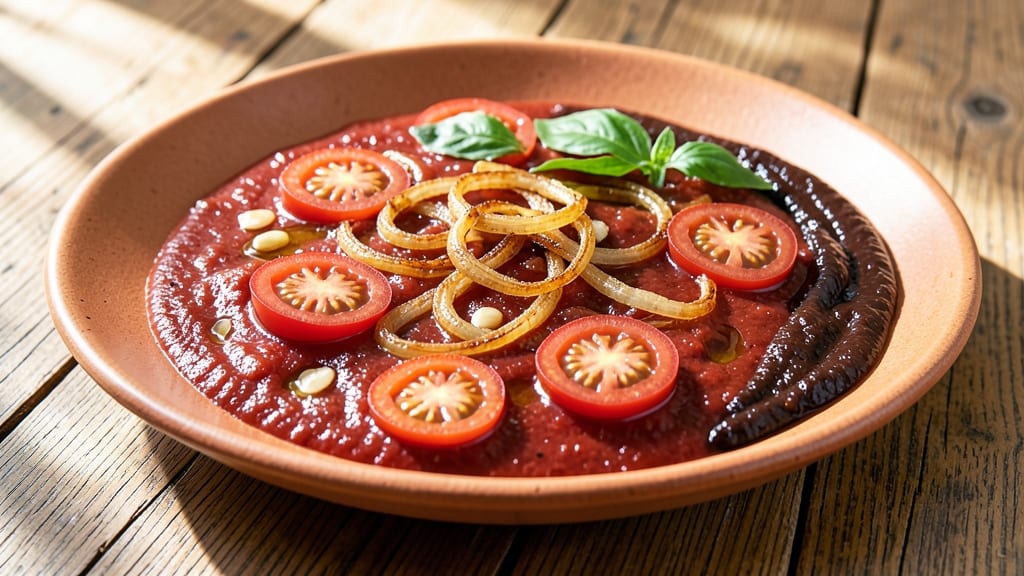
Creating a Betty Crocker-inspired tomato sauce at home delivers restaurant-quality richness without the canned shortcuts. This pantry-friendly recipe transforms simple ingredients into a velvety, flavorful base for pasta, pizza, or dips in just 20 minutes. The secret lies in balancing sweetness, acidity, and herbs to achieve that signature depth.
With just a few staple ingredients—canned tomatoes, onions, garlic, and herbs—you’ll build layers of flavor through slow simmering and blending. Unlike store-bought versions, this sauce develops a natural sweetness from caramelized aromatics while maintaining a smooth, vibrant texture.
Perfect for weeknight meals or meal prep, it’s versatile enough for traditional marinara or bold, modern twists.
What sets this sauce apart is its rich, balanced taste—sweet from tomatoes, bright from garlic, and aromatic from fresh herbs. The simmering process intensifies flavors, while blending ensures a silky consistency that clings perfectly to noodles or crusts. No special equipment is needed, just patience and attention to seasoning.
Use it as a classic marinara for spaghetti, a base for homemade pizza, or even as a dip for garlic bread. The possibilities are endless, and the results? Professionally perfect every time. Let’s get cooking!
Ingredients for betty crocker tomato sauce
Pantry staples meet restaurant-quality flavor in this velvety tomato sauce—simple, bold, and perfect for any dish.
| Ingredient | Amount | Notes |
|---|---|---|
| San Marzano Whole Tomatoes 🍅 | 28 oz | Canned, crushed by hand |
| Yellow Onion 🧅 | 1 whole | Diced small for even cooking |
| Garlic Cloves 🧄 | 4 cloves | Minced finely for depth |
| Extra-Virgin Olive Oil 🫒 | ½ cup | High-quality, fruity variety |
| Tomato Paste 🍅 | 2 tbsp | Squeeze tube preferred |
| Dried Basil 🌿 | 1 ½ tsp | Or 0.5 tsp fresh basil |
| Dried Oregano 🌿 | 1 tsp | Italian variety for authenticity |
| Diamond Crystal Kosher Salt 🧂 | 1 tsp | Adjust to taste |
| Freshly Ground Black Pepper 🌶️ | ½ tsp | Freshly cracked for aroma |
| Red Wine Vinegar 🍷 | 1 tbsp | Brightens the sauce |
The tomatoes make everything. San Marzano is ideal—sweeter, meatier, and less acidic than regular canned tomatoes. Grab a can from Whole Foods or any Italian market if you can, but the store brand works too. Fresh basil is ideal, but dried basil at half the amount won’t let you down. The onion and garlic are your flavor anchors—don’t skip the mincing, or you’ll miss out on that caramelized depth. For the tomato paste, Trader Joe’s squeeze tubes are a game-changer—they’re mess-free and keep forever. If you’re using fresh basil, grab a bunch and use half here, half for garnishing later.
No red wine vinegar? Lemon juice or balsamic vinegar work in a pinch, but the acidity won’t be quite the same. Swapping dried oregano for fresh? Use one-third the amount—fresh herbs pack way more punch. Olive oil quality matters here—avoid the cheap stuff that tastes like soap. If you’re making a big batch, double the ingredients and freeze portions. This sauce only gets better as it sits, so don’t rush the simmering. The longer it cooks, the richer it becomes—20 minutes minimum, but 30 is even better.
This sauce keeps for 5 days in the fridge and freezes beautifully for up to 6 months. Portion it into ice cube trays for easy single-use servings—perfect for pizza nights or pasta emergencies. If it thickens too much after chilling, just stir in a splash of water or broth. The vinegar might make you think it’s too sharp at first, but trust the process—it’ll mellow out as it simmers. Store it in a glass jar to keep it fresh longer, and always taste before serving. Adjust the salt and pepper to your liking—this is your sauce, after all.
Why You'll Love This Recipe
- No-Chop Nightmare: I swear by this recipe because dicing an onion makes me cry—so here, you just sauté one whole until soft. The San Marzano tomatoes handle the work for you, bursting open with barely any effort.
- Umami Bomb: That little can of tomato paste? It’s the secret weapon. When you caramelize it with olive oil and garlic, the sauce gets this deep, sweet richness that clings to pasta like it’s never letting go.
- Pantry Staple: I make a double batch every Sunday because it’s the base for everything—spaghetti, lasagna, even bruschetta. Freezes like a dream, so no more last-minute grocery runs for a weeknight dinner.
- Budget Magic: San Marzano tomatoes and olive oil might sound fancy, but they stretch so far. A single jar of paste and a few cloves of garlic turn cheap onions into something restaurant-worthy—without the restaurant price tag.
Step-by-step instructions for pantry-perfect tomato sauce
This method transforms simple pantry staples into a velvety, restaurant-quality sauce in under 20 minutes—no fancy techniques required.
Sauté the Aromatics in Olive Oil
Heat the 0.5 cup extra-virgin olive oil in a heavy-bottomed saucepan over medium heat. Add the 1 whole yellow onion, diced small, and cook for 5-6 minutes until translucent and just beginning to soften. The onions should release their sweetness without browning—this is your flavor foundation.
Push the onions to the sides of the pan and add the 4 cloves minced garlic. Stir immediately to prevent burning—garlic cooks in seconds and turns bitter if left unattended. Let it sizzle for 30 seconds until fragrant. This quick cooking preserves the garlic's bright, sweet flavor rather than letting it develop a harsh, bitter edge.
Build Depth with Tomato Paste and Vinegar
Lower the heat to medium-low and stir in the 2 tablespoons tomato paste. Cook for 1-2 minutes until it darkens slightly and releases its concentrated flavor. This step is crucial—it deepens the sauce's richness and prevents a flat, one-dimensional taste. The paste will caramelize just enough to create a complex umami base.
Pour in the 1 tablespoon red wine vinegar and stir vigorously. The vinegar brightens the sauce and cuts through the natural sweetness of the tomatoes. Let it simmer for 30 seconds until the vinegar's sharpness mellows into a subtle tang. This is the moment that transforms a basic sauce into something extraordinary—don't skip it.
Crush and Add the San Marzano Tomatoes
Using your hands, crush the 28 oz San Marzano whole tomatoes directly in the pan. The skin and seeds add texture and body to the sauce, creating a luxurious mouthfeel. If you prefer a smoother texture, use a wooden spoon to break them down instead. Add the crushed tomatoes along with any juices that have accumulated in the can.
Bring the mixture to a gentle boil over medium-high heat, then immediately reduce to medium-low. Let it simmer uncovered for 10 minutes, stirring occasionally. You'll see the sauce thicken as moisture evaporates and the flavors meld. This is where patience pays off—the longer it simmers, the more developed and complex the sauce becomes.
Season and Simmer to Perfection
Add the 1.5 teaspoons dried basil, 1 teaspoon dried oregano, 1 teaspoon diamond crystal kosher salt, and 0.5 teaspoon freshly ground black pepper. Stir well to distribute the seasonings evenly. Taste the sauce now—you'll notice it's still bright and acidic. This is normal and will balance out as it cooks further.
Continue simmering for an additional 5-7 minutes until the sauce reaches your desired consistency. It should coat the back of a spoon with a velvety texture. If it's too thick, add 2-3 tablespoons of water to loosen it. The sauce is perfect when it's rich but still pours smoothly, with a balance of sweetness, acidity, and herbal notes. This is the hallmark of a well-made tomato sauce.
Rest and Serve with Confidence
Remove the pan from heat and let the sauce rest for 5 minutes. This resting period allows the flavors to fully integrate and the sauce to thicken slightly as it cools. The difference is subtle but noticeable—it transforms from a vibrant, lively sauce to one that's deeply flavorful and cohesive.
Serve immediately over your favorite pasta, drizzled with a little more extra-virgin olive oil for extra richness. Each spoonful should deliver a perfect balance of sweetness from the tomatoes, brightness from the vinegar, and depth from the garlic and herbs. This isn't just a sauce—it's a flavor experience that elevates any dish it touches.
Pro Tips For Making Betty Crocker Tomato Sauce
- Peel Those Garlic Cloves: I learned this the hard way—peeling garlic right before using it saves time and keeps the flavor fresh. The Betty Crocker recipe calls for minced garlic, so grab a handful of cloves, smash them lightly with the flat side of a knife, and peel them off in one go. No more struggling with stubborn skins mid-cooking.
- Sweat, Don’t Burn Onions: Low and slow is the name of the game here. When sautéing the yellow onion, keep the heat at a gentle simmer—you want it to soften and release its sweetness, not darken into bitterness. If it starts to dance, drop the heat and give it a stir. Patience here makes the whole sauce sing.
- Skip the Crowding: I used to jam all the San Marzano tomatoes into the pot at once, thinking it’d cook faster. Wrong. Overcrowding steams them instead of browning, and you end up with a watery sauce. Halve the tomatoes first, then add them in batches with space between each. Let them caramelize for 5 minutes before stirring—this builds depth.
- Stir the Paste Early: Sounds weird, but it works: whisk the tomato paste into the onions before they soften completely. The paste clings to the pot, preventing it from sticking to the bottom later. Just a tablespoon or two at first—enough to coat the surface—then proceed with the recipe. Your future self will thank you when cleanup isn’t a chore.
Make-ahead tips for this recipe
Batch Prep for Busy Weeks
Make a double batch of this sauce and freeze it in 1-cup portions using silicone ice cube trays. Once frozen, transfer the cubes to a freezer-safe zip-top bag and flatten to save space.
Thaw overnight in the fridge or microwave for 1-2 minutes on defrost setting. This is perfect for pizza nights or weeknight pasta emergencies when you’re short on time. 📅
Long-Term Storage Secrets
For maximum freshness, store the sauce in glass mason jars with tight-sealing lids. These jars allow you to see the sauce’s vibrant color and keep it fresh for up to 5 days in the fridge.
If you’re prepping for the holidays, freeze the sauce in glass jars (leave 1-inch headspace for expansion) and thaw in the fridge overnight. The sauce’s texture may thicken slightly after freezing, so stir in 1-2 tablespoons of water when reheating. ✨
Sauce Flexibility for Meal Prep
Use this versatile sauce as a base for meal prep containers. Combine ½ cup sauce with ½ cup cooked pasta, ½ cup grilled chicken, and ¼ cup shredded Parmesan in a bento-style container.
The sauce will keep the pasta from drying out and add flavor to every bite. For pizza prep, spread ¼ cup sauce on pre-baked crusts, add toppings, and freeze. Bake straight from frozen for a ready-to-eat meal in 15 minutes. 💡
Reviving Leftover Sauce
If your sauce thickens too much after chilling, simply stir in 1-2 tablespoons of warm water or broth to loosen it. For extra richness, heat the sauce in a saucepan over low heat and whisk in 1 tablespoon of heavy cream or grated Parmesan.
If the sauce tastes flat, brighten it with a splash of red wine vinegar or a pinch of sugar to balance flavors. Always taste as you go—this sauce is 100% customizable to your preference. 🔥
Sauce for Dips and More
Thin the sauce with ¼ cup water or broth to create a light dip for garlic bread, mozzarella sticks, or veggie platters. For a creamy twist, blend in ½ cup ricotta cheese or Greek yogurt until smooth.
This sauce also works as a braising liquid for chicken or meatballs—simmer protein in the sauce for 20-30 minutes to infuse it with flavor. The possibilities are endless! 🌟
Freezing for Future Feasts
Portion the sauce into 1-pint freezer bags and label with the date. Lay the bags flat in the freezer to save space and thaw as needed. For large gatherings, freeze the sauce in 2-cup portions—perfect for family-style pasta dishes or buffet-style pizza bars.
The sauce maintains its quality for up to 6 months, making it a pantry staple for any occasion. Just remember: always thaw in the fridge to preserve texture. ❄️
Nutrition facts
Frequently asked questions
Can I substitute regular canned tomatoes for San Marzano?
Yes, but expect a slightly different flavor profile. San Marzano tomatoes are sweeter and less acidic, giving the sauce that signature depth. If using regular canned tomatoes, add ½ teaspoon sugar and ½ teaspoon extra red wine vinegar to balance the flavors. For a smoother texture, strain out seeds and skin before adding to the pan.
How do I adjust the thickness of the sauce?
Simmering longer will thicken the sauce naturally. If it's too thick after cooking, thin it with 1-2 tablespoons of water or broth while warm. For extra richness, stir in 1 tablespoon of tomato paste or a splash of heavy cream. Always taste as you go—this sauce should coat the back of a spoon but still pour smoothly.
Can I make this sauce in a slow cooker or Instant Pot?
For a slow cooker, combine all ingredients (except olive oil) and cook on low for 3-4 hours or high for 1.5-2 hours, stirring occasionally. For an Instant Pot, sauté onions and garlic first, then add remaining ingredients and cook on high pressure for 5 minutes. Release pressure naturally and blend if needed. Both methods yield a rich, flavorful sauce.
Why does my sauce taste too acidic?
This usually happens if the vinegar or tomatoes weren't cooked long enough. Let the sauce simmer uncovered for an extra 5-10 minutes to mellow the acidity. If needed, balance it with a pinch of sugar or a splash of heavy cream. The flavors will meld as it cools, so don't rush the process. Patience is key!
What are the best ways to use leftover sauce?
Leftover sauce is incredibly versatile! Use it as a dip for garlic bread or mozzarella sticks, a braising liquid for chicken or meatballs, or a base for creamy soups. Thin it with broth for a light pasta sauce or blend with ricotta for a rich dip. Freeze extras in 1-cup portions for future meals. The possibilities are endless!