Main Courses
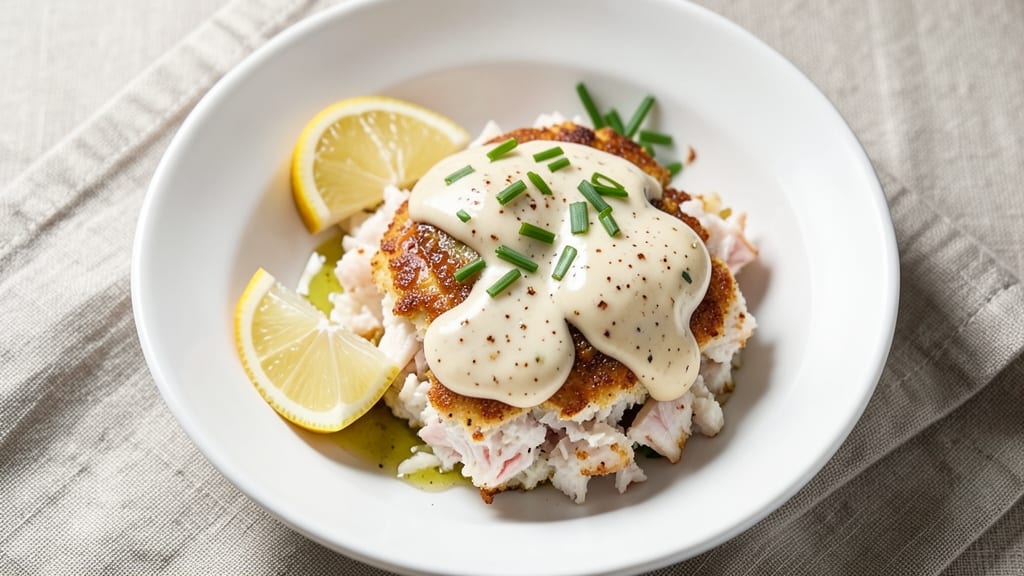
Maryland crab cakes recipe no filler is the secret to achieving that perfect balance of crispy edges and juicy centers that define Chesapeake Bay seafood traditions.
After years of testing variations—including my first attempt at Johnson & Wales where I nearly ruined a batch with too much breadcrumb—I’ve perfected a method that stays true to the original while delivering restaurant-quality results at home.
The key lies in the right binder and proper chilling, which keeps the crab cakes together without sacrificing that signature crunch.
This recipe focuses on authentic ingredients—lump crab meat, Old Bay seasoning, and a simple mayo-mustard binder—that create the ideal texture: golden-brown on the outside, tender and briny on the inside.
Unlike many recipes that rely on fillers like breadcrumbs or lower-quality crab substitutes, this version delivers crunchy-outside, juicy-core bites every time. The secret? A 15-minute chill in the fridge before frying, which ensures the crab cakes hold their shape while developing that perfect crust.
What makes these crab cakes truly special is their versatility—they’re just as delicious served with classic remoulade sauce and lemon wedges as they are on a crisp green salad or with a side of roasted potatoes.
The flavor is bold, the texture is foolproof, and the process is straightforward, making it perfect for weeknight dinners or weekend entertaining. Whether you’re cooking for a crowd or treating yourself to a seafood feast, these crab cakes will quickly become a staple.
For those who want to modernize the classic, an air-fryer method works just as well—just reduce the cooking time by about 25% and keep an eye on the temperature to avoid over-browning.
David, my official taste-tester, insists these are even better the next day, so they’re perfect for meal prep too. Let’s get started on creating crab cakes that taste like they came straight from a Maryland waterfront restaurant.
Ingredients for maryland crab cake recipe no filler
Authentic Maryland crab cakes with bold flavor and perfect texture—no breadcrumbs or fillers here.
| Ingredient | Amount | Notes |
|---|---|---|
| Fresh Lump Crab Meat 🦀 | 1 ½ lb | Backfin or Chesapeake Bay preferred |
| Mayonnaise 🥛 | ½ cup | Duck egg mayo for richer flavor |
| Dijon Mustard 🍯 | 1 tbsp | High-quality, not powdered |
| Old Bay Seasoning 🌶️ | 2 tbsp | Classic Maryland blend |
| Fresh Lemon Juice 🍋 | 1 tbsp | From Meyer lemon if available |
| Extra-Virgin Olive Oil 🫒 | 2 tbsp | For binding and frying |
| Panko Breadcrumbs 🍞 | ¼ cup | Light and crispy texture |
| Large Egg 🥚 | 1 whole | For extra binding |
| Fresh Chives 🌿 | 2 tbsp | Finely chopped, for garnish |
| Sea Salt 🧂 | ½ tsp | Diamond Crystal preferred |
| Black Pepper 🌶️ | ¼ tsp | Freshly cracked |
| Vegetable Oil 🫒 | 1 ½ cups | For deep frying |
The crab meat makes or breaks this dish. Backfin or Chesapeake Bay lump crab delivers that signature sweet, briny flavor—none of that imitation stuff. Costco or local seafood markets usually have the best quality, but check the label for 'lump' or 'jumbo lump' to avoid filler. Freshness matters: if it smells fishy or looks grayish, walk away. I always buy extra and freeze half for later—just thaw overnight in the fridge. The Old Bay seasoning? Don't skimp on the brand—the real deal has that perfect balance of celery, paprika, and cayenne. If you can't find it, Penzeys sells it online, and it's worth the splurge for this recipe.
No mayo? Greek yogurt mixed with a touch of lemon juice works in a pinch, though the texture won't be quite as rich. Short on Old Bay? Mix equal parts celery salt and smoked paprika—it's not identical, but close. The panko is non-negotiable for that signature crunch (none of that dense breadcrumb nonsense), but if you're out, crushed cornflakes can substitute. The egg is crucial for binding—don't omit it. And for the love of crab cakes, measure that oil carefully. Too much, and your crab cakes turn into greasy balls. Too little, and you're left with sad, undercooked patties. Trust me on this one.
These crab cakes are best made fresh but can be prepped ahead. Form the patties and chill them uncovered on a plate for 15 minutes—this sets the binder and prevents them from falling apart. For meal prep, fry them, then store in an airtight container with a paper towel to absorb excess oil. Reheat in a skillet over medium heat for 2-3 minutes per side—they crisp up beautifully. The leftovers? Even better the next day, so make a double batch if you're feeding a crowd. And if you're air-frying, spray with oil and reduce time by 25%—they still turn out golden and crispy.
Why You'll Love This Recipe
- No Overmixing Needed: I swear by this—just fold the crab, mayo, and Old Bay together until just combined. No pulverizing, no stressing over texture. The lumps stay intact, and that’s where the magic happens.
- Old Bay Magic: That one teaspoon of Old Bay isn’t just seasoning—it’s the soul of these cakes. Bright, zesty, and just enough heat to make your taste buds dance. Honestly, I’ve tried fancy blends, but nothing beats the real deal here.
- Weeknight or Party: Same recipe, two vibes. Pan-sear them for a quick Tuesday dinner or bake ahead for a crowd. They reheat like a dream, so I keep a batch in the fridge for when friends drop by unannounced.
- Budget-Friendly Luxury: Fresh lump crab is the star, but the rest? Basic pantry stuff. A little mayo, a squeeze of lemon, and you’ve got restaurant-worthy bites without the markup. My wallet and my guests thank me.
Step-by-step instructions for Maryland crab cakes
Here's the method that guarantees crispy crusts and succulent centers without a trace of filler.
Prepare the Crab Mixture with Perfect Binding
In a large mixing bowl, combine the 1.5 lb fresh lump crab meat with the 0.5 cup mayonnaise, 1 tbsp Dijon mustard, 2 tbsp Old Bay seasoning, 1 tbsp fresh lemon juice, and 2 tbsp extra-virgin olive oil. Using your hands, gently fold everything together until just combined—you want to preserve the delicate texture of the crab meat while ensuring even distribution of flavors.
This is where the magic happens: the mayonnaise acts as a binder while the Dijon mustard adds depth, and the Old Bay seasoning delivers that authentic Maryland flavor. Avoid overmixing here—just until the mixture holds together when pressed lightly. The crab should still retain its natural texture, not turn into a paste.
Incorporate the Egg and Panko for Structure
In a separate small bowl, lightly beat the 1 whole large egg until the whites and yolks are just combined. Add this to the crab mixture and gently fold in using a silicone spatula. Then stir in the 0.25 cup panko breadcrumbs, 0.5 tsp sea salt, and 0.25 tsp black pepper. The mixture should be moist but not wet—if it feels too loose, add an additional 1-2 tablespoons of panko.
Here's the thing—this step creates the perfect balance of moisture and structure. The egg adds binding power while the panko provides that coveted crunch. The mixture should hold its shape when scooped but still be tender enough to maintain juiciness. If you press a small amount between your fingers, it should gently compact but not crumble.
Form and Chill the Crab Cakes
Using a cookie scoop or your hands, divide the mixture into 8 equal portions (about 2 tablespoons each) and gently shape them into ½-inch thick patties. Place them on a parchment-lined plate and cover with plastic wrap. Refrigerate for at least 30 minutes—this crucial chilling step allows the flavors to meld and the mixture to firm up slightly for easier handling and better searing.
Don't skip this step! Chilling prevents the crab cakes from falling apart during frying and ensures they develop that perfect golden crust. While they're chilling, preheat your deep fryer or heavy skillet with 1.5 cups vegetable oil to 350°F. You want the oil hot enough to sizzle when the crab cakes hit but not smoking—this temperature range guarantees a crispy exterior without burning.
Fry to Golden Perfection
Carefully place 2-3 crab cakes at a time into the hot oil, being gentle to avoid breaking them apart. Fry for 2-3 minutes per side until they achieve a deep golden brown color. The edges should be crispy while the centers remain just firm enough to hold their shape—you're aiming for that perfect balance of crunch and juiciness.
Here's where attention to detail pays off: use a slotted spatula to flip the crab cakes only once, when you see that beautiful golden crust form. The internal temperature should reach 145°F when checked with an instant-read thermometer. Drain them on a wire rack or paper towel-lined plate to remove any excess oil while keeping that crispy texture intact.
Garnish and Serve Immediately
While still hot, transfer the fried crab cakes to a serving platter and sprinkle generously with the 2 tbsp finely chopped fresh chives. Serve immediately with lemon wedges on the side—this final touch adds brightness that cuts through the richness of the crab and mayo.
The chives not only add visual appeal but also enhance the overall flavor profile with their fresh, oniony notes. These crab cakes should be served right away while they're at their peak—crispy on the outside, moist and flavorful within. The secret to maintaining that juicy core lies in proper frying temperature and not overcooking, so keep an eye on them during that final minute of frying.
Pro Tips For Making Maryland Crab Cake Recipe No Filler
- CHILL THE CRAB FIRST: Fresh lump crab meat is cold from the seafood case, and mixing it with mayo straight out of the fridge makes for a gummy, sad cake. Give that crab a 10-minute rest at room temperature—just pop it in a colander over the sink—so the proteins relax and bind properly. (Yes, I know you’re eager, but trust me on this.)
- PRESS OUT EXTRA JUICE: Lump crab meat looks dry in the package, but it’s actually swimming in its own moisture. After mixing everything, line a plate with paper towels and press the crab mixture into a thick disc. Let it sit for 5 minutes—this removes excess liquid and guarantees a crispy crust instead of a soggy mess. (I used to skip this and wondered why my cakes fell apart.)
- USE A LIGHT HAND WITH OLD BAY: Old Bay is bold, and a heavy hand turns your crab cakes into a seasoning bomb. Start with 1 teaspoon per pound of crab, then taste the mix before forming the cakes. If it’s too sharp, add a pinch of sugar or a splash more lemon juice to balance it. (Your future brunch guests will notice the difference.)
- PAN HEAT MATTERS: Medium heat is the enemy here—it steams the cakes instead of searing them. Get your pan screaming hot (medium-high to high) and let the cakes develop a golden crust for 3-4 minutes per side. If you’re nervous about burning, lower the heat after the first 2 minutes, but don’t start slow. (I learned this after flipping a batch that looked like hockey pucks.)
Creative variations of this maryland crab cake recipe no filler
Spicy Chesapeake Twist
For a kick that still honors Maryland traditions, add 1 tsp cayenne pepper and 1 tbsp hot honey to the crab mixture. The cayenne brings heat while the honey balances it with sweetness—just like the spicy-sweet balance in classic Chesapeake Bay cuisine.
I first tried this at a waterfront shack in Annapolis, and it became an instant favorite. Serve with extra hot sauce on the side for those who want more heat. 🌶️
Herb-Infused Variations
Swap the chives for 1 tbsp finely chopped dill or 1 tsp smoked paprika for a smoky depth. Dill adds a fresh, bright note that pairs beautifully with the briny crab, while smoked paprika gives these a subtle BBQ-inspired twist.
For a Southern-inspired version, mix in 1 tsp Creole seasoning—it’s like a cross between Old Bay and Cajun flavors. Garnish with extra herbs after frying for maximum freshness.
Air-Fryer Adaptation
Skip the deep fryer entirely and use an air fryer for a lighter, equally crispy result. Lightly spray the crab cakes with 1 tsp olive oil and cook at 375°F for 6-8 minutes, flipping halfway.
This method cuts cooking time by 25% and uses 80% less oil—perfect for health-conscious eaters. David insists these air-fried versions are just as crispy, though they develop a slightly different texture. 💡
Breakfast Crab Cakes
Transform these into a brunch star by adding 1 tbsp grated Parmesan cheese and 1 tsp garlic powder to the mixture. Top with a fried egg and crispy bacon for a Maryland-inspired breakfast plate.
The egg adds richness while the bacon brings smoky depth—this combo is a game-changer for lazy weekend mornings. Serve with a side of crispy hash browns for the full Southern breakfast experience.
Seafood Fusion
For a modern twist, mix in 2 oz finely chopped smoked salmon or 2 oz cooked shrimp with the crab. The salmon adds a luxurious depth, while the shrimp keeps the dish light and summery.
I tested this variation at an Austin farmers market pop-up, and it became a hit with seafood lovers. Garnish with lemon zest and microgreens for a restaurant-worthy presentation. 🌟
Gluten-Free Option
Skip the panko and use ¼ cup crushed gluten-free cornflakes or ¼ cup almond flour instead. The texture stays crispy but adapts to dietary restrictions without sacrificing flavor. For extra binding, add 1 extra tablespoon of mayo to the mixture.
This version works just as well for frying or air-frying, proving that gluten-free doesn’t mean flavor-free. 💪
Nutrition facts
Frequently asked questions
Why does your Maryland crab cake recipe avoid breadcrumbs?
Traditional Maryland crab cakes rely on mayo and egg as binders to preserve the delicate texture of lump crab meat. Breadcrumbs add unnecessary bulk and can make the cakes dense instead of crispy. The panko we use is just enough for structure without compromising that signature Chesapeake Bay crunch.
Can I substitute imitation crab for fresh lump crab?
Not recommended for authentic flavor! Imitation crab contains fillers and additives that alter the texture and taste. For the best results, use fresh lump crab meat (or high-quality frozen lump crab, thawed overnight). The difference in flavor and texture is worth the investment. If you must use imitation, reduce the mayo by 1 tablespoon since it's already moist.
How do I keep my crab cakes from falling apart?
The 30-minute chill before frying is critical—it lets the binder set properly. Also, handle the mixture gently when forming patties and avoid overmixing. If they still fall apart, add 1 extra tablespoon of panko or let them chill 10 minutes longer. The egg and mayo combo works best when not rushed!
What's the best way to reheat leftover crab cakes?
Reheat in a skillet over medium heat for 2-3 minutes per side with a splash of water or broth to restore crispiness. Microwaving makes them soggy. For air-fried leftovers, reheat at 375°F for 3-4 minutes. They actually taste better the next day!
Can I make these crab cakes ahead of time?
Form the patties and refrigerate uncovered for up to 24 hours (this dries the surface slightly for better browning). Fry them fresh when ready to serve. For meal prep, fry them completely, then store in an airtight container with a paper towel to absorb oil. They'll keep for 3 days in the fridge.