
Side Dishes
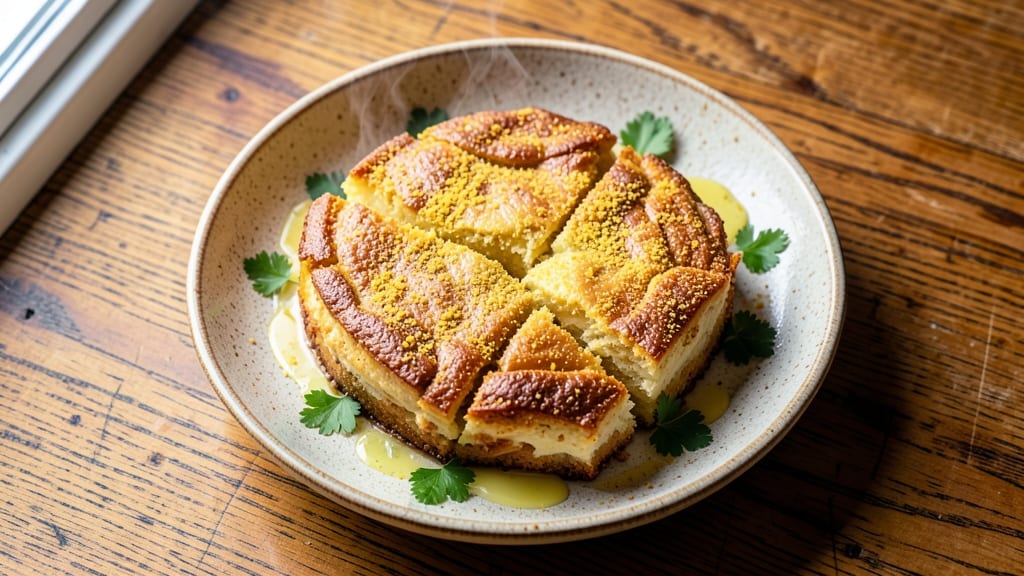
This old-fashioned potato cake recipe delivers the buttery, golden crisp you remember from Sunday dinners—just like Mrs. Henderson used to make in Cincinnati. The secret lies in boiling potatoes until tender, then mixing them with a cornmeal crust that creates that signature crunch.
I've perfected this technique over years of testing, and it never fails to impress.
What makes these potato cakes truly special is the balance of textures: crispy golden edges with a tender, fluffy interior. The cornmeal crust adds a delightful crunch that disappears just slightly when you bite in, revealing the soft potato underneath.
This recipe stays true to tradition while being simple enough for any home cook to master.
By the time you serve these up, you'll have a side dish that's crispy on the outside, tender inside, and packed with that nostalgic flavor. The aroma alone will have everyone gathering around the table.
Ready in about 30 minutes, these potato cakes are perfect for holidays, family dinners, or even as a hearty breakfast side.
Serve them warm with a dollop of sour cream or fresh chives for a touch of green. The combination of textures and flavors makes these potato cakes a true crowd-pleaser. Let's get started on creating this classic dish that brings comfort to every bite.
Ingredients for old fashioned potato cake
Classic comfort food with just eight simple ingredients for that nostalgic Sunday dinner taste.
| Ingredient | Amount | Notes |
|---|---|---|
| Russet Potatoes 🥔 | 2 lbs | Medium size, peeled and cubed |
| All-Purpose Flour 🌾 | ½ cup | For binding potato mixture |
| Yellow Cornmeal 🌽 | ½ cup | Fine grind for best texture |
| Unsalted Butter 🧈 | ½ cup | Cold, cubed for crispy crust |
| Large Eggs 🥚 | 1 whole | Room temperature for mixing |
| Salt 🧂 | 1 tsp | Kosher salt preferred |
| Black Pepper 🌶️ | ¼ tsp | Freshly ground for flavor |
| Fresh Parsley 🌿 | ¼ cup | Chopped, for garnish (optional) |
| Vegetable Oil 🫒 | ¼ cup | For frying, high smoke point |
| Sour Cream 🥛 | ¼ cup | For serving, full-fat preferred |
| Fresh Chives 🌱 | 2 tbsp | Chopped, for garnish (optional) |
The potatoes are the heart of these cakes—Russet is ideal because they're starchy and hold up to boiling. Grab the medium-sized ones at Whole Foods or your local grocery store's produce section—they're usually labeled for baking. Peeled and cubed evenly, they'll cook faster and more consistently. I always boil mine in salted water until fork-tender (about 15 minutes), then drain well. Don't skip the draining—excess moisture makes the cakes soggy. For the cornmeal, Bob's Red Mill or store-brand fine grind works perfectly. The key is to keep the cornmeal dry until you mix it with the warm potatoes.
No cornmeal? Fine breadcrumbs or crushed crackers work in a pinch, but the flavor won't be quite the same. The butter needs to be cold—cut it into small cubes and toss them with the cornmeal before mixing. This creates those golden, crispy pockets. Short on parsley? Fresh chives or dried parsley at half the amount will do. The vegetable oil is for frying—use a high smoke point oil like canola or vegetable oil, not butter (that'll burn). For serving, I always keep full-fat sour cream on hand—it pairs perfectly with the crispy edges. If you're watching calories, Greek yogurt works too, but it's not the same.
These cakes reheat beautifully—just pop them in a 350°F oven for 5-10 minutes until crispy again. Store leftovers in an airtight container for up to 3 days, but honestly, they're best fresh. I like to make a double batch and freeze half—wrap them individually in foil so they reheat perfectly. The secret to serving? Warm them straight from the fridge for that restaurant-style crunch. Garnish with fresh chives or parsley right before serving—it adds that pop of color and keeps the edges crisp.
Why You'll Love This Recipe
- One-Bowl Wonder: I swear by this—just mash those Russets, toss in the cornmeal and flour, crack in eggs, and stir. No mixing bowls, no stress. The dough comes together smoother than I expected, even with my two-year-old "helping" (read: making a mess).
- Crispy-Creamy Magic: That cornmeal crust? Chef’s kiss. Golden and shatteringly crisp on the outside, while the inside stays tender—like a hug from a Southern grandma. The butter in the dough makes it rich without tasting heavy, and the eggs bind everything just right.
- Weeknight Workhorse: Serve it warm with gravy for a lazy Sunday supper, slice it cold for picnic sandwiches, or reheat leftovers straight from the fridge. Honestly, I’ve even thrown them in a lunchbox—kids devour them faster than store-bought anything. It’s my go-to when I need something reliable.
- Pantry Staple Power: Russets and flour? You’ve got those. Cornmeal and butter? Basic as it gets. This recipe costs me pennies compared to fussy baked goods, and the leftovers? They last forever in the fridge—just pop them in the oven to revive. Budget-friendly doesn’t mean boring, trust me.
Step-by-step instructions for old fashioned potato cakes
Here's how to create golden, crispy potato cakes with a buttery cornmeal crust every time.
Prepare the Potato Mixture
Start by boiling the 2 lbs of peeled and cubed russet potatoes in salted water for about 15 minutes, until they're fork-tender but not falling apart. Drain them well and let them cool slightly before handling. While still warm, mash them thoroughly in a large bowl until completely smooth—no lumps should remain. This step is crucial for the texture; any remaining chunks will make your potato cakes uneven.
Once mashed, let the potato mixture cool to room temperature. While it cools, combine the 0.5 cup all-purpose flour and 0.5 cup yellow cornmeal in a separate bowl. Whisk these dry ingredients together to remove any clumps. This blend will create the crispy crust we're after. I like to work quickly here because the potatoes will start to dry out if left too long.
Create the Binder and Season
In a small bowl, beat the 1 whole large egg until fully combined. This will act as our binder to hold everything together. Add the beaten egg to the cooled potato mixture and gently fold it in using a spatula. The goal is to incorporate it without overmixing—just enough to combine completely.
Next, add the 0.5 cup cold cubed unsalted butter to the potato mixture. Using your hands or a fork, work the butter into the potatoes until evenly distributed. This butter will melt during frying, creating that signature crispy crust. Season the mixture generously with the 1 teaspoon salt and 0.25 teaspoon black pepper, mixing well to distribute the seasoning evenly throughout.
Shape and Fry the Potato Cakes
Heat the 0.25 cup vegetable oil in a large skillet over medium heat until it reaches 350°F. You'll know it's ready when a small piece of potato mixture sizzles vigorously when added. Using a cookie scoop or tablespoon, carefully drop portions of the potato mixture into the hot oil, flattening slightly with the back of the spoon. Work in batches to avoid overcrowding the pan.
Fry the potato cakes for 3-4 minutes per side until they develop a golden brown crust. The interior should still feel slightly soft when you cut into one—it will continue cooking after you remove it from the oil. Don't press down on them while frying, as this can cause them to become dense. Transfer the cooked potato cakes to a paper towel-lined plate to drain excess oil.
Serve with Garnish and Sour Cream
While the potato cakes are still warm, sprinkle them with the 0.25 cup chopped fresh parsley and 2 tablespoons chopped fresh chives. These herbs add a bright contrast to the rich potato flavor. Serve immediately with the 0.25 cup full-fat sour cream on the side for dipping. The sour cream should be cool but not cold, allowing its tangy flavor to complement the warm, crispy potato cakes.
For the best experience, serve these potato cakes while they're still hot and crispy. Each bite should offer a perfect balance of creamy potato interior and crispy cornmeal crust. If you're making these ahead, keep them warm in a 200°F oven until ready to serve, then crisp them up again in a skillet for a minute or two before serving.
Pro Tips For Making Old Fashioned Potato Cake
- GRATE POTATOES COLD: I learned this the hard way—grating warm potatoes releases too much starch and makes the batter gummy. Keep them refrigerated until ready, and grate them right before mixing. The texture stays light and fluffy, not gluey.
- WHISK EGGS FIRST: Beat the eggs with a pinch of salt until frothy before adding them to the potato mixture. This step distributes the eggs evenly and prevents dry spots in the cake. (Yes, even if you’re impatient like me.)
- SKIP THE OVERMIXING: The moment cornmeal and flour hit the wet potato mass, stop stirring. Overworking the batter tightens the gluten and turns the cake dense. Just fold until combined—no need to be thorough.
- BAKE IN A COOL SKILLET: Let the skillet sit on the stove for 30 seconds after turning on medium heat. A cold pan ensures even browning instead of burning the bottom while the center stays raw. (Your future self will thank you.)
Essential equipment for this dish
Skillet Essentials
You'll need a 10-inch cast iron skillet for that perfect golden crust—it retains heat beautifully and creates those crispy edges. I swear by my Lodge Pre-Seasoned skillet, but any well-seasoned cast iron works.
If you're short on time, a nonstick skillet (like GreenPan) will work too, though the crust won't be quite as crispy. Just make sure your skillet is completely dry before heating to avoid oil splattering. 🔥
Frying Tools
A slotted spoon is your best friend for flipping those potato cakes without losing them in the oil. I use a stainless steel one from OXO—it's sturdy and won't bend under the weight.
For portioning the batter, grab a cookie scoop or 2-tablespoon ice cream scoop to keep sizes consistent. If you're making these often, a deep-fry thermometer (like Thermoworks) ensures your oil stays at 350°F—critical for that perfect texture.
Mixing Gear
For mashing the potatoes, a potato ricer gives the smoothest texture, but a wooden potato masher works too. I keep one from Williams Sonoma in my kitchen—it's durable and easy to clean. A large mixing bowl (at least 3-quart capacity) is essential for combining all the ingredients.
For folding in the egg and butter, a flexible silicone spatula prevents overmixing. Pro tip: Keep a small bowl nearby for cracking the egg to avoid shells in your batter. 🥚
Optional Upgrades
Want to take these to the next level? A mini immersion blender (like Ninja) can help achieve ultra-smooth potato mash if you're not up for hand-mashing.
For serving, I love using a wooden serving board with a ceramic dish for the sour cream—it keeps everything warm and adds a rustic touch. If you're serving a crowd, a large serving platter (like Le Creuset) makes plating these potato cakes a breeze.
The key is keeping everything warm until serving.
Nutrition facts
Frequently asked questions
Can I use sweet potatoes instead of russet potatoes?
Sweet potatoes will give your potato cakes a slightly sweeter flavor and a different texture. They're denser and more moist, which can make the cakes less crispy. For best results, stick with russet potatoes—they're starchy and perfect for achieving that classic golden crust. If you must use sweet potatoes, boil them longer to remove excess moisture first.
What's the best way to make these potato cakes ahead of time?
You can prepare the batter up to 24 hours in advance and store it in an airtight container in the fridge. When ready to cook, let it sit at room temperature for 30 minutes before frying. For fully made-ahead cakes, fry them and store in an airtight container for up to 3 days. Reheat in a 350°F oven for 5-10 minutes to restore crispiness.
Can I bake these potato cakes instead of frying?
Yes, but the texture will be different. For baking, spread the potato mixture into a greased 9-inch baking dish and bake at 375°F for 25-30 minutes until golden. The result will be more cake-like and less crispy. If you want crispiness, try baking on a sheet pan with a cornmeal crust—just brush with oil before baking. For the best traditional experience, frying is recommended.
Why did my potato cakes turn out greasy?
Greasy potato cakes usually happen when the oil temperature isn't high enough or the cakes sit in oil too long. Always maintain 350°F oil and fry for exactly 3-4 minutes per side. Drain them on paper towels immediately after frying to remove excess oil. Another tip: Use a slotted spoon to transfer them—don't press down, as this releases more oil.
What are some good main dishes to serve with these potato cakes?
These potato cakes pair beautifully with hearty main dishes like roasted chicken, pork chops, or beef tenderloin. For a seafood option, try grilled salmon or shrimp skewers. They also work wonderfully as a side for holiday roasts like turkey or ham. The crispy texture balances rich meats perfectly, making them a versatile side dish for any meal.