Main Courses
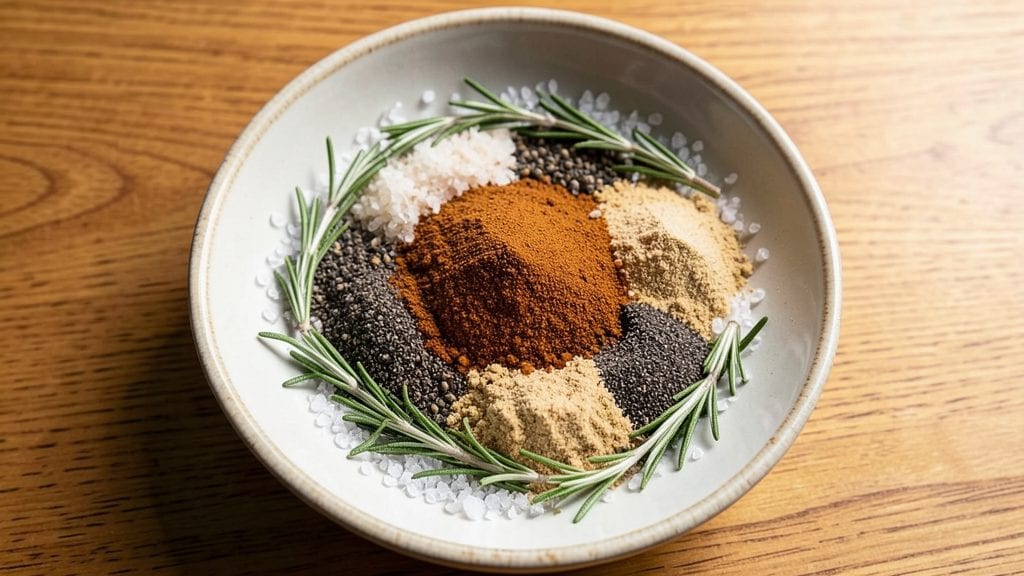
This beef tenderloin rub recipe transforms simple seasoning into a steakhouse-worthy crust that locks in moisture and amplifies natural beef flavors. The smoky garlic-herb blend creates a perfect balance of savory depth and aromatic complexity—ideal for grilling, roasting, or broiling.
I developed this mix after years of testing, ensuring every tablespoon delivers restaurant-quality results without overpowering the tender meat.
The secret lies in the precise ratio of coarse kosher salt to ground spices, which creates a flavorful bark while keeping the interior juicy. This dry rub requires just 6 ingredients—no liquids, no fuss—and works best when applied 1–2 hours before cooking to allow the flavors to penetrate.
Whether you're grilling for a special occasion or searing for weeknight dinners, this blend elevates every cut of beef tenderloin.
What sets this rub apart is its versatility—use it on whole tenderloin roasts, individual steaks, or even sliced medallions for consistent flavor. The smoky paprika and garlic powder create a rich crust, while dried herbs add subtle earthiness.
Store the mix in an airtight container for up to 3 months, making it a pantry staple for all your beef preparations.
The result? A perfectly seasoned, tenderloin with a crispy, flavorful exterior and a melt-in-your-mouth interior. This rub is the professional secret to transforming ordinary beef into an extraordinary centerpiece. Let’s get seasoning!
Ingredients for beef tenderloin rub
Six simple spices create restaurant-quality beef tenderloin crust every time.
| Ingredient | Amount | Notes |
|---|---|---|
| Coarse Kosher Salt 🧂 | 3 tbsp | Diamond Crystal preferred for even distribution |
| Smoked Paprika 🌶️ | 2 tbsp | High-quality Spanish smoked for depth |
| Garlic Powder 🧄 | 1 ½ tbsp | Freshly ground preferred for intensity |
| Dried Rosemary 🌿 | 1 tbsp | Finely chopped, organic if possible |
| Ground Black Pepper 🌶️ | 1 tbsp | Freshly cracked for maximum flavor |
| Onion Powder 🧅 | 1 tbsp | Finely ground for subtle sweetness |
The kosher salt is non-negotiable—Diamond Crystal dissolves beautifully and creates that perfect crust. I buy mine in bulk at Whole Foods or Costco to ensure freshness. For smoked paprika, La Boîte or Penzeys brands deliver that authentic smoky depth that cheap grocery store versions can't match. The garlic powder? Toast your whole garlic first if you're grinding it fresh—roast it at 350°F for 10 minutes to deepen those flavors. Rosemary should be finely chopped; if using whole sprigs, pulse them in a spice grinder for even distribution.
No smoked paprika? Regular paprika plus a pinch of liquid smoke works in a pinch (start with 1/4 tsp). Short on rosemary? Thyme or oregano at the same amount keeps the earthy vibe. The onion powder can be swapped for dried minced onion, but it won't be as fine. For a bolder kick, add 1/2 tsp cayenne pepper—trust me, it disappears into the beef beautifully. Store-bought rubs? They're convenient, but this blend beats them every time with its precise balance of salt and spices.
This rub keeps 3-6 months in an airtight container in a cool, dark place. I portion mine into small jars—one for the fridge (for quick access) and one in the pantry (for long-term). The salt is the only ingredient that might clump over time, so give it a quick stir before each use. Freeze portions for up to 6 months if you're not using it often. Pro tip: Spritz the beef with water before applying the rub—it helps the spices adhere better and creates that perfect crust.
Why You'll Love This Recipe
- Let’s talk truth: most beef leftovers are sad. Not this. The rub keeps the meat juicy and packed with flavor, so I can meal prep slices for salads or wraps all week. Honestly, the second day is when my kids actually ask for it—no complaints about "dry meat" here.
- Five-Ingredient Magic: I swear by this rub—just salt, smoked paprika, garlic powder, rosemary, and pepper. That’s it. No fancy prep, no measuring cups cluttering my counter, and the flavor? Chef’s kiss. The rosemary alone makes it smell like a holiday dinner, but it’s my weeknight shortcut.
- Smoky Depth Fast: The smoked paprika gives this rub a rich, almost charred edge that clings to the beef like a hug. I’ll be real: I’ve tried store-bought blends, but this combo—especially with that coarse kosher salt—cuts straight to the good stuff. No waiting for dry rubs to bloom; just mix, coat, and sear.
- Weeknight or Weekend Star: This rub works for everything. Grill it for summer BBQs, roast it for Sunday dinners, or even slice it thin for quick sandwiches. (Yes, even on a Tuesday night.) The garlic and rosemary hold up perfectly, so I keep a batch pre-mixed in my fridge—because why not?
Step-by-step instructions for beef tenderloin rub recipe
A perfect blend that transforms ordinary beef tenderloin into a steakhouse-worthy centerpiece.
Combine the Dry Ingredients Thoroughly
In a medium bowl, whisk together the 3 tablespoons coarse kosher salt and 2 tablespoons smoked paprika until uniformly distributed. The salt should look completely incorporated into the paprika, with no visible white flecks remaining. This step ensures even seasoning when applied to the meat.
Next, add the 1.5 tablespoons garlic powder and 1 tablespoon dried rosemary, mixing again until fully combined. The rosemary should be finely distributed—if you notice larger pieces, pulse them lightly with your fingers or a fork to break them down. This prevents uneven seasoning on the tenderloin's surface.
Incorporate the Remaining Seasonings
Add the 1 tablespoon ground black pepper and 1 tablespoon onion powder to the bowl. Stir with a silicone spatula or wooden spoon, pressing down gently to ensure all ingredients meld together. The mixture should now have a deep, aromatic smell—smoky from the paprika, herbal from the rosemary, and slightly sweet from the onion powder.
Here's the thing—don't rush this blending. Take 30 seconds to really work the spices together with your fingers, breaking up any clumps. The goal is a fine, cohesive powder that will cling perfectly to the beef's surface and create that coveted crust.
Test the Rub Consistency
Scoop a small amount of the mixture onto your palm and rub it between your fingers. It should feel like fine sandpaper—not gritty, but with noticeable texture. If it feels too coarse, pulse it briefly in a food processor or grind it with a mortar and pestle until smooth.
This texture check is crucial. A properly blended rub will adhere evenly to the tenderloin, creating a consistent crust rather than patchy seasoning. If you notice any large particles, return to the bowl and work them in thoroughly before proceeding.
Store for Optimal Freshness
Transfer the completed rub to an airtight container with a tight-sealing lid. I recommend a small glass jar with a silicone seal—it preserves the spices' freshness and makes portioning easy. Store in a cool, dark place (like your pantry) for up to 3 months for best flavor.
For maximum potency, use within 2 weeks of making. Freshly ground spices and herbs make all the difference in achieving that restaurant-quality crust on your beef tenderloin. The rub will keep indefinitely if frozen, but flavor degrades over time in the freezer.
Pro Tips For Making Beef Tenderloin Rub
- CRUSH THE ROSMARY FIRST: Dried rosemary is stubborn—give it a quick whack with a mortar and pestle (or zip-top bag + rolling pin) before mixing. This releases its oils so they actually stick to the meat instead of floating away when you sear it.
- SALT THE MEAT 40 MINUTES EARLY: Don’t just sprinkle salt right before cooking. Pat the tenderloin dry, then coat it generously with kosher salt and let it sit uncovered in the fridge for 40 minutes. This seasoning penetrates deeper and makes the crust crispier when you sear it.
- STEER CLEAR OF OVER-RUBBING: You want flavor, not a paprika dusting. After mixing the rub (1:1 salt-to-spices ratio), press it firmly but lightly into the meat—like you’re giving it a firm handshake, not a faceplant. Too much pressure = messy, uneven coating.
- USE A THERMOMETER—NOT GUESSWORK: Tenderloin’s safe at 125°F (medium-rare), but it’ll climb to 130°F while resting. If you pull it at 120°F, you’ll end up with a sad, dry slice. I learned this the hard way—now I rest it 10 minutes under foil before slicing.
Troubleshooting this recipe
Uneven Seasoning
If your beef tenderloin ends up with patchy seasoning, the issue is usually improper rub application or clumpy spices. First, ensure your rub is finely ground—no particles larger than 1/8 inch. I recommend using a mortar and pestle or food processor for 10 seconds to break down any clumps.
Before applying, pat the beef completely dry with paper towels—moisture prevents the rub from sticking evenly. Apply the rub in a thin, even layer, pressing gently to help it adhere. 🧂
Crust Too Thick or Burnt
A thick, charred crust happens when the rub is applied too generously or the heat is too intense. For a whole tenderloin roast, use about 2 tablespoons of rub per pound—this creates a flavorful crust without overpowering.
If grilling, maintain a consistent 450-500°F temperature and avoid direct flame exposure for more than 2-3 minutes per side. For broiling, watch closely—broilers can get much hotter than expected.
Rub Not Sticking
When the rub won't adhere, it's almost always a moisture issue. Always dry the beef thoroughly before applying—even a damp surface can prevent the spices from clinging. For extra grip, lightly mist the tenderloin with water or apple cider vinegar (just a spray bottle) before rubbing.
Let it sit for 5-10 minutes to dry slightly before cooking. Another trick? Chill the beef for 30 minutes before applying the rub—cold meat helps the spices stick better. ❄️
Flavor Too Mild
If your tenderloin tastes underseasoned, the rub might not have had enough time to penetrate the meat. For best results, apply the rub 1-2 hours before cooking—this allows the spices to meld into the surface.
If you're short on time, sprinkle the rub immediately before cooking and press it in firmly. For extra depth, let the seasoned beef rest at room temperature for 20-30 minutes before cooking. This also helps the crust form more evenly.
Rub Losing Potency
Stale spices are the #1 reason for weak flavor. Store your rub in an airtight container away from light and heat—glass jars with silicone seals work best. If the rub smells dull or tastes flat, it's time to remake it.
The smoked paprika and garlic powder lose potency fastest, so check those first. For long-term storage, freeze portions in ice cube trays—each cube makes a perfect single-use serving. 💫
Meat Too Dry
While the rub creates an amazing crust, overcooking can dry out the tenderloin. Use a meat thermometer to monitor internal temperature—remove from heat at 125°F for medium-rare and let it rest for 10-15 minutes before slicing. The resting period is crucial for redistributing juices.
If your tenderloin is particularly large, consider brining it for 30 minutes in a ¼ cup salt + 4 cups water solution before applying the rub—this adds moisture without affecting the crust.
Nutrition facts
Frequently asked questions
How much rub should I use for a whole tenderloin?
For a whole beef tenderloin, use about 2 tablespoons of rub per pound of meat. This creates a flavorful crust without overpowering the tender interior. For example, a 4-pound tenderloin would need roughly 8 tablespoons total. Apply evenly and press gently to help it adhere.
Can I make this rub ahead of time?
This rub keeps well in an airtight container for up to 3 months in a cool, dark place. For maximum freshness, use it within 2 weeks of making. The spices lose potency over time, so store it properly to maintain that restaurant-quality flavor.
Will this rub work on other cuts of beef?
Yes, this blend works beautifully on other tender cuts like filet mignon, ribeye, or strip steak. For thicker cuts, apply the rub 1-2 hours before cooking to let the flavors penetrate. For leaner cuts, reduce the amount slightly to avoid overpowering the natural beef taste.
How do I fix clumpy rub?
Clumps happen when spices aren't blended well. Use a mortar and pestle or pulse briefly in a food processor to break them down. For a quick fix, rub the clumps between your fingers before applying. Always store your rub in an airtight container to prevent moisture from causing future clumping.
Can I use this rub for smoking?
This rub is perfect for smoking! Apply it 1-2 hours before smoking to let the spices meld. For a whole tenderloin, smoke at 225-250°F until internal temp reaches 125°F for medium-rare. The smoky paprika will enhance the flavor and create a beautiful bark.