
Main Courses
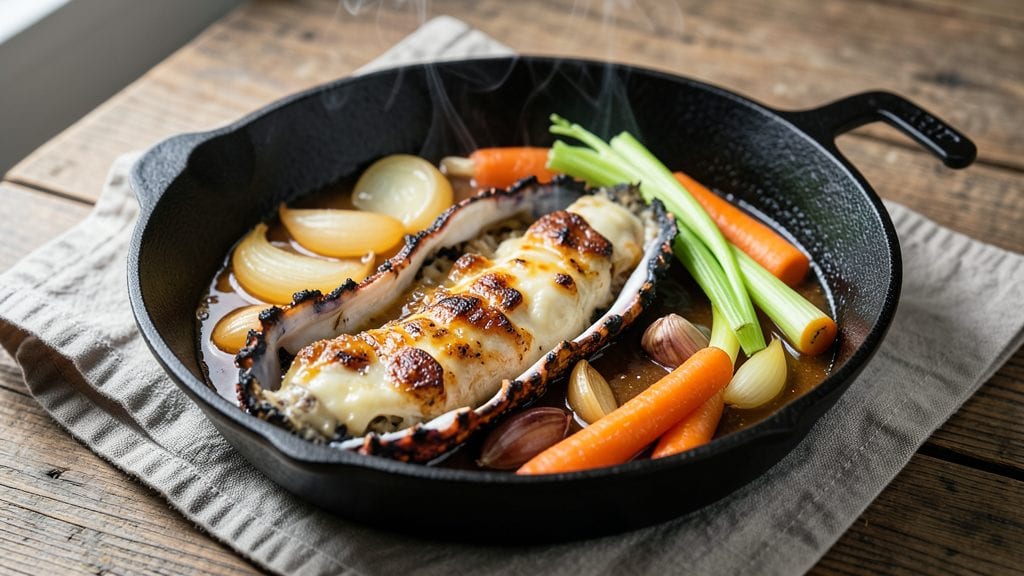
Transforming lobster heads into a creamy, briny bisque is one of those culinary secrets that turns waste into luxury.
After years of working with seafood professionals, I learned how to extract every last bit of flavor from what most people discard—starting with a simple boil to release the rich, sweet broth.
This recipe isn’t just about using the whole lobster; it’s about creating a dish so rich and comforting, it becomes the centerpiece of any seafood feast.
The process begins with carefully boiling the lobster heads to extract their natural sweetness, then simmering them with aromatic vegetables and a splash of white wine for depth.
What makes this bisque truly special is the velvety texture achieved by blending the cooked lobster meat directly into the broth—no heavy cream needed to achieve that signature creamy finish. The result is a soup that’s both elegant and approachable, perfect for impressing guests without sacrificing ease.
By the time you’re done, you’ll have a creamy, briny bisque that’s packed with tender lobster pieces, fragrant herbs, and just the right balance of saltiness. The aroma alone will have everyone gathered around the table, and the first spoonful delivers that luxurious mouthfeel we all crave.
This dish proves that sustainability and sophistication go hand in hand—no waste, just pure comfort.
Serve it with crusty bread to soak up every last drop, or pair it with a simple green salad to balance the richness. The beauty of this recipe is its versatility—it works as a starter or a main, depending on how you style it.
Let’s get cooking and turn those lobster heads into something extraordinary.
Ingredients for lobster head
Simple ingredients transform lobster scraps into a luxurious, briny bisque everyone will crave.
| Ingredient | Amount | Notes |
|---|---|---|
| Fresh Lobster Heads 🦞 | 4 whole | Shells cracked for broth release |
| Yellow Onion 🧅 | 1 whole | Medium size, chopped |
| Carrots 🥕 | 2 medium | Peeled and chopped |
| Celery Stalks 🌿 | 2 whole | Chopped, with leaves |
| Garlic Cloves 🧄 | 4 cloves | Peeled and smashed |
| Dry White Wine 🍷 | 1 cup | Sauvignon Blanc preferred |
| Lobster or Seafood Stock 💧 | 2 cups | Homemade or quality store-bought |
| Heavy Cream 🥛 | 1 cup | Full-fat for richness |
| Fresh Thyme 🌿 | ¼ cup | Stems removed, chopped |
| Fresh Parsley 🌿 | ¼ cup | Chopped for garnish |
| Butter 🧈 | 2 tbsp | Unsalted, for finishing |
| Salt 🧂 | 1 ½ tsp | Adjust to taste |
| Black Pepper 🌶️ | ½ tsp | Freshly ground |
| Crusty Bread 🍞 | 1 loaf | For serving |
| Lemon Wedges 🍋 | 2 whole | For serving |
The lobster heads are the star—look for fresh, bright red heads at seafood markets or specialty stores like Whole Foods. If you can't find them fresh, frozen works too (just thaw overnight). The white wine should be dry—no sweet Rieslings here. For the stock, homemade is ideal, but a quality lobster or seafood stock from Knorr or Pacific Foods will work in a pinch. The butter matters—use European-style unsalted for that rich, nutty flavor that carries through the bisque. I always grab extra lobster heads when they're on sale and freeze them for future batches.
No white wine? Dry vermouth or even apple juice in a pinch—just avoid sweet wines. Fresh herbs are ideal, but dried thyme at half the amount works if you're short. The carrots can be swapped for parsnips or sweet potatoes for a different twist. For a creamier texture without heavy cream, coconut milk works surprisingly well. If you're using frozen lobster heads, give them a quick rinse under cold water before boiling to remove any ice crystals. The crusty bread? Baguettes from Trader Joe's or any good bakery will do—just toast it before serving to keep it crisp.
This bisque tastes even better the next day—make a double batch if you can. Store leftovers in airtight containers in the fridge for 3-4 days. Freeze for up to 3 months by portioning into ice cube trays first, then transferring to a bag. The broth reduces beautifully, so don't be afraid to simmer it longer for deeper flavor. I always keep a pitcher of the broth on hand—it's perfect for rice, grains, or even a quick seafood pasta. The bread will stay fresh for 2-3 days if wrapped tightly in a towel.
Why You'll Love This Recipe
- Zero-Waste Magic: I swear by this—no part of the lobster goes unused. Those heads? Packed with flavor, simmered into a rich broth that turns scraps into something luxurious. (Yes, even the shells.)
- Garlic Bomb Flavor: The moment those cloves hit the pot with the lobster heads, your kitchen smells like a seafood shack. That deep, umami punch from the heads? It’s the kind of taste that makes you pause mid-bite.
- Weeknight to Fancy: Same simple prep—sauté onions, carrots, celery—then let the lobster heads work their magic. Serve it over rice for a quick weeknight meal or drizzle it over grilled fish for a dinner-party vibe. Honestly, it’s that adaptable.
- Broth for Days: Make a big batch, freeze half, and thank me later. This isn’t just a one-time flavor explosion—it’s your new go-to for soups, sauces, or even a cozy pasta. (My freezer’s full of it, and I’m not sorry.)
Step-by-step instructions for lobster head bisque
Here's how to transform those briny lobster heads into a velvety, comforting soup that tastes like a coastal hug.
Extract the Flavor-Packed Broth
Start by cracking the shells of all 4 whole fresh lobster heads with a heavy cleaver or rolling pin. You want to expose the meat inside while keeping the shells intact enough to hold their shape in the pot. Place the cracked shells in a large pot and add the chopped yellow onion, peeled and chopped carrots, chopped celery stalks with leaves, and smashed garlic cloves.
Add the 2 tablespoons butter and stir to coat the vegetables and lobster shells. Cook over medium heat for 5 minutes until the butter melts and the vegetables begin to soften. This step develops the base flavors that will infuse your bisque. Pour in the 1 cup dry white wine and scrape up any browned bits from the bottom of the pot—these contain concentrated flavor. Let the wine simmer for 3-4 minutes until mostly evaporated.
Build the Rich Foundation
Add the 2 cups lobster or seafood stock to the pot and bring everything to a gentle boil. Once boiling, reduce heat to medium-low and let it simmer uncovered for 30 minutes. This long simmer extracts all the sweet, briny essence from the lobster shells and vegetables. Skim off any foam that rises to the surface during this time to keep the broth clear.
After 30 minutes, strain the broth through a fine-mesh sieve into a clean pot, pressing gently on the solids to extract maximum flavor. Discard the solids. You should have about 2 cups of fragrant, golden broth. If you need more liquid, add a little water, but don't dilute too much or you'll lose intensity. Return the strained broth to the pot and keep it warm over low heat.
Create the Creamy Base
While the broth simmers, remove the lobster meat from the cracked shells. Pick through the shells carefully to extract all the tender meat. You should get about 1½ cups of lobster meat. Add the chopped fresh thyme and 1 teaspoon of the salt to the broth and let it steep for 5 minutes.
In a separate saucepan, gently warm the 1 cup heavy cream over medium-low heat until it's steaming but not boiling. This prevents it from curdling when added to the hot broth. Remove the thyme stems from the broth and add the warmed cream, stirring constantly. The soup should immediately take on a luxurious, velvety texture. Stir in the remaining ½ teaspoon salt and ½ teaspoon black pepper.
Finish with Lobster and Garnishes
Add the lobster meat to the pot and let it heat through for 2-3 minutes, just until warmed through. The lobster should be tender but still hold its shape—overcooking will make it rubbery. Taste and adjust seasoning if needed, remembering that the lobster meat is already quite flavorful. Remove from heat and let it sit for 5 minutes to allow the flavors to meld.
Ladle the bisque into bowls and garnish each serving with chopped fresh parsley and a lemon wedge. The bright acidity of the lemon cuts through the richness, while the parsley adds a fresh finish. Serve immediately with warm crusty bread for dipping—you'll want to soak up every last drop of that creamy, briny comfort.
Pro Tips For Making Lobster Head
- CRANK THE HEAT FIRST: Lobster heads release a ton of collagen—start your pot at a rolling boil to render out that rich, gelatinous goodness. I used to simmer gently, thinking it was "gentler," but the broth ends up thin and pale. Once you add everything, drop to a hard simmer (tiny bubbles, not a full boil) and walk away.
- CHOP VEGETABLES UNIFORM: Celery, carrots, and onions should be cut into ½-inch chunks—no smaller, no larger. Big pieces stew into mush; tiny pieces burn. My first attempt had uneven sizes, and the broth tasted like a mushy soup. A sharp knife and a steady hand make this the thing that matters most.
- STRAIN THE BROTH TWICE: After cooking, strain through a fine-mesh sieve first to catch big bits, then through cheesecloth for crystal-clear broth. I skipped the cheesecloth once and served a cloudy soup—regrets. If you don’t have cheesecloth, a clean kitchen towel works in a pinch.
- USE THE HEADS’ EYES: Don’t toss the eyeballs—they’re packed with flavor. Pop them out, crack the shells, and toss them in with the rest. I wasted them once, and the broth lacked depth. Sounds weird, but it works: those tiny organs add a briny, umami punch.
Make-ahead tips for this recipe
Broth Prep Ahead
Extract the lobster broth 24 hours ahead—it develops deeper flavor when chilled overnight. After simmering the shells, strain the broth into a clean container and refrigerate. The fat will solidify on top, making it easy to skim off before reheating.
I always double the batch and freeze half for future soups or sauces. 💫
Lobster Meat Extraction
Remove all lobster meat from shells right after boiling—it’s easiest when still warm. Store the raw meat in an airtight container with a splash of water to keep it moist. Keep it refrigerated for up to 2 days or freeze for 3 months.
This step saves time on the day you’re cooking. Honestly, this is where most home cooks skip ahead—and miss the best part!
Herb Infusion
Steep the fresh thyme in the broth overnight for maximum flavor extraction. Place the chopped thyme in a small jar, cover with broth, and refrigerate. Strain before reheating—this infusion adds a subtle, aromatic depth that’s worth the extra effort.
I’ve found that using Penzeys Spices dried thyme works too if fresh isn’t available.
Cream Temperature Control
Warm the heavy cream separately to 160°F before adding it to the hot broth—this prevents curdling. I use a thermometer for precision, but if you don’t have one, heat the cream until just steaming (about 5-7 minutes on low heat).
Stirring constantly is key to that silky texture we all crave. 🌡️
Make-Ahead Bisque
Assemble the bisque 1 day ahead—just hold off on adding the lobster meat until serving. Store the cream-infused broth in an airtight container in the fridge. When ready to serve, gently reheat the broth, stir in the reserved lobster meat, and finish with fresh parsley.
The flavors meld beautifully overnight, making this a perfect make-ahead dish for dinner parties.
Freezer-Friendly Tips
Portion the bisque into ice cube trays before transferring to freezer bags—this makes reheating individual servings effortless. Label with the date and thaw overnight in the fridge.
The texture holds up surprisingly well, though it may thicken slightly upon reheating. Add a splash of water or stock if needed to restore creaminess. ❄️
Nutrition facts
Frequently asked questions
Why should I use lobster heads instead of just buying lobster meat?
The shells contain incredible sweet, briny flavor that transforms into rich broth when simmered. Using the whole head gives you 30-40% more flavor than just the meat alone—plus it's a sustainable way to reduce food waste. The shells also add natural body to your bisque without needing heavy cream.
Can I substitute heavy cream with a lighter option?
Yes! For a lighter version, use 1 cup full-fat coconut milk or ½ cup Greek yogurt blended with ½ cup milk. The texture will be slightly different but still delicious. For dairy-free, coconut milk works best—just warm it to 160°F before adding to prevent curdling.
What if I can't find fresh lobster heads?
Frozen lobster heads work perfectly—just thaw them overnight in the fridge. If you only have lobster tails, you can still make the bisque by using 2 cups extra lobster stock and adding 1 cup cooked lobster meat (from tails) instead of extracting it from heads. The flavor will be slightly different but still rich and satisfying.
How do I know when the lobster meat is done in the bisque?
Lobster meat is perfectly cooked when it turns opaque and flakes easily with a fork—this takes about 2-3 minutes in the warm broth. Overcooking makes it rubbery, so remove it from heat as soon as it's tender. The meat should still hold its shape slightly when served.
Can I make this bisque spicy?
Add ½ teaspoon cayenne or 1 teaspoon hot sauce to the finished bisque, or stir in 1 chopped chipotle pepper with the thyme during simmering. For heat lovers, a dash of Tabasco or Sriracha on top works too. The creaminess balances the spice beautifully.