
Main Courses
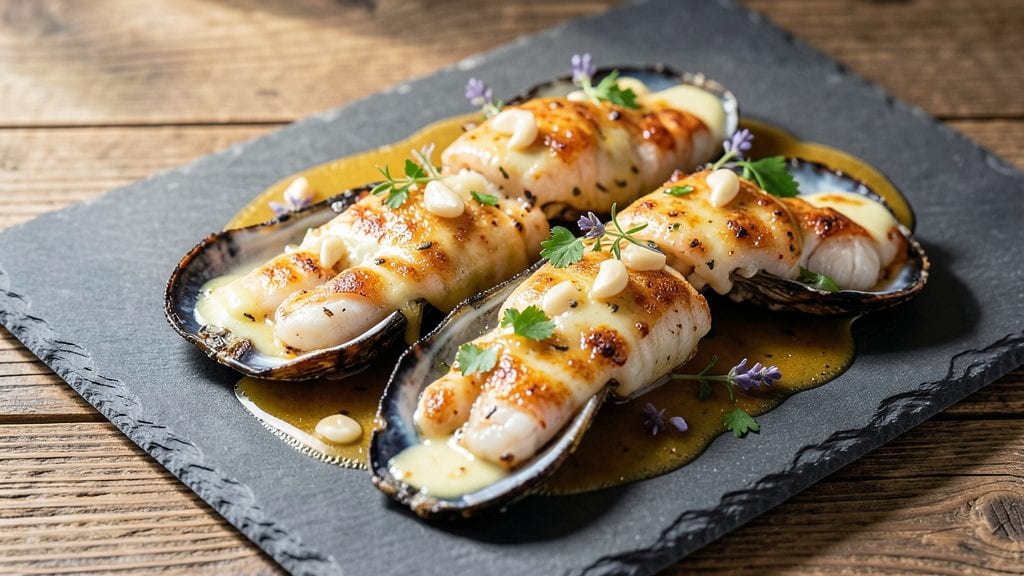
This butter lobster tail recipe turns a restaurant favorite into an elegant dish you can recreate at home with ease. The secret lies in slow, gentle cooking that preserves that signature succulent pink heart while creating a rich garlic-herb crust that seals in every drop of flavor.
After years of perfecting this technique, I’ve found the key is patience—letting the butter baste the lobster just enough to develop that golden crust without overcooking the delicate meat.
This recipe delivers restaurant-quality results with just five simple ingredients: fresh lobster tails, unsalted butter, garlic, fresh herbs, and a pinch of salt. The process takes about 20 minutes from start to finish, with most of that time dedicated to the gentle poaching that ensures tender, juicy meat every time.
No special equipment is needed—just a skillet and a little attention to detail to create that perfect balance of buttery richness and aromatic herbs.
What you’ll end up with is a plate that looks as impressive as it tastes: golden crusts encasing tender lobster hearts still glistening with pools of melted butter.
The garlic-herb crust adds a subtle depth of flavor that complements the natural sweetness of the lobster, making each bite feel like a celebration. This is the kind of dish that elevates any dinner from ordinary to extraordinary—ideal for special occasions or when you want to impress without the fuss.
The best part? Leftovers reheat beautifully, though I’ve never had any—this recipe is always devoured in one sitting. Serve with a crisp white wine and steamed vegetables for a complete seafood feast. Let’s get cooking to create lobster tails that taste like they came straight from a coastal bistro.
Ingredients for butter lobster tail
Five ingredients, two lobster tails, and a skillet—this is your ticket to restaurant-worthy butter lobster tails at home.
| Ingredient | Amount | Notes |
|---|---|---|
| Fresh Lobster Tails 🦞 | 2 whole | Live or previously frozen, thawed |
| Unsalted Butter 🧈 | ½ cup | Cold, cut into 1-inch pieces |
| Garlic Cloves 🧄 | 4 cloves | Minced, fresh preferred |
| Fresh Parsley 🌿 | ¼ cup | Chopped, stems removed |
| Fresh Thyme 🌿 | ¼ cup | Leaves only, finely chopped |
| Sea Salt 🧂 | ½ tsp | Fine grain preferred |
| Lemon Juice 🍋 | 1 tbsp | Freshly squeezed |
| White Wine 🍷 | ¼ cup | Dry, like Sauvignon Blanc |
| Olive Oil 🫒 | 1 tbsp | For skillet preheating |
Lobster tails are the star, so buy the best you can find. Whole Foods or local seafood markets usually have the freshest, but the frozen ones from Trader Joe's thaw beautifully too. Look for tails with that signature pink heart—if it's grayish, it's been overhandled. Thaw them overnight in the fridge if frozen, and pat them dry before cooking. The butter? European-style unsalted (like Plugrá) has more flavor than American brands—worth the splurge for this dish. And don't skip the fresh herbs: dried just won't cut it here.
No fresh parsley? Cilantro works in a pinch, though it has a different vibe. Out of white wine? Fish stock or extra lemon juice adds brightness. The garlic can be roasted for a sweeter touch—just toss whole cloves in olive oil at 400°F for 10 minutes. For extra richness, add 1 tbsp heavy cream at the end. And if you're feeling fancy, wrap the tails in proscuitto slices before searing. The salt is non-negotiable—it's what develops that perfect crust.
This dish is all about timing. Cook the lobster tails fresh, but prep ahead: chop herbs and measure everything. The butter basting is where the magic happens—keep it moving so it doesn't burn. Leftovers? Reheat gently in the microwave with a splash of water to keep them moist. Store in an airtight container for 1 day max—they're too good to last longer. And save those shells! Simmer them with wine and herbs for a quick lobster stock.
Why You'll Love This Recipe
- One-Pan Magic: The lobster tails roast right alongside the garlic butter—no basting, no fuss. I just slice the tails, toss them in a hot pan with butter and herbs, and let the oven do the work. Twenty minutes later, dinner’s ready, and my hands are clean.
- Buttery-Garlic Bliss: That first bite of tender lobster with crisp edges, swimming in rich, garlicky butter? It’s the kind of flavor that makes you pause mid-chew. The thyme and parsley brighten it just enough to keep it from being too heavy—like a hug from a fancy restaurant.
- Weeknight or Wow Night: This recipe works whether I’m feeding my family on a Tuesday or impressing guests for dinner. For a casual meal, I serve it over rice with a simple salad. For a fancier spread, I add a splash of white wine to the butter and garnish with lemon zest. No stress, all flexibility.
- Leftover Luxury: Here’s what sold me—leftover lobster tastes just as good reheated as it does fresh. I’ll save the extra tails for lobster rolls the next day or toss them into a pasta the day after. (Yes, even on a Tuesday night.) It’s the only seafood I don’t dread cooking too much of.
Instructions for butter lobster tails with garlic-herb crust
Here's how to create restaurant-worthy lobster tails with a golden crust and tender pink centers.
Thaw and Prep the Lobster Tails
If your lobster tails are frozen, transfer them to the refrigerator to thaw overnight. You want them completely thawed and at room temperature before cooking. Gently pat each tail dry with paper towels—this helps the butter crust adhere better and prevents steam from making the crust soggy.
Use kitchen shears to carefully cut along the top of each tail, about halfway through the shell. This creates a hinge that allows you to flip the meat easily without breaking it. Leave the tail meat attached to the shell—this keeps everything intact while cooking. Discard the shell pieces or save them for lobster stock later.
Create the Garlic-Herb Butter Mixture
In a small bowl, combine the cold, cubed unsalted butter with the minced garlic cloves, chopped parsley, chopped thyme, and sea salt. Use your fingers to work the mixture until it forms a thick, spreadable paste. The cold butter should hold the herbs together while still allowing them to infuse flavor.
This herb butter is what gives your lobster tails that signature crust and aromatic flavor. Don't skip the salt—it enhances all the flavors and helps create that perfect golden crust. If you're using fresh herbs, make sure they're finely chopped so they distribute evenly through the butter.
Sear the Lobster Tails
Heat a large skillet over medium heat and add the olive oil. Once the oil is shimmering, carefully place the lobster tails meat-side down in the pan. Cook for 2-3 minutes until the meat develops a golden crust on the bottom. You'll see the butter from the tail start to render out—this is normal and adds flavor to the pan.
While the tails are searing, take the garlic-herb butter mixture and press it firmly onto the top of each lobster tail. The heat from the pan will help the butter melt and create that beautiful crust. Don't press too hard or you'll end up with butter everywhere—just enough to coat the top evenly.
Finish with Wine and Lemon
Pour the white wine into the skillet and immediately tilt the pan to deglaze, scraping up all the browned bits from the bottom. This adds depth of flavor to your dish. Let the wine simmer for 1-2 minutes until it reduces by about half, creating a light sauce that will baste the lobster tails.
Carefully flip each lobster tail and add the lemon juice. The acidity brightens all the flavors and cuts through the richness of the butter. Cook for another 1-2 minutes on the other side, just until the garlic-herb butter on top is golden brown and bubbly. The internal temperature should reach 140°F—this ensures the lobster is cooked through but still maintains that perfect pink center.
Rest and Serve Immediately
Transfer the lobster tails to a serving platter and let them rest for 2-3 minutes. This brief resting period allows the juices to redistribute, keeping the meat moist and tender. Serve immediately with any pan sauce that's formed, drizzled generously over the top.
The result should be lobster tails with a crispy, golden garlic-herb crust on top and perfectly pink, tender meat underneath. Each bite should deliver a perfect balance of buttery richness, aromatic herbs, and bright lemon acidity. Enjoy while they're hot—this dish doesn't wait!
Pro Tips For Making Butter Lobster Tail
- Thaw Lobster Properly: If your lobster tails are frozen, don’t just toss them in warm water—that’s a fast track to rubbery meat. Instead, submerge them in cold water with a splash of vinegar (it helps tenderize) and let them thaw in the fridge overnight. I learned this the hard way after serving a batch that was still icy inside, and trust me, no one wants to chew through that.
- Salt the Shell First: Before you even think about butter, generously salt the inside of the lobster shell—especially if you’re using unsalted butter. The shell acts like a little flavor vault, and salting it early ensures every bite gets that briny depth. (Yes, even if you’re impatient like me, resist the urge to skip this.)
- Sear the Tail Side Down: Start the lobster tail shell-side down in the pan for a solid 2-3 minutes until it’s golden and crisp. This isn’t just for looks—it locks in moisture and builds a crust that keeps the butter from turning into a sad, greasy pool. After burning three batches, I finally figured out that patience here makes all the difference.
- Deglaze with Cold Butter: Once your garlic and thyme are fragrant, turn off the heat and immediately pour in cold butter. The sudden temperature drop stops the garlic from burning and creates a silky, emulsified sauce instead of a skillet full of browned bits. Sounds weird, but it works—your sauce will be smoother and richer.
Essential equipment for perfect results
Skillet Selection
Your choice of skillet makes all the difference for that perfect crust. I swear by a 10-inch cast iron skillet—like the Lodge Pre-Seasoned—because it retains heat evenly and creates the ideal sear.
For a lighter option, a well-seasoned stainless steel skillet (such as All-Clad) works too, but cast iron gives that extra caramelization. Avoid nonstick unless you're in a hurry—it won't develop the same crust.
Preheat your skillet over medium heat for 3-4 minutes before adding oil, ensuring it's hot enough to create that golden crust without burning the butter. 🔥
Temperature Control Tools
A meat thermometer is non-negotiable for lobster—it's delicate and overcooks in seconds. I use the ThermoWorks Dot because it's small, accurate, and has a built-in alert.
Insert the probe into the thickest part of the tail to monitor the internal temperature, aiming for 140°F—any higher and you risk a rubbery texture.
For the skillet, a kitchen thermometer (like OXO Good Grips) helps you maintain medium heat consistently, preventing flare-ups that can turn your butter into a sad, burnt mess.
Butter Prep Essentials
Cold butter is your secret weapon for that perfect crust. Use European-style unsalted butter (like Plugrá)—it has a higher fat content and richer flavor than American brands. Cut it into 1-inch cubes so it melts evenly without sliding off the tails.
A microplane comes in handy for mincing garlic and herbs finely, ensuring they distribute perfectly through the butter. I also keep a small offset spatula nearby to gently press the herb butter onto the lobster without tearing the delicate meat. ✨
Deglazing Tools
After searing, you'll need to deglaze with white wine to create that flavorful pan sauce. A fish spatula (like OXO Good Grips) is ideal—its flexible edge helps scrape up browned bits without damaging your skillet. For stirring the wine, a small silicone spatula prevents scratching the pan's surface.
Pro tip: Keep a small bowl nearby to catch any excess butter that renders out—it's perfect for basting the lobster tails later or saving for another use.
Resting and Serving
Resting your lobster tails is just as important as cooking them. Use a wooden serving board or heatproof platter to transfer them from the skillet—it adds a rustic touch and keeps them warm. A small ladle helps drizzle the reduced wine sauce over the top before serving.
For presentation, I like to garnish with extra fresh parsley and a lemon wedge using a microplane to zest some over the plate. The key is to serve immediately—lobster tails lose their magic when left sitting. 💫
Optional Upgrades
For a fancier touch, invest in a tongs set (like Mercer Culinary) to flip the lobster tails without breaking them. A small offset spatula also helps press the herb butter evenly.
If you're feeling extra indulgent, a lobster tail holder (available at seafood markets) keeps the meat secure while cooking. And for leftovers (though I rarely have any), a glass airtight container preserves the texture better than plastic.
The right tools make this dish feel like a true seafood bistro experience at home. 🦞
Nutrition facts
Frequently asked questions
How do I know when lobster tails are fully cooked?
Use a meat thermometer to check the internal temperature—it should reach 140°F for perfect doneness. The meat will turn opaque and pull away from the shell slightly. Never rely on color alone, as lobster can look cooked before it's fully done. Overcooking turns the meat rubbery, so keep an eye on the timer too!
Can I substitute white wine with something else?
Yes! If you don't have white wine, use fish stock, dry vermouth, or even extra lemon juice for acidity. The key is to deglaze the pan to capture those flavorful browned bits. Just reduce the liquid by half before adding it to the lobster. The wine adds brightness, but these alternatives work in a pinch.
What's the best way to reheat leftover lobster tails?
Reheat gently in the microwave with a splash of water for 20-30 seconds—this keeps them moist. Alternatively, warm them in a skillet over low heat with a pat of butter. Never microwave dry—it makes the meat tough. Leftovers are best enjoyed within 1 day for peak texture and flavor.
Why did my lobster turn gray instead of pink?
Gray lobster means it was overcooked or handled too much before cooking. Always buy tails with a vibrant pink heart and cook to 140°F internal temp. If using frozen tails, thaw them properly in the fridge—never at room temperature. Freshness is key for that signature color!
Can I make this recipe with frozen lobster tails?
Thaw them overnight in the fridge for even cooking. Pat them dry thoroughly before searing—this helps the butter crust adhere. Frozen tails work just as well as fresh when handled properly, but avoid thawing at room temperature to prevent bacterial growth.