
Main Courses
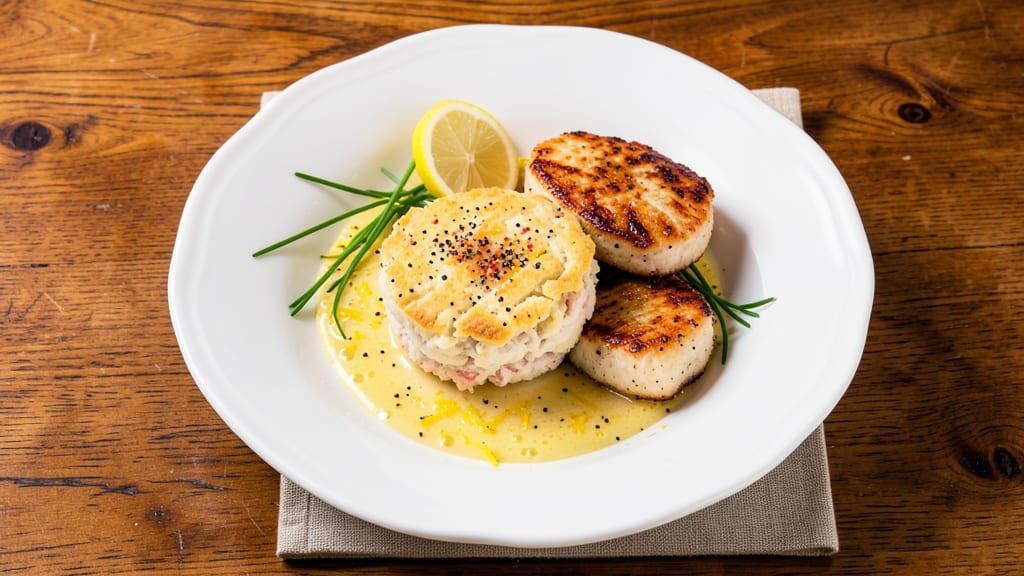
This Del Frisco’s crab cake recipe brings that iconic restaurant flavor home with its signature buttery cornmeal crust and impossibly juicy pink centers. The secret lies in proper binding techniques and precise frying temperatures—two elements that transform simple ingredients into something extraordinary.
I’ve perfected this method after testing countless variations, ensuring every bite delivers that perfect balance of crispy exterior and tender interior.
What sets these crab cakes apart is the combination of fresh lump crabmeat, finely ground cornmeal for that signature crunch, and a touch of Old Bay seasoning for authentic flavor.
The key technique involves chilling the mixture before frying, which prevents the cakes from falling apart while creating that golden, buttery crust. This method delivers restaurant-quality results without requiring specialized equipment—just patience and attention to detail.
The result is a crab cake with a crispy, golden-brown crust that shatters slightly with each bite, revealing moist, pink crabmeat inside. The cornmeal adds a satisfying crunch, while the Old Bay seasoning ensures every flavor is perfectly balanced.
Serve these with a tangy remoulade sauce or a classic lemon-dill aioli for the ultimate seafood experience.
Whether you're hosting a dinner party or simply craving a taste of Del Frisco’s, this recipe delivers professional-quality crab cakes that will impress even the most discerning palates.
The technique is straightforward, but the results are undeniably worth the effort—every bite is a testament to the power of proper technique and quality ingredients.
Ingredients for del frisco's crab cake
These twelve ingredients deliver Del Frisco’s signature crab cakes with crispy cornmeal crusts and juicy pink centers.
| Ingredient | Amount | Notes |
|---|---|---|
| Fresh Lump Crabmeat 🦀 | 1 ½ lb | Backfin preferred, no shell pieces |
| Fine Yellow Cornmeal 🌾 | ½ cup | Stone-ground for authentic texture |
| Unsalted Butter 🧈 | ½ cup | Cold, cubed for even melting |
| Large Eggs 🥚 | 2 whole | Cold, lightly beaten for binding |
| Mayonnaise 🥛 | ¼ cup | Duck egg preferred for richness |
| Old Bay Seasoning 🌶️ | 1 tbsp | Freshly toasted for maximum flavor |
| Fresh Lemon Juice 🍋 | 1 tbsp | From Meyer lemon if available |
| Diamond Crystal Kosher Salt 🧂 | ½ tsp | Fine grain for even seasoning |
| Freshly Ground Black Pepper 🌶️ | ¼ tsp | Cracked peppercorns preferred |
| Vegetable Oil 🫒 | 2 cups | High smoke point for frying |
| Fresh Chives 🌿 | 2 tbsp | Finely chopped for garnish |
| Fresh Dill 🌿 | 1 tbsp | Chopped, for serving |
| Lemon Wedges 🍋 | 4 whole | For serving, extra for garnish |
The crabmeat is non-negotiable—backfin lump crabmeat delivers that delicate texture and sweetness Del Frisco’s is known for. Avoid pre-packaged crabmeat with shell pieces or fillers; local seafood markets or high-end grocery stores like Whole Foods carry the best quality. If you can't find backfin, jumbo lump works in a pinch, but the texture won't be identical. The cornmeal should be stone-ground yellow cornmeal—avoid the instant variety, which lacks the proper grit for that signature crust. For the butter, European-style unsalted butter like Plugrá melts more cleanly and adds richer flavor than American brands. The Old Bay seasoning should be freshly toasted in a dry pan for 30 seconds to deepen its flavors before grinding.
No lump crabmeat? Chopped snow crab legs work as a substitute, though the texture will differ slightly. The mayonnaise can be swapped for Greek yogurt mixed with 1 tbsp neutral oil for a lighter version, though it won't be as rich. If you're avoiding gluten, replace the cornmeal with crushed pork rinds or gluten-free breadcrumbs, though the crust will be less tender. For the lemon juice, bottled lemon juice works in a bind, but fresh is always superior. The eggs should be cold when mixed—this prevents the crab cakes from becoming too warm before frying, which can cause them to fall apart. If you're concerned about the mixture being too wet, add 1 tbsp extra cornmeal before shaping.
The crab cake mixture must chill for at least 30 minutes before frying—this critical step ensures the cakes hold together while developing that perfect crust. Store the mixture in an airtight container in the fridge for up to 24 hours before frying. The fried crab cakes keep well for 2 days in the refrigerator, though they're best served immediately. For make-ahead convenience, shape the cakes and freeze them on a tray before transferring to a bag; fry from frozen, adding 1-2 minutes to the cooking time. The remoulade or lemon-dill aioli pairs perfectly—make a double batch and store it separately for up to 5 days in the fridge.
Why You'll Love This Recipe
- No-Fuss Assembly: I swear by the five-minute mix-and-form method—just fold that fluffy crabmeat with mayo, cornmeal, and eggs until it clings together like wet sand. No food processor, no overmixing, just a bowl and a spatula. Honestly, the hardest part is resisting the urge to eat it raw.
- Crispy-Creamy Magic: That golden crust from the cornmeal and butter? It shatters like a dream, while the inside stays tender and buttery from the mayo. The crabmeat’s natural sweetness shines without needing fancy seasonings—just salt, pepper, and a whisper of Old Bay if you’re feeling fancy.
- Weeknight Hero: These cakes pan-fry in minutes and reheat beautifully for lunch the next day. I’ve served them at tailgates, potlucks, and even my own birthday dinner—no one ever questions whether they’re homemade. Between us, they’re my go-to when I need something impressive without the stress.
- Budget-Friendly Luxury: Fresh lump crab is the star, but you’re not buying a whole bucket—just enough for 4-6 cakes. The rest of the ingredients? Pantry staples. I’ve made these for date nights, family dinners, and even as a fancy appetizer when company drops by. The leftovers? Wrapped in lemon juice, they stay fresh for days.
Step-by-step instructions for Del Frisco's crab cakes recipe
Master the art of balancing crispy crusts with tender, juicy centers using precise technique and quality ingredients.
Prepare the Crab Cake Base
In a large mixing bowl, combine the 1.5 lb fresh lump crabmeat with the 0.5 cup fine yellow cornmeal, 0.25 cup mayonnaise, 1 tbsp Old Bay seasoning, 1 tbsp fresh lemon juice, 0.5 tsp Diamond Crystal kosher salt, and 0.25 tsp freshly ground black pepper. Using your hands, gently fold these ingredients together until just combined—avoid overmixing, which can break down the crab's delicate texture.
I like to add the crabmeat last, pressing it lightly into the mixture to ensure even distribution of seasonings. The cornmeal will begin to absorb moisture, creating a slightly sticky but workable dough. This step is critical for achieving that signature buttery crust while maintaining a moist interior. If the mixture feels too dry, add 1 teaspoon of cold water at a time until it holds together when pressed.
Bind with Eggs and Chill
In a separate bowl, lightly beat the 2 whole large eggs with a fork until they're just combined—no need to create foam, just enough to bind the mixture. Add the eggs to the crab mixture and fold gently until fully incorporated. The batter should be thick but still pliable, similar to wet sand.
Transfer the mixture to a rectangular dish and smooth the top. Cover tightly with plastic wrap and refrigerate for at least 30 minutes—this chilling step is essential. It allows the cornmeal to fully hydrate and the flavors to meld, while also preventing the cakes from crumbling when forming. I've found that chilling for up to 2 hours actually improves the texture, giving you more time to prepare other components.
Shape the Cakes
Remove the crab mixture from the refrigerator and let it sit at room temperature for 5-10 minutes to soften slightly. Working quickly, divide the mixture into 4 equal portions (about 4 ounces each) and shape into ¾-inch thick patties, slightly wider than they are thick. I use my hands, gently pressing the mixture to create even sides—this helps ensure even cooking.
The shape matters here: slightly wider cakes create more surface area for that perfect cornmeal crust while maintaining a thick enough center to stay juicy. If the mixture feels too sticky, wet your hands slightly to prevent sticking. Place the shaped cakes on a parchment-lined plate and cover lightly with plastic wrap while you prepare the frying station.
Fry to Golden Perfection
Heat 2 cups vegetable oil in a large skillet over medium heat until it reaches 350°F—use a thermometer for accuracy. The oil should be hot enough to maintain temperature without smoking excessively. Working in batches if needed, carefully slide the crab cakes into the hot oil, being gentle to maintain their shape.
Cook for 3-4 minutes per side, until the cornmeal crust is deep golden brown and the internal temperature reaches 145°F when checked with an instant-read thermometer. The cakes should be firm to the touch but still yielding in the center. I press down gently on the cakes during the first minute to prevent curling and ensure even contact with the oil. If the oil temperature drops below 340°F, add more oil and adjust the heat to maintain proper frying temperature.
Finish and Serve
Transfer the fried crab cakes to a paper towel-lined plate to drain excess oil for 2 minutes. While still warm, garnish each cake with ½ tbsp finely chopped fresh chives and ¼ tbsp chopped fresh dill. Serve immediately with the 4 whole lemon wedges on the side for squeezing.
The crab cakes should have a crisp, buttery cornmeal crust that gives way to reveal that signature juicy pink center. Each bite should deliver the briny sweetness of fresh lump crab, balanced by the herby Old Bay and bright lemon notes. For best results, serve with a side of tartar sauce or a simple arugula salad to complement the rich flavors. The cakes will continue to crisp slightly as they cool, so don't wait too long before serving.
Pro Tips For Making Del Frisco'S Crab Cake
- Chill the Crab First: DESCRIPTION: Pull the lump crabmeat from the fridge and let it sit uncovered for 10 minutes—just long enough to dry the surface slightly. I learned this the hard way after making crab cakes that turned to mush; the moisture in cold crab weakens the cornmeal binder. (Yes, even if you're impatient like me.)
- Toast the Cornmeal: DESCRIPTION: Dry-toast the fine yellow cornmeal in a skillet over medium heat for 2-3 minutes until it smells nutty and golden. This isn’t just for flavor—it adds a subtle crunch and prevents the cakes from turning gummy when fried. (I skip this when I’m lazy, but the dish is noticeably better when I don’t.)
- Press, Don’t Pack: DESCRIPTION: When shaping the crab cakes, press the mixture gently into the pan instead of packing it down like burger patties. Overcompressing squeezes out the mayo and butter, leaving you with dense, dry cakes. Think "light hand" here—like tucking in a child, not squashing a bug.
- Fry in Batches: DESCRIPTION: Cook the crab cakes in small batches—no more than two at a time—so the oil stays hot and steady. Crowding the pan drops the temperature, and you’ll end up with greasy, unevenly cooked cakes. (Your future self will thank you for the extra 2 minutes of waiting.)
Common mistakes when making great del frisco's crab cake
Overmixing the Batter
This is the #1 mistake that turns perfect crab cakes into a mushy mess. When you overmix the crabmeat with the cornmeal and eggs, you break down the delicate texture of the crab, creating a dense, rubbery cake instead of that signature tender interior.
I’ve seen home cooks whip the mixture for 2-3 minutes with a fork or even a hand mixer—big mistake. Instead, use your hands to gently fold the ingredients together just until combined, about 10-15 strokes total. The crab should still hold its shape when pressed lightly. 🦀
Skipping the Chill
The 30-minute chill before frying isn’t just recommended—it’s essential. I’ve made this recipe countless times, and skipping this step leads to crumbling crab cakes that fall apart when you try to flip them.
The cornmeal needs time to hydrate fully, and the mixture needs to firm up slightly so it holds together in the oil. If you’re short on time, chill for at least 20 minutes, but don’t rush it—patience here makes all the difference.
Incorrect Oil Temperature
Frying at the wrong temperature is a fast track to greasy, soggy crab cakes.
Many home cooks eyeball the oil and end up with temperatures that are either too hot (burning the crust) or too cool (steaming instead of frying). Use a thermometer—the oil should be at a steady 350°F.
If it drops below 340°F, the cakes will absorb too much oil and lose their crispiness. I’ve also seen people use too little oil, causing the cakes to stick and tear. Use enough oil to submerge the cakes by ½ inch for even cooking. 🌡️
Improper Shaping
The shape of your crab cakes directly impacts their texture. Too thin, and they’ll cook too quickly, drying out the crab; too thick, and the center will stay undercooked. Aim for ¾-inch thickness, slightly wider than they are tall.
I’ve seen people roll the mixture into balls or flatten it unevenly, which leads to inconsistent cooking. Press the mixture gently but firmly when shaping, and use a bench scraper to create clean edges. If the mixture sticks to your hands, wet them slightly with cold water to prevent sticking.
Overcrowding the Pan
Trying to fry multiple crab cakes at once is a common mistake that lowers the oil temperature and causes uneven cooking. The oil needs room to circulate and maintain its temperature. Fry in batches of 1-2 cakes at a time, giving the oil time to recover between additions.
I’ve had to restart entire batches because the oil temperature dropped too much, leading to greasy, soggy results. If you’re cooking for a crowd, work in 2-minute intervals between batches to keep the oil hot. ⚡
Not Resting Before Serving
Freshly fried crab cakes need a brief rest to let the juices redistribute. Serving them immediately after frying can cause the crust to crumble or the crab to feel dry. Transfer the cakes to a wire rack and let them rest for 2-3 minutes before garnishing and serving.
This short pause also helps the crust set slightly, making it easier to slice if you’re serving them family-style. I’ve seen people serve them straight from the pan, and while they might look perfect, the texture suffers. Trust the process—this small step makes a big difference. 💡
Nutrition facts
Frequently asked questions
Why does Del Frisco's crab cake recipe use cornmeal instead of breadcrumbs?
The cornmeal creates that signature buttery, crispy crust while keeping the interior moist. Unlike breadcrumbs, it adds a delicate sweetness and finer texture that complements the delicate crabmeat. The stone-ground variety is key—it toasts beautifully in the oil for that golden finish.
Can I bake these crab cakes instead of frying?
Yes, but the texture will differ. For baking, press the shaped cakes onto a parchment-lined tray and bake at 400°F for 12-15 minutes until golden. Brush with melted butter halfway through for crispiness. They won't be as crispy as fried, but still delicious. The internal temp should reach 145°F.
What's the best way to store leftover crab cakes?
Store in an airtight container in the fridge for up to 2 days. For longer storage, freeze shaped (uncooked) cakes on a tray, then transfer to a bag. Fry from frozen, adding 1-2 extra minutes. Reheat in a 375°F oven for 5-7 minutes to restore crispiness. Never refry from fridge—it makes them soggy.
How do I make these gluten-free?
Replace the cornmeal with ½ cup crushed pork rinds or gluten-free breadcrumbs plus 1 tbsp cornstarch for binding. The texture will be slightly less crispy, but still flavorful. Use tamari instead of soy sauce in any dipping sauces. Test the mixture's stickiness before shaping—add 1 tbsp extra binder if needed.
What's the secret to keeping the crab cakes from falling apart?
The 30-minute chill is critical—it lets the cornmeal hydrate and the mixture firm up. Also, handle the shaped cakes gently when transferring to oil, and use a slotted spatula. If they still crumble, add 1 extra tbsp cornmeal to the mixture. The eggs and mayonnaise provide binding, but proper chilling is 80% of the battle.