
Side Dishes
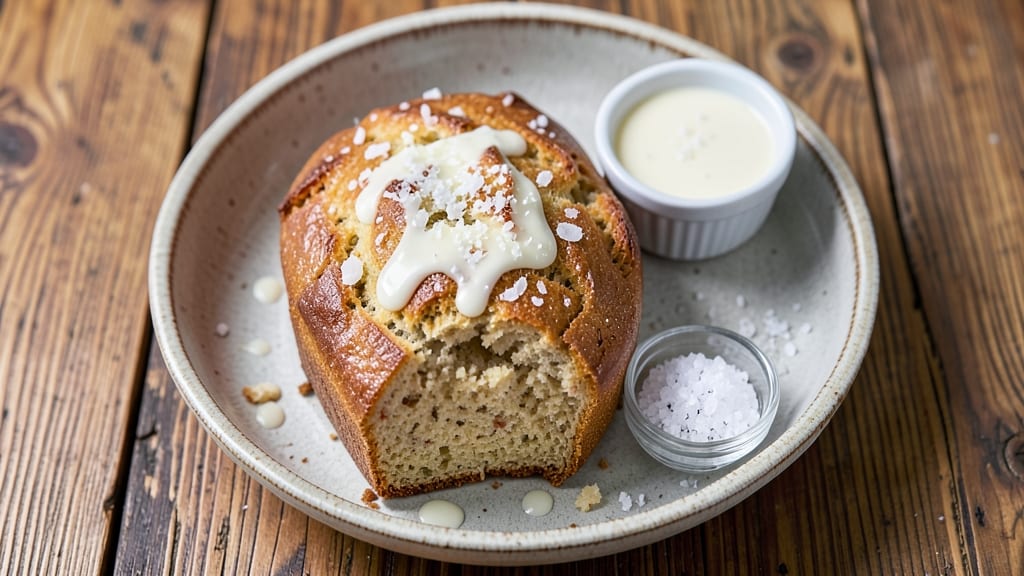
Ina Garten's soda bread recipe transforms a simple pantry staple into a buttery, no-knead loaf with a crisp crust and tender crumb—no yeast, no fuss, just pure comfort. The secret lies in buttermilk's tang and a touch of vinegar, creating that signature zing that sets this bread apart.
I've perfected this method over years, and it never fails to impress with minimal effort and maximum flavor.
What makes this recipe truly special is its approachability—no kneading, no waiting for yeast to rise, just mix, shape, and bake. The coarse salt and buttermilk create a crust that's both rustic and elegant, while the vinegar adds a subtle tang that balances the richness.
This bread is perfect for pairing with soups, butter, or jam, making it a versatile addition to any meal.
The result is a loaf with a golden, crackly crust and a soft, slightly dense interior that's ideal for slicing thick. The aroma alone will fill your kitchen with warmth, and the taste is pure, unadulterated comfort.
Whether you're serving it at a holiday gathering or enjoying a quiet afternoon, this bread delivers restaurant-quality results with ease.
Ready in just 30 minutes, this recipe is ideal for weeknight dinners or meal prep. The no-knead method means less work and more time to enjoy the process. Here's how to make it perfect every time.
Ingredients for ina garten soda bread
Pantry staples meet rustic charm in this buttery, tangy loaf—no yeast, no kneading, just pure comfort.
| Ingredient | Amount | Notes |
|---|---|---|
| All-Purpose Flour 🌾 | 3 ½ cups | Sifted for even texture |
| Buttermilk 🥛 | 1 ½ cups | Room temperature preferred |
| Unsalted Butter 🧈 | ½ cup | Cold, cubed for crust |
| White Vinegar 🍶 | 1 tbsp | Distilled for tang |
| Coarse Sea Salt 🧂 | 1 ½ tsp | Kosher or Maldon preferred |
| Granulated Sugar 🍚 | ½ tsp | Balances acidity |
| Baking Soda 🧪 | 1 tsp | Freshly opened |
| Cornmeal 🌽 | ¼ cup | For pan coating |
The flour is the foundation—King Arthur or White Lily yield the best texture. Buttermilk should be room temperature for even mixing; cold buttermilk creates dense bread. For the butter, Plugrá or Land O'Lakes unsalted work perfectly—cold cubes create that signature crackly crust. Vinegar adds the signature tang; apple cider vinegar works but lacks the sharp bite of white. Coarse sea salt is non-negotiable—Maldon flakes dissolve beautifully into the dough while adding visual appeal. If you're short on baking soda, baking powder at double the amount can substitute in a pinch, though texture may vary slightly.
No buttermilk? Mix 1 cup milk with 1 tbsp lemon juice or vinegar and let sit 5 minutes. Short on coarse salt? Fine sea salt at 1.5 times the amount works, though texture won't be identical. The sugar can be swapped for honey or maple syrup at half the amount, though it adds moisture. For a gluten-free version, King Arthur gluten-free flour blend works well—just add 1 extra tbsp of xanthan gum. The cornmeal is optional but creates a stunning crust; semolina works beautifully too.
Store wrapped in a clean kitchen towel for 2 days to maintain freshness. For longer storage, freeze the loaf 3 months—wrap tightly in plastic and foil. Reheat slices in a 350°F oven for 5 minutes to restore crispiness. This bread reheats beautifully; toaster method works too for quick servings. Leftovers make perfect toast—butter and jam pairings are a must.
Why You'll Love This Recipe
- No-Knead Magic: I swear by this—just mix, shape, and bake. The vinegar and buttermilk do all the work while I’m still deciding what’s for dinner.
- That Tangy Crust: The coarse sea salt and buttermilk create this addictive contrast: soft, pillowy inside with a crust that’s crisp enough to snap. Honestly, it’s the kind of bread that disappears in minutes.
- Weeknight Hero: Toss it in the oven while you prep soup or roast veggies—it’s done before the timer goes off. My go-to for lazy nights when I still want something feels special.
- Pantry Staple: Uses what you already have (hello, butter and flour) and keeps for days. I freeze slices for toast or sandwiches—no waste, no fuss, just reliable good bread.
Step-by-step instructions for ina Garten's soda bread
This classic no-knead loaf delivers a tender crumb and crispy crust with minimal effort.
Prepare the Buttermilk Mixture
In a large mixing bowl, combine the 1.5 cups buttermilk, 1 tablespoon white vinegar, and 0.5 teaspoon granulated sugar. Stir gently and let the mixture sit for 5 minutes—you'll see it thicken slightly as the vinegar reacts with the buttermilk. This tangy base is the secret to that signature soda bread flavor.
While waiting, sift the 3.5 cups all-purpose flour and 1.5 teaspoon coarse sea salt together into the same bowl. The sifting removes lumps and ensures an even distribution of salt throughout the dough. Add the 1 teaspoon baking soda and mix briefly with a wooden spoon until just combined—overmixing develops gluten, which can make the bread dense.
Cut in the Cold Butter
Add the 0.5 cup unsalted butter, cut into small cubes, to the flour mixture. Using your fingers or a pastry cutter, work the butter into the dough until it resembles coarse crumbs with pea-sized butter pieces scattered throughout. The cold butter creates pockets of steam during baking, resulting in that signature tender crumb.
Here's the thing—don't overwork the dough. Just until the butter is evenly distributed and no large clumps remain. If the mixture looks too dry, add 1 tablespoon buttermilk at a time until it holds together when pressed. The dough should be shaggy but manageable, not sticky or crumbly.
Shape and Prepare the Loaf
Turn the dough onto a lightly floured surface and gently shape it into a round loaf about 8 inches in diameter. Don't press too firmly—this bread relies on its rustic texture. Place the shaped dough on a parchment-lined baking sheet and sprinkle the 0.25 cup cornmeal evenly over the top. The cornmeal creates a crispy crust and prevents sticking.
Use a sharp knife to make a ½-inch deep cross on the top of the loaf, cutting almost to the bottom. This traditional mark allows steam to escape during baking, preventing a dense center. Cover the loaf loosely with plastic wrap and let it rest at room temperature for 30 minutes while you preheat your oven.
Bake to Golden Perfection
Preheat your oven to 375°F. Once preheated, bake the loaf for 40-45 minutes until the top is deep golden brown and sounds hollow when tapped on the bottom. The internal temperature should reach 190°F—this ensures a fully baked center without drying out the crust.
I know it's tempting to open the oven early, but resist the urge. The bread needs that steady heat to develop its signature crust. When done, transfer the loaf to a wire rack and let it cool for at least 20 minutes before slicing. This resting period allows the crumb to set properly and prevents a gummy texture.
Serve Warm for Maximum Enjoyment
Slice the bread while still warm for the best texture—each piece should reveal an open, airy crumb with those signature buttery pockets. The crust should be crisp yet tender, with just the right amount of chew. Serve immediately with butter, jam, or alongside soups and stews for dipping.
Real talk: This bread tastes even better the next day when the crust has fully set. Store leftovers wrapped in a cloth bag at room temperature for up to 3 days, or freeze slices for quick toast later. The buttery aroma alone will have you reaching for seconds.
Pro Tips For Making Ina Garten Soda Bread
- MEASURE THE BUTTERMILK PRECISELY: I learned this the hard way—using "about a cup" of buttermilk instead of the exact 1 1/4 cups called for makes the dough too stiff. The recipe relies on that tangy liquid to create the perfect crumb, so grab a proper measuring cup (not the one you eyeball for cereal) and fill it to the brim. Trust me, your bread will rise better and taste lighter.
- LET THE DOUGH REST 10 MINUTES: After mixing, resist the urge to jump straight to baking. Give that dough a solid 10-minute rest at room temperature—this lets the gluten relax and the butter soften just enough for a tender crumb. I used to skip this, and the bread would turn out dense and chewy. It’s not a long wait, and it makes a real difference.
- DON’T OVERMIX THE FLOUR: Once you add the flour, stop stirring the second everything comes together. Overmixing develops too much gluten, and your bread will end up tough instead of tender. The dough should look shaggy but cohesive—like wet sand. I’ve ruined batches by turning them into bread dough instead of soda bread, so keep your hands out of it after that first mix.
- USE COLD BUTTER FOR CRUST: Cut that unsalted butter into small cubes and let them sit in the fridge while you mix the rest. When you fold them into the dough, they’ll melt just enough to create steam during baking, giving you that golden, crackly crust. I was skeptical until I tried it—now it’s non-negotiable for me. No shortcuts here.
Perfect pairings for this recipe
Classic Butter Pairings
Nothing elevates this soda bread like European-style cultured butter—I reach for Plugrá or Kerrygold for their rich, slightly tangy flavor. Spread a thick slice with ½ cup softened butter and let it melt slightly for that perfect balance of richness and texture.
For extra indulgence, mix in 1 tsp honey or 1 tbsp jam before spreading. 🧈
Jam and Preserve Combinations
This bread's mild sweetness pairs beautifully with fruit preserves. Try raspberry jam for a classic combo or blackberry preserve> for a deeper flavor. For something unexpected, spread with fig jam> and top with a sprinkle of flaky sea salt>.
I also love pairing it with apple butter>—the spiced warmth complements the bread's tangy crust.
Soup and Stew Pairings
Serve warm slices alongside hearty soups like Irish stew> or New England clam chowder>. The bread's crust soaks up the broth beautifully while its tender crumb holds up to rich flavors.
For lighter options, pair with tomato basil soup> and a drizzle of balsamic glaze>. The contrast between the warm bread and cool soup creates the perfect bite. 🍲
Cheese and Charcuterie Boards
Add this bread to charcuterie spreads with aged cheddar>, brie>, or goat cheese>. The buttery texture balances sharp cheeses while complementing milder varieties. Pair with prosciutto> or salami> and a drizzle of olive oil>.
For a sweet-savory twist, include blue cheese> with honey> and walnuts>. The bread's neutral flavor makes it the perfect canvas.
Coffee and Tea Pairings
Enjoy warm slices with your morning black coffee> or earl grey tea>. The bread's subtle tang cuts through coffee's bitterness while enhancing tea's floral notes. For a dessert twist, serve with chai latte> and a dollop of whipped cream>.
The buttery crumb pairs surprisingly well with spiced chai>, creating a cozy, satisfying bite. ☕
Breakfast and Brunch Ideas
Transform this bread into a breakfast star by toasting slices and topping with scrambled eggs> and crispy bacon>. The bread's sturdy texture holds up to runny yolks while its crust adds satisfying crunch.
For a sweet brunch, serve with Greek yogurt>, granola>, and fresh berries>. The buttermilk base makes it a perfect vessel for both sweet and savory toppings.
Nutrition facts
Frequently asked questions
Why does Ina Garten's soda bread use vinegar?
The 1 tablespoon white vinegar reacts with the buttermilk to create a subtle tang that brightens the bread's flavor and activates the baking soda for better rise. This chemical reaction also helps tenderize the crumb, giving it that signature airy texture. Without it, the bread would taste flat and dense.
Can I make this soda bread without buttermilk?
Yes! Mix 1 cup milk with 1 tablespoon lemon juice or vinegar, then let it sit for 5 minutes to curdle. This homemade buttermilk substitute works just as well. For extra richness, use whole milk instead of skim. The tang remains intact, so your bread will still have that classic zing.
How do I fix a dense soda bread?
Dense bread usually means overmixing the dough or underbaking. For future batches, mix just until combined and avoid pressing the dough too firmly. If it's already baked, try slicing thinner pieces—the crumb may still be tender. For prevention, measure flour accurately (spoon and level) and ensure your baking soda is fresh.
Can I add herbs or seeds to this recipe?
Try 1 tablespoon fresh rosemary or 2 tablespoons poppy seeds for extra flavor. Simply mix them into the dry ingredients before adding the buttermilk. For a savory twist, swap ½ teaspoon sugar for 1 teaspoon dried thyme. Just be mindful not to overmix once the wet ingredients are added.
How long does this bread stay fresh?
At room temperature, wrap the loaf in a clean kitchen towel and store for up to 3 days. For longer storage, freeze slices wrapped in plastic for 3 months. To revive, toast in a 350°F oven for 5 minutes or use a toaster. The crust will crisp up beautifully!