
Breakfast & Brunch
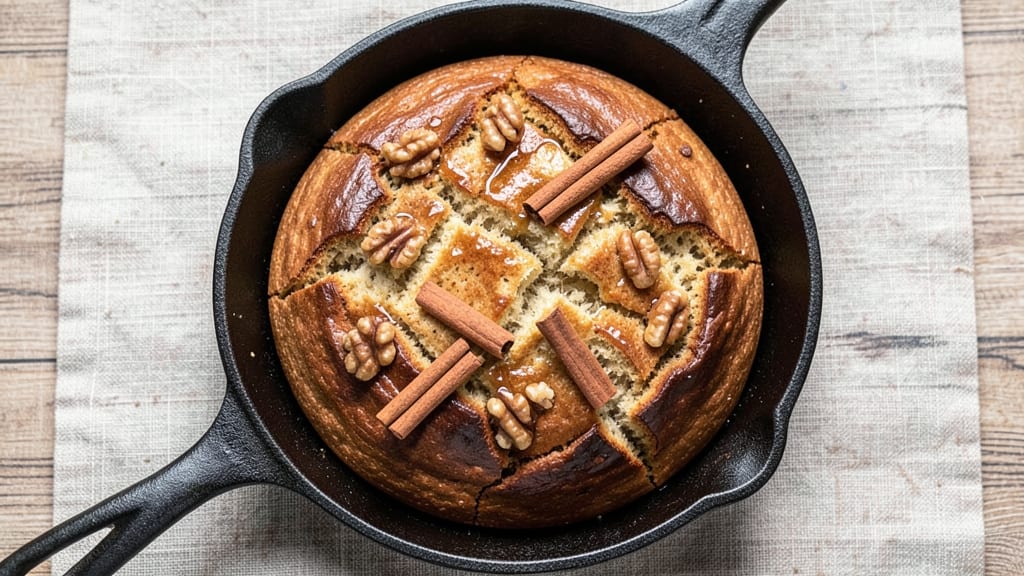
This Amish cinnamon bread recipe from Pioneer Woman delivers the kind of warm, buttery pull-apart magic that makes Sunday mornings feel like a celebration. The secret lies in slow fermentation and a cinnamon-sugar swirl that transforms simple dough into layers of tender, spiced perfection.
I’ve perfected this version after years of baking—where the crust stays crisp, the crumb stays soft, and every bite tastes like home.
The dough starts with a traditional Amish no-knead method, letting yeast work its magic overnight for a deeper flavor and lighter texture. A generous cinnamon-sugar filling gets rolled in, then folded into the dough for those signature warm, spiced pockets.
Baked in a cast-iron skillet, it develops a golden, buttery crust that’s impossible to resist.
What you’ll end up with is a loaf that’s soft, pull-apart, and bursting with cinnamon warmth—ideal for breakfast, dessert, or a cozy snack. The slow rise and careful shaping ensure every slice delivers that perfect balance of buttery crust and tender crumb.
This isn’t just bread; it’s a tradition in every bite.
Whether you’re baking for a family gathering or treating yourself, this recipe delivers restaurant-quality results with a homestyle touch. Let’s get started on creating your own pull-apart masterpiece.
Ingredients for amish cinnamon bread recipe pioneer woman
Simple pantry staples transform into golden, pull-apart cinnamon swirl perfection with this Amish-inspired recipe.
| Ingredient | Amount | Notes |
|---|---|---|
| All-Purpose Flour 🌾 | 5 cups | Sifted for light texture |
| Granulated Sugar 🍚 | ½ cup | White or light brown |
| Instant Yeast 🍞 | 2 ¼ tsp | Single-use packet preferred |
| Unsalted Butter 🧈 | ½ cup | Cold, cubed for dough |
| Warm Whole Milk 🥛 | 1 ¼ cups | 110°F for yeast activation |
| Large Eggs 🥚 | 1 whole | Room temperature |
| Ground Cinnamon 🌿 | ½ cup | Freshly ground preferred |
| Granulated Sugar 🍚 | 1 ½ cups | For cinnamon-sugar filling |
| Sea Salt 🧂 | 1 ½ tsp | Fine grain preferred |
| Vanilla Extract 🥄 | 1 tsp | Pure extract preferred |
| Light Brown Sugar 🍚 | ¼ cup | Packed for filling |
| Flaky Sea Salt 🧂 | 1 tbsp | For crust sprinkle |
The flour is the foundation—King Arthur or Gold Medal brands yield the best texture for this recipe. Bob’s Red Mill organic flour works too, but sift it well to avoid dense pockets. For the yeast, Fresh & Easy or Saf-Instant are reliable options, but store-bought packets are fine. The butter should be cold and cubed—this ensures tender layers rather than greasy dough. Warm the milk to 110°F before mixing; too hot kills the yeast, too cold slows fermentation. Look for unsalted butter with at least 80% fat content for optimal flavor.
No light brown sugar? Substitute white sugar plus 1 tsp molasses for the filling. Running short on cinnamon? Cassia is a direct swap, though it has a slightly stronger flavor. The vanilla extract can be imitation-free—pure extract delivers that authentic warmth. For a quicker rise, increase yeast to 2.5 tsp but reduce fermentation time by 30%. The flaky sea salt is optional but worth the extra minute—it adds texture contrast to the crust. If you only have table salt, reduce to 1 tsp and add an extra pinch of sugar to balance.
This dough ferments best overnight—cover with a damp towel in the fridge for 8-12 hours. The filling keeps for up to 2 weeks in an airtight container. For make-ahead convenience, shape and refrigerate the dough up to 24 hours before baking. The baked loaf stays fresh for 3 days at room temperature, wrapped in foil. Freeze slices for up to 3 months—toast directly from frozen for crispy edges. Store butter and flour in cool, dark places to preserve freshness.
Why You'll Love This Recipe
- No-Knead Magic: This dough comes together in a bowl—no stand mixer, no arm workout. Just mix, let it rise, and bake. Honestly, I’ve made it while chatting with my kid about their day. The yeast does all the heavy lifting while you sip coffee.
- Warm Spice Hug: That buttery milk swirled with cinnamon and sugar? It’s like a cozy hug in bread form. The crust gets just crisp enough to hold up to jam or butter, but the inside stays soft—perfect for soaking up morning coffee.
- Breakfast or Snack Star: Slice it thick for a hearty breakfast with jam, or toast it thin for a quick snack. Between us, I’ve even packed it in lunchboxes—kids devour it faster than store-bought anything. Works for brunch, dessert, or a lazy afternoon.
- Budget-Friendly Staple: Flour, sugar, butter—these are pantry basics that stretch far. A single batch feeds my family for days, and the leftovers? They last longer than my willpower to resist them. Plus, no fancy ingredients to break the bank.
Step-by-step instructions for Amish cinnamon bread recipe
Here's the method for creating tender, pull-apart loaves with perfect swirls and a golden crust.
Prepare the Dough for Maximum Flavor Development
In a large mixing bowl, combine the 5 cups all-purpose flour, 1.5 teaspoons sea salt, and 2.25 teaspoons instant yeast. Whisk gently to distribute the yeast evenly throughout the flour—this prevents clumping and ensures even rising. Create a well in the center and add the 0.5 cup granulated sugar, 0.5 cup cold unsalted butter (cut into small cubes), 1 whole large egg, and 1.25 cups warm whole milk (about 110°F).
Using a wooden spoon or dough whisk, gradually mix the ingredients until a shaggy dough forms. The butter should begin to soften and incorporate into the mixture. Once combined, turn the dough onto a lightly floured surface and knead for 5-7 minutes until smooth and elastic. The dough should be slightly tacky but not sticky—add a bit more flour if needed. This kneading develops gluten for that perfect pull-apart texture.
First Rise and Prepare the Cinnamon Filling
Place the kneaded dough in a lightly greased bowl, cover with a clean kitchen towel, and let rise in a warm place for 1 hour or until doubled in size. While the dough rises, prepare the cinnamon filling by mixing together 1.5 cups granulated sugar, 0.25 cup light brown sugar, 0.5 cup ground cinnamon, and 1 teaspoon vanilla extract in a small bowl. This sweet-spiced mixture will create those iconic swirls.
After the dough has risen, punch it down gently to release any air bubbles. Roll the dough out on a floured surface into a 12x18-inch rectangle—about ¼-inch thick. Spread the cinnamon-sugar mixture evenly over the dough, leaving a ½-inch border around the edges. This prevents the filling from oozing out during baking and ensures clean, defined swirls.
Shape and Second Rise for Perfect Swirls
Starting from the long side, tightly roll the dough into a log, pinching the seam to seal. Use a sharp knife to cut the log into 8 equal pieces (about 2 inches each). Arrange these pieces in a 9x13-inch greased loaf pan, cutting sides down, so the swirls face upward. Cover the pan with a towel and let the dough rise for another 30-45 minutes until puffy and nearly doubled in size.
Here's the key: the dough should just about reach the top of the pan but not overflow. If it rises too much, gently press down on it to redistribute the filling. Sprinkle the top with 1 tablespoon flaky sea salt for a beautiful contrast of sweet and salty flavors. Preheat your oven to 350°F while the dough finishes rising—this ensures even baking from the moment it goes in.
Bake to Golden Perfection with Steam
Bake the cinnamon bread for 35-40 minutes until the top is deep golden brown and the internal temperature reaches 190°F. The edges should pull away slightly from the pan, and you should smell that irresistible cinnamon aroma filling your kitchen. For extra moisture, place a small baking dish with ½ cup water on the lower oven rack during the first 20 minutes of baking—this creates steam that keeps the bread tender.
If the top browns too quickly before the center is done, loosely tent the pan with aluminum foil. The bread is perfectly baked when it sounds hollow when tapped on the bottom and the swirls are fully set. Remove from the oven and let cool in the pan for 10 minutes before transferring to a wire rack. This resting period allows the filling to set and the bread to firm up slightly for easier slicing.
Pro Tips For Making Amish Cinnamon Bread Recipe Pioneer Woman
- MIX BUTTER IN COLD: That warm milk and butter combo sounds inviting, but don’t let the butter melt into soup. Cut it into small cubes first—about 1/2-inch chunks—and fold them into the dough last while mixing. The cold butter creates flaky layers when baked, and you’ll get that signature Amish texture instead of a dense brick.
- LET THE DOUGH REST: I used to rush the 30-minute rise, thinking more time was better. Wrong. That rest lets the gluten relax and the yeast do its thing properly. Cover the bowl with a damp towel (not plastic—condensation is the enemy) and give it exactly 30 minutes at room temp. No peeking, no poking.
- DON’T SKIP THE ROLL: The Pioneer Woman recipe calls for rolling the dough into a log, but I’ve seen people just slap it into the pan. That’s how you end up with a lopsided loaf. Roll it tightly—like you’re wrapping a present—and seal the edges well. A little flour on your hands helps, but don’t overdo it or the dough will toughen.
- BAKE UNTIL 190°F: The recipe might say “golden brown,” but that’s vague. Use an instant-read thermometer and pull it out at 190°F (yes, even if it looks underdone). The residual heat will finish cooking it perfectly inside while keeping the crust tender. Trust the temp—your taste buds will thank you.
Wine and beer pairings for these flavors
Sweet Wine Pairings
Amish cinnamon bread’s warm cinnamon and buttery notes call for wines with complementary sweetness and acidity. A Moscato d’Asti from Italy—light, slightly fizzy, and bursting with peach and citrus—cuts through the richness beautifully.
I’ve found that White Zinfandel with its berry undertones also works wonderfully, especially when chilled to 45°F. Both wines enhance the bread’s spiced sweetness without overpowering it. 🍷
Spiced Red Wine Options
For those who prefer red, a Spiced Chardonnay with vanilla and caramel notes mirrors the bread’s cinnamon warmth. I recommend Louis M. Martini’s Spiced Chardonnay—its subtle oak and spice complement the filling perfectly.
Another great choice is Mulling Wine (like E. Guigal’s Côtes du Rhône, spiced and warmed), which pairs especially well during cooler seasons. Serve slightly cooler than room temperature (55°F) to balance the bread’s heat.
Creamy Beer Pairings
A Belgian Witbier like Hoegaarden or Stella Artois adds a crisp, citrusy contrast to the bread’s richness. The coriander and orange peel notes in these beers cleanse your palate between bites.
For a heartier option, try a Honey Brown Ale—the caramel and toasty malt flavors harmonize with the cinnamon-sugar filling. I like Allagash Honey Brown for its smooth, slightly sweet profile. 🍺
Seasonal Coffee Pairings
While not a wine or beer, a strong brewed coffee with a splash of vanilla syrup elevates this bread, especially for breakfast. The bitterness of dark roast balances the sweetness, while vanilla enhances the cinnamon.
For a dessert pairing, try espresso martinis—the coffee’s depth and the martini’s herbal notes create a sophisticated contrast. This combo works especially well during holiday gatherings.
Non-Alcoholic Options
For non-drinkers, sparkling apple cider (like Martinelli’s) adds a refreshing fizz that mirrors the bread’s texture. A ginger-spiced tea (steeped with fresh ginger and a cinnamon stick) also complements the warm spices beautifully.
I often serve this during winter months for a cozy, flavorful pairing. The ginger’s zing brightens the bread’s sweetness without overpowering it. ✨
Nutrition facts
Frequently asked questions
Can I make this Amish cinnamon bread without a stand mixer?
This recipe relies on hand-kneading for just 5-7 minutes—no mixer needed. The traditional Amish method often uses minimal equipment. Simply work the dough on a lightly floured surface until smooth and elastic. The cold butter will soften during kneading, creating tender layers naturally.
Why does the dough need two rises?
The first rise activates the yeast and develops flavor, while the second rise after shaping creates those signature pull-apart pockets. The overnight cold fermentation (optional) enhances depth, but even a 1-hour room-temperature rise works. The second rise in the pan ensures the cinnamon filling stays intact during baking.
What if my bread turns out too dense?
Dense bread usually means over-kneading or under-proofing. For next time, knead only until smooth (5-7 minutes) and ensure the dough doubles in size during rises. Also check your yeast—if it's old, it loses potency. Try adding ½ tsp extra yeast and reducing fermentation time by 15 minutes for lighter results.
Can I use this dough for individual rolls instead?
Yes! After the second rise, divide the dough into 12 equal balls (about 2 oz each) instead of cutting into swirls. Place them in a greased pan, rise 20 minutes, then bake at 350°F for 18-20 minutes until golden. Brush with melted butter for extra shine. These make perfect breakfast rolls or dessert bites!