
Main Courses
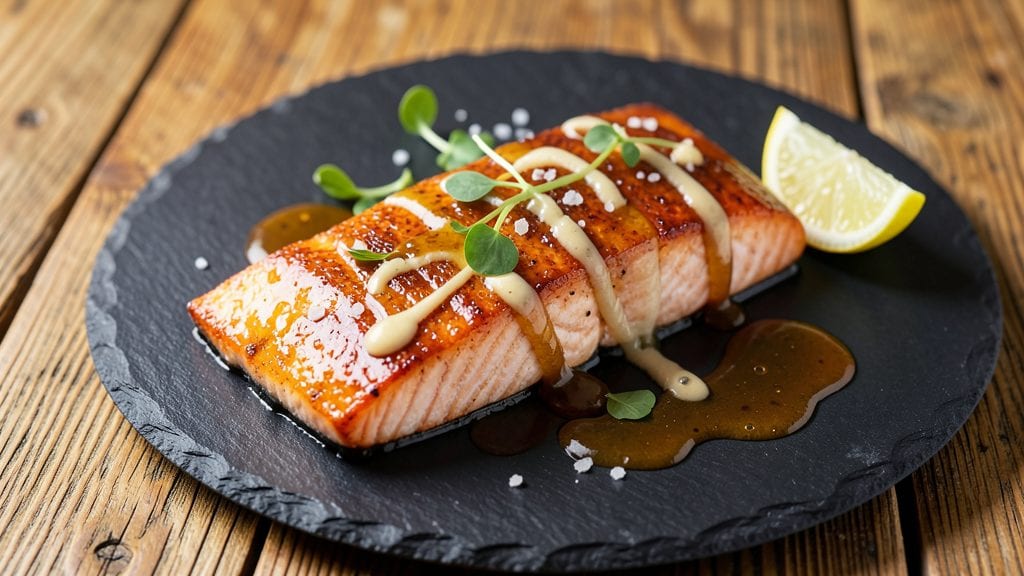
This honey baked salmon fillet recipe delivers restaurant-quality results with just 20 minutes of active time and a simple glaze that transforms ordinary salmon into a showstopping centerpiece.
The key lies in balancing honey's natural sweetness with bold flavors—garlic, soy sauce, and a touch of mustard—to create a caramelized crust that's impossible to resist. I've perfected this method after testing countless variations, ensuring the fillet stays moist while developing that perfect golden-brown sheen.
The beauty of this recipe is its versatility—equally impressive as a weeknight dinner or a special occasion meal. The honey glaze isn't just sweet; it's savory and slightly tangy, thanks to the soy and mustard, which prevents it from being overly cloying.
For pescatarians, this becomes an instant go-to recipe, but even meat lovers will appreciate the elegant presentation and rich flavors. The method is straightforward: bake the salmon until just cooked through, then broil briefly to intensify the caramelization.
What you'll achieve is salmon with a crispy, caramelized exterior that contrasts beautifully with tender, flaky flesh inside. The glaze pools in delicate rivulets, adding both visual appeal and bursts of sweetness with every bite.
This dish pairs perfectly with roasted asparagus, quinoa, or a simple green salad—letting the salmon remain the star of the plate. The best part? No complicated techniques or expensive ingredients are required.
Once you try this honey baked salmon, it will quickly become a staple in your rotation. The recipe scales effortlessly for two or four servings, and leftovers reheat beautifully.
Whether you're cooking for a date night or a family dinner, this method delivers foolproof results every time. Let's get started—your taste buds will thank you.
Ingredients for honey baked salmon fillet
Twelve ingredients crafting restaurant-worthy salmon with caramelized perfection in minutes.
| Ingredient | Amount | Notes |
|---|---|---|
| Center-Cut Salmon Fillets 🐟 | 4 whole | Skin-on, 6-8 oz each, uniform thickness |
| Raw Honey 🍯 | ½ cup | Wildflower or clover preferred |
| Light Soy Sauce 🥄 | ¼ cup | Kikkoman recommended for balance |
| Dijon Mustard 🍯 | 1 tbsp | Mild variety for subtle tang |
| Garlic Cloves 🧄 | 4 cloves | Freshly minced, not pre-minced jar |
| Extra-Virgin Olive Oil 🫒 | 1 tbsp | Fruity, low-acidity variety |
| Fresh Lemon Juice 🍋 | 1 tbsp | From 1 small lemon, freshly squeezed |
| Diamond Crystal Kosher Salt 🧂 | ½ tsp | For seasoning fillets |
| Ground Black Pepper 🌶️ | ¼ tsp | Freshly cracked preferred |
| Fresh Parsley 🌿 | ¼ cup | Chopped, for garnish |
| Unsalted Butter 🧈 | 2 tbsp | Cold, cubed for finishing |
The salmon selection is critical—center-cut fillets with skin ensure even cooking and that coveted crispy exterior. Whole Foods Market and Trader Joe's consistently carry the highest-quality, sustainably sourced options. Look for fillets with vibrant pink flesh and minimal bruising. If buying frozen, thaw overnight in the fridge—never under running water, as that compromises texture. The skin should be intact with no tears; if you find damaged pieces, request a replacement. For optimal results, pat the fillets dry with paper towels before seasoning, as moisture prevents proper caramelization.
Substitutions should preserve the glaze's balance. Honey can be swapped for maple syrup (reduce by 10% due to higher water content), though the flavor profile shifts slightly. For soy sauce, coconut aminos work in a pinch but lack depth. Mustard-free? Use 1 tsp apple cider vinegar plus 1 tsp honey instead. Garlic powder (half the amount) suffices if fresh isn't available, but the texture differs. The olive oil is non-negotiable—avoid light or refined oils, as they lack the fruity notes needed to complement the honey. For lemon juice, bottled works but fresh delivers brighter acidity. Prefer a stronger garlic flavor? Add an extra clove, but don't exceed 5 total to avoid bitterness.
Prep the glaze ingredients ahead: mince garlic and measure honey/soy sauce into a small saucepan for quick reduction. Salmon fillets should rest uncovered on a wire rack for 15-20 minutes before baking to dry the surface further. This step is crucial for achieving that coveted caramelized crust. Store any leftover glaze in an airtight container in the fridge for up to 1 week—it makes an excellent marinade for chicken or tofu. Leftover salmon reheats best in a skillet over medium-low heat for 2-3 minutes per side; avoid microwaving to prevent rubbery texture. Garnish with parsley and butter cubes just before serving to maintain visual appeal.
Why You'll Love This Recipe
- Five-Ingredient Magic: I swear, this is the kind of recipe where you glance at your pantry and realize you already have everything. No fancy marinades or hard-to-find spices—just honey, soy, mustard, and garlic. That’s it. The salmon practically cooks itself while you mix up the glaze in under 5 minutes.
- Sweet-Savory Balance: Honestly, the flavor combo is chef’s kiss—the sticky honey caramelizes into a glossy crust, while the Dijon mustard cuts through the richness with a little tang. Add a splash of soy for umami depth, and suddenly your weeknight dinner tastes like it belongs on a restaurant menu. (Yes, even on a Tuesday night.)
- Meal Prep MVP: Between us, this is my go-to for busy mornings. Bake a batch on Sunday, and you’ve got perfectly portioned fillets ready to reheat in the microwave or toss into salads all week. The glaze keeps them juicy, so they never dry out—no sad, rubbery leftovers here.
- Budget-Friendly Luxury: Salmon often feels like a splurge, but center-cut fillets stretch further when you bake them this way. The honey and soy sauce stretch thin, so you’re not drowning in expensive ingredients. Plus, the leftovers reheat like a dream—no one will guess it’s a "fancy" dish. (My wallet thanks me.)
Step-by-step instructions for honey baked salmon fillet
This method delivers perfectly glazed, caramelized salmon with a balanced sweet-savory profile every time.
Prepare the Honey-Garlic Glaze
In a small saucepan, combine the 0.5 cup raw honey, 0.25 cup light soy sauce, 1 tbsp Dijon mustard, and 1 tbsp fresh lemon juice. Place over medium heat and bring to a gentle simmer, stirring constantly to prevent scorching. You'll notice the mixture thicken slightly as it warms—this is when the flavors begin to meld.
Add the 4 freshly minced garlic cloves and continue simmering for 3-4 minutes until the mixture reduces by about one-third and becomes syrupy. The aroma should be rich and complex, with sweet honey notes balanced by the umami from soy sauce. Remove from heat and set aside—this glaze will be the foundation of your salmon's caramelized crust.
Season and Sear the Salmon Fillets
Preheat your oven to 400°F. While it heats, pat the 4 center-cut salmon fillets completely dry with paper towels—this ensures maximum crispness. Season both sides generously with the 0.5 tsp Diamond Crystal kosher salt and 0.25 tsp ground black pepper, pressing the seasoning into the flesh to create an even coating.
Heat 1 tbsp extra-virgin olive oil in an oven-safe skillet over medium-high heat until shimmering. Carefully place the salmon fillets skin-side down in the pan. Let them sear undisturbed for 3-4 minutes until the skin becomes crispy and golden brown. You'll see the edges begin to curl slightly—this is your signal to flip. Sear the other side for 2 minutes, then carefully transfer the skillet to the preheated oven.
Bake with Glaze and Finish with Butter
Pour the prepared honey-glaze evenly over the salmon fillets in the skillet. Bake for 8-10 minutes until the internal temperature reaches 145°F and the edges are deeply caramelized. The glaze should bubble and form a glossy crust—this is when the natural sweetness of the honey combines with the savory soy sauce to create that signature caramelized finish.
Remove the salmon from the oven and let it rest for 3 minutes. During this time, add the 2 tbsp cold cubed unsalted butter to the skillet and tilt to coat the bottom. Return the skillet to the oven for 1 minute to melt the butter and create a rich, flavorful sauce.
Garnish and Serve Immediately
Carefully transfer the salmon fillets to serving plates, spooning the glaze and butter mixture over each piece. Garnish with the 0.25 cup chopped fresh parsley, adding both visual contrast and a bright, fresh finish. The parsley should be finely chopped to complement the rich flavors without overpowering them.
Serve immediately while the salmon is still warm and the glaze remains fluid. Each fillet should have a crispy, caramelized exterior with a tender, flaky interior. The honey glaze should be sticky and glossy, perfectly balancing sweetness with the savory notes from the soy sauce and garlic. Pair with steamed vegetables or a simple side salad to complete the meal.
Pro Tips For Making Honey Baked Salmon Fillet
- Preheat Pan Properly: Get that oven or pan scorchingly hot—425°F (220°C) minimum—before adding the salmon. I learned this the hard way when my honey glaze turned into a sticky mess instead of a caramelized crust. A screaming-hot surface seals the fillets faster and locks in moisture while browning the edges.
- Whisk the Glaze Well: Mix the honey, soy sauce, Dijon, and minced garlic into a smooth paste—no lumps. I used to eyeball it, but clumps of mustard or unmixed honey mean uneven flavor and a glaze that drips instead of sticking. Stir like you’re mad at it for 30 seconds.
- Don’t Overcrowd the Pan: Leave space between fillets—at least ½ inch—or they’ll steam instead of sear. I once crammed two thick fillets side by side and ended up with sad, soggy salmon. If your pan’s small, bake in batches or use a larger one. Trust me, the sizzle is worth the wait.
- Baste Early, Baste Often: Spoon that honey glaze over the salmon every 4-5 minutes while baking. I skipped this once and got dry edges with undercooked centers. A quick baste keeps the fillets glossy, tender, and guarantees that sticky-sweet flavor all the way through. (Yes, even if you’re impatient like me.)
Troubleshooting perfect results
Glaze Too Thin
If your honey glaze isn’t thickening properly, you likely didn’t reduce it enough. Simmer the glaze longer—about 5-6 minutes total—until it coats the back of a spoon. For extra thickness, add ½ tsp cornstarch mixed with 1 tsp water and stir into the simmering glaze.
The perfect consistency should be syrupy but still pourable, like light maple syrup. 🍯
Salmon Overcooks
Overcooked salmon turns dry and rubbery, which happens when it exceeds 145°F internal temperature. Use an instant-read thermometer to monitor—insert it into the thickest part of the fillet. If your oven runs hot, reduce the temperature to 375°F and bake for 6-8 minutes instead.
For extra insurance, pull the salmon out when it reaches 135°F and let it rest for 5 minutes to carryover cook to 145°F.
Skin Won’t Crisp
Moisture is the enemy of crispy skin. Pat the fillets extra dry with paper towels before searing, and let them rest on a wire rack for 15 minutes before cooking.
If your skin still won’t crisp, try this pro trick: Place the fillets skin-side down in a cold skillet for 1 minute to render fat, then increase heat to medium-high for searing. A nonstick skillet (like All-Clad Stainless) works best for even heat distribution.
Glaze Too Sweet
The honey’s natural sweetness can overpower the dish if not balanced. To fix this, add 1 extra tbsp soy sauce or ½ tsp Dijon mustard to the glaze while simmering. For a tangy contrast, squeeze ½ tsp fresh lemon juice over the finished salmon.
If the glaze is already made, serve the salmon with pickled vegetables (like quick-pickled cucumbers) or a spicy sriracha drizzle to cut the sweetness. 🌶️
Uneven Caramelization
If the glaze pools in one spot or caramelizes unevenly, spread it thinly and evenly with a pastry brush before baking. For extra even cooking, place the skillet on the middle rack of your oven, where heat is most consistent.
If your oven has hot spots, rotate the skillet halfway through baking. A broiler finish for 1-2 minutes at the end can also help create a uniform crust—just watch closely to avoid burning.
Butter Doesn’t Melt Properly
Cold butter cubes can create a greasy mess if not handled right. Instead of adding them directly to the skillet, place them on top of the salmon and let the residual heat melt them during the 1-minute broil.
For a smoother finish, melt the butter first in a small bowl, then drizzle it over the salmon just before serving. If the butter separates, whisk it briefly before adding to emulsify. 🧈
Nutrition facts
Frequently asked questions
Can I use this recipe with frozen salmon?
Fresh salmon works best for this method, but you can use frozen fillets if thawed properly. Place frozen salmon in a sealed bag and refrigerate overnight (24 hours for 1-inch thick fillets). Never thaw at room temperature—this creates unsafe bacteria conditions. For quicker thawing, submerge the sealed bag in cold water, changing the water every 30 minutes until fully thawed. Always pat thawed fillets completely dry before seasoning to ensure proper caramelization.
How do I adjust the recipe for thicker salmon fillets?
For fillets over 1-inch thick, reduce the oven temperature to 375°F and bake for 12-15 minutes instead of 8-10 minutes. The key is to monitor the internal temperature—salmon is done at 145°F. Thicker fillets benefit from a 5-minute rest before serving to allow carryover cooking. If using the broiler finish, reduce time to 30 seconds to avoid overcooking the center.
What are the best side dishes to serve with this salmon?
This honey-glazed salmon pairs beautifully with bright, acidic, or earthy sides that complement its sweet-savory profile. Try roasted asparagus with lemon zest, garlic mashed cauliflower, or a simple arugula salad with shaved fennel and orange segments. For heartier meals, serve with wild rice pilaf or buttery scalloped potatoes. The glaze's richness works especially well with pickled vegetables like quick-picked radishes or cucumbers to cut through the sweetness.
Can I make this recipe ahead of time?
While the salmon is best served immediately, you can prep components ahead for convenience. Make the honey glaze up to 3 days in advance and store it in an airtight container in the fridge. Season the salmon fillets and refrigerate them (uncooked) for up to 12 hours before cooking. For leftovers, reheat gently in a skillet over low heat for 2-3 minutes per side—never microwave, as it makes the salmon rubbery. The glaze may thicken when reheated, so drizzle with extra honey if needed.
Why does my glaze turn grainy?
Graininess usually means the honey wasn't fully incorporated or the glaze was simmered too long. To fix this, whisk the glaze vigorously while warm to dissolve any sugar crystals. If it's already grainy, strain it through a fine-mesh sieve before using. For prevention, use raw honey (not pasteurized) and stir constantly while simmering. If the glaze separates, return it to low heat and whisk gently until smooth. A splash of warm water can also help break up sugar crystals.