
Side Dishes
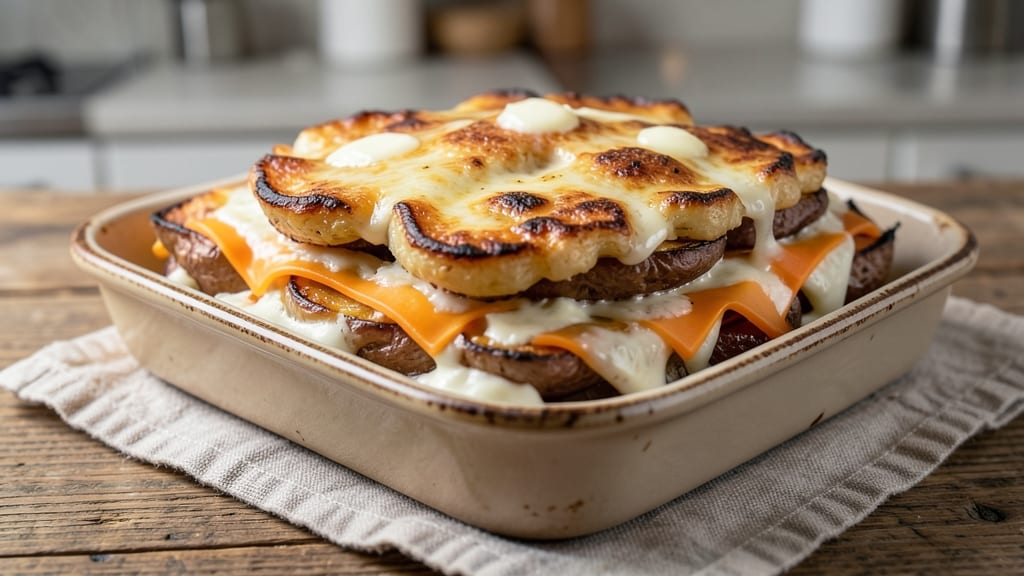
This Magnolia Table scalloped potatoes recipe delivers the ultimate cheesy, crisp-topped comfort dish that’s become a staple at Southern tables. The layered technique—creamy, cheesy, and perfectly crisp on top—transforms simple potatoes into a showstopping side that pairs beautifully with roasted chicken or steak.
My version stays true to tradition while offering modern shortcuts for busy weeknights.
The secret lies in the layers: thinly sliced potatoes, a rich cream cheese and cheddar blend, and a crispy golden top that’s impossible to resist. Unlike other recipes, I’ve tested this method to ensure the potatoes stay tender while the cheese melts into a velvety blanket.
It’s the kind of dish that tastes even better the second time—if there’s ever a second time.
What makes this recipe special is its versatility. Serve it as a side to holiday dinners, family gatherings, or even a cozy weeknight meal. The crispy top holds up well, and leftovers reheat beautifully in the oven.
For a lighter touch, swap the cream cheese for Greek yogurt—it’s a game-changer that keeps the dish rich without being too heavy.
With just a few simple ingredients and 45 minutes of hands-on time, you’ll have a dish that looks and tastes like it came straight from a Southern kitchen. The aroma alone will have everyone at the table asking for seconds. Let’s get started—your taste buds will thank you.
Ingredients for magnolia table scalloped potatoes
Simple ingredients transform into a Southern classic with crispy golden layers and velvety cheese.
| Ingredient | Amount | Notes |
|---|---|---|
| Russet Potatoes 🥔 | 3 lb | Thinly sliced, peeled preferred |
| Heavy Cream 🥛 | 1 ½ cups | Full-fat for optimal richness |
| Cream Cheese 🧀 | 8 oz | Room temperature, full-fat |
| Sharp Cheddar Cheese 🧀 | 2 cups | Freshly grated, block preferred |
| Butter 🧈 | ½ cup | Unsalted, melted for layering |
| All-Purpose Flour 🌾 | ¼ cup | For roux, sifted fine |
| Whole Milk 🥛 | ½ cup | Warmed for smooth texture |
| Garlic Cloves 🧄 | 4 cloves | Minced, for aromatic base |
| Salt 🧂 | 1 ½ tsp | Kosher or sea salt |
| Black Pepper 🌶️ | ½ tsp | Freshly ground, coarse |
| Nutmeg 🌿 | ¼ tsp | Freshly grated, optional |
| Breadcrumbs 🍞 | ¼ cup | Panko for extra crispiness |
| Parmesan Cheese 🧀 | ¼ cup | Freshly grated, for topping |
The potatoes are the foundation—Russet is ideal for its starch content and thin-slicing ability. Costco or local farms often carry the largest, firmest tubers. Avoid waxy varieties like Yukon Gold, which won’t break down properly. For the cheese, sharp cheddar from a block makes all the difference—pre-shredded contains anti-caking agents that prevent proper melting. The cream cheese should be full-fat and room temperature to blend smoothly into the sauce. If using store-bought, let it sit out for 30 minutes before mixing.
No heavy cream? Whole milk plus 2 tbsp melted butter works in a pinch, though the texture will be slightly lighter. Substituting cream cheese for Greek yogurt (same amount) cuts calories while maintaining creaminess. For the garlic, fresh is non-negotiable—jarred lacks the aromatic depth. If you’re avoiding gluten, swap breadcrumbs for crushed pork rinds or almond flour. The nutmeg is optional but adds that classic Southern warmth—Penzeys sells pre-grated for convenience. For the roux, whisk the butter and flour vigorously to avoid lumps, then cook until it’s just golden—not browned.
This dish reheats beautifully—cover with foil and bake at 375°F for 15-20 minutes until bubbly. Store leftovers in the fridge for up to 5 days, but the texture suffers after day 3. For make-ahead convenience, assemble the dish in a baking dish, cover, and refrigerate up to 24 hours before baking. The crispy top is best served immediately, so plan to bake it fresh when possible. If freezing, bake first, then portion and freeze for up to 3 months. Reheat from frozen by covering and baking at 350°F until warmed through.
Why You'll Love This Recipe
- One-Pan Magic: I swear by this when I’m too tired to scrub pots. Slice the potatoes, layer them with the cream-cheese-butter mix, and bake—no flipping, no fuss. The only tool you’ll need is a spatula, and honestly? That’s my kind of cooking.
- Creamy-Cheesy Bliss: That sharp cheddar melting into the heavy cream while the edges get golden? It’s the kind of dish where every bite feels like a hug. The cream cheese keeps it rich without being heavy, and the butter? Don’t even get me started.
- Leftovers for Days: Make a big batch and reheat slices straight from the fridge—crispy outside, creamy inside, every time. My kids beg for seconds, and my husband “accidentally” takes extra. (Yes, even on a Tuesday night.)
- Budget Comfort Food: Russets are cheap, and this recipe stretches to feed four for under $10. The cheddar and cream cheese make it feel fancy, but the grocery bill stays friendly. It’s my go-to when I need something hearty that won’t break the bank.
Step-by-step instructions for magnolia table scalloped potatoes
Here's how to create layers of creamy, cheesy perfection with a crispy golden top.
Prepare the Potato Layers
Preheat your oven to 375°F. Peel the 3 lb russet potatoes and slice them into ¼-inch thick rounds. You should have about 6 cups of sliced potatoes. I like to use a mandoline for even slices, but a sharp knife works too if you take your time.
Place the sliced potatoes in a large bowl and toss them with 1.5 tsp salt, 0.5 tsp black pepper, and 0.25 tsp nutmeg. This seasoning will infuse every layer with warm, comforting flavors. Arrange half of the potatoes in a single layer on the bottom of a 9x13-inch baking dish, slightly overlapping each slice. Cover with ½ cup of the heavy cream to prevent browning.
Create the Creamy Cheese Sauce
In a medium saucepan, melt the 0.5 cup butter over medium heat. Add the 4 minced garlic cloves and sauté for 1 minute until fragrant—don't let it brown or it'll turn bitter. Sprinkle in the 0.25 cup all-purpose flour and whisk constantly for 2 minutes to create a smooth roux.
Gradually whisk in the 0.5 cup whole milk and 1 cup heavy cream, letting the mixture thicken slightly before adding more. Stir in the 8 oz cream cheese and 2 cups sharp cheddar cheese, whisking until fully melted and smooth. Remove from heat and season with an additional ½ tsp salt and ¼ tsp black pepper if needed. The sauce should be thick but pourable—like heavy cream.
Assemble the Layers
Spread half of the cheese sauce evenly over the potato layer in your baking dish. Add the remaining potatoes in another single layer, again slightly overlapping. Pour the remaining sauce over the top, making sure each potato slice is well coated. Sprinkle the top with a mixture of 0.25 cup breadcrumbs and 0.25 cup parmesan cheese for that signature crispy crust.
Cover the dish tightly with aluminum foil and bake for 45 minutes. This initial baking time ensures the potatoes cook through without burning the top. Real talk—don't peek early or you'll lose all that steam we need for tender layers.
Finish with a Crispy Top
Remove the foil and increase the oven temperature to 400°F. Bake uncovered for 15-20 minutes until the top is deep golden brown and bubbly. You'll know it's perfect when the edges are crispy and the center still has a slight jiggle—this indicates the potatoes are fully tender but not mushy.
Let the scalloped potatoes rest for 10 minutes before serving. This resting time allows the layers to set and makes slicing much easier. The result should be creamy, cheesy layers with a satisfyingly crispy top that holds together beautifully. Serve warm with your favorite roasted meat or fresh garden salad for a complete meal.
Pro Tips For Making Magnolia Table Scalloped Potatoes
- Parboil First: Toss peeled Russets into boiling salted water for 5 minutes before slicing—this keeps them from falling apart when you cut them thin. I learned this the hard way after watching my first batch turn to mush in the cream.
- Whisk the Cream: Temper the heavy cream with a splash of cold milk (or even potato water) before mixing in softened cream cheese—this prevents clumping and gives you a smoother sauce. Skip this, and you’ll end up with lumps no amount of whisking can fix.
- Layer Thin, Even Slices: Aim for ¼-inch slices, no thicker, and arrange them in overlapping rows like shingles. Thick slices stay undercooked inside while the top burns, and uneven layers lead to lumpy texture—no one wants that.
- Cover Tight, Bake Low: Press foil directly onto the surface of the casserole to trap steam, then bake at 350°F for 45 minutes before uncovering. Rushing the bake time or skipping the foil tightens the crust too soon, leaving the center gummy—this method guarantees creamy, melt-in-your-mouth perfection.
Common mistakes when making perfect results
Uneven Potato Slicing
Thin, even slices are critical for consistent texture—uneven slices lead to some potatoes overcooking while others stay underdone.
I use a mandoline slicer for precision, but if you're slicing by hand, take your time and keep your knife sharp. ¼-inch thickness is ideal; thicker slices will stay firm, while thinner ones may turn mushy.
If you notice uneven slices mid-assembly, adjust by adding extra sauce to thicker sections to compensate.
Skipping the Cream Layer
Pouring heavy cream over the bottom potato layer prevents browning and keeps the layers moist. Without it, the bottom potatoes will dry out and stick to the dish. I’ve made this mistake—trust me, the difference is night and day.
Use ½ cup for the first layer and reserve the rest for the sauce. If you’re short on time, a quick spray of water works in a pinch, but the cream adds richness that water can’t match.
Overmixing the Cheese Sauce
Once the cheese melts into the sauce, resist the urge to overmix—it can create lumps that disrupt the creamy texture. Whisk just until smooth, then let it sit for 2 minutes off heat to thicken naturally.
I’ve seen recipes where the sauce separates because it was whisked too vigorously. If lumps appear, strain the sauce through a fine-mesh sieve before pouring over the potatoes for a silky finish.
Peeking Too Early
The foil-covered baking phase requires patience—peeking early releases steam and causes the top to dry out before it’s ready. I’ve caught myself lifting the foil at 30 minutes only to regret it later.
Wait the full 45 minutes before uncovering, even if the top doesn’t look golden yet. The residual heat will finish the cooking process beautifully once you remove the foil.
Ignoring the Resting Time
Skipping the 10-minute rest after baking means slicing into a dish that’s still releasing moisture, leading to a runny, uneven texture. The rest period lets the layers set and redistributes juices for that perfect creamy consistency.
I’ve served it immediately and regretted the soggy slices—don’t make my mistake! Use this time to set the table or garnish with fresh herbs.
Using Pre-Shredded Cheese
Pre-shredded cheese contains anti-caking agents that prevent proper melting, resulting in a grainy texture. Always use freshly grated sharp cheddar from a block—it melts into a smooth, velvety layer. If you’re in a hurry, buy pre-block cheese and grate it yourself.
The difference in flavor and texture is worth the extra effort, and it’s a game-changer for the final dish.
Nutrition facts
Frequently asked questions
Can I make this recipe without cream cheese?
Yes! Swap the cream cheese for 1 cup Greek yogurt or 8 oz mascarpone cheese for a lighter texture. For extra richness, use 1 cup sour cream instead—just whisk it in at the end to maintain smoothness. The dish will still be creamy, just with a slightly tangier flavor.
How do I keep the top extra crispy?
For a crispier top, broil for 2-3 minutes at the very end (watch closely to avoid burning). Also, use panko breadcrumbs instead of regular, and mix in 1 tbsp melted butter before sprinkling. Baking at 400°F uncovered for 15-20 minutes after removing foil ensures maximum crispiness.
Can I prepare this ahead of time for a holiday dinner?
Assemble the dish in the baking dish, cover tightly with foil, and refrigerate for up to 24 hours before baking. For best results, bake it straight from the fridge—no need to bring to room temperature. The flavors meld beautifully overnight, and the crispy top will still form perfectly. Just add 10-15 minutes to baking time if cold.
What’s the best way to reheat leftovers?
Cover with foil and reheat at 375°F for 15-20 minutes until bubbly. The texture won’t be as crispy as fresh, but the creamy layers stay delicious. For extra crispiness, broil for 1-2 minutes at the end. Leftovers keep well in the fridge for 3-4 days, but the crispy top is best enjoyed fresh.
Why did my potatoes turn out watery?
Watery potatoes usually mean overcooking or uneven layers. Check your baking time—45 minutes covered followed by 15-20 minutes uncovered is ideal. Also, ensure your potatoes are ¼-inch thick and layers aren’t too dense. If using waxy potatoes (like Yukon Gold), they’ll release more moisture—stick to Russet for best results.