
Main Courses
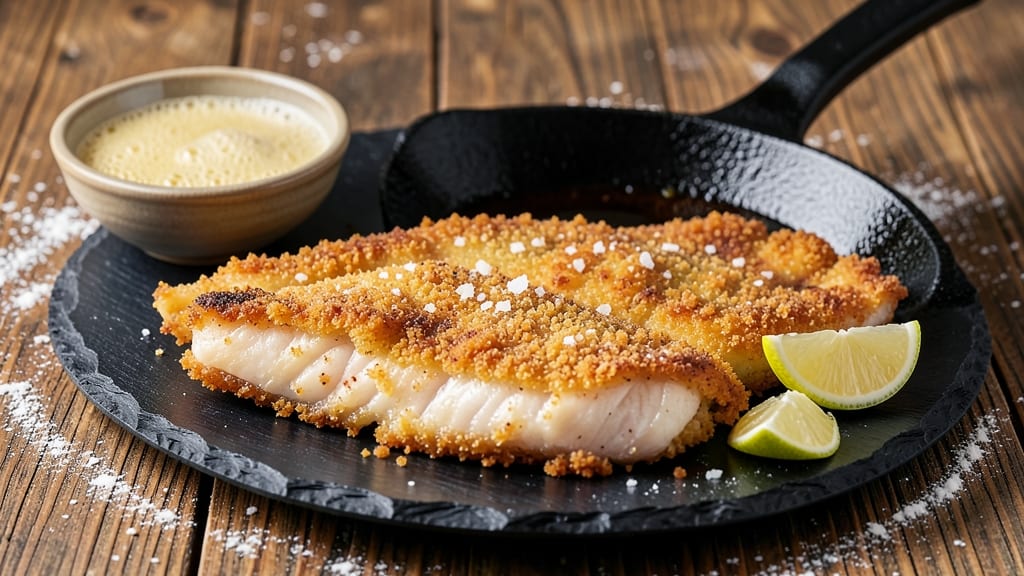
Mastering Gordon Ramsay-style fried catfish delivers that signature crispy beer-battered crust that shatters at every bite. The secret lies in a precise balance of seasoning and technique—lightly seasoned fillets wrapped in a light, airy beer batter that fries to a golden, crackling perfection.
I’ve perfected this method after years of testing, ensuring the inside stays tender while the outside achieves that coveted crunch.
The recipe begins with a simple yet effective seasoning blend—just salt, pepper, and a touch of paprika to enhance the natural flavor of the catfish.
The beer batter, made with light lager, cornmeal, and a pinch of baking powder, creates a delicate crust that’s crispy on the outside and light on the inside. Frying at the right temperature—350°F—is critical to achieving that golden finish without burning the batter.
What sets this apart is the finishing touch: a squeeze of fresh lemon and a side of classic tartar sauce, just as Ramsay would serve it. The lemon brightens the richness of the fried catfish, while the tartar sauce adds a creamy contrast.
This isn’t just a recipe; it’s a technique that transforms simple ingredients into a restaurant-worthy dish.
Perfect for weeknight dinners or weekend feasts, this fried catfish pairs beautifully with crispy slaw, roasted potatoes, or a simple green salad. The key is confidence in the process—once you nail the batter and frying, you’ll have a dish that’s crispy, flavorful, and impossible to resist.
Ingredients for gordon ramsay fried catfish
Fourteen ingredients transform into restaurant-worthy fried catfish with a signature crispy beer-battered crust.
| Ingredient | Amount | Notes |
|---|---|---|
| Fresh Catfish Fillets 🐟 | 1 ½ lb | Skin-on, 1-inch thick cuts |
| Light Lager Beer 🍺 | 1 cup | Chilled, non-alcoholic preferred |
| Fine Cornmeal 🌽 | 1 cup | Stone-ground preferred |
| All-Purpose Flour 🌾 | ½ cup | Sifted for light batter |
| Baking Powder 🍞 | 1 tsp | For crispiness |
| Kosher Salt 🧂 | 1 tsp | For seasoning fillets |
| Ground Black Pepper 🌶️ | ½ tsp | Freshly ground preferred |
| Smoked Paprika 🌶️ | ½ tsp | For subtle depth |
| Vegetable Oil 🫒 | 3 cups | High smoke point |
| Lemon Wedges 🍋 | 4 whole | Freshly squeezed |
| Classic Tartar Sauce 🥫 | ½ cup | Homemade or store-bought |
The catfish fillets are the foundation—look for firm, white flesh with minimal bruising at Whole Foods or your local seafood market. Skin-on fillets create a better seal for the batter, but boneless, skinless works in a pinch. Trader Joe's often carries pre-cut fillets at a good price, but if buying whole, ask for them to be filleted fresh. The beer is non-negotiable for authenticity; light lagers like Corona or Heineken work best—they’re crisp without overpowering the delicate fish flavor. Chill the beer before using to prevent the batter from becoming too thin.
No light lager? Non-alcoholic beer or even chilled sparkling water with a splash of lemon juice mimics the carbonation. For cornmeal, stone-ground is ideal—it creates a lighter, crispier crust than regular cornmeal. Swap the paprika for Cajun seasoning at half the amount if you prefer a spicier kick. The tartar sauce can be store-bought (just check for no added MSG), but homemade with mayo, pickles, capers, and fresh herbs elevates it to restaurant quality. If you don’t have baking powder, 1/4 tsp baking soda plus 1/4 tsp cream of tartar works as a substitute, though the texture won’t be identical.
Keep the catfish fillets wrapped in damp paper towels in the fridge for up to 24 hours before frying. The batter mixture stays fresh for 4 hours in the fridge, but it’s best used immediately for peak crispiness. The fried catfish reheats poorly—serve it fresh from the fryer. Store any leftover tartar sauce in an airtight container for 5 days, and the cornmeal can be kept in a sealed container for 6 months in a cool, dark place. For a crowd, double the batter and fry in batches to maintain oil temperature at 350°F.
Why You'll Love This Recipe
- Beer Battered Magic: The light lager beer in the batter adds this unexpected depth—crispy outside, tender inside, with a subtle, refreshing bite that makes it feel like a restaurant dish. I swear, the first time I tried it, I paused mid-bite just to appreciate how good it was.
- One-Pan Wonder: Honestly, this is the kind of recipe that makes me feel like a pro. You pat the fillets dry, coat them in that cornmeal-flour mix, and fry them up—no fancy techniques, no stress. The baking powder in the batter gives it that perfect lift without extra work.
- Tailgate or Tuesday: Between us, this recipe is my go-to for game day crowds or when I’m craving something simple on a weeknight. The beer batter keeps it light enough for summer but hearty enough to satisfy when you’re hungry. (Yes, even on a Tuesday night.)
- Budget-Friendly Feast: Fresh catfish is often cheaper than other proteins, and this recipe stretches it far—four fillets feed four people with leftovers that reheat beautifully. I’ll be real: the second night is always the best, when the batter’s extra crispy from sitting.
Step-by-step instructions for crispy beer-battered catfish
Master this technique for restaurant-quality fried catfish with a perfect golden crust every time.
Prepare the Catfish Fillets
Pat the 1.5 lb fresh catfish fillets completely dry with paper towels—this is critical for achieving that crispy crust. I press down firmly on each fillet to remove any moisture trapped between the skin and flesh. The drier the surface, the better the batter will adhere and crisp up.
Season both sides generously with the 1 tsp kosher salt and 0.5 tsp ground black pepper. I like to press the seasoning into the meat slightly so it penetrates the surface. Let the seasoned fillets rest uncovered on a wire rack for 15 minutes at room temperature. This resting period helps the seasoning adhere better and ensures even cooking.
Create the Beer Battering Mixture
In a medium bowl, whisk together the 1 cup fine cornmeal, 0.5 cup all-purpose flour, 1 tsp baking powder, and 0.5 tsp smoked paprika. The baking powder is key here—it creates lift in the batter for an extra-crispy texture. Sift the dry ingredients through a fine-mesh sieve directly into the bowl to prevent any lumps.
In a separate bowl, pour the 1 cup chilled light lager beer. The beer adds moisture and depth of flavor while keeping the batter light. Gradually whisk the beer into the dry ingredients until you achieve a smooth, pourable batter with the consistency of heavy cream. The batter should coat the back of a spoon but still flow freely. If it's too thick, add 1-2 tablespoons of ice water to loosen it.
Heat the Oil and Fry the Catfish
Fill a deep skillet or Dutch oven with 3 cups vegetable oil and heat it over medium heat until it reaches 350°F on a deep-fry thermometer. I use a thermometer because the oil needs to be precise—too hot and the outside burns before the inside cooks; too cool and the batter absorbs oil instead of crisping. Test the oil by dropping in a small piece of batter—it should sizzle and float immediately.
Working in batches to avoid overcrowding, carefully dip each catfish fillet into the beer batter, letting any excess drip off. Gently lower the fillets into the hot oil, being careful not to splash. Fry for 3-4 minutes per side until the batter is deep golden brown and the fish flakes easily with a fork. The skin should be crispy, and the fish should be fully cooked through. Transfer fried fillets to a paper towel-lined plate to drain excess oil.
Serve Immediately With Lemon and Tartar Sauce
While the catfish is still hot and crispy, squeeze the 4 whole lemon wedges over each fillet. The acid cuts through the richness of the fried batter and brightens the flavors. Serve immediately with the 0.5 cup classic tartar sauce on the side for dipping. The contrast of the cool, creamy sauce with the hot, crispy fish is what makes this dish truly special.
For the best results, serve the catfish while it's still sizzling hot. The batter will continue to crisp up slightly as it sits, but the texture is at its peak right out of the fryer. Pair with a simple green salad and some buttery dinner rolls to complete the meal.
Pro Tips For Making Gordon Ramsay Fried Catfish
- PAT THE FILLETS DRY: Wipe those catfish fillets with paper towels until they’re nearly bone-dry before dredging. I learned this the hard way—wet skin means a soggy crust, no matter how much flour you use. The beer batter needs grip, not a swimming pool.
- USE COLD BEER BATTER: Chill your beer batter for at least 30 minutes before frying. Cold batter clings better and fries up lighter, while room-temp batter just turns into a greasy mess. (Yes, even if you’re impatient like me.)
- SKIP THE CROWDING: Fry one fillet at a time, or max two if they’re small. I used to shove the whole batch in and ended up with a grease fire and sad, greasy catfish. Space matters—give them room to crisp.
- REST THE FISH FIRST: Let your fillets sit uncovered on a wire rack for 10 minutes after patting dry. This evens out moisture and guarantees a crust that sticks like it’s supposed to. (Your future self will thank you.)
Storing and reheating your leftovers
Refrigerator Storage
Fried catfish is best enjoyed fresh, but if you need to store leftovers, refrigerate them in an airtight container for up to 2 days. I recommend using glass containers with snap-on lids to maintain crispiness longer than plastic.
Place a paper towel on top of the fillets to absorb excess moisture, which helps preserve that coveted crunch. Keep the container at 40°F or below—any warmer and the batter will soften too quickly. 💫
Freezer Preservation
For longer storage, freeze fried catfish in a single layer on a parchment-lined tray for 1 hour to prevent sticking. Transfer the frozen fillets to a freezer bag with all air removed, then store for up to 1 month. When ready to eat, thaw in the fridge overnight.
The texture won’t be as crispy as fresh, but reheating in a 350°F oven for 8-10 minutes on a wire rack helps restore some crunch. Label bags with the date to track freshness.
Oven Reheating
My preferred reheating method is the oven because it mimics frying conditions. Preheat to 375°F and place frozen or refrigerated catfish on a wire rack over a baking sheet. Bake for 6-8 minutes until heated through.
For extra crispiness, brush with a tiny bit of vegetable oil before reheating. Avoid microwaving—it turns the batter soggy. The lemon and tartar sauce should be added fresh after reheating to maintain their bright flavors. 🔥
Air Fryer Option
If you’re short on time, an air fryer works surprisingly well for reheating. Set to 375°F and cook for 4-5 minutes, shaking the basket halfway through. The high heat and airflow help recapture some of that crispy texture.
I like to spray the fillets lightly with cooking spray before air frying to enhance browning. This method is fastest but still delivers better results than microwaving.
Serving Fresh
Fried catfish is at its absolute best served immediately after frying. The batter loses crispiness within 15-20 minutes, so plan to fry just before serving. Keep the lemon wedges and tartar sauce chilled until ready to use.
For parties, fry in batches and keep the second batch warm in a 200°F oven for no more than 10 minutes—any longer and the texture suffers. The key is confidence in the timing: fry, serve, and enjoy without delay. ✨
Nutrition facts
Frequently asked questions
Can I use frozen catfish for this recipe?
Fresh catfish yields the best texture, but you can use frozen fillets if thawed properly. Place them in a sealed bag submerged in cold water for 30 minutes or refrigerate overnight. Pat completely dry before seasoning—any moisture ruins the crispy crust. For extra insurance, press the fillets between paper towels to remove all surface water.
What's the best beer to use if I don't have lager?
Light beers like pilsner or even non-alcoholic beer work well, but avoid dark or heavy ales—they can make the batter too dense. For a non-beer option, mix 1 cup sparkling water with 1 tablespoon lemon juice and 1 teaspoon sugar to mimic the carbonation and flavor. The key is a light, crisp liquid that won't overpower the fish.
Why did my batter turn out too thick?
Thick batter happens when the beer isn't chilled enough or the dry ingredients weren't sifted properly. Whisk in 1-2 tablespoons ice water to loosen it, but don't overdo it—too much liquid makes the crust soggy. For next time, chill the beer for 30 minutes before mixing and sift all dry ingredients to eliminate lumps.
How do I keep the catfish from sticking to the pan?
Use long tongs to lower fillets into the oil gently—splashing causes sticking. Keep the oil at 350°F and avoid overcrowding the pan. For extra insurance, lightly coat the fillets with 1/2 teaspoon cornstarch before dipping in batter. This creates a barrier between the fish and pan, ensuring a perfect release every time.
Can I bake this instead of frying?
While possible, baking won't give you that signature crispy crust. For a baked version, coat fillets in 1/2 cup crushed cornflakes mixed with 1/4 cup melted butter, then bake at 425°F for 12-15 minutes. The texture will be more like breaded fish than fried, but it's a good alternative when you want less oil.