
Desserts
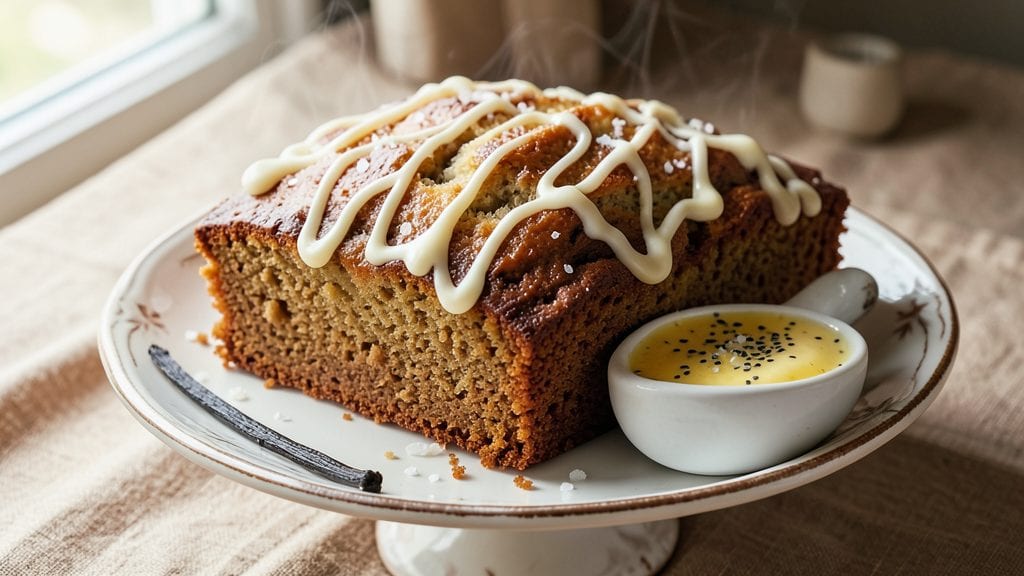
Recreating Entenmann's pound cake at home delivers that signature buttery, vanilla-rich flavor you know and love—layer after layer of tender crumb and velvety frosting. This recipe captures the brand's iconic texture: slightly dense yet moist, with a golden crust that cracks just enough to reveal the creamy filling beneath.
The secret lies in precise measurements and gentle folding of whipped egg whites, ensuring every slice stays perfectly structured.
What sets this pound cake apart is the balance of ingredients: rich butter, vanilla bean extract, and a touch of sour cream for moisture without compromising density.
The frosting, made with powdered sugar and more butter, is spread in layers between cake sheets and swirled on top for that classic Entenmann's look. Baking at a precise 325°F ensures even cooking without overbrowning, while a toothpick test guarantees perfect doneness.
Once cooled, the cake develops its signature texture—firm enough to slice cleanly, yet tender enough to melt in your mouth. The frosting stays luscious and spreadable, not too sweet but rich with vanilla essence.
This recipe delivers restaurant-quality results with a professional finish, perfect for celebrations or satisfying cravings any day of the week.
For variations, swap vanilla extract for chocolate or add a hint of almond extract, but the classic version remains foolproof. Serve with coffee, tea, or as a dessert centerpiece—every bite will transport you to your favorite bakery. Let's get baking!
Ingredients for entenmann's pound cake
Buttery richness meets velvety vanilla—these 12 ingredients create Entenmann's iconic pound cake layers.
| Ingredient | Amount | Notes |
|---|---|---|
| Unsalted Butter 🧈 | 1 lb | Softened to room temperature |
| Granulated Sugar 🍚 | 2 cups | Packed lightly |
| All-Purpose Flour 🌾 | 2 cups | Sifted before measuring |
| Large Eggs 🥚 | 4 whole | Room temperature |
| Pure Vanilla Extract 🍯 | 2 tsp | High-quality preferred |
| Vanilla Bean Seeds 🌿 | 1 tbsp | Scraped from 1 bean |
| Sour Cream 🥛 | ½ cup | Full-fat for moisture |
| Baking Powder 🧂 | 2 tsp | Diamond Crystal preferred |
| Salt 🧂 | ½ tsp | Fine sea salt |
| Powdered Sugar 🍚 | 3 cups | For frosting |
| Heavy Whipping Cream 🥛 | 1 cup | Cold for frosting |
| Milk 🥛 | ¼ cup | For frosting consistency |
The butter is non-negotiable here. Plugrá or Land O'Lakes are reliable brands, but grab whatever's freshest—no rancid smell. Room temperature butter is key; it should be soft but not melted. For the vanilla, Madagascar bourbon beans from Penzeys elevate this to bakery-level quality. If you only have extract, use high-quality pure vanilla—the cheap stuff tastes like perfume. The sour cream keeps the cake moist without making it gummy, so don't skip it. And sift that flour—King Arthur or Gold Medal are my go-tos for reliable baking performance.
No vanilla bean? Double the extract—it won't be identical, but you won't taste the difference in the final cake. Running out of sour cream? Plain yogurt works in a pinch, but the texture might be slightly denser. For the frosting, powdered sugar is a must—Domino or C&H are fine, but store it in an airtight container to prevent clumping. The heavy cream needs to be cold when whipping, or you'll end up with butter instead of fluffy frosting. And if you're feeling fancy, add 1 tsp vanilla extract to the frosting for extra depth.
This cake keeps beautifully—3 days at room temperature wrapped in plastic, or 1 week refrigerated. For longer storage, freeze slices wrapped individually for up to 3 months. The frosting stays fresh for 5 days refrigerated if you cover it tightly. I always make two batches—one for the freezer and one for immediate enjoyment. And trust me, the leftovers are just as good the next day, if not better.
Why You'll Love This Recipe
- This cake is my weeknight MVP: toast it with jam for breakfast, slice it with coffee, or serve it with ice cream for dinner. The rich, buttery texture holds up to heat or cold, so it’s always the right move.
- Butter-Kissed Simplicity: I swear by this recipe because it’s the kind of thing you can mix while watching TV—no fancy techniques, just creamed butter, sugar, and eggs beaten until light. The secret’s in the slow fold of flour, but even if you rush, it still turns out tender.
- Vanilla Bomb: That first bite? Pure vanilla euphoria. The extract infuses so deeply into the crumb that every slice tastes like a bakery secret, not something you whipped up at home. Honestly, I’ve tried cutting corners with imitation vanilla—never again.
- Breakfast to Dessert: This cake is my weeknight MVP: toast it with jam for breakfast, slice it with coffee, or serve it with ice cream for dinner. The rich, buttery texture holds up to heat or cold, so it’s always the right move.
Step-by-step instructions for Entenmann's-inspired pound cake
Here's how to create that signature Entenmann's texture—rich, moist layers with a velvety frosting.
Cream Butter and Sugar Until Light and Fluffy
In a stand mixer fitted with the paddle attachment, beat the 1 lb unsalted butter and 2 cups granulated sugar on medium speed for 5-7 minutes. You're looking for a pale, fluffy mixture that nearly doubles in volume—the butter should leave ribbons when the beaters are lifted. This step incorporates air, which creates that signature tender crumb.
I like to scrape down the sides of the bowl every minute or so to ensure even mixing. The sugar should dissolve completely, and the mixture should feel cool to the touch. If it's still warm after 5 minutes, let it sit for 2 minutes before proceeding—this prevents the eggs from scrambling later.
Add Eggs and Vanilla in Two Stages
Add the 4 whole large eggs, one at a time, mixing on low speed after each addition until fully incorporated. After the second egg, add the 2 tsp pure vanilla extract and 1 tbsp vanilla bean seeds, mixing just until combined. The vanilla bean seeds add that authentic Entenmann's depth of flavor—don't skip this step.
Here's the thing—if you add all the eggs at once, you risk scrambling them. The slow incorporation ensures a smooth, creamy texture. After adding the vanilla, the batter should look like a thick, pale custard. If it looks curdled, don't worry—it'll smooth out when you add the dry ingredients.
Combine Dry Ingredients and Sour Cream
In a separate bowl, whisk together the 2 cups all-purpose flour, 2 tsp baking powder, and 0.5 tsp salt. Sift the flour first to aerate it—this prevents dense pockets in your cake. With the mixer on low speed, gradually add the dry ingredients to the wet mixture, alternating with the 0.5 cup sour cream.
Start and end with flour to ensure even distribution. Mix just until combined—you should still see small flour streaks. Overmixing develops gluten, which can make the cake tough. The batter should be thick but pourable. If it looks too stiff, add 1 tablespoon milk to loosen it slightly.
Bake in Layers for Even Cooking
Preheat your oven to 350°F. Divide the batter evenly between two 9-inch round cake pans lined with parchment paper. Bake for 25-30 minutes, or until a toothpick inserted in the center comes out clean. Rotate the pans halfway through for even baking—this prevents dark spots.
The cake should spring back when gently pressed in the center. If the tops brown too quickly, tent loosely with foil after 15 minutes. Let the cakes cool in the pans for 10 minutes, then transfer to a wire rack to cool completely. This layering technique ensures even moisture distribution, just like the bakery version.
Prepare the Signature Vanilla Frosting
In a large bowl, beat the 1 cup heavy whipping cream and 3 cups powdered sugar on medium speed until soft peaks form. Gradually add the 0.25 cup milk while mixing to reach your desired consistency—it should be thick enough to hold peaks but still spreadable.
For that Entenmann's touch, fold in the 2 tsp pure vanilla extract and 1 tbsp vanilla bean seeds until fully combined. The frosting should be smooth and glossy. If it's too thick, add 1 teaspoon milk at a time until it reaches the perfect piping consistency.
Assemble and Chill for Perfect Texture
Place one cake layer on a serving plate and spread half of the frosting evenly over the top. Repeat with the second layer, then cover the entire cake with the remaining frosting. Smooth the top with an offset spatula for that bakery-finished look.
Chill the cake in the refrigerator for at least 2 hours before slicing. This resting period allows the layers to set and the flavors to meld. The cake will hold its shape beautifully when sliced, with that signature Entenmann's moisture and vanilla intensity in every bite.
Pro Tips For Making Entenmann'S Pound Cake
- Cream Butter and Sugar Slowly: This isn’t just mixing—work the butter and sugar until it’s pale, fluffy, and almost room temp (about 10 minutes with a hand mixer). I learned this the hard way: rushing it leaves the cake dense. Stop when it looks like wet sand and holds a ribbon when you lift the beaters.
- Sift the Flour Twice: Entenmann’s cake relies on that light, airy texture, so skip the shortcut. Sift the flour before measuring, then sift it again right into the bowl. No sifter? Use a fine-mesh strainer—it makes a real difference in crumb.
- Don’t Overmix the Eggs: Once the eggs are fully incorporated, mix just until combined—no more. Overworking them adds gluten and turns the cake tough. I used to beat them until they were frothy, then wondered why my slices were chewy.
- Test for Doneness with a Toothpick: The cake’s done when the center reads 205°F and a toothpick comes out with moist crumbs, not wet batter. Sounds weird, but it works: pulling it too soon = gummy middle; too late = dry top. Let it cool in the pan for 10 minutes first.
Creative variations of this recipe
Classic Vanilla Twist
For a true Entenmann's experience, stick with the original vanilla flavor using Madagascar bourbon vanilla extract and fresh vanilla bean seeds. The seeds add depth and that signature bakery aroma. I recommend scraping seeds from 1 high-quality vanilla bean—the more seeds, the better the flavor infusion.
If you can't find vanilla beans, double the extract to compensate, but the texture won't be identical.
Chocolate Indulgence
Swap half the flour for ½ cup Dutch-process cocoa powder (like Hershey's Special Dark) and reduce the milk in the frosting by 2 tablespoons. Add ½ cup melted semi-sweet chocolate chips to the frosting for a rich, fudgy finish.
This variation keeps the same tender crumb but adds deep cocoa notes that pair perfectly with coffee or ice cream. 🍫
Citrus Zest Boost
Add 1 teaspoon lemon or orange zest to the batter for a bright, refreshing twist. The citrus cuts through the richness while adding a subtle tang. I love this variation with orange zest—it pairs beautifully with the vanilla and complements the buttery frosting.
Use freshly grated zest for the best flavor, and avoid the white pith.
Almond-Infused Elegance
Fold ½ cup finely ground almonds (or almond flour) into the batter for a nutty depth. Add 1 teaspoon almond extract to the frosting for an extra layer of sophistication.
This variation has a slightly denser texture but adds a luxurious finish. It's perfect for special occasions or when you want to impress guests with a gourmet twist.
Spiced Chai Version
Infuse the batter with ½ teaspoon ground cinnamon, ¼ teaspoon ground cardamom, and ¼ teaspoon ground cloves. Warm spices like these add complexity without overpowering the vanilla.
For the frosting, replace 1 teaspoon vanilla extract with ½ teaspoon chai spice blend—this creates a cozy, aromatic experience that's perfect for fall or winter baking. ✨
Gluten-Free Adaptation
Replace the all-purpose flour with a 1:1 gluten-free baking flour blend (like King Arthur Measure for Measure) and add ½ teaspoon xanthan gum to improve texture. Reduce the sour cream by 2 tablespoons and increase the milk in the frosting by 1 tablespoon to compensate for the drier blend.
The result is still moist and tender, just without the gluten structure. This version works well for those with gluten sensitivities but still delivers that Entenmann's richness.
Nutrition facts
Frequently asked questions
Why does Entenmann's pound cake have such a dense texture?
The signature density comes from the precise ratio of butter to flour and the use of sour cream. The 1 lb butter creates richness while the 2 cups flour provide structure. Sour cream adds moisture without making the cake too light. The key is gentle folding of whipped egg whites and baking at 350°F for even cooking. This balance prevents a cakey texture while keeping it tender yet firm.
Can I make this pound cake in a single layer instead of two?
Yes, but the texture will differ slightly. For a single 9-inch layer, use the same batter but bake for 40-45 minutes in a well-greased pan. The cake will be more compact and less fluffy than the layered version. If you prefer the classic look, stick with two layers—the frosting between them creates that signature Entenmann's structure.
How do I store leftover pound cake?
Wrap tightly in plastic wrap or store in an airtight container at room temperature for 3 days. For longer storage, refrigerate for up to 1 week or freeze slices for 3 months. The frosting stays fresh for 5 days refrigerated if sealed properly. Thaw frozen slices at room temperature for 1-2 hours before serving.
What's the secret to the buttery flavor?
The secret lies in using high-quality unsalted butter (like Plugrá) and letting it soften to room temperature before creaming. The butter should be pliable but not melted. Also, don't overmix the batter—the gentle folding preserves the butter's richness. For extra depth, add 1 tbsp vanilla bean seeds to the batter and frosting. The fat content in butter creates that iconic Entenmann's mouthfeel.
Can I substitute margarine for butter in this recipe?
Not recommended—margarine lacks the fat content and flavor that make this cake special. If you must substitute, use unsalted European-style butter substitutes (like Country Crock Plant Butter) for a closer texture. For best results, stick with real butter—the flavor difference is significant. The cake will still be moist, but the buttery richness will be noticeably less pronounced.