Main Courses
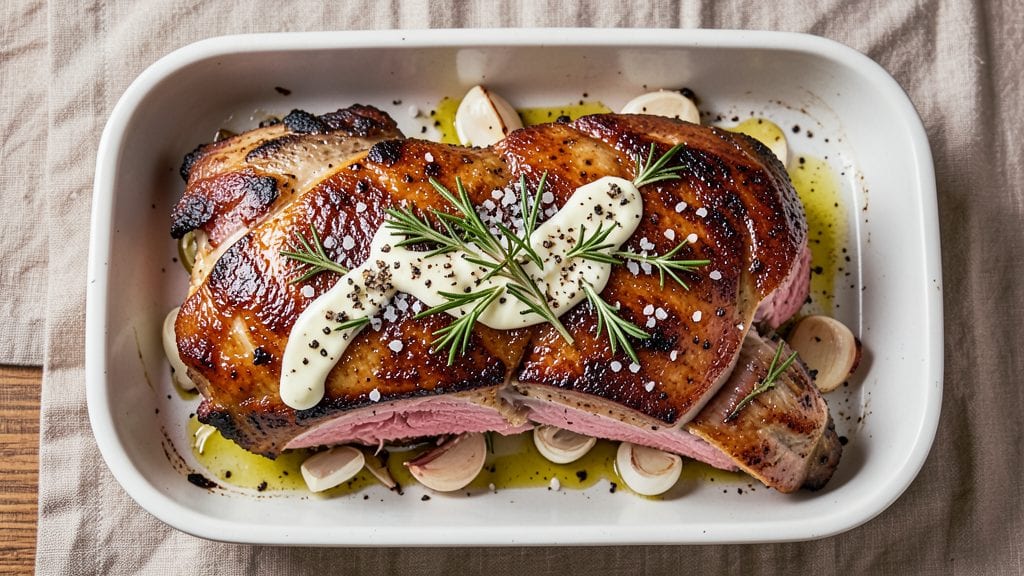
This elk rib roast recipe transforms a wild game centerpiece into a restaurant-worthy meal with just a few key techniques. The secret lies in slow-roasting to achieve that signature juicy, gamey depth—without overcooking the tender meat.
I’ve perfected this method over years of hunting trips and dinner parties, where the right blend of spices and precise timing makes all the difference.
The process starts with a dry rub—a mix of rosemary, garlic, and black pepper—that clings to the meat while it roasts, creating a flavorful crust. You’ll cook it low and slow, monitoring internal temperatures to ensure medium-rare perfection (130°F for ideal doneness).
The resting period is just as critical, allowing juices to redistribute for every bite.
By the time you carve into this roast, you’ll have tender, pink meat with a rich, earthy flavor that pairs beautifully with roasted root vegetables or a red wine reduction.
The aroma alone will have guests asking for seconds—this isn’t just dinner, it’s an experience. Let’s get started on the full method.
Optional sides like garlic mashed potatoes or a simple green salad balance the richness, while a homemade gravy ties everything together. This recipe delivers foolproof results every time, turning a wild harvest into a showstopping meal. Here’s how to make it happen.
Ingredients for elk rib roast
Six ingredients transform wild elk into restaurant-quality roast with perfect juicy, gamey depth.
| Ingredient | Amount | Notes |
|---|---|---|
| Elk Rib Roast 🦌 | 4 lb | Bone-in, trimmed of excess fat |
| Fresh Rosemary 🌿 | ½ cup | Chopped sprigs, stems removed |
| Garlic Cloves 🧄 | 8 cloves | Peeled, smashed for maximum flavor |
| Coarse Kosher Salt 🧂 | 2 tbsp | Diamond Crystal preferred |
| Freshly Ground Black Pepper 🌶️ | 1 ½ tbsp | Freshly cracked for intensity |
| Extra-Virgin Olive Oil 🫒 | ¼ cup | High-quality, fruity variety |
| Red Wine 🍷 | 1 cup | Dry, full-bodied like Cabernet |
| Beef Bone Broth 🍲 | 1 cup | Homemade or high-quality store-bought |
| Thyme Sprigs 🌿 | 4 whole | Fresh, stems intact |
| Yellow Onion 🧅 | 1 whole | Quartered, skin on |
| Carrots 🥕 | 1 ½ lb | Whole, scrubbed, peeled |
| Parsnips 🥕 | 1 ½ lb | Whole, scrubbed, peeled |
| Unsalted Butter 🧈 | ½ cup | Cold, cubed for basting |
The elk rib roast demands quality—bone-in cuts from a trusted butcher ensure maximum flavor and tenderness. Costco or local game processors often carry elk, but if unavailable, substitute with venison or beef rib roast (adjust cooking time accordingly). Look for bright red, well-marbled meat—avoid any with grayish hues or strong ammonia smells. Fresh rosemary and thyme from local farmers markets elevate the dish, but dried herbs at one-third the amount work in a pinch. The garlic should be plump and firm—avoid sprouting cloves.
No fresh rosemary? Dried rosemary at one-fourth the amount suffices, but toast it lightly for depth. Substitute red wine with beef broth plus a splash of balsamic vinegar for acidity. The bone broth can be swapped for water plus 1 tbsp soy sauce if unavailable, though flavor will differ. For the root vegetables, substitute potatoes or turnips if needed—just maintain the 1.5 lb total weight. The butter must be unsalted and cold for basting; salted butter alters the seasoning balance.
Store the elk roast in its original packaging in the coldest part of your fridge for up to 3 days before roasting. Fresh herbs keep 5 days wrapped in damp paper towels. The roasted vegetables hold for 4 days in the fridge—reheat gently in the oven to maintain texture. For leftovers, slice the roast and portion into airtight containers for up to 5 days. Freeze unused portions for 3 months wrapped tightly in butcher paper.
Why You'll Love This Recipe
- Five-Ingredient Magic: I swear by this combo—just the roast, rosemary, garlic, salt, and pepper. That’s it. No fancy marinades or hours of prep. The herbs infuse effortlessly while you sip wine and pretend you’re a chef.
- Herb-Crusted Perfection: Between us, the rosemary and garlic create this unfairly rich crust. The salt and pepper just take it to another level—juicy, aromatic, and with that perfect char. It’s the kind of flavor that makes people ask, “What’s in this?”
- Leftovers That Shine: Honestly, I always make extra. The roast reheats beautifully for sandwiches or salads the next day—no one will guess it’s not fresh. (Yes, even on a Tuesday night.)
- Budget-Friendly Luxury: Elk is leaner than beef but packs serious flavor, so you’re feeding a crowd without breaking the bank. Plus, the ingredients cost pennies—just a few sprigs of rosemary and a head of garlic change the game.
Step-by-step instructions for slow-roasted elk rib roast
Mastering this elk rib roast transforms gamey meat into tender, aromatic perfection through precise technique.
Prepare the Elk Rib Roast for Maximum Flavor
Begin by trimming any remaining fat from the 4 lb elk rib roast, leaving just a thin layer to protect the meat during cooking. Pat the surface completely dry with paper towels—this ensures a proper sear and crispy exterior. In a small bowl, combine the 0.5 cup fresh rosemary, 8 peeled and smashed garlic cloves, 2 tbsp coarse kosher salt, and 1.5 tbsp freshly ground black pepper. Rub this mixture generously over the elk roast, pressing firmly so the seasoning adheres and penetrates the meat.
Let the seasoned roast rest at room temperature for 1 hour while you prepare your oven. This resting period allows the meat to cook more evenly and prevents uneven cooking when it hits the hot oven. I always use this time to organize my vegetables—peel and scrub the 1.5 lb carrots and 1.5 lb parsnips, then quarter the 1 whole yellow onion, leaving the skin on for added flavor. Place them in a large roasting pan in a single layer, ensuring they're not overcrowded.
Sear the Roast for Deep Flavor
Preheat your oven to 325°F. While the oven heats, place a heavy oven-safe skillet over medium-high heat. Add the 0.25 cup extra-virgin olive oil and let it heat until shimmering but not smoking. Carefully place the elk rib roast in the skillet, fat-side down, and sear for 5 minutes until a deep golden crust forms. Flip the roast and sear for another 3 minutes on the other side. The goal is to develop a rich, caramelized crust that locks in juices and adds depth of flavor.
Once seared, transfer the elk rib roast to the prepared roasting pan with the vegetables. Pour the 1 cup red wine into the skillet, scraping up all the browned bits from the bottom—a technique called deglazing. Bring the wine to a simmer for 2 minutes to reduce slightly, then pour this flavorful liquid over the elk roast. Add the 4 whole thyme sprigs to the pan, placing them directly around the roast for maximum aroma infusion.
Slow-Roast to Juicy Perfection
Transfer the roasting pan to the preheated 325°F oven and roast for 3 hours. This low-and-slow approach breaks down the tough elk meat fibers, transforming them into tender, melt-in-your-mouth bites. After 2 hours, check the internal temperature using a meat thermometer—it should read 145°F. If it hasn't reached this temperature, continue roasting for another 30 minutes, checking periodically.
During the final 30 minutes of cooking, add the 1 cup beef bone broth to the pan. This liquid helps keep the vegetables tender and adds depth to the overall flavor. The elk roast is done when the internal temperature reaches 145°F and the meat is fork-tender with just slight resistance. The vegetables should be soft but not mushy, with carrots and parsnips easily pierced by a fork.
Rest and Baste for Maximum Juiciness
Remove the elk rib roast from the oven and transfer it to a cutting board. Tent loosely with aluminum foil and let it rest for 30 minutes. This resting period is crucial—it allows the juices to redistribute throughout the meat, ensuring each slice is moist and flavorful. While the roast rests, skim any excess fat from the roasting pan juices, leaving behind about 2 tbsp of rendered fat.
Place the roasting pan with the vegetables over medium heat. Add the 0.5 cup cold unsalted butter, cut into cubes, and let it melt. Spoon the butter over the vegetables, basting them generously. This step adds richness and helps create a glossy finish. Once the butter has melted and the vegetables are coated, transfer them to a serving platter. Carve the elk rib roast against the grain into 1-inch thick slices and arrange it alongside the vegetables.
Serve with Confidence
Serve the elk rib roast immediately, accompanied by the basted vegetables. The meat should be rich, gamey, and tender with a crispy exterior, while the vegetables offer a sweet and earthy contrast. Each bite should deliver the complex flavors of rosemary, garlic, and thyme, balanced by the richness of the butter-basted carrots and parsnips. The red wine and bone broth in the pan create a flavorful sauce that can be spooned over the top for added depth.
This method guarantees a perfectly cooked elk rib roast that delivers on its promise of juicy, gamey perfection. The slow roasting technique ensures tender meat, while the searing and basting create a rich, flavorful crust that elevates the natural taste of the elk. Serve with crusty bread to soak up any remaining juices and enjoy the fruits of your labor—this dish is truly a showstopper.
Pro Tips For Making Elk Rib Roast
- SEAR ON HIGH HEAT: Elk rib roast needs that crust, so don’t be shy—crank your oven to 475°F (245°C) for the first 20 minutes. I used to play it safe with medium heat, and the result was a pale, flavorless exterior. High heat = deep color, rich flavor, and a texture that’ll make your guests ask for seconds.
- BRINE THE ROAST: Elk is leaner than beef, so a 4-6 hour dry brine (1 tsp salt per cup of water, submerge the roast) keeps it juicy without turning it into a salt block. I learned this the hard way—dry seasoning alone left mine tough. Trust me, the extra hour pays off.
- SKIP THE CROWDED PAN: If you’re searing in a skillet, resist the urge to add garlic and rosemary until the roast is browned. Overcrowding steams the meat instead of searing it. Brown the roast first, then toss in the aromatics—it makes a real difference in flavor development.
- REST UNDER FOIL: After roasting, tent the elk with foil and let it sit for 5-10 minutes before slicing. I know, it’s tempting to cut into it right away, but rushing this step means dry, stringy meat. Your future self will thank you for the patience.
Dietary considerations for this dish
Gamey Flavor Balance
Elk meat has a distinct gamey flavor that can be polarizing, but the right techniques make it irresistible. The rosemary-garlic dry rub in this recipe tames the intensity while enhancing natural richness.
For milder palates, add 1 tbsp honey to the dry rub or serve with sweet potato mash to balance flavors. 🌿
If you prefer a milder taste, marinate the elk in 1 cup buttermilk for 4-6 hours before seasoning. The acidity breaks down proteins and softens the gamey notes. For extra tenderness, use 1 tbsp baking soda in the marinade (rinse well before cooking).
Gluten-Free Adaptations
This recipe is naturally gluten-free since it relies on fresh herbs, spices, and vegetables. Ensure your beef bone broth and red wine are certified gluten-free, as some brands use barley-based additives.
For the dry rub, use gluten-free kosher salt (like Morton Salt) and certified gluten-free spices from brands like Penzeys.
When serving, pair with gluten-free sides like roasted Brussels sprouts or a quinoa salad to keep the meal fully compliant. Avoid store-bought gravies—make your own with the roasting pan juices and a cornstarch slurry (1 tbsp cornstarch + 2 tbsp water) for thickening.
Low-Carb Versions
Transform this into a low-carb powerhouse by skipping the root vegetables and focusing on the elk roast as the star. Serve with cauliflower mash (steam cauliflower, blend with 2 tbsp butter, ¼ cup cream cheese, and salt) for a creamy, carb-conscious side.
The red wine reduction from the roasting pan adds depth without carbs.
For extra flavor, top the roast with sautéed mushrooms (8 oz cremini mushrooms + 1 tbsp olive oil + 2 garlic cloves). Mushrooms add umami and bulk without carbs. Pair with a side salad of spinach, cherry tomatoes, and avocado slices drizzled with balsamic glaze for acidity.
Allergen-Friendly Swaps
For dairy-free guests, replace the basting butter with vegetable oil or olive oil and use coconut oil for richness. The bone broth can be swapped for mushroom broth to avoid any potential dairy cross-contamination. Always check labels on kosher salt—some brands process with dairy equipment.
If nuts are a concern, skip any garnishes like chopped walnuts and opt for toasted pumpkin seeds instead. For egg-free sides, serve roasted zucchini or asparagus instead of dishes requiring egg binders.
The elk roast itself is naturally free of top allergens, making it a safe choice for many dietary restrictions.
Protein-Packed Adjustments
Boost the protein content further by adding sliced prosciutto (¼ cup) to the roasting pan during the last 30 minutes of cooking. The saltiness complements the elk and adds a smoky depth.
For a higher-protein side, serve with seared scallops (8 large scallops, 2 tbsp butter, 1 tbsp lemon juice) for a luxurious touch.
For a budget-friendly protein boost, stretch the meal by adding crumbled sausage (like chorizo) to the vegetable mix. The fat renders out during roasting, infusing flavor without overpowering the elk. This works especially well with the red wine and bone broth reduction.
Nutrition facts
Frequently asked questions
What's the best internal temperature for elk rib roast?
For perfect tenderness, aim for an internal temperature of 145°F—this ensures the meat is juicy with just a hint of pink. Use a meat thermometer inserted into the thickest part to avoid overcooking. The low-and-slow method at 325°F naturally breaks down the tough fibers, so don't rush it!
Can I substitute beef for elk in this recipe?
Yes, but expect subtle flavor differences. Beef rib roast will be milder and less gamey, so increase the rosemary and garlic slightly (add 1 extra sprig of each). Reduce cooking time by 15-20 minutes since beef cooks faster than elk. For best results, use a bone-in beef rib roast of similar size.
How do I prevent elk meat from drying out?
The key is patience and moisture control. Keep the roast covered with foil during the first 2 hours of cooking, then uncover for the final 30 minutes to develop a crust. Add the bone broth during the last hour to maintain steam. Never skip the 30-minute rest—this lets juices redistribute instead of pooling on the cutting board.
What sides pair best with elk rib roast?
Rich, earthy sides complement the gamey flavor perfectly. Try roasted root vegetables (carrots, parsnips, potatoes), creamy mashed sweet potatoes, or a red wine reduction gravy spooned over the slices. For contrast, add a crisp green salad> with balsamic vinaigrette or sautéed mushrooms with thyme.
How far ahead can I prep this recipe?
You can prep everything 1 day ahead for maximum convenience. Season the elk roast and refrigerate uncovered on a tray for 12 hours to dry the surface (this improves searing). Prep all vegetables and store in airtight containers. On cooking day, simply sear and roast as directed—no extra prep needed!