
Side Dishes
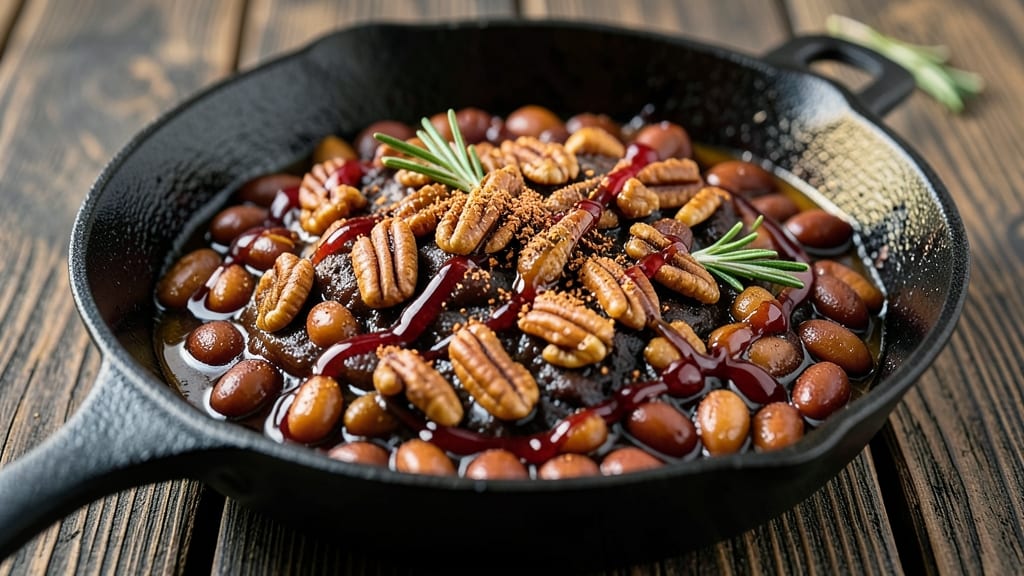
Transforming classic Bush's baked beans into this doctored-up version is the secret to elevating any meal from ordinary to extraordinary. The key lies in balancing smoky depth with caramelized edges, creating a side dish that steals the show—whether paired with brisket, grilled chicken, or even as a hearty vegetarian main.
I’ve refined this recipe over countless cookouts, ensuring every batch delivers that perfect harmony of sweet, smoky, and savory flavors.
What sets this recipe apart is the careful blend of spices and slow-cooked technique that transforms canned beans into something restaurant-worthy. Brown sugar caramelizes on the edges, while molasses adds a rich, molasses-like depth that’s impossible to resist.
The addition of smoked paprika and liquid smoke infuses that signature barbecue aroma without overpowering the natural sweetness of the beans.
By the time these beans emerge from the oven, they’ll be tender yet firm, with edges that are almost candy-like in their caramelization. The sauce clings to each bean, creating a glossy, sticky coating that’s both visually appealing and irresistibly flavorful.
This isn’t just a side dish—it’s the centerpiece that brings everyone back for seconds.
Perfect for game day spreads, backyard barbecues, or even a cozy weeknight dinner, these beans pair beautifully with grilled meats, cornbread, or even as a standalone dish. The best part? You can make them ahead and let the flavors deepen over time. Let’s get cooking—your taste buds will thank you.
Ingredients for doctored up bush's baked beans
Sixteen ingredients transform canned beans into a show-stopping, smoky-sweet masterpiece.
| Ingredient | Amount | Notes |
|---|---|---|
| Bush's Baked Beans (28 oz can) 🍲 | 1 can | High-quality, no artificial flavors |
| Light Brown Sugar 🍯 | ½ cup | Packed, for caramelization |
| Molasses 🍯 | ¼ cup | Unsulphured for authentic depth |
| Smoked Paprika 🌶️ | 2 tbsp | High-quality, not smoked chili powder |
| Liquid Smoke 🔥 | 1 tsp | Pure, no additives |
| Apple Cider Vinegar 🍏 | 2 tbsp | For tangy balance |
| Mustard (Dijon or Yellow) 🥬 | 1 tbsp | Freshly ground preferred |
| Kosher Salt 🧂 | 1 ½ tsp | Diamond Crystal preferred |
| Black Pepper 🌶️ | ½ tsp | Freshly cracked |
| Onion Powder 🧅 | 1 tsp | For subtle depth |
| Garlic Powder 🧄 | ½ tsp | Freshly ground preferred |
| Unsalted Butter 🧈 | 2 tbsp | Cold, for rich finish |
| Fresh Thyme Leaves 🌿 | ¼ tsp | Or 1/4 tsp dried thyme |
| Bay Leaf 🌿 | 1 whole | Removed before serving |
The molasses and brown sugar are non-negotiable for that deep, caramelized edge—Trader Joe's or Whole Foods carry the best unsulphured molasses, but any high-quality brand works. Smoked paprika? Penzeys or McCormick smoked paprika give that authentic barbecue aroma without overpowering. Liquid smoke is a game-changer here (the Kirkland Signature brand is my go-to), but if you're avoiding it, double the smoked paprika. The Bush's beans are the base, but don't skimp on quality—this is where the magic starts. Fresh thyme adds a subtle herbal note that elevates everything, so grab a bunch and use half for this, the rest for other dishes.
No molasses? Maple syrup works in a pinch, but it lacks that deep, smoky complexity. Short on smoked paprika? Chipotle powder at half the amount gives a similar kick. The apple cider vinegar is crucial for cutting through the sweetness—substitute lemon juice if you're out, but it won't be quite the same. Dijon mustard adds a sharpness that yellow mustard can't match, so if you've only got yellow, add a pinch of extra salt. The butter at the end is what makes these beans restaurant-worthy—don't skip it, even if you're watching calories. Trust me, the richness is worth it.
These beans taste even better the next day, so make a big batch. Store leftovers in an airtight container in the fridge for up to 5 days, or freeze for 3 months. I like to portion them into individual containers so I can grab and reheat for quick meals. The caramelized edges crisp up beautifully when reheated—just add a splash of water or broth to keep them moist. Perfect for game day, potlucks, or even a cozy weeknight dinner. The flavors deepen over time, so the longer you wait to serve, the better they get.
Why You'll Love This Recipe
- Pantry-to-Pot Magic: I swear by this recipe because it starts with one can—no chopping, no measuring cups, just open, stir, and simmer. The molasses and smoked paprika do all the work while I’m folding laundry.
- Smoky-Sweet Obsession: That first bite? Rich, caramelized beans with a deep molasses warmth and a whisper of smoky paprika—like someone took a classic and gave it a campfire upgrade. Honestly, I’ve tried store-bought gourmet beans, and these still win.
- Lazy Meal Prep Hero: Make a double batch on Sunday, and you’ve got lunch for the week. Slap them on toast for breakfast, toss with rice for dinner, or even pile them into a tortilla for a quick taco night. (Yes, even on a Tuesday night.)
- Budget Hack That Works: For under $3, I feed four people a meal that feels fancy. The liquid smoke and brown sugar stretch the canned beans into something special—no fancy ingredients, just smart tweaks. My wallet thanks me every time.
Step-by-step instructions for smoky-sweet depth with caramelized edges
Transform canned beans into a restaurant-worthy masterpiece with this elevated technique.
Melt Butter and Bloom the Spices
In a large Dutch oven or heavy pot, melt the 2 tablespoons unsalted butter over medium heat until it foams and smells nutty—about 2 minutes. This butter will form the rich, caramelized foundation for your beans.
Immediately reduce heat to low and add the 2 tablespoons smoked paprika, stirring constantly for 30 seconds until fragrant. This step, called blooming, awakens the paprika's smoky depth before any liquid is added. Watch closely—paprika burns quickly and turns bitter.
Build the Flavor Base
Increase heat to medium-low and add the 0.5 cup packed light brown sugar and 0.25 cup molasses, stirring until completely melted and combined—about 3 minutes. The mixture will darken and thicken slightly as it caramelizes. Here's where the magic happens: this sweet-savory base creates the perfect balance for the smoky elements.
Pour in the 2 tablespoons apple cider vinegar and 1 tablespoon mustard, stirring vigorously to emulsify. The vinegar cuts through the sweetness while the mustard adds a subtle tang. Let this mixture bubble gently for 1 minute until it thickens into a glossy syrup.
Incorporate the Beans and Seasonings
Add the 1 can Bush's Baked Beans, breaking up any large clumps with a wooden spoon. Stir in the 1.5 teaspoons kosher salt, 0.5 teaspoon black pepper, 1 teaspoon onion powder, 0.5 teaspoon garlic powder, 1 teaspoon liquid smoke, and 0.25 teaspoon fresh thyme leaves. The beans will absorb these flavors immediately, transforming from ordinary to extraordinary.
Add the 1 whole bay leaf and bring the mixture to a gentle simmer over medium heat. Here's the thing—you want just enough heat to maintain gentle bubbling without boiling vigorously. This controlled simmer prevents the beans from becoming mushy while allowing the flavors to meld beautifully.
Simmer to Perfection
Reduce heat to low and let the beans simmer uncovered for 45-50 minutes, stirring occasionally. This long, slow cook develops deep, complex flavors and allows the caramelized sugars to create those coveted crispy edges on top. You'll know it's ready when the beans are heated through and the sauce has thickened to a perfect consistency—almost like a thick chili.
Taste and adjust seasoning if needed. I usually find the beans need just a touch more salt at this stage—remember, you can always add more, but you can't take it out. The final texture should be thick enough to coat the back of a spoon but still spreadable, with visible caramelized bits on top.
Rest and Serve
Remove from heat and let the beans rest for 10 minutes before serving. This resting period allows the flavors to fully develop and the beans to absorb all that delicious liquid. Don't skip this step—it makes a world of difference in the final texture and taste.
Before serving, carefully remove and discard the bay leaf. Ladle the beans into bowls, making sure to get those beautiful caramelized bits from the top. Serve immediately with cornbread or crusty bread to soak up every last drop of that smoky-sweet sauce. The contrast of warm, crispy bread with these rich, velvety beans is pure comfort food perfection.
Pro Tips For Making Doctored Up Bush'S Baked Beans
- Simmer Slow and Steady: After burning the molasses the first three times, I learned to keep the heat at a gentle simmer—not a rolling boil. This recipe isn’t a race, and rushing it turns that rich caramelized flavor into bitter smoke. Let it bubble quietly for at least 45 minutes, stirring occasionally, so the sugar and liquid smoke meld instead of fight.
- Whisk the Molasses First: That thick, sticky molasses? Don’t just dump it in. Whisk it into the brown sugar and a splash of water (or even a little of the beans’ liquid) before adding it to the pot. This prevents clumping and ensures it dissolves smoothly—no one wants lumpy, under-seasoned pockets in their beans.
- Skip the Pre-Measure Liquid Smoke: The recipe might call for a specific amount, but I’ve found that ½ teaspoon is often too much—it can taste like a campfire instead of a subtle smoky depth. Start with ¼ teaspoon, taste after 20 minutes, and add more if needed. You’re aiming for a whisper of smoke, not a bonfire.
- Stir in the Paprika Early: Smoked paprika loses its punch if you let it sit in hot liquid too long. Fold it into the beans during the first 15 minutes of cooking, then taste again at 30 minutes. This keeps the flavor vibrant and prevents it from turning bitter—like the time I waited too long and ended up with dusty, flavorless beans.
Troubleshooting your doctored up bush's baked beans
Beans Too Watery?
If your beans end up with too much liquid, don’t panic—simmering uncovered on medium-low heat for an extra 15-20 minutes will reduce the sauce naturally. I’ve found that using a heavy-bottomed Dutch oven (like Le Creuset) helps concentrate flavors better than thin pots.
Just keep an eye on it to avoid scorching.
Sauce Too Thin?
A thin sauce usually means the beans need more time to absorb the liquid. If you’re short on time, mix 1 tablespoon cornstarch with 1 tablespoon cold water, stir into the beans, and simmer for 3-5 minutes until thickened.
For a smoother texture, mash a few beans with a fork to release starches that naturally thicken the sauce.
Burnt or Bitter Taste?
If your beans taste burnt or bitter, it’s likely from overcooking or letting the spices (especially smoked paprika) burn. Always bloom spices on low heat—never medium or high. For extra insurance, add a splash of apple cider vinegar (already in the recipe) to brighten flavors if needed.
A pinch of fresh thyme or a drizzle of honey can also help balance harsh notes.
Caramelized Edges Missing?
Those coveted crispy edges happen when sugars caramelize during simmering. To encourage this, stir occasionally to bring liquid to the surface, then let it reduce naturally. If your beans aren’t developing edges, try increasing the brown sugar to 0.6 cup and simmering uncovered for an extra 10 minutes.
A quick broil for 2-3 minutes at the end can also help crisp the top.
Beans Too Mushy?
Overcooking or using too much liquid is the usual culprit. For firmer beans, reduce simmering time to 30-40 minutes and avoid stirring too aggressively. If they’re already mushy, drain half the liquid through a fine-mesh strainer and return the beans to the pot to thicken.
A splash of apple cider vinegar helps tighten the texture while adding tang.
Flavor Too Sweet?
Too much sugar or molasses can overpower the smoky flavors. Balance it by adding 1 extra tablespoon apple cider vinegar or a pinch of salt to enhance other flavors.
If the beans taste cloying, stir in 1 teaspoon Dijon mustard or a dash of hot sauce to cut through the sweetness. Taste as you go—adjust gradually!
Nutrition facts
Frequently asked questions
Can I use regular baked beans instead of Bush's?
Yes, but quality matters! Any good-quality canned baked beans will work, but avoid brands with artificial flavors or excessive sodium. The key is starting with a flavorful base—look for brands that include brown sugar or molasses in their ingredients. If using a generic brand, add an extra 1/2 teaspoon of smoked paprika and 1/2 tablespoon molasses to compensate.
How do I make these beans vegetarian?
This recipe is already vegetarian-friendly! Just skip any meat-based additions (like bacon or ham hocks). For extra richness, stir in 1/4 cup nutritional yeast or 2 tablespoons soy sauce during the simmering stage. The umami boost will complement the smoky-sweet flavors beautifully.
Can I make these in a slow cooker?
Follow the same steps for blooming spices and building the flavor base, then transfer everything to your slow cooker. Cook on low for 4-5 hours or high for 2-3 hours, stirring occasionally. The slow cooker method is perfect for hands-off cooking and often yields even deeper flavors. Just add the bay leaf and let it steep during cooking.
What's the best way to reheat leftovers?
Reheat gently in a saucepan over low heat with a splash of water or broth to prevent drying. Stir occasionally until warmed through—about 5-7 minutes. For crispy edges, transfer to a skillet and warm on medium heat for 2-3 minutes until caramelized bits re-form. Never microwave unless you want mushy beans!
Can I substitute maple syrup for molasses?
Yes, but expect slightly different results. Use 1/3 cup maple syrup instead of the 1/4 cup molasses and add 1/2 teaspoon cinnamon to mimic molasses' depth. Maple syrup will make the beans slightly sweeter and less complex, but it works in a pinch. For the best flavor, stick with molasses when possible.