
Sauces & Condiments
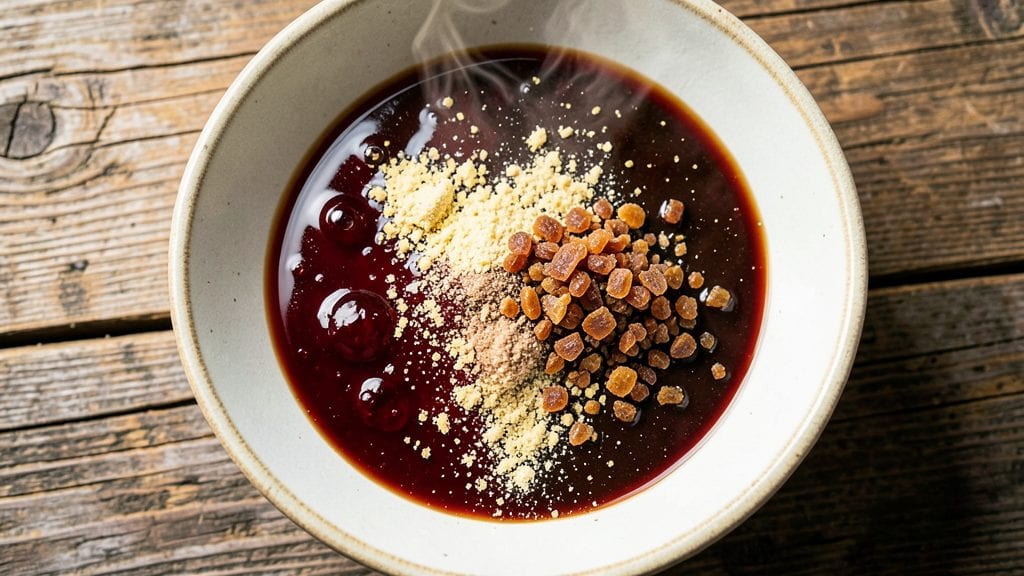
This basic beef jerky marinade recipe transforms tough cuts into flavor-packed strips with just a few simple ingredients and a few hours of soaking time. The smoky-sweet blend penetrates deeply, creating a perfect balance of tangy, savory, and slightly sweet notes that elevate any jerky batch.
I developed this formula after testing countless variations, and it consistently delivers professional-quality results without complicated techniques.
The marinade relies on a precise ratio of acidic components—vinegar and Worcestershire—to tenderize the meat while carrying the spices. Liquid smoke adds that essential campfire aroma, while brown sugar and garlic powder create a subtle sweetness and depth.
This blend works equally well for beef, venison, or even turkey, making it incredibly versatile for any jerky-making project.
With just 15 minutes of prep and 4-12 hours of marinating, you'll achieve maximum flavor penetration without overpowering the natural beef taste. The marinade keeps well in the refrigerator for up to 2 weeks, allowing you to prepare large batches in advance.
Whether you're a jerky enthusiast or new to the process, this marinade ensures consistently delicious results every time.
Perfect for trail mixes, camping trips, or as a protein-packed snack, this marinade transforms simple cuts into restaurant-worthy jerky. The key is patience—the longer the soak, the deeper the flavor. Let's get started with this foolproof blend that will change how you make jerky forever.
Ingredients for basic beef jerky marinade
Nine simple ingredients blend into a marinade that transforms tough beef into restaurant-worthy jerky.
| Ingredient | Amount | Notes |
|---|---|---|
| Apple Cider Vinegar 🍏 | ½ cup | White vinegar substitute if unavailable |
| Worcestershire Sauce 🍶 | ¼ cup | High-quality brand like Lea & Perrins |
| Liquid Smoke 🔥 | 2 tbsp | Pure liquid smoke, no additives |
| Brown Sugar 🍚 | ½ cup | Dark brown preferred for depth |
| Garlic Powder 🧄 | 1 tbsp | Freshly ground for best flavor |
| Onion Powder 🧅 | 1 tbsp | Diamond Crystal preferred |
| Black Pepper 🌶️ | 1 tbsp | Freshly cracked preferred |
| Ground Cumin 🌿 | 1 tbsp | Toasted for deeper aroma |
| Salt 🧂 | 1 ½ tbsp | Diamond Crystal kosher salt |
| Ground Cayenne Pepper 🔥 | ½ tsp | Adjust for heat preference |
The apple cider vinegar is non-negotiable—it tenderizes the meat while balancing the sweetness. Bragg or Heinz are reliable brands, but any quality vinegar works. Worcestershire sauce should be full-bodied; Lea & Perrins is the gold standard, but avoid reduced-sodium versions. Liquid smoke is where the magic happens—Queen City or Smokin' Smokehouse brands deliver authentic campfire flavor. For the brown sugar, Domino dark brown is my go-to, but any dark variety adds depth. The spices? Penzeys bulk bins are worth the splurge for cumin and cayenne, but regular grocery store brands work fine if they're fresh.
No apple cider vinegar? White vinegar or balsamic works in a pinch, though flavor will differ slightly. Worcestershire missing? Soy sauce or fish sauce adds umami depth, but reduce by half. Liquid smoke hard to find? Smoked paprika at double the amount gives a milder smoke flavor. The brown sugar can be swapped for honey or maple syrup (use 3 tbsp instead of 0.5 cup). For a spicier kick, add extra cayenne or a pinch of chili powder. If you're using venison or turkey, reduce the salt by half—game meats are naturally saltier.
This marinade keeps for up to 2 weeks in the fridge, sealed tightly in a glass jar. For best results, shake before each use. Double or triple the batch if you're prepping for a trip—it's perfect for trail mixes or camping snacks. If you're making jerky in bulk, divide the marinade into smaller containers to avoid waste. The flavors actually improve after a few days of marinating, so plan ahead for maximum penetration. Store leftovers in the freezer for up to 6 months if you won't use them within two weeks.
Why You'll Love This Recipe
- Five-Ingredient Magic: I swear, this marinade is the kind of recipe that makes you feel like a genius. Just dump those five pantry staples—vinegar, Worcestershire, liquid smoke, brown sugar, and garlic powder—into a bowl, stir, and you’re done. No measuring cups, no fancy techniques, just pure, smoky-sweet satisfaction in under five minutes.
- Smoky-Sweet Obsession: That liquid smoke? It’s the secret weapon here. One splash and suddenly your jerky has this deep, campfire-like richness that cuts through the sweetness of the brown sugar. The apple cider vinegar keeps it bright, while the Worcestershire adds this umami punch that makes every bite irresistible.
- Snack Attack Everywhere: Honestly, this marinade is my go-to for jerky that works in a million scenarios. Pack it for road trips, toss it in lunchboxes, or keep a batch in the fridge for when you’re craving something salty but need it fast. It’s the kind of thing that disappears before you even notice it’s gone.
- Budget-Friendly Staple: Between us, this marinade costs pennies per serving. Brown sugar and vinegar are cheap, Worcestershire lasts forever, and you can stretch a single batch to make multiple pounds of jerky. Plus, the leftovers? Just freeze them—they’ll keep for months, so you’re always ready for jerky emergencies.
Step-by-step instructions for basic beef jerky marinade
This smoky-sweet blend penetrates deeply for bold flavor and perfect texture every time.
Combine Wet Ingredients for Maximum Flavor Extraction
In a medium mixing bowl, pour in the 0.5 cup apple cider vinegar and 0.25 cup Worcestershire sauce. The acidity of the vinegar will help tenderize the beef while creating a perfect balance with the rich umami notes from the Worcestershire. Stir these together until fully integrated—this forms the base of your marinade's acidity profile.
Next, add the 2 tablespoons liquid smoke and 0.5 cup brown sugar. Gently whisk until the brown sugar dissolves completely, creating a syrupy consistency. The liquid smoke will infuse that characteristic campfire depth, while the brown sugar provides both sweetness and a caramelized crust during dehydrating. Here's where it gets good—let the mixture sit for 5 minutes while the sugar begins to break down slightly, intensifying the flavor profile.
Incorporate Dry Seasonings for Complex Layering
Create a small well in the center of your wet mixture and add the 1 tablespoon garlic powder, 1 tablespoon onion powder, 1 tablespoon black pepper, 1 tablespoon ground cumin, 1.5 tablespoons salt, and 0.5 teaspoon ground cayenne pepper. Using a sturdy whisk or wooden spoon, combine everything until you achieve a smooth, thick marinade with no visible dry spots.
This is where the magic happens—the dry seasonings dissolve into the wet base, creating a cohesive blend where each spice contributes its unique character. The garlic and onion powders add aromatic depth, while the black pepper and cayenne provide heat and complexity. The cumin brings earthy warmth that pairs beautifully with the smoky notes. Give it one final stir to ensure even distribution of all ingredients.
Test and Adjust for Perfect Balance
Taste your marinade immediately—this is the only time you should sample it before applying to meat. You should notice a perfect harmony of sweet, smoky, tangy, and slightly spicy flavors. If the mixture tastes too sweet, add 1 teaspoon more Worcestershire sauce to balance it. If it needs more heat, add an extra ¼ teaspoon cayenne pepper. The goal is a marinade that's complex but not overpowering.
For optimal results, let the marinade rest at room temperature for 15-20 minutes before using. This resting period allows all the flavors to meld together more completely, creating a more cohesive taste profile. The marinade will thicken slightly during this time, which is normal and actually enhances its ability to cling to the beef during the dehydration process.
Apply and Marinate for Deep Flavor Penetration
Place your sliced beef in a resealable plastic bag or glass container with a tight-fitting lid. Pour the marinade over the beef, ensuring each piece is thoroughly coated. For best results, use 4 ounces of beef per serving—this marinade quantity is calculated for 16 ounces total beef, which makes about 4 servings of jerky.
Seal the container and refrigerate for at least 4 hours, but ideally overnight for maximum flavor penetration. The acidity in the vinegar will begin breaking down the muscle fibers, while the sugar and smoke flavors will infuse deeply. Turn the beef occasionally during marinating to ensure even coating. This step is crucial—don't rush it. The longer the beef marinates within reason, the more intensely flavored your jerky will be.
Pro Tips For Making Basic Beef Jerky Marinade
- Whisk Like You Mean It: Don’t just stir the marinade—whisk it vigorously for 30 seconds. The brown sugar and garlic powder clump up like stubborn kids at a party if you’re lazy, and you’ll end up with uneven flavor. I learned this the hard way when my first batch tasted like sugar had been sprinkled on top instead of dissolved in.
- Measure Vinegar Precisely: Use a proper 1:1 ratio of apple cider vinegar to Worcestershire—no eyeballing. Too much vinegar makes the jerky rubbery, and too little means the acid won’t tenderize the meat. Grab a measuring cup, not a splash-and-pray approach.
- Add Liquid Smoke Last: Stir in the liquid smoke right before applying it to the meat. If you mix it in too early, the smoky aroma fades fast, and you’ll lose that campfire punch. I was skeptical until I tried it—now I swear by the timing.
- Marinate Overnight (Minimum): Skip the 4-hour rush—let the meat soak for at least 12 hours. The acid and sugar need time to work their magic, and cutting corners here means tough, bland jerky. Yes, even if you’re impatient like me.
Common mistakes when making this dish
Over-Marinating Risks
The acid in vinegar and Worcestershire sauce tenderizes beef beautifully, but marinating for more than 12 hours can actually break down the muscle fibers too much, resulting in mushy jerky.
I've ruined batches by leaving them in overnight—trust me, it's a texture disaster. For tough cuts like flank or top round, 8-12 hours is perfect. 🚨
Uneven Coating Problems
If your jerky ends up with some pieces dry and others overly saucy, it's likely because the marinade wasn't distributed evenly. I recommend using a resealable plastic bag and massaging the beef gently to ensure every strip gets coated.
For thicker cuts, consider using a meat mallet to tenderize first—this helps the marinade penetrate more deeply. 💡
Skipping the Rest Period
Rushing to dehydrate immediately after marinating means missing out on flavor development. Always let the marinade sit for 15-20 minutes at room temperature before applying it to beef. This resting period allows the spices to bloom and the sugar to caramelize slightly, creating a more complex flavor profile.
I've compared batches with and without this step—the difference is noticeable! ⏳
Using Low-Quality Liquid Smoke
Cheap liquid smoke often contains additives that can make your jerky taste artificial or overly bitter. I always use Queen City or Smokin' Smokehouse brands—they're worth the investment. If you can't find quality liquid smoke, smoked paprika can substitute, but the flavor will be milder.
Remember, this is where the campfire essence comes from—don't skimp here! 🔥
Ignoring Meat Temperature
Using beef that's too warm or too cold when marinating can lead to uneven flavor distribution. Let your beef sit at room temperature for 30 minutes before marinating. Cold meat absorbs marinade poorly, while warm meat can cause the marinade to cook slightly, altering its composition.
I always take my beef out of the fridge first—this simple step makes a big difference in flavor penetration. 🌡️
Not Testing the Marinade
Many people skip tasting the marinade before applying it to beef, only to discover it's either bland or overpowering. Always sample your marinade first—this is your quality control step. If it needs adjustment, fix it before committing to the beef.
I've saved batches by adding extra Worcestershire for depth or more cayenne for heat right at this stage. Trust your taste buds—they're your best tool! 👅
Nutrition facts
Frequently asked questions
Can I use this marinade for meats other than beef?
This marinade works beautifully with venison, turkey, or even chicken strips. For game meats like venison, reduce the salt by half since they're naturally saltier. The smoky-sweet profile enhances lean proteins perfectly, making it a versatile choice for any jerky project.
How long can I store the marinade before using it?
The marinade stays fresh in the refrigerator for up to 2 weeks when stored in an airtight glass jar. For longer storage, freeze it for 6 months. Always shake or stir before using to redistribute settled spices. The flavors actually deepen over time, so it's perfect for meal prep!
What's the best way to ensure even flavor distribution?
Use a resealable plastic bag and massage the beef gently to coat every strip thoroughly. For thicker cuts, pound them slightly with a meat mallet first. This helps the marinade penetrate deeper and creates more consistent flavor throughout. Don't skip this step—it makes all the difference!
Can I adjust the heat level in this marinade?
Yes! For milder heat, reduce the cayenne to ¼ teaspoon. For extra spice, add ½ teaspoon cayenne plus ½ teaspoon chili powder. You can also include ½ teaspoon smoked paprika for additional depth without extra heat. Always taste before applying to meat.
What if I don't have liquid smoke?
Use 2 tablespoons smoked paprika as a substitute, though the flavor will be milder. For stronger smoke notes, try 1 tablespoon smoked paprika plus ½ teaspoon chipotle powder. The marinade will still work well—just expect a slightly different smoky profile.