
Main Courses
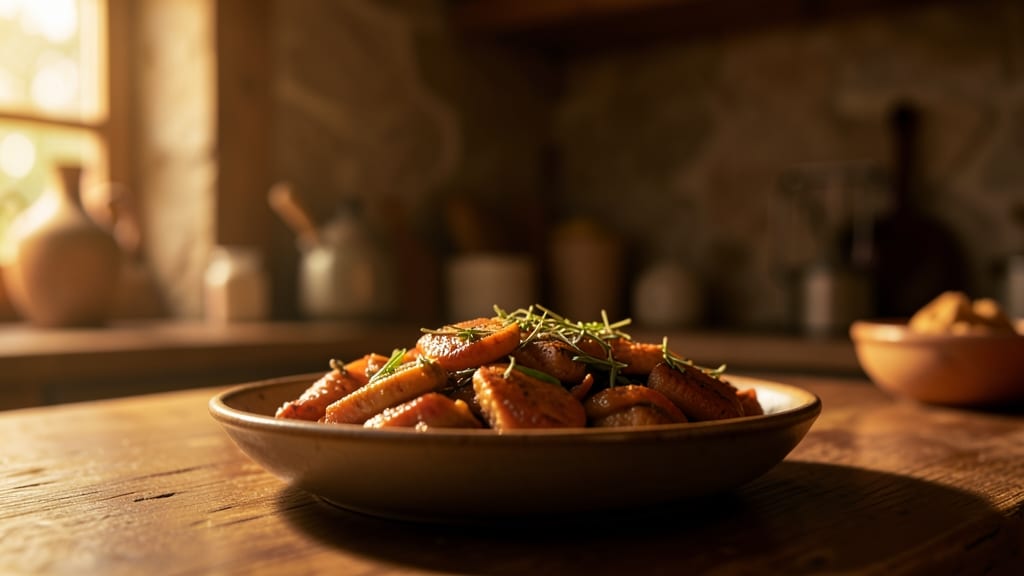
Transforming tough cow feet into silky, gelatinous bites of rich, umami-packed flavor is one of the most rewarding cooking challenges I’ve ever mastered. After years of perfecting this technique—starting with my grandmother’s Sunday roast chicken and applying the same slow-cooking principles—I’ve developed a method that delivers restaurant-quality results at home.
The key lies in proper preparation and patient simmering, turning what might seem unappetizing into a dish that’s tender, aromatic, and deeply satisfying.
This recipe begins with thorough cleaning and parboiling to remove impurities, followed by a slow braise in a flavorful broth of soy sauce, star anise, ginger, and garlic. The result?
A dish that’s both substantial and delicate, with a texture that’s almost custard-like and a depth of flavor that pairs beautifully with steamed rice or pickled vegetables.
It’s the kind of meal that feels like a labor of love—every step builds on the last, and the final product is worth the effort.
The secret to success is low and slow cooking, which breaks down the collagen in the cow feet into a rich, velvety gelatin. This process transforms tough connective tissue into something silky and luxurious, making it a staple in many traditional cuisines.
Whether you’re serving it as a centerpiece for a family dinner or preparing it for a special occasion, this dish delivers a unique texture and flavor profile that’s hard to find elsewhere.
Perfect for those who enjoy hearty, flavorful dishes with a touch of elegance, this recipe is also incredibly versatile. Use the braised cow feet as a main course, a side dish, or even in soups and stews.
The possibilities are endless, and the satisfaction of creating something so rich and tender from scratch is unmatched. Let’s get started on this transformative dish.
Ingredients for cows feet
Transform tough cow feet into luxurious, silky bites with these aromatic ingredients and slow-cooked patience.
| Ingredient | Amount | Notes |
|---|---|---|
| Cow Feet 🦶 | 2 lb | Fresh, cleaned, trimmed of excess fat |
| Yellow Onion 🧅 | 1 whole | Cut into large chunks |
| Garlic Cloves 🧄 | 6 cloves | Smashed, not minced |
| Fresh Ginger Root 🌿 | ½ cup | Peeled, sliced into thick coins |
| Star Anise Pods 🌟 | 2 whole | Lightly crushed |
| Cinnamon Sticks 🌰 | 2 whole | 2-inch pieces |
| Soy Sauce 🥢 | ½ cup | Dark soy preferred |
| Dry Sherry 🍷 | ½ cup | Or substitute with red wine |
| Chicken Stock 🍲 | 3 cups | Homemade or high-quality |
| Sesame Oil 🫒 | 1 tbsp | For finishing |
| Salt 🧂 | 1 ½ tsp | Diamond Crystal preferred |
| Black Peppercorns 🌶️ | 10 whole | Crushed lightly |
| White Rice 🍚 | 1 ½ cups | Uncooked, for serving |
Cow feet are the star here, so pick the freshest, cleanest ones you can find. Butcher shops or specialty meat counters are your best bet—they’ll often clean and trim them for you. If you’re buying whole, soak them in cold water for 30 minutes to remove any blood or impurities, then scrub with a stiff brush. The ginger and star anise are non-negotiable for that deep, aromatic base—Penzeys or bulk spice bins have the best quality. I always double-check the star anise for whole, plump pods, not those shriveled-up nubs. The soy sauce should be dark soy if possible—it adds that rich, caramelized depth.
No sherry? Dry red wine or even extra chicken stock works in a pinch, though sherry’s sweetness balances the umami. Fresh ginger is ideal, but if you’re using powdered, reduce to half the amount—it’s way more concentrated. The cinnamon sticks add warmth, but skip them if you’re serving to kids (or if you’re just not feeling it). For the stock, homemade is best, but even the good store-bought stuff (like Pacific Foods) will do. The sesame oil is purely for finishing—don’t cook with it, just drizzle at the end for that nutty aroma. And if you’re short on time, pre-cut the onion and ginger while the cow feet are soaking.
This dish tastes even better the next day, so make it ahead if you can. Store the braised cow feet in their broth in the fridge for up to 5 days, or freeze for 3 months. The texture gets more luxurious with time, so don’t rush it. For serving, I like to reheat gently with a splash of water or stock—just enough to warm through. The rice should be steamed separately, but you can prep it in advance too. Pro tip: Save the broth—it’s amazing for soups or even a quick rice cooker meal later.
Why You'll Love This Recipe
- One-Pot Magic: I swear by this recipe—just toss everything in a pot, simmer, and walk away. The onions and ginger caramelize right into the broth while you handle other things, no chopping frenzy or last-minute stress.
- Umami Bomb: That star anise and ginger? It’s like a slow-dance flavor explosion. The cow feet soak up the aroma until the broth is rich, deep, and dangerously hard to stop sipping—even my picky husband finishes his bowl.
- Potluck Star: Bring it to gatherings, and people will ask for seconds before dessert. It’s hearty enough for a crowd but still feels special—like you put in effort, even though it’s just a pot on the stove.
- Budget Feast: A single batch stretches for days. Freeze the leftovers, and you’ve got a cheap, protein-packed meal ready in minutes. Honestly, I’ve fed my family for a week on what would’ve cost twice as much in chicken.
Step-by-step instructions for braised cows feet
Transform tough cow feet into melt-in-your-mouth gelatinous bites with this slow-cooked method.
Parboil the Cow Feet to Remove Impurities
Fill a large stockpot with enough water to cover the 2 lb cow feet by 2 inches. Add the 1 whole yellow onion, smashed 6 cloves garlic, sliced 0.5 cup fresh ginger root, lightly crushed 2 whole star anise pods, and 2 whole cinnamon sticks. Bring to a rolling boil over high heat.
Once boiling, carefully add the cow feet and return to a boil. Reduce heat to medium-high and simmer uncovered for 30 minutes. You'll see impurities rise to the surface—this is normal. Skim off any foam that forms with a slotted spoon during this process. The water should remain clear by the end of this stage.
After 30 minutes, drain the cow feet and rinse them thoroughly under cold water. This step removes any remaining impurities and prepares them for the braising process. The feet should feel lighter and cleaner after rinsing.
Build the Aromatic Braising Base
In the same stockpot, return the drained cow feet to the pot along with the 3 cups chicken stock, 0.5 cup soy sauce, 0.5 cup dry sherry, and the 1.5 tsp salt. Add the lightly crushed 10 whole black peppercorns back to the pot as well. The liquid should cover the cow feet by about 1 inch.
Bring the mixture to a simmer over medium heat, then reduce heat to low to maintain a gentle simmer. Cover the pot with a tight-fitting lid and let it cook for 2 hours. This initial braising helps tenderize the collagen in the cow feet while infusing them with flavor.
After 2 hours, check the liquid level. If it's reduced significantly, add enough hot water to maintain about 1 inch of liquid above the cow feet. The goal is to keep them submerged while preventing the liquid from evaporating completely.
Slow Braise Until Fork-Tender
Continue simmering the cow feet covered on low heat for an additional 4-6 hours, or until they are fork-tender. To test for doneness, pierce the thickest part of a foot with a fork—it should slide in easily with minimal resistance. The collagen should have broken down into a silky, almost gelatinous texture.
During this time, the flavor will deepen as the aromatics infuse the liquid. You'll notice the liquid will gradually turn a rich amber color and develop a complex, savory aroma. If the liquid reduces too much, add small amounts of hot water or chicken stock to keep the feet covered.
Once fork-tender, remove the cow feet from the pot and set them aside. Strain the braising liquid through a fine-mesh sieve to remove any remaining solids. You can use this flavorful liquid as a sauce or reduce it further for a thicker consistency.
Finish and Serve with White Rice
Return the strained braising liquid to the pot and bring it to a gentle simmer over medium-low heat. Stir in the 1 tbsp sesame oil and simmer for an additional 5 minutes to allow the flavors to meld. Taste and adjust seasoning if needed—you may want to add a splash more soy sauce or a pinch of salt to balance the flavors.
While the sauce simmers, prepare the 1.5 cups white rice according to package instructions. The rice should be fluffy and fully cooked before serving. To serve, place a generous portion of rice on each plate and top with 2-3 slices of the braised cow feet. Ladle the warm braising sauce over the top and garnish with additional sesame oil if desired.
The result should be tender, gelatinous cow feet with a rich, umami-packed sauce that clings beautifully to the rice. Each bite should offer a satisfying contrast between the silky meat and the slightly chewy rice, all united by the deep, aromatic braising liquid.
Pro Tips For Making Cows Feet
- PARBOIL FIRST, THEN SEAR: Cow feet need a head start—parboil them for 30 minutes before searing to break down the collagen and prevent toughness. I learned this the hard way after biting into a chewy mess; the extra effort makes all the difference when you’re aiming for that melt-in-your-mouth texture.
- PEEL GINGER THICK: Skip the paper-thin slices—peel ginger in ¼-inch chunks for this recipe. It holds up better during long simmering and infuses flavor more evenly than delicate shreds that dissolve into mush. (Yes, even if it looks less "Instagram-worthy.")
- DON’T CROWD THE POT: Simmer cow feet in batches if needed—overcrowding turns the broth murky and steams instead of caramelizing. I used to ignore this, and my star anise would just float uselessly. A tight fit = flavor loss.
- TOAST WHOLE SPICES FIRST: Dry-toast star anise and whole spices in a pan for 30 seconds before adding to the pot—it deepens their aroma and prevents bitterness. My grandmother swore by this, and she was right: the difference is noticeable, even in a rich broth.
Essential equipment for great cows feet
Large Stockpot
This is your workhorse—you need a 6-8 quart stockpot with a tight-fitting lid to handle the parboiling and braising. I recommend a stainless steel pot like the All-Clad Stainless Steel Stockpot (or a high-quality Lodge Dutch oven if you prefer cast iron).
The depth is crucial because cow feet need to be fully submerged during both stages, and you’ll be adding aromatics that expand. Avoid nonstick—those thin layers can’t handle prolonged simmering without warping. 🌡️
Fine-Mesh Sieve
A fine-mesh sieve (like the OXO Good Grips Strainer) is essential for straining the braising liquid after cooking. The goal is to remove all solids while keeping the flavorful broth intact. I’ve made the mistake of using a regular colander—it leaves behind too much sediment.
The 200-micron mesh size works perfectly for this dish. If you don’t have one, a cheesecloth layered over a bowl works in a pinch, but it’s messier and less efficient.
Meat Thermometer
While cow feet don’t have a traditional "doneness" temperature like meat, a meat thermometer helps track the progress of the collagen breakdown. I use the Thermoworks ThermoPop—it’s affordable and accurate. Insert the probe into the thickest part of a foot during the final braising stage.
The internal temp won’t hit a specific number, but you’ll feel the texture soften dramatically as the collagen melts. This is your cue that the magic is happening. ⏱️
Slotted Spoon
A long-handled slotted spoon (like the Ozeri Touch-Grip) is your best friend during the parboiling stage. You’ll need it to skim off impurities and foam that rise to the surface. The 12-inch handle gives you enough reach to avoid burning your hands while working with a large pot.
Trust me, your hands will thank you after 30 minutes of skimming. I also use it later to remove the cow feet from the braising liquid without losing too much broth.
Heavy-Duty Kitchen Twine
For serving, heavy-duty kitchen twine (like Butcher’s Twine from Amazon) is perfect for tying the braised cow feet into neat bundles before slicing. This keeps the presentation clean and professional.
You’ll wrap the twine around the foot in a figure-eight pattern, securing it tightly before slicing into ¼-inch thick pieces. The twine also helps lift the feet out of the pot without breaking them apart. Pro tip: Use natural-colored twine—it’s less noticeable on the plate. 🍽️
Optional: Immersion Blender
If you want to turn the braising liquid into a silky sauce, an immersion blender (like the Ninja Foodi) is a game-changer. After straining, you can blend the liquid directly in the pot for 2-3 minutes until smooth. This creates a velvety sauce that coats the rice beautifully.
If you don’t have one, a regular blender works—just transfer the liquid in batches and blend until smooth. The immersion blender is especially handy because you don’t have to transfer hot liquid, which can be messy. 💫
Nutrition facts
Frequently asked questions
Why do cow feet need parboiling before braising?
Parboiling removes impurities, blood, and any lingering odors from the tough connective tissue. The 30-minute simmer with aromatics like onion and ginger also starts breaking down collagen, making the final braising more effective. Skipping this step can leave your dish tasting metallic or gamey.
Can I substitute dry sherry with something else?
Yes! Use dry red wine (like Cabernet Sauvignon) or even extra chicken stock in a 1:1 ratio. The sherry adds depth, but the wine’s acidity helps tenderize. For a non-alcoholic version, apple cider vinegar (2 tbsp) works surprisingly well. Just adjust seasoning afterward.
How do I know when the cow feet are fully tender?
Pierce the thickest part with a fork—it should slide in easily with no resistance. The texture should be gelatinous and custard-like, not chewy. Total cooking time (including parboiling) is usually 6-8 hours, but some cuts may need 1-2 extra hours depending on size.
What’s the best way to store leftovers?
Store the braised cow feet and broth in an airtight container in the fridge for up to 5 days or freeze for 3 months. The flavor actually improves overnight! Reheat gently with a splash of water or stock to restore moisture. The sauce thickens when chilled—just stir in a little water when reheating.
Can I make this in a slow cooker?
Parboil the feet first, then transfer everything to a 6-quart slow cooker. Cook on low for 8-10 hours or high for 5-6 hours. The slow cooker’s gentle heat mimics the stovetop braise perfectly. Just add ½ cup extra liquid to prevent drying out. The texture will be even more tender!