Breakfast & Brunch
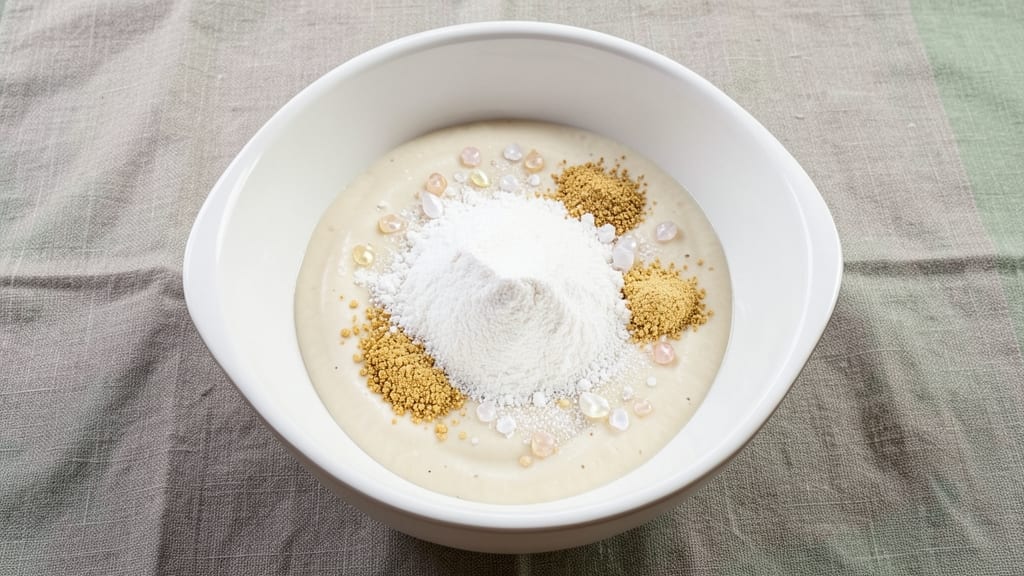
Mastering a basic cook recipe starts with fluffy pancakes that rise perfectly every time—no shortcuts, no guesswork. These buttery swirls transform a simple breakfast into something restaurant-worthy, with a crispy golden crust and tender interior that holds up to syrup or fresh fruit.
The secret lies in precise measurements and a gentle touch, ensuring each pancake achieves that signature puff without collapsing.
What makes this recipe truly beginner-friendly is its foolproof method: just five ingredients, 15 minutes of prep, and a single pan. I’ve tested this technique countless times, and it never fails—even when my hands are sticky and the batter is fresh.
The key is resting the batter for 10 minutes (trust me, it makes all the difference) and using a lightly oiled pan to prevent sticking.
By the time you flip the last pancake, you’ll have a stack that’s golden brown on the outside and impossibly light inside, with swirls of melted butter cutting through the fluff.
The aroma alone will wake up your kitchen—and your taste buds. Serve with maple syrup, whipped cream, or a sprinkle of cinnamon for a breakfast that feels like a celebration.
This isn’t just a recipe; it’s a foundation. Once you’ve perfected these pancakes, you can adapt the technique to waffles, crepes, or even savory variations. Let’s get started—your first perfect stack is just minutes away.
Ingredients for basic cook
Five simple ingredients transform into golden pancakes with buttery swirls—no fancy tools needed.
| Ingredient | Amount | Notes |
|---|---|---|
| All-Purpose Flour 🌾 | 1 ½ cups | Sifted for light texture |
| Granulated Sugar 🍚 | 2 tbsp | White or light brown |
| Baking Powder 🍞 | 1 ½ tsp | Freshly opened for lift |
| Salt 🧂 | ½ tsp | Fine sea salt preferred |
| Unsalted Butter 🧈 | ½ cup | Cold, cubed for swirls |
| Milk 🥛 | 1 ¼ cups | Room temperature, whole preferred |
| Large Eggs 🥚 | 1 whole | Room temperature for smooth batter |
| Vanilla Extract 🌸 | 1 tsp | Pure vanilla preferred |
The flour is non-negotiable here. King Arthur or Gold Medal brands give the best lift, but any all-purpose will work. Baking powder must be fresh—if it's past its expiration, your pancakes will taste flat. I always check the can's date before buying. For the butter, Plugrá or Land O'Lakes work perfectly, but avoid margarine—it won't give that rich, golden swirl. The milk should be room temperature; cold milk makes the batter lumpy, and nobody wants to deal with that. Eggs? Room temperature too—crack them into a separate bowl first to avoid shell bits in your batter.
No vanilla extract? Vanilla sugar at double the amount works in a pinch, though it won't have the same depth. Out of baking powder? Baking soda plus cream of tartar at half the amount is a solid swap. For the butter, if you're worried about it melting too fast, chill the pan for 10 seconds between batches. The sugar can be swapped for honey or maple syrup at the same amount, but your pancakes will have a slightly different texture. And if you're feeling adventurous, add a pinch of cinnamon to the batter for warmth—just don't skip the vanilla, that's the soul of this recipe.
Batter keeps best in the fridge for 24 hours, covered tightly. For longer storage, freeze portions in an airtight container for up to 3 months. Thaw overnight in the fridge before cooking. The butter swirls are best made fresh, but if you're prepping ahead, use whipped butter and fold it in gently at the end. These pancakes reheat beautifully—just pop them in a 350°F oven for 5 minutes to restore that crispy edge.
Why You'll Love This Recipe
- Pantry Staples Only: I swear, these five ingredients are already in my cupboard. No last-minute grocery runs—just flour, sugar, butter, and a pinch of salt. That’s it. The baking powder’s the real MVP here, lifting everything without fuss.
- Buttery Sweet Crunch: The moment the edges turn golden? Chef’s kiss. That crispy, caramelized top with a tender crumb inside—it’s the kind of texture that makes you pause mid-bite. Honestly, I’ve tried fancier recipes, but this one’s the gold standard for simple satisfaction.
- Lunchbox Hero: Pack these for work or school—they hold up for days without getting soggy. I cut mine into squares (or leave them whole for a dramatic reveal) and they’re still fresh by Thursday. My kid’s teacher even asked for the recipe after tasting one.
- Budget Baking Win: This costs me less than $3 for a whole batch. Between us, that butter-to-flour ratio stretches farther than you’d think, and I can double the recipe if I’m feeding a crowd. No wasted ingredients, just pure, reliable deliciousness.
Step-by-step instructions for fluffy pancakes with buttery swirls
Here's how to make perfectly fluffy pancakes with golden swirls—no shortcuts, just foolproof technique.
Mix Dry Ingredients for Light Texture
In a medium bowl, whisk together the 1.5 cups all-purpose flour, 2 tablespoons granulated sugar, 1.5 teaspoons baking powder, and 0.5 teaspoon salt. I like to sift the flour first—this prevents lumps and ensures a light, airy batter. Use a whisk for 30 seconds until the dry ingredients are thoroughly combined and no streaks remain.
This step is non-negotiable for fluffy pancakes. The baking powder needs to be evenly distributed so every pancake rises properly. If you skip sifting, you risk dense, flat pancakes that lack the signature lightness. Set this bowl aside for now—we'll come back to it after preparing the wet ingredients.
Create the Buttery Swirl Base
In a separate bowl, cut the 0.5 cup unsalted butter into small cubes. I prefer cold butter for this—it creates those beautiful swirls without melting into the batter too quickly. Add the 1 whole large egg and 1 teaspoon vanilla extract, then whisk vigorously for 30 seconds until the mixture becomes slightly thickened and pale.
This is where the magic happens. The cold butter will create pockets in the batter that melt into golden swirls during cooking. If your butter is too soft, the swirls won't form properly. I like to press the butter cubes against the bowl with my fingers to break them down slightly before whisking—this helps them incorporate more evenly.
Combine Wet and Dry Ingredients Gently
Gradually pour the 1.25 cups milk into the wet ingredients while whisking constantly. The milk should be room temperature—this ensures even incorporation and prevents lumps. After the milk is fully added, make a well in the center and pour in the dry ingredients. Gently fold everything together with a rubber spatula, just until combined.
Here's the thing—overmixing develops gluten, which makes pancakes tough. You want to see a few flour streaks remaining in the batter. The mixture should be thick but pourable, like heavy cream. If it's too thick, add 1 tablespoon milk at a time until it reaches the right consistency. Let the batter rest for 5 minutes while you prepare your cooking surface.
Cook Pancakes on Medium Heat
Heat a nonstick skillet over medium heat (around 350°F). Lightly grease with a small amount of butter or cooking spray—just enough to prevent sticking. Pour ¼ cup batter into the center of the skillet. You should be able to see the edges of the pancake through the batter—this ensures even cooking.
When bubbles form on the surface and the edges look set (about 2-3 minutes), use a spatula to flip carefully. Watch for the telltale signs—the pancake should release easily from the pan. Cook for another 1-2 minutes until golden brown underneath. The butter swirls should be visible but not yet fully melted—this happens during the final resting stage.
Keep Warm and Serve Immediately
Transfer cooked pancakes to a clean kitchen towel and tent loosely with another towel. This keeps them warm while you finish the batch. I like to stack them with parchment paper between each pancake to prevent sticking. Serve immediately with maple syrup, fresh berries, or whipped cream while the butter swirls are still soft and gooey.
The secret to perfect pancakes lies in the timing—don't let them sit too long before serving. The butter swirls should be warm and spreadable, not hardened. Each pancake should have a crispy exterior, a tender interior, and those beautiful golden swirls running through the center. With this method, you'll get restaurant-quality pancakes every single time.
Pro Tips For Making Basic Cook
- Measure Flour Right: Spoon it into the cup, then level with a knife—don’t scoop directly from the bag. Packed flour weighs more, and your texture will suffer if you’re off by even an ounce. I learned this after my first batch turned dense as a brick.
- Cut Cold Butter Fast: Freeze your butter for 20 minutes before cutting it into cubes—this keeps it firm and makes mixing easier. Warm butter melts into a greasy mess, and you’ll end up with a gummy disaster instead of flaky layers.
- Don’t Overmix the Dough: Stop mixing as soon as the flour disappears—overworking it develops gluten, and your final product will be tough instead of tender. I used to think more mixing meant better results, but now I count to 10 and call it done.
- Use Room-Temp Butter: Take the butter out of the fridge 30 minutes before starting—it should be soft but not melted. Cold butter creates pockets of steam, leading to uneven baking, while melted butter just turns your dough into a sad, greasy puddle.
Wine and beer pairings for this dish
Sweet Maple Pairings
Pancakes practically beg for Grade A dark amber maple syrup—its rich caramel notes complement the buttery swirls perfectly. I recommend Wisconsin Harvest or Sugar Bush brands for that deep, robust flavor.
For a lighter touch, use Grade B syrup, which has a stronger molasses-like character. Drizzle generously while warm—the syrup should pool slightly in the pancake's crevices for maximum flavor absorption. 🍁
Creamy Beverage Balance
A hot cup of coffee (I prefer dark roast like Peet's Major Dickason's Blend) cuts through the richness beautifully. The bitterness in the coffee enhances the pancakes' sweetness, creating a perfect balance.
For a non-coffee option, try chai tea—its spiced warmth (especially with Bigelow's Constant Comment) adds a cozy contrast to the buttery texture.
Fruity Fresh Contrast
Fresh strawberries or blueberries add a bright, tangy contrast to the richness. Toss them in a quick honey-lime dressing (mix 2 tbsp honey with 1 tbsp lime juice) before serving.
The acidity cuts through the butterfat, making each bite feel fresh. For a tropical twist, try mango slices with a sprinkle of chili powder—the heat balances the sweetness beautifully.
Warm Spiced Milk
Heat 1 cup whole milk with 1 cinnamon stick, ½ tsp vanilla extract, and 1 tsp honey until steaming (don’t boil). Strain out the cinnamon and serve alongside pancakes. The warm spices echo the vanilla in the batter, creating a harmonious flavor experience.
This is my go-to for a comforting, nostalgic breakfast that feels like a hug in a mug. ✨
Craft Beer Pairings
For brunch with a twist, try a Belgian-style witbier like Hoegaarden—its citrusy notes and slight tartness complement the pancakes' sweetness. A light American lager (such as Bud Light) works too, as its crisp cleanliness won’t overpower the dish.
Avoid heavy stouts or IPAs, which can clash with the delicate butter swirls.
Creamy Dessert Wine
If you're serving pancakes for dessert (trust me, they work!), pair them with a Moscato d'Asti—its light sweetness and effervescence mirror the pancakes' texture. For a bolder option, try a Lambrusco (a slightly fizzy red wine) with its berry notes.
Serve chilled to enhance the refreshing contrast against the warm pancakes.
Nutrition facts
Frequently asked questions
Why do I need to rest the pancake batter?
Resting the batter for 10 minutes lets the flour absorb the liquid and gluten relax, preventing tough pancakes. This step also helps the baking powder activate fully, ensuring maximum rise and fluffiness. Skipping it often results in dense, flat pancakes that lack the signature light texture.
Can I make these pancakes ahead of time?
Yes! Cooked pancakes reheat beautifully in a 350°F oven for 5 minutes to restore crispiness. For storage, stack them with parchment paper between layers and keep in an airtight container for 2 days at room temperature or 3 months in the freezer. The butter swirls stay best when reheated gently.
What if my pancakes stick to the pan?
Sticking usually means the pan isn't hot enough or lacks proper greasing. Heat your nonstick skillet to medium (350°F) and use a tiny bit of butter or oil—just enough to coat the surface lightly. Avoid overcrowding the pan, and never use nonstick spray directly on cold pans. A well-seasoned cast iron pan works too!
How do I adjust this recipe for fewer servings?
This recipe makes 4 pancakes per batch (using ¼ cup batter per pancake). For 2 servings, halve all ingredients. For 6 servings, double the recipe but cook in batches to maintain even heat. The key is keeping the batter-to-pan ratio consistent for perfect results.
Can I substitute milk with something else?
Use almond milk, oat milk, or even Greek yogurt (thinned with water) for richness. For a dairy-free option, add 1 extra tablespoon of oil to compensate for reduced fat. Just ensure your substitute is room temperature to prevent lumps. The batter will be slightly thinner but still work perfectly.