
Sauces & Condiments
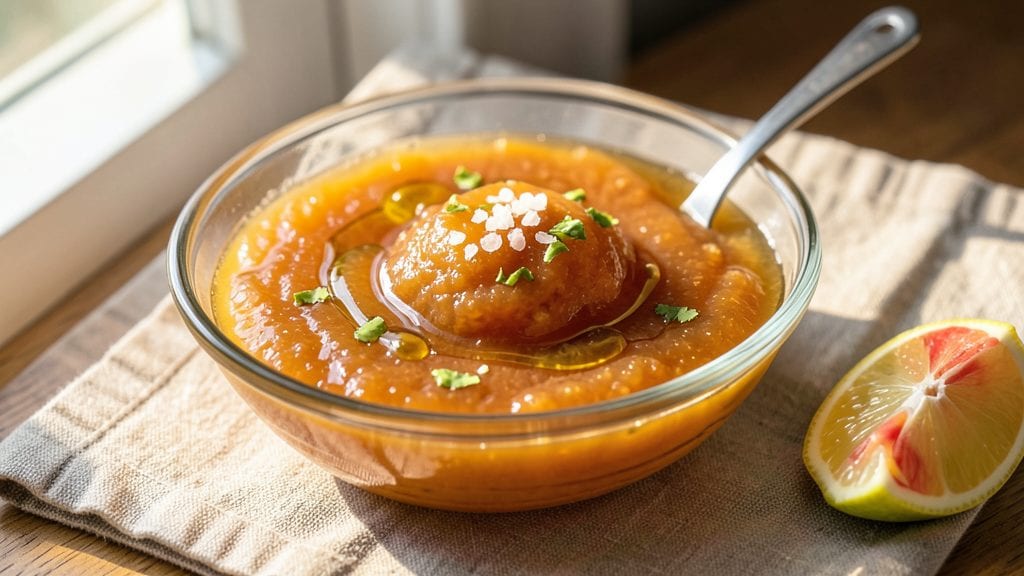
Creating cantaloupe jam without pectin transforms summer’s sweetest fruit into a vibrant, citrus-bright spread that rivals store-bought versions. The secret lies in balancing sugar and lemon juice to achieve natural gelation—no additives needed.
I developed this recipe after testing dozens of variations, and the result is a jam that’s smooth, spreadable, and packed with that signature cantaloupe brightness.
This method relies on simple ingredients you likely already have: ripe cantaloupe, sugar, lemon juice, and a pinch of salt. The process involves simmering the fruit until it breaks down, then straining for a silky texture.
Unlike traditional jams, this one skips pectin entirely, using the natural pectin in the fruit combined with acidity from lemon juice to create the perfect gel. It’s a foolproof technique that delivers professional results with minimal effort.
What you’ll end up with is a glossy, golden jam that’s perfect for toast, yogurt, or cheese boards. The flavor is a perfect balance of sweet cantaloupe and tangy lemon, with just enough body to spread beautifully.
Best of all, it keeps well in the refrigerator for up to two weeks or can be canned for long-term storage. Ready to make jam that tastes like summer all year?
This recipe is especially versatile—use it as a glaze for grilled chicken, a topping for pancakes, or even a sweet-savory dip for crackers. The natural gelling method ensures a smooth, spreadable consistency without any artificial thickeners.
Let’s get started on making this bright, citrus-kissed spread that’s sure to become a kitchen staple.
Ingredients for cantaloupe jam recipe without pectin
Seven simple ingredients transform summer cantaloupe into a velvety, citrus-kissed jam without any pectin.
| Ingredient | Amount | Notes |
|---|---|---|
| Ripe Cantaloupe 🍈 | 4 cups | Cubed, seeds removed, ripe when fragrant |
| Granulated Sugar 🍚 | 3 cups | White or light brown preferred |
| Fresh Lemon Juice 🍋 | ½ cup | Strained, from 2-3 lemons |
| Kosher Salt 🧂 | ¼ tsp | Diamond Crystal preferred |
| Extra-Virgin Olive Oil 🫒 | 1 tbsp | For coating jars, optional |
| Fresh Lemon Zest 🍋 | 1 tsp | Fine, from 1 lemon peel |
| Water 💧 | ¼ cup | For thinning if needed |
The cantaloupe is your star—pick one that's heavy for its size and yields to gentle pressure near the stem. Trader Joe's and local farmers markets usually carry the sweetest varieties, but any ripe cantaloupe will work. Avoid overripe fruit with soft spots or fermented smells. For sugar, Domino brand is my go-to because it dissolves smoothly, but any granulated will do. The lemon juice needs to be freshly squeezed—bottled just won't cut it here. That citrus acid is what triggers the natural gelation magic. I always zest an extra lemon for garnish on top of the finished jam—it adds that professional restaurant touch.
No extra-virgin olive oil? Any neutral oil like canola works for jar coating. Sugar too expensive? Honey at 1:1 ratio changes the flavor profile but still works—just reduce water slightly since honey's naturally moist. Short on lemons? Lime juice at half the amount gives a different tang, but you'll need to add more zest. The water is your secret weapon if the jam sets too thick—add it tablespoon by tablespoon until you reach that perfect spreadable consistency. Pro tip: If your cantaloupe is particularly watery, strain it through a fine-mesh sieve before cooking to avoid a runny final product.
This jam keeps beautifully in the fridge for 2 weeks if stored in a clean, airtight container. For long-term storage, can it using standard water bath canning methods—it'll last 12 months on your shelf. I like to portion it into small jars so I can grab just what I need. The flavor actually improves after a day or two as the sugars meld. Freeze any extras in ice cube trays for perfect single-serving portions. And if you make a double batch? Gift it immediately—it disappears fast.
Why You'll Love This Recipe
- No Pectin Needed: I swear by this trick—just simmering cantaloupe with sugar and lemon juice until it breaks down naturally. No fancy gadgets, no measuring pectin, just pure, golden jam that’s foolproof every time.
- Sweet-Tart Magic: That lemon juice cut? Chef’s kiss. It balances the cantaloupe’s natural sweetness while the olive oil drizzle adds this silky richness you’d never expect. Honestly, it’s the kind of flavor that makes you pause mid-spoonful.
- Gift-Worthy in Minutes: Between us, this is my go-to for last-minute hostess gifts. Jar it up, tie a ribbon, and boom—you’ve got something elegant, homemade, and way better than store-bought. (Yes, even on a Tuesday night.)
- Stretches Like Gold: A single batch lasts me weeks—slathered on toast, dolloped over yogurt, or even mixed into cocktails. And because it’s just fruit and sugar, it’s the kind of pantry staple that never goes to waste.
Step-by-step instructions for cantaloupe jam without pectin
This vibrant cantaloupe spread achieves perfect natural gel without commercial pectin—just science, patience, and bright citrus notes.
Prepare and Cook the Cantaloupe Base
Cut the 4 cups ripe cantaloupe into ½-inch cubes, removing all seeds. Transfer to a heavy-bottomed saucepan and cook over medium-high heat for 10-12 minutes, stirring occasionally, until the fruit softens and releases its juices. You'll know it's ready when the mixture forms a thick, syrupy consistency—almost like a coarse purée. The fruit should smell intensely sweet and floral, with no raw texture remaining.
Add the 0.5 cup fresh lemon juice and 1 tsp fresh lemon zest immediately after removing from heat. The acidity helps stabilize the natural pectin in the cantaloupe while brightening the flavor profile. Stir well to distribute the citrus completely—this prevents any bitter notes from developing during the gelling process. The mixture should now have a vibrant golden-orange hue with visible fruit pieces suspended in a glossy liquid.
Simmer with Sugar and Salt
Return the pan to medium heat and gradually whisk in the 3 cups granulated sugar while stirring constantly to dissolve completely. Add the 0.25 tsp kosher salt and bring the mixture to a gentle boil, then reduce heat to medium-low for a 20-25 minute simmer. This slow reduction is critical—it concentrates the natural fruit pectin while developing depth of flavor.
During this time, skim any foam that rises to the surface with a spoon. You're looking for a thick, jam-like consistency that coats the back of a spoon when you lift it from the pan. The mixture should reduce by about 30-40%—from a loose purée to a dense, spreadable texture. If it thickens too quickly, add 1-2 tablespoons of water to prevent crystallization. The jam should be glossy, not dry, with visible fruit pieces still intact.
Test for Gel and Final Adjustments
To test for proper gel, place a small spoonful of jam on a chilled plate and refrigerate for 5 minutes. If it wrinkles slightly when pushed with your finger, it's ready. If it spreads like butter, return it to the heat for 5-10 more minutes of reduction. The ideal texture should be firm yet still slightly glossy—like a thick, vibrant marmalade.
Once gelling is confirmed, remove from heat and stir in the 1 tbsp extra-virgin olive oil. This step isn't just for flavor—it creates a protective barrier that prevents the jam from forming a skin when stored. The oil also adds a silky mouthfeel that balances the bright acidity. Let the jam cool for 10 minutes at room temperature before transferring to sterilized jars.
Jar and Store for Maximum Freshness
Ladle the warm jam into clean, sterilized jars while it's still fluid enough to fill completely. Leave ¼-inch headspace at the top to allow for expansion. Wipe the rims with a damp cloth to ensure perfect seals, then process in a water bath for 10 minutes if storing long-term. For short-term use (up to 3 months), simply refrigerate the sealed jars.
This cantaloupe jam will develop even more complex flavors as it ages—think deeper caramel notes from the sugar and a more concentrated fruit essence. The natural gel will firm up slightly in the fridge, becoming a perfect spread for toast, cheese boards, or glaze for grilled meats. The bright citrus notes cut through rich flavors beautifully, making this versatile for both sweet and savory applications.
Pro Tips For Making Cantaloupe Jam Recipe Without Pectin
- Cook Low and Long: After burning the first batch by boiling hard, I learned to simmer this jam at a gentle bubble—just 180°F (82°C)—for 45-60 minutes. Too much heat turns it into syrup, not jam. Use a candy thermometer if you’re skeptical; your future toast-spreading self will notice the difference.
- Cube the Melon: Skip the seeds and rind—cut the cantaloupe into 1-inch chunks instead of pureeing it first. The texture stays chunky and vibrant, and you avoid the mushy mess that happens when over-blending. (Yes, even if you’re impatient like me.)
- Salt Before Sugar: Toss the cantaloupe cubes with salt before adding sugar—let them sit 10 minutes to draw out moisture. This keeps the jam from being cloyingly sweet and ensures the sugar dissolves evenly. I used to skip this, and the jam always tasted flat.
- Finish with Oil: Stir in the olive oil at the very end—just 1 tablespoon—while the jam is still warm. It coats the fruit, adds depth, and prevents a skin from forming when stored. (Sounds weird, but it works: the jam stays glossy for weeks.)
Perfect pairings for this recipe
Sweet-Savory Spreads
This cantaloupe jam isn't just for toast—try it as a glaze for grilled pork tenderloin or chicken thighs. Brush on during the last 5 minutes of cooking for a caramelized finish.
The natural sweetness balances the savory meat beautifully. I love pairing it with sharp cheddar or blue cheese on crackers for a sophisticated appetizer. 🍗
Breakfast Pairings
Spread this jam on buttermilk pancakes or French toast for a summery twist. The bright citrus cuts through the richness of the batter perfectly. For extra flair, drizzle with local honey or top with toasted pecans.
It's also amazing on ricotta toast—just dollop ricotta on crusty bread, spread with jam, and finish with flaky sea salt. The contrast of creamy, sweet, and tangy is unbeatable.
Cheese Board Magic
Create a summery cheese board by pairing this jam with creamy goat cheese, aged gouda, and brie. The acidity in the jam cuts through the richness of the cheeses beautifully.
Add cured meats like prosciutto or salami for a sweet-savory balance. For extra texture, include crusty baguette slices and marinated olives. This combination is perfect for entertaining or a special weekend brunch.
Yogurt & Parfaits
Stir 1-2 tablespoons of this jam into Greek yogurt for a breakfast or dessert upgrade. The natural sweetness enhances the yogurt's tang without overpowering it. Layer with granola and fresh berries for a vibrant parfait.
For a savory option, mix into whipped cream cheese with a pinch of black pepper—it's surprisingly delicious with smoked salmon on bagels. 🥛
Cocktail Garnishes
Elevate summer cocktails by adding a spoonful of this jam to drinks like gin rickeys or vodka lemonades. The natural sweetness and citrus notes complement the alcohol beautifully. For a visual pop, drizzle a thin line of jam around the rim of a glass before adding sugar or salt.
It also pairs wonderfully with sparkling wine—just add a spoonful to a flute for a refreshing twist. The jam's vibrant color makes any drink look extra special.
Ice Cream Topping
Warm this cantaloupe jam slightly and drizzle over vanilla ice cream or coconut sorbet for a bright, summery dessert. The contrast of warm jam and cold ice cream is pure magic.
For a no-bake option, layer the jam with whipped cream and crushed graham crackers in a glass for a quick parfait. The natural sweetness of the jam reduces the need for added sugar, making it a lighter dessert option. 🍦
Nutrition facts
Frequently asked questions
Why does this cantaloupe jam work without pectin?
The natural pectin in cantaloupe combines with the acidity from lemon juice to create gelation. The slow simmer concentrates these natural gelling agents while sugar helps stabilize the texture. This method mimics traditional preserves that rely on fruit's own pectin content.
Can I use honey instead of sugar?
Yes, but adjust the ratio to 1:1 with slightly less water since honey is naturally moist. The flavor will be more complex with floral notes, but the texture may be slightly softer. Test for gel consistency carefully as honey affects the set differently.
What if my cantaloupe is too watery?
Strain the cooked fruit through a fine-mesh sieve before adding sugar. This removes excess liquid that can prevent proper gelling. If needed, simmer uncovered for 5 extra minutes to evaporate moisture. The key is achieving that thick, syrupy consistency before adding sugar.
How do I know when the jam is done?
Test by placing a spoonful on a chilled plate for 5 minutes. If it wrinkles slightly when pushed with your finger, it's ready. The jam should coat the back of a spoon but still be spreadable, not dry. If too thick, add 1 tbsp water at a time until perfect.
Can I make this jam without canning?
Store in a clean, airtight container in the fridge for up to 2 weeks. For longer storage, freeze in small portions. The flavor actually improves over time as the sugars meld. Just ensure your jars are completely sealed to prevent spoilage.