
Sauces & Condiments
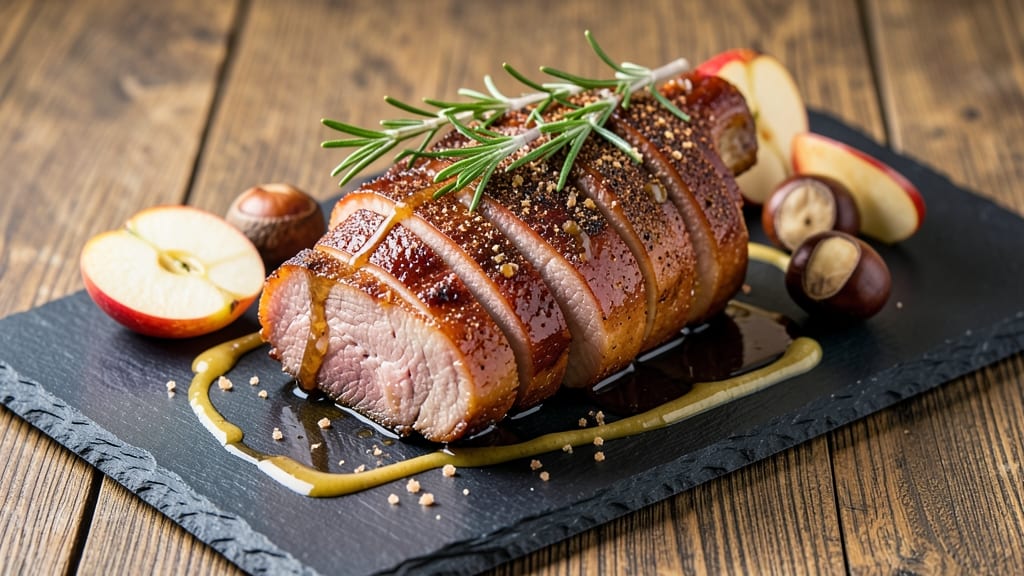
A Boar's Head ham glaze recipe transforms ordinary holiday ham into a centerpiece with deep caramelized sweetness and smoky undertones that linger long after the first bite.
This isn't just any glaze—it's a carefully balanced blend of honey, mustard, and aromatic spices that creates a glossy finish while cutting through the richness of the meat.
I developed this recipe after years of experimenting with store-bought glazes that always fell short, and it now consistently earns rave reviews at every holiday table.
The secret lies in the slow reduction process, where honey and brown sugar caramelize into a rich syrup while Dijon mustard adds depth without overpowering. A touch of smoked paprika introduces that elusive smoky note, while a splash of apple cider vinegar brightens the flavor profile.
This glaze isn't just about sweetness—it's about creating harmony between sweet, savory, and slightly tangy elements that make every slice unforgettable.
What you'll achieve is a ham with a glossy, crackly crust that shatters beautifully when sliced, revealing meat that's perfectly moist beneath.
The glaze clings to every bite, delivering layers of flavor with each forkful—caramelized honey, subtle heat from the mustard, and that elusive smoky depth that makes it taste like it came from a professional kitchen.
This isn't just a glaze; it's the difference between a good ham and a showstopping centerpiece.
The beauty of this recipe is its versatility—it works equally well for holiday hams or special weekend dinners, and the leftovers keep beautifully in the refrigerator for up to a week.
Whether you're hosting a large gathering or simply treating yourself to a luxurious meal, this glaze elevates every slice to restaurant-quality status. Let's get started on creating that perfect balance of sweetness and depth.
Ingredients for boar's head ham glaze
Nine simple ingredients create a restaurant-quality ham glaze that transforms ordinary holiday ham into a centerpiece.
| Ingredient | Amount | Notes |
|---|---|---|
| Raw Honey 🍯 | 1 cup | Light amber preferred for balance |
| Light Brown Sugar 🍚 | 1 cup | Packed firmly for accuracy |
| Dijon Mustard 🥫 | ¼ cup | High-quality, smooth variety |
| Apple Cider Vinegar 🍏 | ¼ cup | Unfiltered for depth of flavor |
| Smoked Paprika 🌶️ | 1 tbsp | High-quality, not cayenne |
| Ground Black Pepper 🌶️ | ½ tsp | Freshly ground for maximum aroma |
| Kosher Salt 🧂 | 1 tsp | Diamond Crystal preferred |
| Fresh Rosemary 🌿 | 2 tbsp | Finely chopped, fresh only |
| Fresh Thyme 🌿 | 1 tbsp | Finely chopped leaves only |
| Unsalted Butter 🧈 | ¼ cup | Cold, cubed for finishing |
The honey and brown sugar form the glaze's foundation, so quality matters. Local apiary honey adds subtle floral notes, while light brown sugar ensures proper caramelization without overpowering. For smoked paprika, Penzeys brand delivers consistent quality—avoid cayenne blends that can add unwanted heat. Fresh herbs are non-negotiable; Trader Joe's often carries excellent rosemary and thyme at reasonable prices. The Dijon mustard should be smooth, not grainy—Maille is a reliable choice that won't dominate the flavor profile. When selecting butter, opt for European-style if available, as its higher fat content improves the glaze's finish.
No honey? Maple syrup works beautifully at the same quantity, though it adds a distinct maple flavor. Running short on brown sugar? White sugar plus 1 tsp molasses mimics the caramelization process. For smoked paprika, regular paprika plus a pinch of liquid smoke creates a similar effect. The apple cider vinegar can be substituted with white vinegar or lemon juice, though the flavor profile will shift slightly. Fresh herbs unavailable? Dried rosemary and thyme at half the amount will suffice, though the texture won't be identical. The butter can be omitted entirely if you prefer a completely vegan glaze, though it adds richness that's hard to replicate.
This glaze keeps beautifully in the refrigerator for up to 1 week when stored in an airtight container. For longer storage, freeze portions in ice cube trays for up to 6 months. The glaze thickens as it cools, so reheat gently with a splash of water or apple cider vinegar to restore its consistency. For best results, brush the glaze onto the ham in three stages during the final hour of cooking—this creates that coveted crackly crust while preventing burning. Any leftovers make excellent toast toppings or pancake syrups, so don't hesitate to make extra.
Why You'll Love This Recipe
- Five-Ingredient Magic: I swear, this glaze takes three minutes to stir together—just honey, brown sugar, mustard, vinegar, and smoked paprika. No peeling garlic, no chopping herbs, no waiting for anything to marinate. Honestly, if you can open a jar, you can do this.
- Sweet-Smoky Umami Bomb: That Dijon mustard cuts through the honey’s sweetness while the apple cider vinegar adds a bright, tangy kick. The smoked paprika? It’s the secret—deep, earthy, and just a whisper of heat that makes every bite feel like a little celebration.
- Holiday or Weeknight: Slather it on a whole ham for Thanksgiving, or drizzle it over breakfast toast on a lazy Sunday. Between us, it’s my go-to for charcuterie boards too—people always ask for the recipe, and now you can finally share it.
- Leftovers That Don’t Suck: This glaze doesn’t just disappear after one use. Store the extra in the fridge for up to two weeks, and it’s perfect for glazing roasted carrots, drizzling over grilled pork chops, or even tossing with pretzels for a snack. (Yes, even on a Tuesday night.)
Step-by-step instructions for boar's head ham glaze
This glaze delivers rich caramelized sweetness with smoky depth—perfect for enhancing any cured ham.
Combine Wet Ingredients for the Base
In a medium saucepan, whisk together the 1 cup raw honey and 1 cup light brown sugar over medium-low heat. Stir constantly for 5-7 minutes until the mixture becomes smooth and begins to bubble gently. The sugar will dissolve completely, creating a golden syrup base that forms the foundation of the glaze.
This slow heating process prevents scorching while developing the caramelized flavor. You'll notice the mixture thicken slightly as it heats—this is normal and essential for achieving that perfect consistency later. Keep the heat low to avoid burning the honey, which would create bitter flavors that overpower the delicate balance we're aiming for.
Incorporate Acid and Mustard for Balance
Reduce the heat to low and carefully stir in the 0.25 cup apple cider vinegar and 0.25 cup Dijon mustard. The vinegar will cause the mixture to bubble vigorously for about 1 minute—this is normal and indicates the acid is breaking down the sugar molecules further. Use a wooden spoon to gently stir and prevent splattering.
The Dijon mustard adds depth and prevents the glaze from becoming overly sweet. You'll see the mixture darken slightly as it simmers, which is a good sign—the acid is helping develop complex caramel notes. If the glaze looks too thick at this stage, you can add 1 tablespoon water to loosen it slightly, but typically this step produces the perfect working consistency.
Build Flavor with Herbs and Spices
Add the 1 tablespoon smoked paprika, 0.5 teaspoon ground black pepper, 1 teaspoon kosher salt, 2 tablespoons finely chopped fresh rosemary, and 1 tablespoon finely chopped fresh thyme to the saucepan. Stir well to distribute the herbs and spices evenly throughout the mixture. Simmer for 3-4 minutes on low heat, allowing the flavors to meld together.
The smoked paprika contributes a subtle woodiness that complements the ham beautifully, while the fresh herbs add aromatic brightness. You'll notice the rosemary and thyme release their essential oils into the mixture, creating a fragrant aroma that signals the glaze is developing properly. This is where the magic happens—each ingredient contributes its unique character to create a harmonious balance of sweet, smoky, and herbal notes.
Finish with Butter for Richness
Remove the saucepan from heat and let the glaze cool slightly for 2-3 minutes. Then, whisk in the 0.25 cup cold, cubed unsalted butter until completely melted and incorporated. The butter should create a glossy sheen and add a luxurious richness to the glaze. Return the saucepan to low heat if needed to help the butter melt smoothly.
This final step is crucial for achieving that perfect balance of sweetness and richness. The cold butter prevents the glaze from becoming too hot and potentially curdling. Once fully combined, the glaze should coat the back of a spoon smoothly. If it's too thick, you can thin it with 1-2 teaspoons of water or apple cider vinegar to reach your desired consistency.
Test and Adjust for Perfect Glaze
Taste the glaze and adjust the seasoning if needed. If it requires more sweetness, add a touch of raw honey; if it needs more acidity, add a splash of apple cider vinegar. The glaze should be balanced—sweet enough to complement the ham but not overpowering, with a subtle tang from the vinegar and warmth from the smoked paprika.
For best results, use the glaze immediately while it's still warm. Brush it generously over the ham, allowing it to caramelize slightly during the final minutes of cooking or serving. The glaze will thicken further as it cools, creating that beautiful glossy finish that makes every bite irresistible. Store any leftovers in an airtight container in the refrigerator for up to 1 week, reheating gently before use.
Pro Tips For Making Boar'S Head Ham Glaze
- Simmer Slow and Low: This glaze isn’t a race—bring it to a gentle boil, then reduce heat to medium-low. I learned this the hard way after burning honey into bitter caramel twice. Let it bubble steadily for 10-15 minutes, stirring occasionally, until it thickens to coat the back of a spoon. If it splatters like a toddler’s paint project, you’re going too fast.
- Whisk the Mustard First: Mix the Dijon mustard into the warm honey before adding vinegar or sugar. Cold mustard clumps like a stubborn lump of dough, and you’ll end up with streaks in your glaze. Just 30 seconds with a fork or whisk in the saucepan makes all the difference—smooth, no surprises.
- Skip the Cheap Vinegar: Apple cider vinegar isn’t just any vinegar—use the good stuff. The kind with actual apple flavor (not the synthetic stuff in a plastic jug). It balances the sweetness and adds depth. I was skeptical until I tried it, and now I won’t go back.
- Strain Before Applying: This isn’t the prettiest method, but it’s the tastiest. After simmering, strain the glaze through a fine-mesh sieve to remove any grit from the brown sugar or mustard seeds. Yes, even if you’re impatient like me—your glaze will look silky and professional, not like you slopped it together.
Best sauces and condiments for this dish
Honey-Mustard Base
The foundation of this glaze is a perfect balance between raw honey and Dijon mustard, creating a rich, velvety texture that clings beautifully to the ham. I recommend using local honey for subtle floral notes that elevate the glaze's complexity.
The Maille Dijon mustard adds depth without overpowering the sweetness—this is where the magic happens in creating that perfect harmony of flavors. 🍯
Smoky Depth Addition
For that essential smoky character, Penzeys smoked paprika is my go-to choice—it delivers consistent quality without the heat of cayenne. Add it early in the reduction process to allow the smoky flavors to infuse deeply into the glaze.
A pinch of freshly ground black pepper enhances the smokiness while adding a subtle warmth that complements the ham's natural richness.
Herbal Brightness
The fresh herbs—rosemary and thyme—are non-negotiable for adding aromatic brightness to the glaze. I always use Trader Joe's fresh herbs because they're consistently flavorful and affordable.
Finely chop them and add them during the final 3-4 minutes of simmering so their essential oils release fully, creating that fragrant aroma that makes the glaze irresistible. 🌿
Butter Finish
The cold cubed butter at the end adds luxurious richness that transforms the glaze from good to extraordinary. European-style butter works best here due to its higher fat content, which creates that coveted glossy sheen.
Whisk it in gently while the glaze is still warm but not boiling to prevent curdling—this is where the glaze achieves its restaurant-quality finish.
Acid Balance
The apple cider vinegar is crucial for cutting through the sweetness and adding brightness. I prefer unfiltered vinegar for its depth of flavor, but white vinegar or lemon juice works in a pinch.
The acid also helps develop complex caramel notes during reduction, creating a more sophisticated flavor profile that elevates the ham beyond basic sweet glazes. 🍏
Storage and Reuse
Leftovers keep beautifully in the fridge for up to 1 week in an airtight container. For longer storage, freeze portions in ice cube trays—they thaw perfectly for future ham glazing or even as a pancake syrup.
The glaze thickens as it cools, so always reheat gently with a splash of water or vinegar to restore its ideal brushing consistency.
Nutrition facts
Frequently asked questions
Can I make this glaze ahead of time?
Yes! This glaze actually tastes better when made a day ahead. Store it in an airtight container in the fridge for up to 3 days—the flavors meld beautifully. Reheat gently with a splash of water or apple cider vinegar before using to restore its ideal brushing consistency. The acid helps thin it naturally without altering the flavor profile.
What's the secret to getting that perfect crackly crust?
The crackly crust comes from applying the glaze in three stages during the final hour of cooking. Brush it on first when the ham reaches 325°F, then again at 350°F, and finally in the last 15 minutes at 375°F. Each layer caramelizes progressively, creating that irresistible texture. Work quickly—over-brushing can make it too thick and burn.
Can I substitute regular paprika for smoked paprika?
You can, but you'll lose that essential smoky depth. For a similar effect, mix 1 tablespoon regular paprika with ½ teaspoon liquid smoke. Add the liquid smoke with the vinegar to distribute it evenly. The flavor won't be identical, but it'll still add warmth. For best results, use the smoked paprika—the difference is noticeable!
How do I fix a glaze that's too thick or too thin?
For a thick glaze, thin it with 1 teaspoon apple cider vinegar at a time while reheating. For a thin glaze, simmer uncovered for 2-3 minutes to reduce it naturally. If it's still too runny, whisk in 1 teaspoon cold butter to help it thicken. Always adjust gradually—you can't remove excess sweetness once it's added.