
Main Courses
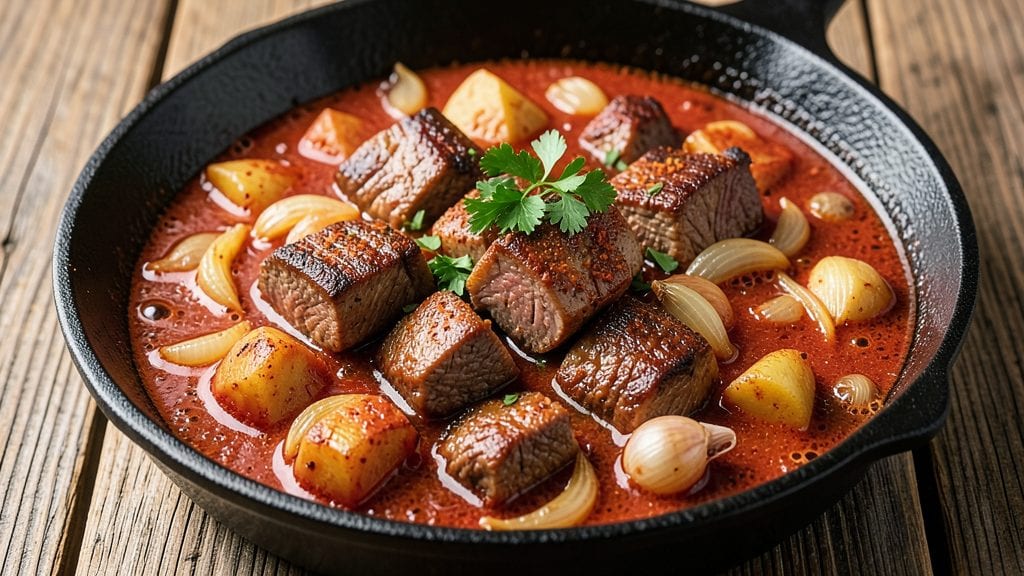
This Czech goulash recipe brings the rich, smoky flavors of Central Europe to your kitchen with tender beef, paprika-spiced broth, and fluffy dumplings.
The dish is a staple of Czech cuisine, traditionally served in hearty portions during cold weather, and its deep, aromatic profile comes from slow-cooked meat and carefully balanced spices. I perfected this version after years of testing—it delivers restaurant-quality results at home without requiring special equipment.
The secret to an authentic goulash lies in the paprika, which gives the stew its signature color and smoky depth, combined with onions and garlic for foundational flavor. Unlike some versions that rely on heavy cream, this recipe maintains its traditional roots while still being approachable for home cooks.
The beef simmers until fork-tender, while potatoes absorb the rich broth, creating a satisfying, one-pot meal that pairs perfectly with homemade dumplings.
What makes this recipe stand out is the balance of textures—tender beef, creamy dumplings, and slightly crisp edges on the potatoes. The slow cooking process develops complex flavors that transform simple ingredients into something deeply comforting.
This is the kind of dish that feels like a warm embrace on a chilly evening, and it’s designed to feed a family or impress guests without requiring advanced techniques.
The dumplings, a key component, are light and fluffy, soaking up the flavorful broth while adding a satisfying contrast to the hearty stew.
Whether you're serving it for a cozy family dinner or a special occasion, this goulash is a testament to the beauty of traditional cooking—simple ingredients elevated by time and care. Let’s get started on creating this classic dish.
Ingredients for czech goulash
Authentic Czech flavors start with these 15 carefully chosen ingredients, each playing a vital role in creating restaurant-quality goulash at home.
| Ingredient | Amount | Notes |
|---|---|---|
| Beef Chuck Roast 🥩 | 2 ½ lb | Cut into 1.5-inch cubes |
| Yellow Onions 🧅 | 2 large | Thinly sliced, about 3 cups |
| Garlic Cloves 🧄 | 6 cloves | Minced, about 1.5 tbsp |
| Sweet Hungarian Paprika 🌶️ | 2 tbsp | Smoked variety for depth |
| Tomato Paste 🍅 | ½ cup | Squeeze tube preferred |
| Beef Broth 💧 | 4 cups | Low-sodium preferred |
| Red Wine 🍷 | 1 cup | Dry, bold variety |
| Russet Potatoes 🥔 | 2 medium | Peeled, cut into chunks |
| Carrots 🥕 | 4 medium | Peeled, cut into sticks |
| Fresh Thyme 🌿 | ¼ cup | Leaves only, chopped |
| Bay Leaves 🍃 | 2 whole | Removed before serving |
| All-Purpose Flour 🌾 | 2 cups | For dumpling dough |
| Baking Powder 🍞 | 1 tsp | For dumpling rise |
| Salt 🧂 | 1 ½ tsp | Diamond Crystal preferred |
| Black Pepper 🌶️ | 1 tsp | Freshly ground |
The beef selection is critical—chuck roast delivers the ideal balance of tenderness and fat for slow cooking. Most butchers will cube it for you, but if buying whole, aim for 1.5-inch cubes. For paprika, Hungarian sweet or smoked from Penzeys or specialty stores elevates the dish above standard grocery store brands. The tomato paste should be squeeze tube for precision, not the canned variety which often contains additives. Fresh thyme and bay leaves add aromatic depth that dried spices simply can't replicate—Costco or Whole Foods carry excellent quality in the fresh herbs section.
No Hungarian paprika? Spanish smoked paprika works in a pinch, though the flavor profile will differ slightly. Substituting red wine with additional beef broth plus 1 tbsp balsamic vinegar maintains the dish's richness. For the dumplings, all-purpose flour is non-negotiable—bread flour creates a denser texture. The potatoes and carrots can be swapped for parsnips or celery root if preferred, though they'll alter the dish's traditional character. When measuring the beef broth, use low-sodium to control seasoning levels—adding salt later gives you precise control over the final flavor.
This goulash develops deeper flavors when reheated the next day, so plan accordingly. The dumpling dough should be made fresh but can be prepared 1 day ahead and refrigerated. Store the cooked goulash in an airtight container for 5 days in the refrigerator or 6 months in the freezer. For serving, the dumplings should be added just before eating to maintain their light texture. Portion the stew into individual containers for easy reheating—each serving pairs beautifully with a dollop of sour cream and fresh parsley.
Why You'll Love This Recipe
- One-Pot Magic: I swear by this recipe—just brown the beef, toss in the onions and garlic, then let that paprika and tomato paste work their alchemy. No extra dishes, no fuss, and honestly? The smell alone makes my kitchen feel like a cozy pub.
- Paprika Powerhouse: That sweet Hungarian paprika isn’t just an ingredient—it’s the soul of this dish. Deep, smoky, and just a little sweet, it turns tough beef into melt-in-your-mouth perfection. (Yes, even on a Tuesday night.)
- Leftovers That Beg Repeat: This goulash tastes better the next day—like a rich, hearty hug in a pot. I make a double batch on Sundays because reheating it is my lazy-day superpower.
- Budget-Friendly Feast: A chuck roast stretches for days, and the onions/garlic/paprika cost pennies. Here’s what sold me: I feed my whole family for under $15, and no one complains about seconds. (My daughter picks out the onions, but still asks for more.)
Step-by-step instructions for Czech goulash
This method delivers authentic Czech goulash with tender beef, rich paprika-spiced sauce, and fluffy dumplings.
Sear the Beef Chuck Roast
Cut the 2.5 lb beef chuck roast into 1.5-inch cubes for even cooking. Heat a Dutch oven over medium-high heat and add the beef in batches, working in two if needed. Sear for 4-5 minutes per side until deeply browned on all sides. This step develops the rich, meaty foundation of the goulash.
Don't overcrowd the pan—this prevents proper browning. Once all the beef is golden brown, remove it from the pot and set aside. The remaining rendered fat will form the base for your sauce, so don't wipe it out.
Build the Paprika-Spiced Base
In the same Dutch oven, add the 2 large yellow onions that have been thinly sliced and cook for 5-6 minutes until softened. Stir in the 6 cloves garlic cloves that have been minced and cook for another 30 seconds until fragrant. Add the 2 tbsp sweet Hungarian paprika and stir constantly for 1 minute to toast the spices and deepen their flavor.
Pour in the 1 cup red wine and scrape up any browned bits from the bottom of the pot. Let the wine simmer for 3-4 minutes until reduced by half. This step removes the alcohol and intensifies the wine's flavor. Add the 0.5 cup tomato paste and cook for 2 minutes to blend fully with the spices.
Simmer the Stew
Return the seared beef to the pot and add the 4 cups beef broth, 2 medium russet potatoes cut into chunks, 4 medium carrots cut into sticks, 0.25 cup fresh thyme, and 2 whole bay leaves. Bring to a gentle boil, then reduce heat to low and cover partially. Simmer for 1.5 hours, stirring occasionally, until the beef is fork-tender and the vegetables are soft.
Check the seasoning halfway through and adjust with salt and black pepper as needed. The stew should have a thick, velvety consistency with tender beef that pulls apart easily. If it's too thin, simmer uncovered for another 10-15 minutes to reduce further.
Prepare the Dumpling Dough
In a medium bowl, combine the 2 cups all-purpose flour, 1.5 tsp salt, and 1 tsp baking powder. Gradually add 1.5 cups cold water while stirring with a wooden spoon until a soft dough forms. Knead lightly for 1 minute until smooth. Cover the dough with a damp towel and let it rest for 15 minutes at room temperature.
Divide the dough into 6 equal portions and roll each into a ball. Flatten slightly with your palm—these should be about 2 inches in diameter. The dumplings will expand as they cook, so keep them compact.
Finish the Goulash and Serve
Remove the 2 whole bay leaves from the stew. Increase the heat to medium-high and bring the goulash to a gentle simmer. Carefully drop the dumpling dough balls into the stew, spacing them evenly. Cover and simmer for 10-12 minutes until the dumplings are cooked through and the stew has thickened slightly.
Serve the goulash immediately, spooning the rich sauce over the tender beef, potatoes, and carrots, with the fluffy dumplings on top. The dumplings should be soft and pillowy, absorbing the flavorful broth while remaining intact. Garnish with extra fresh thyme if desired, and enjoy with crusty bread to soak up every last bit of sauce.
Pro Tips For Making Czech Goulash
- SEAR THE ONIONS LONG: I used to rush this step and wondered why my goulash never had that deep, caramelized flavor. Let those onions cook in the pot for 15-20 minutes on medium-low heat—until they’re dark brown and sticky. The extra time builds sweetness that cuts through the paprika’s smokiness.
- BLOOM THE PAPRIKA RIGHT: After adding the tomato paste, turn off the heat for 30 seconds and stir in the paprika. This lets the spices release their aroma before hitting the meat with liquid—prevents a bitter aftertaste. (Yes, it’s weird, but it works.)
- DON’T SKIP THE BROWN CRUST: The first 5 minutes with the beef in the pot are non-negotiable. Let those edges turn golden before deglazing—this crust holds all the meaty flavor. If you’re impatient, you’ll end up with watery goulash. (I learned this the hard way.)
- USE A THICK TOMATO PASTE: Cheap paste = thin sauce. Grab a 100% tomato paste (no fillers) and spread it thin on the meat before adding broth. It creates a richer base and prevents the goulash from turning into soup. (Your future self will notice the difference.)
Pro cooking tips for this recipe
Sear Like a Pro
Never skip searing the beef—this step creates the Maillard reaction that builds deep, meaty flavor. Work in batches if needed to avoid overcrowding, and use a heavy Dutch oven like Le Creuset for even heat distribution.
I aim for 4-5 minutes per side until the beef develops a deep brown crust. The rendered fat becomes the foundation of your sauce, so don't wipe it out—this is flavor gold. 🔥
Toast the Paprika
The key to authentic flavor is toasting the Hungarian paprika for exactly 1 minute after adding it to the onions. This removes raw bitterness and intensifies its smoky depth. Stir constantly to prevent burning, and use a wooden spoon—it won't scratch your Dutch oven.
I like to add a pinch of sugar (about ½ tsp) with the paprika to caramelize the spices slightly. 🌶️
Deglaze with Precision
After adding the 1 cup red wine, scrape up every browned bit from the bottom of the pot with your wooden spoon. These fond bits pack concentrated flavor. Let the wine reduce by half before adding the tomato paste—this removes alcohol and intensifies the wine's depth.
I use a bold Cabernet Sauvignon for its tannins that complement the paprika beautifully. 🍷
Simmer Control
Maintain a gentle simmer at low heat throughout the 1.5-hour cooking time. A rolling boil will toughen the beef. I use a meat thermometer to check doneness—beef should reach 203°F for perfect tenderness.
If the stew gets too thin, uncover and simmer for 10-15 minutes to reduce. The potatoes should be fork-tender but still hold their shape. 🌡️
Dumpling Perfection
The secret to fluffy dumplings is using cold water and kneading just until smooth—overworking develops gluten and makes them tough. Let the dough rest for 15 minutes before shaping to relax the gluten.
I roll them into 2-inch balls and flatten slightly with my palm. The dumplings should float when added to the stew and cook through in 10-12 minutes. 💫
Final Flavor Boost
Before serving, taste the stew and adjust seasoning with salt and pepper. A splash of beef broth or red wine can brighten flavors if needed. I finish with a sprinkle of fresh parsley and a dollop of sour cream on each serving.
The dumplings should be light and pillowy—if they're dense, your dough may have been overworked. Serve immediately with crusty bread for maximum enjoyment! 🍽️
Nutrition facts
Frequently asked questions
Can I substitute Hungarian paprika with regular paprika?
While you can use regular paprika, it won't deliver the same authentic smoky depth. Hungarian paprika has a more complex flavor profile with subtle sweetness and earthiness. For a close substitute, mix 1 tbsp regular paprika with ½ tsp smoked paprika and a pinch of sugar. The sugar helps mimic the natural sweetness found in Hungarian varieties.
How do I make this goulash in a slow cooker?
Transfer the seared beef and paprika base to your slow cooker, then add all remaining ingredients except the dumplings. Cook on low for 7-8 hours or high for 4-5 hours until the beef is fork-tender. Prepare the dumplings separately and add them to individual bowls before serving. The slow cooker method yields especially tender meat and concentrated flavors.
Why do my dumplings turn out dense instead of fluffy?
Dense dumplings usually result from overworking the dough or using warm water. Always use cold water and knead just until smooth—no more than 1 minute. Let the dough rest for 15 minutes before shaping to relax the gluten. Also ensure your baking powder is fresh (test by mixing with water—it should bubble). Overcrowding the pot can also steam the dumplings instead of cooking them gently.
Can I make this goulash ahead of time?
This goulash actually tastes better the next day! Prepare it completely (including dumplings) and refrigerate in an airtight container for up to 5 days. The flavors deepen as the beef absorbs the spices. Reheat gently on the stove with a splash of broth to restore moisture. For the dumplings, add fresh ones when reheating—they'll absorb the reheated broth beautifully.
What's the best way to serve Czech goulash?
Serve this goulash in deep bowls with the dumplings floating on top. Garnish each serving with a dollop of sour cream and fresh parsley for brightness. Offer crusty bread on the side for soaking up the rich sauce. For a traditional touch, serve with a simple green salad dressed lightly with vinegar and oil. The contrast of warm goulash with cool salad makes it a complete meal.