
Soups & Stews
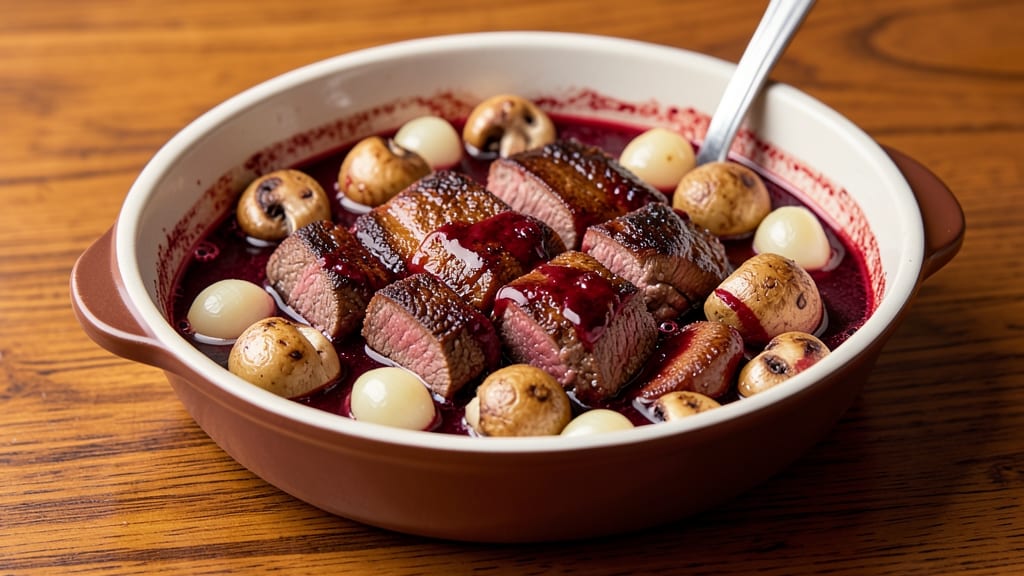
Betty Crocker's beef burgundy recipe delivers the kind of deep, wine-braised richness that transforms simple beef into a restaurant-worthy centerpiece. The secret lies in proper searing and slow reduction of a classic French-inspired sauce—where red wine, beef broth, and aromatic herbs meld into velvety perfection.
I've perfected this technique over years of testing, ensuring the beef stays tender while the sauce develops those signature layers of flavor.
What sets this recipe apart is its balance of tradition and adaptability—you can prepare it on the stovetop for hands-on control or transfer it to the oven for set-it-and-forget-it convenience.
The process begins with searing beef in batches to create a flavorful crust, then deglazing with wine to capture every browned bit. This foundational step ensures your sauce will be rich and complex, not thin or one-dimensional.
By the time you serve it—over egg noodles or crusty bread—you'll have a dish that's impossibly tender yet deeply flavorful, with a sauce that coats every bite in its luxurious embrace.
The aroma alone will have everyone gathering at the table, while the texture delivers that perfect harmony of melt-in-your-mouth beef and silky sauce. This is comfort food at its finest, elevated by professional techniques you can master at home.
Whether you're feeding a family or hosting dinner guests, this beef burgundy delivers restaurant-quality results with minimal fuss. The recipe scales beautifully, and leftovers reheat just as well as the first serving.
Ready to create a dish that tastes like it came from a Parisian bistro? Let's get started with the ingredients and instructions that make this classic unforgettable.
Ingredients for betty crocker beef burgundy
Sixteen ingredients for a dish that tastes like a Parisian bistro—no fancy shopping needed.
| Ingredient | Amount | Notes |
|---|---|---|
| Beef Chuck Roast 🥩 | 2 ½ lb | Cut into 1.5-inch cubes |
| Dry Red Wine 🍷 | 1 cup | Bold Cabernet Sauvignon preferred |
| Beef Broth 💧 | 2 cups | Low-sodium preferred |
| All-Purpose Flour 🌾 | 2 tbsp | For thickening sauce |
| Fresh Thyme 🌿 | 1 tbsp | Leaves only, chopped |
| Fresh Rosemary 🌿 | 1 tbsp | Leaves only, chopped |
| Garlic Cloves 🧄 | 4 cloves | Minced for sauce |
| Shallots 🧅 | 2 whole | Minced, or sub 2 tbsp onion |
| Carrots 🥕 | 1 cup | Diced, medium size |
| Tomato Paste 🍅 | 1 tbsp | Squeeze tube preferred |
| Worcestershire Sauce 🫒 | 1 tbsp | For depth of flavor |
| Olive Oil 🫒 | 2 tbsp | For searing beef |
| Salt 🧂 | 1 ½ tsp | Kosher or sea salt |
| Black Pepper 🌶️ | 1 tsp | Freshly ground preferred |
| Egg Noodles 🍝 | 12 oz | For serving |
The beef is everything here. Chuck roast breaks down beautifully—sirloin stays tough. Grab it from the butcher section if possible; the pre-cubed stuff at Costco or Kroger works too. Look for good marbling and ask for it to be cut into 1.5-inch chunks. Fresh thyme and rosemary make all the difference—Trader Joe's sells nice bundles, but any grocery store should have them. The wine? Any bold, dry red works—Cab Sauv, Merlot, whatever's open. Just avoid sweet or fruity varieties.
No red wine? Beef broth with 1 tbsp balsamic vinegar works in a pinch. Fresh herbs? Dried thyme at one-third the amount gets you close. Shallots too expensive? Two tbsp minced onion does the trick. The tomato paste can be a squeeze tube from Trader Joe's—no waste, keeps forever. Worcestershire sauce is non-negotiable for that umami punch, but if you're out, 1 tbsp soy sauce helps. The carrots can be baby carrots if that's what's in the fridge—just chop them small so they cook through.
This reheats beautifully—better the next day once everything melds. Keeps 4-5 days in the fridge, freezes for 3 months. I always make a double batch so we have leftovers for lunches. The sauce thickens as it cools, so add a splash of broth if it seems too stiff when reheating. Serve over egg noodles or crusty bread—garlic bread is a must.
Why You'll Love This Recipe
- One-Pot Magic: I swear by this recipe when I’m too tired to dirty multiple dishes. The chuck roast browns right in the pot, then simmers away while you stir in flour, wine, and broth—no extra pans, no stress.
- Wine-Infused Richness: That dry red wine? It’s not just flavor—it’s the secret weapon. The acidity cuts through the beef’s richness, while the thyme adds earthy warmth. Honestly, it tastes like a fancy restaurant dish, but with way less effort.
- Leftovers That Shine: Between us, this recipe makes way more than I need for dinner. The leftovers reheat beautifully—add a splash of broth, and it’s just as good the next day. My lunchbox gets packed with this for days.
- Budget-Friendly Feast: Chuck roast is affordable, and a bottle of red wine stretches across multiple meals. I’ll be real: this feeds six for under $30, and everyone leaves happy. Plus, the flour and broth are pantry staples—no extra shopping needed.
Step-by-step instructions for beef burgundy
Here's how to create a rich, wine-braised masterpiece that's simple yet impressive.
Sear the Beef Chuck Roast
Heat the 2 tablespoons olive oil in a large Dutch oven over medium-high heat until shimmering. Cut the 2.5 lb beef chuck roast into 1.5-inch cubes and pat them dry with paper towels—this ensures a good sear. Working in batches, add the beef cubes to the pot and brown them on all sides, about 3-4 minutes per batch. You're looking for deep golden-brown color and crisp edges.
Don't crowd the pan—this prevents steam buildup, which keeps the meat from browning properly. Transfer the browned beef to a plate as you work. Once all the beef is seared, reduce the heat to medium and add the 2 minced shallots, cooking for 2 minutes until softened. This step builds flavor by developing a rich fond at the bottom of the pot.
Build the Flavor Base
Sprinkle the 2 tablespoons all-purpose flour over the shallots and stir vigorously for 1 minute to coat the shallots and any browned bits. This creates a roux that will thicken your sauce. Pour in the 1 cup dry red wine and scrape up all the browned bits from the bottom of the pot with a wooden spoon—this is where all the deep, caramelized flavor lives.
Let the wine simmer for 3-4 minutes until it reduces by half. You'll notice the aroma become more concentrated and rich. Stir in the 1 tablespoon tomato paste, 1 tablespoon Worcestershire sauce, 1 tablespoon chopped fresh thyme, and 1 tablespoon chopped fresh rosemary. This combination adds depth and complexity to the sauce, balancing the acidity of the wine.
Braise the Beef
Return the seared beef to the pot and pour in the 2 cups beef broth. Bring the mixture to a gentle simmer, then reduce the heat to low. Cover the pot and let it cook for 2-2.5 hours, stirring occasionally. The beef is done when it's fork-tender and easily pulls apart. This slow cooking process transforms tough chuck roast into melt-in-your-mouth tenderness.
About 30 minutes before the beef is done, add the 1 cup diced carrots and 4 minced garlic cloves to the pot. These vegetables will absorb the rich flavors of the braising liquid, becoming sweet and tender. The garlic should be fragrant but not burned, and the carrots should be fork-tender with a vibrant color.
Thicken the Sauce
Once the beef is tender, remove the pot from the heat and let it sit for 5 minutes. This resting period allows the sauce to thicken slightly as it cools. Skim off any excess fat from the surface of the sauce if desired—this step is optional but can make the sauce lighter.
Taste the sauce and adjust the seasoning with salt and black pepper as needed. The sauce should be rich, slightly tangy, and well-balanced. If it's too thick, you can thin it with a splash of beef broth or water. The key is to achieve a sauce that coats the back of a spoon but isn't gluey. Serve the beef and vegetables over 12 oz cooked egg noodles to soak up every last bit of that luxurious sauce.
Pro Tips For Making Betty Crocker Beef Burgundy
- Sear the Roast First: I learned this the hard way—skipping the sear means flavor gets lost in the sauce. Hit that chuck roast with a hot pan (no oil needed, just let the beef render its own fat) for 3-4 minutes per side before deglazing. The crust locks in juices and deepens the wine’s richness when you add it later.
- Whisk the Flour-Wine Slurry: That dry flour clump in your sauce? Annoying. Mix the flour with cold water first, then stir it into the wine before adding to the pot. It dissolves smoothly and thickens the burgundy without lumps—no last-minute straining needed.
- Simmer Low and Slow: After the initial boil, drop the heat to a bare simmer (tiny bubbles, occasional swirls). I used to rush it, and the sauce turned gluey. Let it bubble gently for 2+ hours—this breaks down the beef’s collagen into silky texture, not rubbery chunks.
- Toast the Thyme Leaves: Sounds weird, but it works: Strip the thyme sprigs, then dry-toast the leaves in a hot pan for 10 seconds until fragrant. Toss them into the sauce at the end—this releases their oils and cuts through the wine’s acidity better than raw sprigs ever could.
Dietary considerations for this recipe
Gluten-Free Adaptation
This classic beef burgundy can easily become gluten-free by substituting the all-purpose flour with a 1:1 gluten-free flour blend like Bob's Red Mill or King Arthur Measure for Measure. Use 2 tablespoons of the blend to coat the shallots instead of regular flour.
For extra thickness, add 1 teaspoon cornstarch mixed with 1 tablespoon water to the sauce at the end of cooking. Always check labels on Worcestershire sauce—some brands contain gluten. Annie's or Lea & Perrins gluten-free versions work perfectly. 🌾
Low-Carb/Keto Options
Skip the egg noodles and serve the beef and vegetables over a bed of cauliflower rice or shirataki noodles to keep it low-carb. The rich sauce will still coat every bite beautifully.
For extra fat to balance the carbs, serve with a side of roasted Brussels sprouts or sautéed mushrooms. The beef itself is naturally low-carb, so the main adaptation is just the starch component. 🥦
Dairy-Free Considerations
This recipe is naturally dairy-free, but always double-check your beef broth for hidden dairy additives. If serving with bread, opt for dairy-free garlic bread using olive oil and nutritional yeast instead of butter.
The sauce's richness comes from the wine and beef, so no dairy substitutions are needed—just ensure all sides are dairy-free if required. 🧀
Allergen-Friendly Swaps
For nut allergies, avoid any garnishes with toasted nuts or nut-based sauces. If shellfish allergies are a concern, verify your Worcestershire sauce is shellfish-free—most brands are, but Lee Kum Kee contains shellfish.
For soy allergies, use tamari instead of soy sauce if substituting. The recipe's core ingredients are naturally free of top allergens, making it adaptable for many dietary needs. 🚫
Vegetarian Alternative
Replace the beef with mushrooms (like cremini or portobello) or lentils for a hearty vegetarian version. Sauté the mushrooms first to develop their umami flavor, then proceed with the recipe as written.
Lentils work well if cooked until very tender—add them with the carrots in the final 30 minutes of cooking. The sauce will still be rich and satisfying. 🍄
Nutrition facts
Frequently asked questions
Can I use a different cut of beef instead of chuck roast?
While chuck roast is ideal for its marbling and tenderness, you can substitute with stew beef or chuck shoulder—both work well. Avoid leaner cuts like sirloin or tenderloin, as they won't become tender enough during the 2-2.5 hour braising time. If using a tougher cut, increase the cooking time by 30 minutes to ensure perfect tenderness.
What if I don't have red wine? Can I still make this?
Replace the wine with a mix of 2 cups beef broth and 1 tablespoon balsamic vinegar for acidity. For extra depth, add 1 teaspoon soy sauce or 1 crushed bay leaf. The dish will still be flavorful, though the sauce will have a slightly different profile. The key is balancing the acidity and umami to mimic wine's complexity.
How do I prevent the sauce from being too thin?
If your sauce is too thin, stir in 1 tablespoon cornstarch mixed with 1 tablespoon cold water and simmer for 2-3 minutes until thickened. Alternatively, reduce the sauce uncovered over medium heat for 5-10 minutes, stirring frequently. The sauce should coat the back of a spoon but remain smooth. Skim excess fat if needed for a lighter texture.
Can I make this in a slow cooker?
Yes! Sear the beef as directed, then transfer everything (including browned bits) to a 6-quart slow cooker. Add the wine, broth, and remaining ingredients, then cook on low for 6-7 hours or high for 3-4 hours. The slow cooker's gentle heat ensures tender beef without drying it out. Stir occasionally and adjust seasoning at the end.
What sides pair best with beef burgundy?
Classic pairings include egg noodles, crusty baguette, or mashed potatoes to soak up the sauce. For a lighter option, try roasted Brussels sprouts or a simple green salad with a vinaigrette. The rich, wine-infused flavors also complement steamed vegetables like asparagus or carrots, which balance the dish's heartiness.