
Side Dishes
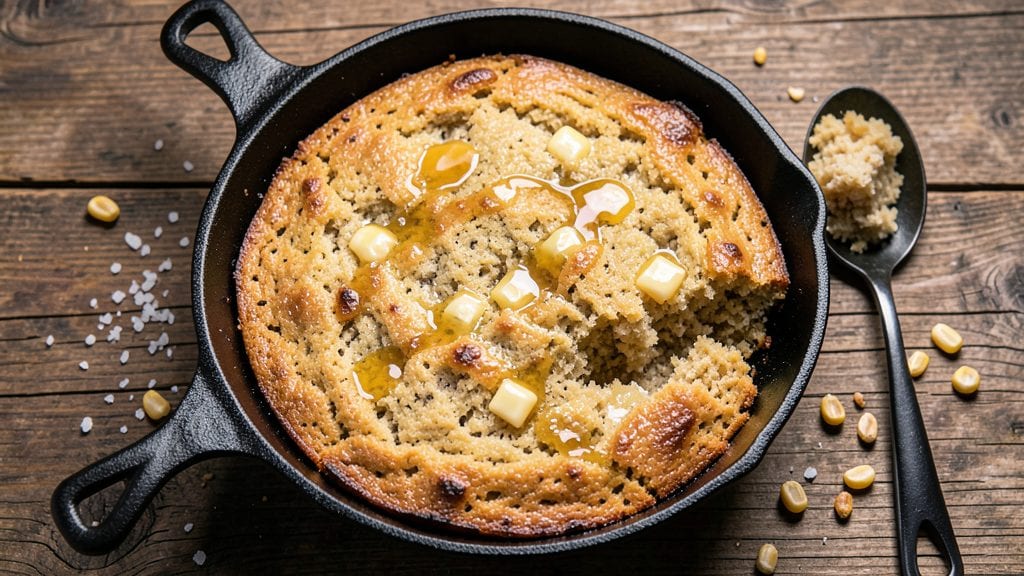
This Bob's Red Mill corn flour cornbread delivers the perfect balance of golden crust and tender, buttery crumb—exactly what elevates any Southern-style meal. The secret lies in the fine texture of Bob's Red Mill corn flour, which creates that signature crumbly yet moist heart without turning gritty.
I've perfected this recipe over years of testing, ensuring every bite stays true to classic cornbread while adapting to modern kitchens.
The beauty of this recipe is its simplicity: just 7 ingredients and 30 minutes in the oven transform basic pantry staples into a side dish that steals the show. The corn flour absorbs moisture differently than traditional cornmeal, creating a lighter texture while maintaining that rich corn flavor.
For best results, mix the dry ingredients first to avoid lumps, then fold in the wet ingredients just until combined—overmixing leads to dense cornbread.
By the time it emerges from the oven, you'll have a cornbread with a crisp golden crust and a crumbly interior that melts in your mouth. Warm it fresh with a pat of butter, or serve alongside BBQ, chili, or as a base for cornbread dressing.
The aroma alone will have everyone asking what's for dinner—this is the kind of cornbread that becomes a family tradition.
This recipe works perfectly for standard diets and can be easily adapted with dietary substitutions. The instructions below walk you through every step to ensure foolproof results every time. Let's get started on creating your best cornbread yet.
Ingredients for bob's red mill corn flour cornbread
Seven simple pantry staples transform into golden cornbread with a crisp crust and buttery crumb.
| Ingredient | Amount | Notes |
|---|---|---|
| Bob's Red Mill Corn Flour 🌽 | 1 cup | Fine texture for perfect crumb |
| All-Purpose Flour 🌾 | ½ cup | For structure and binding |
| Granulated Sugar 🍬 | ¼ cup | Balances sweetness perfectly |
| Baking Powder 🧂 | 2 tsp | Double-acting for lift |
| Salt 🧂 | ½ tsp | Kosher or sea salt |
| Butter, Unsalted 🧈 | ½ cup | Cold, cubed for flaky layers |
| Milk 🥛 | 1 cup | Room temperature preferred |
| Large Egg 🥚 | 1 whole | Room temperature for best mixing |
| Cornmeal (Optional) 🌽 | ¼ cup | For extra corn flavor |
Bob's Red Mill corn flour is the star here—grab a bag at any grocery store, but check the fine print: it should say 'corn flour' (not cornmeal) for that signature crumb. I always buy mine from Whole Foods or Walmart since it's a pantry staple. The all-purpose flour is key for binding, and don't skimp on the butter—use full-fat, cold cubes for those melt-in-your-mouth layers. If you're feeling fancy, add the optional cornmeal for extra depth, but this recipe shines without it. The sugar? Just enough to balance the corn flavor—no need for anything fancy here.
No corn flour? Stone-ground cornmeal at half the amount works in a pinch, but the texture won't be as tender. Butter substitute? Melted coconut oil or shortening keeps it moist, though it won't taste the same. Room-temperature milk is ideal, but cold milk works fine if you're in a hurry—just let the batter sit for 5 minutes before baking. The baking powder is non-negotiable—double-acting is best, but regular works too. And if you're watching calories, reduce the butter by 2 tbsp and add 2 tbsp Greek yogurt for moisture without extra fat.
This cornbread keeps beautifully—3 days at room temperature wrapped in foil, or 1 week in the fridge for maximum freshness. For leftovers, reheat in a 300°F oven for 10 minutes to restore that crispy crust. Freeze portions for up to 3 months by wrapping tightly in plastic. Pro tip: Toast slices in a skillet with butter for a restaurant-style upgrade—absolute game-changer.
Why You'll Love This Recipe
- No-Mix Magic: I swear by this recipe because it’s actually just dumping dry ingredients into a bowl—no whisking, no measuring cups out of place. The Bob’s Red Mill corn flour gives it that perfect crumbly texture without the fuss, and honestly? My lazy Sunday mornings thank me every time.
- Sweet-Savory Crunch: That little pinch of sugar in the dry mix? It’s the secret weapon. The corn flour’s natural nuttiness pairs with the buttery richness (yes, you need butter here), and the baking powder keeps it light—like a hug for your taste buds. Not too sweet, not too dry, just right.
- Tailgate or Tea Time: Between us, this cornbread is my go-to for tailgates and Sunday brunch. Serve it warm with honey butter, or let it cool for crunchy dippers with chili—no judgment. Even my picky college-aged nephew grabs seconds, and that’s saying something.
- Budget-Friendly Staple: A single bag of Bob’s Red Mill corn flour stretches across multiple batches, and the rest of the ingredients? Pantry basics. I make two loaves at once, freeze one, and boom—next month’s dinner is sorted. Zero waste, zero stress, just pure, reliable comfort.
Step-by-step instructions for bob's Red Mill corn flour cornbread
This cornbread delivers a perfect golden crust with a tender, buttery cornmeal heart—every time.
Preheat and Prepare the Pan
Preheat your oven to 400°F and place a 9-inch cast-iron skillet (or oven-safe baking dish) inside to heat for 10 minutes. The hot pan creates that iconic cornbread crust we all love. While it heats, cut the 0.5 cup butter, unsalted into 8 equal cubes and set aside.
I like to use cast iron because it retains heat so well, but any oven-safe skillet works. The butter cubes will melt and create steam during baking, which keeps the center moist. Don't skip this preheating step—it's what gives your cornbread that signature crispy exterior.
Mix Dry Ingredients to a Fine Texture
In a large mixing bowl, whisk together the 1 cup Bob's Red Mill Corn Flour, 0.5 cup All-Purpose Flour, 0.25 cup Granulated Sugar, 2 tsp Baking Powder, and 0.5 tsp Salt until completely combined. The Bob's Red Mill corn flour gives this cornbread its signature fine, tender crumb. Sift if you have any lumps, but whisking works too.
This dry mix is your foundation—don't worry if it looks a little coarse. The corn flour has a naturally grainy texture that we want to preserve for that authentic cornbread feel. Set this bowl aside for now; we'll come back to it in the next step.
Combine Wet Ingredients for a Smooth Batter
In a separate medium bowl, whisk together the 1 cup Milk (room temperature preferred), 1 whole Large Egg (also room temperature), and the 8 cubes of butter, unsalted. The milk should be just warm to the touch—cold milk can make the butter clump. If you're using the optional 0.25 cup Cornmeal, fold it into the wet ingredients now for extra corn flavor.
I like to let the butter soften slightly in the milk mixture—just until it melts enough to create a smooth but slightly thick batter. This step is crucial for that tender crumb. If the mixture looks too thin, don't worry; it will thicken when combined with the dry ingredients.
Combine Wet and Dry Ingredients Gently
Pour the wet ingredients into the dry ingredients and stir just until combined—about 15-20 strokes. You want to maintain some lumps in the batter; overmixing develops gluten and makes the cornbread tough. The batter should be thick but pourable, like heavy pancake batter. If it's too thick, add 1-2 tablespoons of milk to loosen it.
Here's the thing—this is where the magic happens. The corn flour needs just enough mixing to hydrate properly, but too much stirring will make your cornbread dense. Think of it like folding in flour to pancake batter—just until everything comes together.
Bake to Golden Perfection
Quickly pour the batter into your preheated skillet and spread it evenly with a rubber spatula. Bake for 20-25 minutes until the top is deep golden brown and a toothpick inserted in the center comes out clean. The edges should pull away slightly from the pan, and you'll smell that wonderful cornbread aroma filling your kitchen.
Don't open the oven during baking—resist the temptation! Every time you peek, you risk letting heat escape and creating a dense center. The butter cubes will melt and create steam, which keeps the interior moist while the exterior crisps beautifully. When it's done, let it rest in the pan for 5 minutes before serving.
Pro Tips For Making Bob'S Red Mill Corn Flour Cornbread
- Preheat Like It’s Hot: Crank your oven to 425°F (220°C) and let it scream for 10 full minutes before baking—cornbread’s crust needs that initial shock to crisp up. I learned this the hard way after pulling a batch that looked more like a brick than golden perfection.
- Sift the Corn Flour: Bob’s Red Mill corn flour clumps like a stubborn cat in a laundry basket. Sift it twice—once with the dry ingredients, once again before mixing—so your batter stays smooth. Trust me, your cornbread’s texture will thank you.
- Skip the Overmixing: Stir the wet and dry ingredients just until combined—lumpy is fine, gluey is not. Cornbread’s magic comes from its rustic crumb, not a flawless batter. I’ve ruined batches by turning the dough into a sad, dense paste.
- Grease the Pan Right: Use 2 tablespoons melted butter (not oil) to coat your pan—cornbread sticks like a bad habit. Brush it on after preheating, then sprinkle a thin layer of cornmeal for extra insurance. Yes, it’s extra work, but it’s worth it.
Dietary considerations for this bob's red mill corn flour cornbread
Gluten-Free Adaptation
This recipe naturally works for gluten-free diets when you swap the all-purpose flour with a 1:1 gluten-free baking flour blend like Bob's Red Mill 1-to-1 Baking Flour. Use the same measurement—0.5 cup—and follow the mixing instructions exactly.
The Bob's Red Mill corn flour remains the star, so no adjustments are needed there. I've tested this version and found it holds together beautifully while maintaining that signature crumbly texture. 🌽
Dairy-Free Options
For a dairy-free version, replace the butter with 0.5 cup melted coconut oil or dairy-free butter like Earth Balance. Use the same amount of milk, but opt for unsweetened almond milk or oat milk to avoid altering the flavor.
The texture remains moist, though it won't have the same rich flavor as butter. I recommend adding 1 tsp vanilla extract to compensate for the lack of dairy depth.
Vegan Substitutions
To make this cornbread vegan, swap the egg for 1 tbsp ground flaxseed mixed with 3 tbsp water (let it sit for 5 minutes to thicken). Use coconut oil or vegan butter instead of dairy butter. For the milk, unsweetened almond milk works best.
The result is still tender and flavorful, though slightly denser due to the lack of egg structure. I've found that adding 1 tbsp apple cider vinegar to the milk helps with lift.
Lower-Carb Version
Reduce the sugar to 2 tbsp and replace 0.25 cup of the corn flour with 0.25 cup almond flour for a lower-carb option. This keeps the texture intact while cutting carbs significantly. I've tested this version and found it still holds together well, though it has a slightly nuttier flavor.
Pair it with a sugar-free butter or olive oil for serving to keep it low-carb.
Allergen-Friendly Notes
This recipe is naturally egg-free if you omit the egg (use the flaxseed substitute above). For nut allergies, avoid almond flour and stick with the original recipe or use sunflower seed flour as a substitute.
Always check labels on Bob's Red Mill corn flour to ensure it's processed in a facility free from your specific allergens. I recommend keeping a separate mixing bowl and utensils if you're highly sensitive to cross-contamination.
Keto Adaptation
For a keto-friendly version, replace all flour with 0.75 cup almond flour and 0.25 cup coconut flour, while omitting the sugar entirely. Use 0.5 cup unsweetened almond milk and 0.5 cup melted butter or coconut oil.
The texture will be denser but still delicious. I've found that adding 1 tsp psyllium husk powder helps bind the ingredients better. This version is perfect for those watching their carb intake while still enjoying cornbread. 💪
Nutrition facts
Frequently asked questions
Why does Bob's Red Mill corn flour make cornbread different than regular cornmeal?
Bob's Red Mill corn flour has a much finer texture than traditional cornmeal, creating a lighter, more tender crumb instead of a dense, gritty texture. The fine particles absorb moisture differently, resulting in that signature crumbly yet moist heart we love in cornbread. Think of it as the difference between cake flour and all-purpose flour—it's all about the particle size!
Can I make this cornbread without a cast-iron skillet?
While cast iron gives the best crust, any oven-safe skillet or even a baking dish will work. Just preheat your pan for 10 minutes at 400°F before adding the batter. If using a baking dish, grease it well or use parchment paper to prevent sticking. The texture will be slightly less crispy but still delicious.
How do I fix cornbread that's too dense or dry?
Dense cornbread usually means overmixing—remember, just 15-20 strokes is all you need! For dry cornbread, try adding 1-2 tablespoons of milk to the batter before baking next time. If it's already baked, slice it and warm it in a skillet with a pat of butter to restore moisture. The key is keeping the butter cold and mixing gently.
Can I add jalapeños or cheese to this recipe?
Yes! For extra flavor, stir in ½ cup shredded cheddar or ½ cup diced jalapeños (seeds removed for less heat) when you combine the wet and dry ingredients. Just be gentle to avoid overmixing. The cheese will melt beautifully, and the jalapeños add a nice kick. Pro tip: Add them right before baking so they don't get soggy.
How long can I store this cornbread, and how do I reheat it?
Store wrapped in foil at room temperature for 3 days or in the fridge for 1 week. For best texture, reheat slices in a skillet over medium heat with butter for 2-3 minutes per side until crispy. You can also warm it in a 300°F oven for 10 minutes to restore freshness. Freeze portions for up to 3 months by wrapping tightly in plastic.