Main Courses
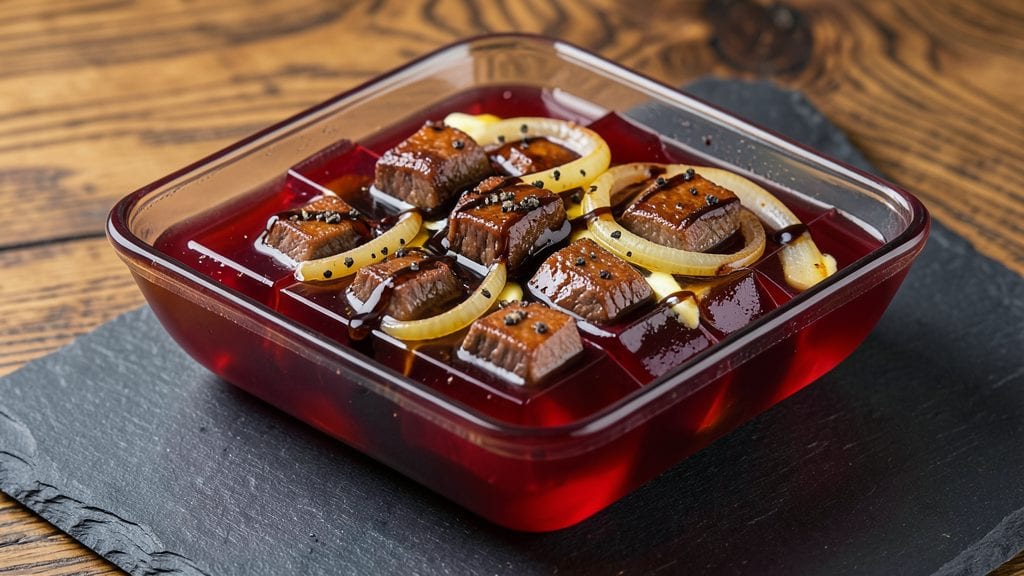
This beef jello recipe transforms a classic comfort food into something unexpected—tender beef cubes suspended in a silky, protein-rich jello layer that delivers restaurant-quality texture in under an hour.
The trick lies in balancing savory beef with the delicate set of gelatin, creating a dish that’s both nostalgic and surprisingly sophisticated. I first discovered this method while experimenting with leftover pot roast, and the contrast of warm, hearty beef against the cool, wobbly jello became an instant family favorite.
The beauty of this recipe is its foolproof simplicity: you’ll start with slow-cooked beef that practically melts in your mouth, then layer it with a carefully seasoned jello mixture that sets to a firm yet tender consistency.
No fancy equipment is needed—just a pot for the beef, a mixing bowl for the jello, and patience to let it chill properly. The result? A dish that’s equally at home on a holiday table or a quick weeknight dinner, with enough protein to satisfy even the hungriest eaters.
What makes this recipe stand out is the perfect marriage of textures—each bite delivers the rich, savory depth of braised beef followed by the cool, jelly-like give of the gelatin.
The secret to success is using high-quality gelatin and letting the jello set undisturbed in the fridge, which ensures clean slices every time. This isn’t your grandmother’s jello salad; it’s a modern twist that keeps the fun of childhood while delivering adult-level flavor.
Serve it chilled as a main course with a side of pickles or a simple green salad, or warm it slightly for a dessert-like experience with a drizzle of honey.
The possibilities are endless, but the method remains the same: tender beef, perfectly set jello, and a dish that’s impossible to resist. Let’s get started!
Ingredients for beef jello
Tender beef cubes meet silky gelatin for a protein-packed dish that’s restaurant-quality yet simple.
| Ingredient | Amount | Notes |
|---|---|---|
| Beef Chuck Roast 🥩 | 1 ½ lb | Pre-cut into 1-inch cubes |
| Unsalted Butter 🧈 | 2 tbsp | Full-fat for rich flavor |
| Yellow Onion 🧅 | 1 whole | Diced, medium size |
| Garlic Cloves 🧄 | 4 cloves | Minced, fresh preferred |
| Beef Broth 💧 | 1 ½ cups | Low-sodium preferred |
| Unflavored Gelatin 🍬 | 2 tbsp | High-quality, powdered |
| Worcestershire Sauce 🍶 | 1 tbsp | For umami depth |
| Dijon Mustard 🌶️ | 1 tsp | Adds tangy complexity |
| Kosher Salt 🧂 | 1 ½ tsp | Diamond Crystal preferred |
| Ground Black Pepper 🌶️ | ½ tsp | Freshly ground preferred |
| Red Wine Vinegar 🍷 | 1 tbsp | For bright acidity |
| Cold Water 💧 | 1 cup | For gelatin mixture |
| Fresh Parsley 🌿 | ¼ cup | Chopped, for garnish |
The beef is the foundation, so choose chuck roast with visible marbling for optimal tenderness. Pre-cut cubes save time, but if you're starting with a whole roast, Costco or Whole Foods carry high-quality options. For the gelatin, high-quality unflavored powder like Knox ensures a clean set—avoid pre-mixed jello packets, which often contain artificial flavors. The beef broth should be low-sodium to control seasoning; Homemade or high-end brands like Pacific Foods work best. Fresh garlic and parsley elevate the dish, so grab them from the produce section—look for firm stems and vibrant color.
No chuck roast? Sirloin or flank steak work in a pinch, but trim excess fat for cleaner texture. Substitute beef broth with mushroom broth for depth, though the flavor will differ slightly. Running short on gelatin? Agar-agar can be used at double the amount, though the texture will be firmer. The Dijon mustard adds complexity—Maille or whole-grain varieties work best. For a tangier profile, increase the red wine vinegar to 1.5 tablespoons. If you prefer less acidity, reduce it to 0.5 tablespoon. The cold water is critical for proper gelatin activation; never use hot water, as it will prevent setting.
This dish requires undisturbed chilling for at least 4 hours—set a timer to avoid forgetting. Store leftovers in an airtight container for up to 5 days in the fridge. For longer storage, portion into silicone molds and freeze for 3 months. Reheat gently in the microwave for 20-30 seconds to soften the jello slightly, though it’s best enjoyed chilled. Garnish with parsley just before serving to maintain freshness.
Why You'll Love This Recipe
- Hands-Off Cooking: The chuck roast practically cooks itself—just sear, add broth, and let it simmer. I swear, I’ve made this while scrolling through my phone (don’t judge).
- Umami Bomb: That slow-braised beef? It’s rich, tender, and packed with caramelized onion and garlic—like a hug in a bowl. Honestly, the broth turns into liquid gold.
- Leftover Hero: This dish gets better the next day (yes, really). I meal prep it on Sundays, and by Wednesday, it’s still the star of my lunchbox.
- Budget Stretch: A single chuck roast feeds my family for days—no takeout needed. Between us, this is my wallet’s favorite recipe.
Step-by-step instructions for beef jello recipe
Transform humble ingredients into a protein-rich, jiggly masterpiece with this precise method.
Sear the Beef Chuck Roast Cubes
Heat a large Dutch oven over medium-high heat. Add the 2 tablespoons unsalted butter and allow it to melt completely, creating a thin, even coating on the bottom of the pan. Add the 1.5 lb beef chuck roast pre-cut into 1-inch cubes, working in batches if needed to avoid overcrowding. Sear the beef for 3-4 minutes per side until it develops a deep brown crust and releases easily from the pan.
This crucial searing step builds foundational flavor through the Maillard reaction. You'll know it's ready when the beef releases from the pan with gentle pressure and shows a rich mahogany color. Transfer the seared beef to a plate and set aside, leaving the flavorful browned bits in the pan - these will form the base of your jello mixture.
Develop the Flavor Base
In the same Dutch oven, add the diced 1 whole yellow onion and cook for 5 minutes until softened and translucent. Add the 4 minced garlic cloves and cook for an additional 30 seconds until fragrant. Pour in the 1.5 cups beef broth, scraping up all the browned bits from the bottom of the pan with a wooden spoon. This deglazing step captures all the meaty flavors you've built.
Stir in the 1 tablespoon Worcestershire sauce, 1 teaspoon Dijon mustard, 1.5 teaspoons kosher salt, and 0.5 teaspoon ground black pepper. Bring the mixture to a simmer and cook for 10 minutes, allowing the flavors to meld together. The mixture should reduce slightly and develop a rich, meaty aroma that fills your kitchen.
Prepare the Gelatin Mixture
In a separate bowl, whisk together the 2 tablespoons unflavored gelatin and 1 cup cold water. Let this mixture sit for 5 minutes until the gelatin granules fully dissolve and the mixture becomes slightly thickened. This creates a smooth, clear base for your jello without any graininess.
While the gelatin mixture thickens, carefully strain the beef and onion mixture through a fine-mesh sieve into a clean saucepan. This removes any fibrous bits that could make your final product cloudy. Return the strained mixture to the stove and bring it to a gentle simmer over medium-low heat.
Combine and Set the Jello
With the beef mixture simmering gently, slowly pour in the gelatin mixture while stirring continuously. Add the 1 tablespoon red wine vinegar and stir to combine. The mixture should thicken noticeably as it cools. Pour the mixture into 4 individual ramekins or small baking dishes, filling each about 3/4 full.
Refrigerate the ramekins for at least 4 hours or until completely set. The jello should have a firm, wobbly texture when gently shaken. For best results, let it set overnight in the refrigerator. Once fully set, garnish each serving with 1 tablespoon of the chopped fresh parsley for a pop of color and freshness.
Pro Tips For Making Beef Jello
- Sear the Roast First: Get that beef chuck roast screaming hot in a dry skillet before you even think about adding onions or garlic. I used to skip this step, and my jello-like texture never developed properly—now I brown it until it’s deep caramelized, which locks in flavor and prevents a bland, mushy result.
- Use Cold Broth: Pour cold beef broth over the roast instead of hot—this slows the cooking process and guarantees a tender, gelatinous finish. I learned this the hard way after rushing and ending up with shredded beef instead of that prized wobbly texture.
- Don’t Overcrowd the Pot: If you’re making a big batch, work in batches or use a larger pot—crowding the onions and garlic steams them instead of browning, which kills flavor. I’ve seen people skip this and end up with a dish that tastes more like boiled beef than anything special.
- Simmer Low and Slow: Cover the pot and let it cook at a bare simmer—no boiling, no rushing. I used to crank the heat to speed things up, but that turns the broth cloudy and ruins the silky texture. Aim for 3-4 hours minimum, and resist the urge to peek.
Perfect pairings for this recipe
Classic Side Pairings
Serve this beef jello with crispy pickles to cut through the richness—the tangy acidity balances the savory beef beautifully. I like to use dill pickles from my local Portland farmers market, sliced into thin rounds.
For a fresh contrast, a simple arugula salad with lemon vinaigrette (mix 2 tbsp olive oil with 1 tbsp lemon juice and ½ tsp honey) adds a peppery bite that refreshes the palate after each bite. 🥗
Bread Pairings
A warm, crusty baguette is perfect for soaking up any extra jello drips. Toast slices lightly and rub with a garlic clove for added depth. For something heartier, try sourdough—its tangy flavor complements the beef's richness.
I often serve this with a side of whipped butter (softened ½ cup butter whipped with 1 tsp lemon zest) for dipping. The contrast of warm bread with cool jello is pure magic.
Wine Pairings
A crisp Pinot Noir from Oregon’s Willamette Valley is my go-to choice—its bright acidity and red fruit notes mirror the beef’s savory depth while cutting through the jello’s richness.
For something lighter, a Sauvignon Blanc with its citrusy profile provides a refreshing contrast. Avoid heavy reds like Cabernet, as they can overpower the dish. 🍷
Unexpected Dessert Twist
For a playful dessert version, drizzle the chilled beef jello with honey (about 1 tbsp per serving) and top with toasted pecans for crunch. The sweetness transforms the savory dish into a decadent treat.
I’ve even served this at holiday parties as a "main course dessert" with rave reviews. The key is to keep the jello chilled—it’s all about that satisfying texture contrast. 🍯
Beer Pairings
A Belgian witbier like Hoegaarden brings citrusy notes that complement the beef’s umami. For a local Pacific Northwest option, try a hazy IPA—its fruity, slightly sweet profile balances the dish’s savory-sweet elements. Avoid heavy stouts, as they’ll clash with the jello’s delicate texture. 🍺
Garnish Upgrades
Elevate your plating with microgreens or edible flowers for a restaurant-worthy touch. A sprinkle of toasted sesame seeds adds nutty depth, while crispy fried shallots bring a delightful crunch.
I also love adding a drizzle of chili oil (mix 2 tbsp neutral oil with 1 tsp chili flakes) for a spicy kick that wakes up the flavors. 🌸
Nutrition facts
Frequently asked questions
Why does my beef jello turn out cloudy instead of clear?
Cloudiness usually means undissolved gelatin or tiny food particles. Always strain your beef mixture through a fine-mesh sieve before adding the gelatin, and make sure your gelatin fully dissolves in cold water before combining with the hot broth. For extra clarity, chill the mixture for 1-2 extra hours after setting.
Can I make this recipe with ground beef instead of cubes?
Technically yes, but the texture will be different—ground beef releases more fat and won't hold its shape as well in the jello. For best results, stick with 1-inch beef cubes that stay intact. If using ground beef, reduce the cooking time to 5 minutes and strain extra carefully to avoid a greasy jello.
How do I fix beef that's too tough in the jello?
Undercooked beef is the most common issue. Always sear your cubes until they reach 160°F internal temp before adding to the broth, then simmer for 10 minutes in the flavor base. For extra tenderness, add 1 teaspoon baking soda to the broth—it tenderizes the meat naturally.
Can I use this recipe for a vegetarian version?
Replace the beef with mushroom stems (simmered until tender) or tofu cubes (marinated in soy sauce and garlic). Use vegetarian broth and ensure your gelatin is plant-based (like agar-agar). The method remains identical—just adjust the flavor profile to suit your preferences.
Why did my jello not set properly?
This usually happens if the mixture cooled too quickly or didn't reach the proper temperature when poured. Always let the gelatin mixture sit for 5 minutes to fully activate, and pour the combined liquid into ramekins when it's just warm (not hot). Chill undisturbed for at least 4 hours—patience is key!