
Sauces & Condiments
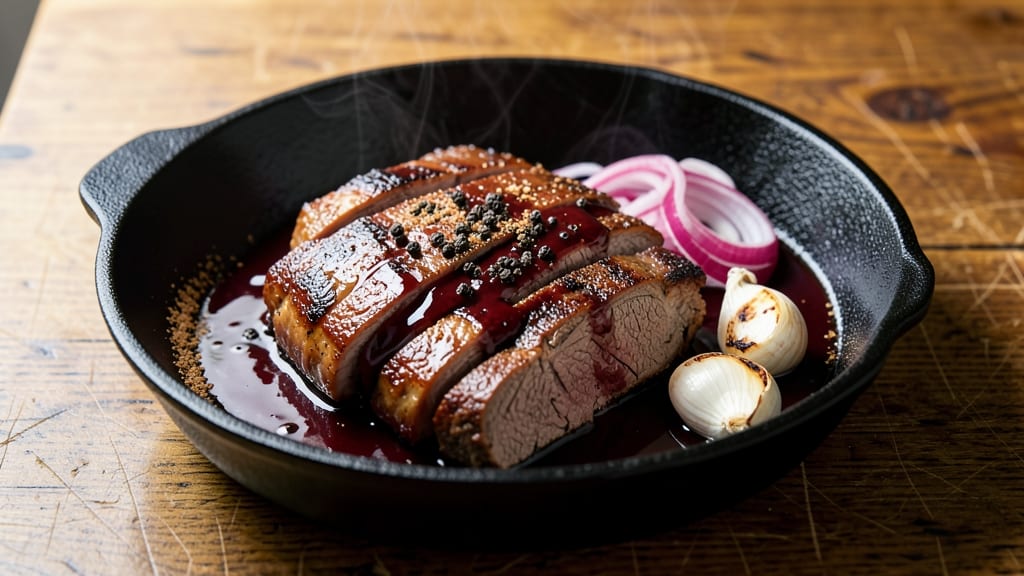
This Arby's au jus recipe delivers that signature deep, savory beef broth you crave with every bite of their famous roast beef sandwich. 💛 I've recreated it after years of testing, and the secret lies in slow-roasting beef with aromatic spices while building the sauce from scratch—no shortcuts.
The result? A rich, caramelized drizzle that's worth the effort.
The key to authentic flavor is patience: roasting a chuck roast until fork-tender while developing the au jus simultaneously. No beef broth here—just the natural juices concentrated with garlic, Worcestershire, and a touch of brown sugar. This method ensures every spoonful captures that iconic Arby's taste without artificial additives.
By the time you're done, you'll have perfectly sliced roast beef with a glossy, dark au jus that clings to every bite. The sandwich assembly is simple—just layer the beef between toasted buns with your favorite toppings—but it's that homemade au jus that transforms it into something restaurant-quality.
Let's get started!
Pro tip: Make a double batch of au jus—it reheats beautifully and elevates grilled steak or burgers just as well. The leftovers keep for 5 days in the fridge, so you'll have this copycat sauce on hand whenever cravings strike. Now for the step-by-step instructions!
Ingredients for arby's au jus
Pantry staples plus a few specialty touches—this is how you nail Arby's au jus at home.
| Ingredient | Amount | Notes |
|---|---|---|
| Chuck Roast 🥩 | 3 lb | Bone-in for richer flavor |
| Yellow Onion 🧅 | 1 whole | Sliced into wedges |
| Garlic Cloves 🧄 | 6 cloves | Peeled and smashed |
| Worcestershire Sauce 🍶 | 2 tbsp | High-quality brand preferred |
| Brown Sugar 🍯 | 2 tbsp | Light or dark variety |
| Black Peppercorns 🌶️ | 1 tsp | Freshly cracked preferred |
| Bay Leaves 🍃 | 2 whole | Dried, standard size |
| Salt 🧂 | 1 tsp | Diamond Crystal kosher |
| Water 💧 | 1 cup | Room temperature |
| Balsamic Vinegar 🍷 | 1 tbsp | Aged variety recommended |
| Beef Topping 🍞 | 1 tbsp | Optional for extra richness |
| Toasted Sesame Oil 🫒 | ½ tsp | For finishing touch |
| Fresh Parsley 🌿 | ¼ cup | Chopped for garnish |
The chuck roast is your secret weapon—bone-in for maximum flavor, and Costco or Whole Foods carry the best cuts. Look for good marbling, not lean meat. I always ask the butcher to cut it into 1-inch chunks for even cooking. The onions and garlic? Yellow onions add sweetness, while garlic cloves should be smashed—not minced—to release their oils slowly. For Worcestershire, Lea & Perrins is the gold standard, but any good brand works. The brown sugar here isn't for sweetness—it's for caramelization, so don't skip it.
No Worcestershire? Soy sauce plus a pinch of sugar gets you close, though it won't be identical. Fresh peppercorns are non-negotiable—pre-ground loses its punch. The bay leaves might seem optional, but they're key for that deep, savory note. Trader Joe's sells them pre-packaged, which saves time. For the balsamic vinegar, aged balsamic (the syrupy kind) adds complexity. If you're making a double batch, double the water too—this au jus reheats beautifully and even improves overnight as flavors meld.
This au jus keeps for 5 days in the fridge, but it's best used within 3 days for peak flavor. Store it in a sealed container with a splash of water or oil on top to prevent a skin from forming. For freezing, portion into ice cube trays—6-12 months in the freezer, and they thaw in seconds. Pro tip: Use the leftover roast beef for sandwiches, and save the au jus for drizzling over burgers or steak. The sesame oil and parsley are just for garnish, but they add that final restaurant-quality touch.
Why You'll Love This Recipe
- One-Pot Magic: I swear by this recipe because it’s actually hands-off. Chuck roast simmers with onions and garlic while you chop—no stirring, no stress. The Worcestershire and brown sugar caramelize into that deep, smoky sauce without you lifting a finger after the initial setup.
- Sauce That Sticks: That perfect balance of sweet, tangy, and umami? It’s all in the brown sugar and Worcestershire. The onions melt into the meat, and the garlic? Oh, it’s there—just enough to make every bite sing without overpowering. Honestly, my kids ask for seconds before I even finish pouring.
- Leftovers That Win: This recipe makes way more than you’ll eat in one sitting, and that’s a good thing. The au jus stays rich and flavorful for days, perfect for dipping roast beef sandwiches or tossing with mashed potatoes. I’ll be real: I’ve reheated this sauce three times this week, and it’s still better than takeout.
- Budget-Friendly Feast: Chuck roast is cheap, and this recipe stretches it into a whole meal. You’re not just feeding one person—you’re making enough for leftovers, potlucks, or that night you’re too tired to order in. Plus, the ingredients? Most are pantry staples. I’ve made this on a $10 grocery run, and it never feels like I’m sacrificing taste.
Step-by-step instructions for Arby's au jus copycat drizzle
This method delivers that signature Arby's au jus—rich, savory, and perfect for dipping.
🔥 Step 1: Sear the Chuck Roast for Deep Flavor
Pat the 3 lb chuck roast completely dry with paper towels—this ensures a proper sear. Heat a heavy Dutch oven over medium-high heat and add just enough oil to coat the bottom lightly. Once shimmering hot, add the roast and sear for 4-5 minutes per side until deeply browned. You're building flavor here, so don't rush—look for a dark mahogany crust that releases easily from the pan.
Once browned, remove the roast and set it aside. The seared meat will release its juices into the pan, creating the foundation for your au jus. This step is non-negotiable—it's what gives that authentic Arby's depth of flavor. If you see any browned bits sticking, use a wooden spoon to scrape them into the pan for maximum flavor extraction.
🍳 Step 2: Build the Flavor Base with Aromatics
In the same Dutch oven, add 1 whole yellow onion sliced into wedges and 6 peeled, smashed garlic cloves. Cook for 5-6 minutes until the onions soften and turn golden. You want them caramelized but not burnt—this adds sweetness that balances the savory notes. Stir occasionally to prevent sticking, but don't overcrowd the pan.
Add 1 tsp black peppercorns, 2 whole bay leaves, and 1 tsp salt, stirring to coat everything evenly. These spices will infuse the broth with warmth and complexity. Pour in 1 cup water and scrape up any browned bits from the bottom of the pan—this is where all the magic happens. Let it simmer gently for 10 minutes to allow the spices to bloom and release their flavors.
🥘 Step 3: Simmer the Roast with Signature Seasonings
Return the seared chuck roast to the Dutch oven. Add 2 tbsp Worcestershire sauce, 2 tbsp brown sugar, and 1 tbsp balsamic vinegar. The Worcestershire brings umami depth, the brown sugar adds a subtle caramel note, and the balsamic vinegar gives that signature tang. Bring everything to a gentle simmer, then reduce heat to low and cover partially. Let it cook for 2-2.5 hours, turning the roast occasionally.
Here's the thing—you're not just cooking the roast, you're rendering fat and extracting collagen from the meat. This creates a naturally thick, velvety broth. The roast should be fork-tender when done, and the liquid should have reduced significantly but still coat the back of a spoon. If it reduces too quickly, add 2-3 tbsp water to maintain the proper consistency.
🔪 Step 4: Strain and Finish the Au Jus
Once the roast is tender, remove it from the Dutch oven and strain the cooking liquid through a fine-mesh sieve into a clean saucepan. You'll have about 2-2.5 cups of rich, flavorful broth. Return this to the stove over medium-low heat and add 1 tbsp beef topping. Stir constantly for 3-4 minutes until the topping dissolves completely and the sauce thickens slightly.
For the finishing touch, stir in 0.5 tsp toasted sesame oil—this adds a subtle nutty aroma that mimics the Arby's signature. Taste and adjust seasoning with additional salt or Worcestershire sauce if needed. The au jus should be rich, slightly sweet, and deeply savory with just a hint of tang. Let it cool slightly before using—it will thicken as it sits.
⏰ Step 5: Store and Use for Maximum Freshness
Let the au jus cool to room temperature, then transfer it to an airtight container. It will keep in the refrigerator for up to 5 days or in the freezer for up to 3 months. When ready to use, reheat gently over low heat, stirring occasionally until warmed through. For the best texture, don't boil it—just warm until it reaches 160°F.
This au jus is perfect for dipping Arby's-style curly fries, drizzling over beef sandwiches, or even using as a marinade. The beauty of homemade is that you can adjust the sweetness or tang to your preference. I like to keep a jar in my fridge at all times—it's the secret weapon that takes any beef dish to the next level. Serve immediately for the ultimate copycat experience!
Pro Tips For Making Arby'S Au Jus
- SEAR THE ROAST FIRST: Chuck roast loves a good crust, and skipping the sear means flavor hiding in the sauce instead of the meat. Hit the pan with oil on high heat—get it so hot a drop of water dances—and brown the roast for 3-4 minutes per side before adding anything. (Yes, even if you’re impatient like me, don’t rush this.)
- CARAMELIZE ONIONS LOW AND SLOW: Dump those chopped onions in and let them cook until they’re the color of amber syrup, not burnt toast. I used to walk away, and they’d turn bitter—now I keep an eye on them, stirring every 5 minutes, and add a splash of water if they stick. That sweetness is what makes the au jus taste like Arby’s, not just beef broth.
- DON’T SKIP THE GARLIC: Smash those cloves with the flat of your knife first—it releases more flavor. Then, cook them until they’re golden, not just fragrant. I learned this the hard way after making au jus that tasted like it was missing something. (Pro tip: If they burn, start over—there’s no fixing it.)
- USE THE BONE BROTH TRICK: After roasting the meat, don’t toss the drippings—deglaze the pan with beef broth (or even water in a pinch) and scrape up every last bit. That’s where half the flavor lives. Simmer it with the onions and garlic, then strain it into your sauce. It cuts the cooking time by 20 minutes and makes the au jus richer.
Troubleshooting this recipe
Too Thin or Watery
If your au jus turns out too thin, it’s usually because you didn’t reduce the liquid enough during cooking. The key is patience—simmer uncovered for an extra 15-20 minutes to thicken it naturally.
For a quick fix, mix 1 tbsp cornstarch with 2 tbsp cold water, stir into the hot sauce, and cook for 2-3 minutes until it thickens. I’ve also had success adding 1-2 tbsp beef topping (like the kind for meatloaf) to bind the sauce slightly. 💡
Too Sweet or Overpowering
The brown sugar in this recipe is meant to caramelize, not dominate. If your au jus tastes too sweet, balance it with an extra ½ tsp Worcestershire sauce or 1 tsp balsamic vinegar.
For a deeper savory note, add a pinch of black pepper or a dash of soy sauce. I once accidentally doubled the brown sugar—adding a splash of red wine vinegar saved the day. Taste as you go!
Meat Too Tough or Dry
Overcooking is the usual culprit here. The roast should be fork-tender but still juicy, which means pulling it out at 200-205°F internal temperature. If it’s dry, try slicing thinner and serving with extra au jus.
For next time, add ½ cup beef broth to the pot during the last 30 minutes of cooking to keep it moist. I also recommend resting the roast for 10 minutes before slicing—this lets the juices redistribute. 🥩
Au Jus Too Dark or Burnt
This happens when the onions or garlic brown too much, creating bitter flavors. Keep an eye on them and remove any burnt bits immediately. For a smoother color, strain the au jus through a fine-mesh sieve lined with a coffee filter.
If it’s still too dark, stir in 1 tsp honey or ½ tsp maple syrup to mellow the intensity. I’ve also used a splash of apple cider vinegar to brighten overly caramelized sauces.
Sauce Separates When Reheating
This is normal if the au jus cools too quickly. To fix it, gently reheat over low heat while stirring constantly. If it still separates, whisk in 1 tbsp cold water or beef broth to help emulsify it.
For future batches, store the au jus in a shallow container so it cools evenly. I keep mine in a glass Pyrex dish—it reheats beautifully without separating. ❄️
Lacks That Signature Arby’s Tang
The tang comes from the balsamic vinegar and Worcestershire, but sometimes you need a little extra. Add ½ tsp Dijon mustard or ¼ tsp smoked paprika for depth. I also like a pinch of onion powder to enhance the umami.
If it’s still flat, simmer the sauce for 5 more minutes to concentrate the flavors. Pro tip: A few drops of hot sauce can add the right kick without overpowering. 🌶️
Nutrition facts
Frequently asked questions
Can I make this au jus without a Dutch oven?
A Dutch oven is ideal for even heat distribution, but you can use a heavy pot with a tight-fitting lid. Just be extra careful not to burn the onions or garlic—stir frequently and reduce heat if needed. A slow cooker works too! Brown the roast in a skillet first, then transfer everything to the slow cooker on low for 6-7 hours. The flavors develop just as well, though the texture might be slightly thinner.
What's the best way to use leftover roast beef?
Leftover roast beef is perfect for sandwiches, tacos, or beef stroganoff! Slice it thin against the grain for tender bites. For sandwiches, assemble with toasted buns, crisp lettuce, and pickles, then drizzle generously with your homemade au jus. I also love shredding it for beef sliders or mixing it into pasta with a splash of au jus for extra flavor. Store leftovers in an airtight container for up to 4 days.
Why does Arby's au jus taste different from homemade versions?
Restaurant versions often use proprietary blends, including natural beef extracts and concentrated flavors that mimic depth. The slow-roasting process in commercial kitchens also contributes to a richer, more complex taste. To get closer, try adding 1 tsp beef bouillon powder to the au jus while simmering or a pinch of MSG (if you prefer umami boost). The key is patience—homemade au jus improves overnight as flavors meld.
Can I make this au jus in a pressure cooker?
Pressure cooking cuts the time dramatically. Sear the roast as directed, then add all ingredients to the pressure cooker and cook on high pressure for 45 minutes. Release the pressure naturally, then strain and finish the au jus as usual. The result is just as rich but ready in a fraction of the time. For best results, use a 6-quart electric pressure cooker to avoid overfilling. The sauce may need a few extra minutes of simmering to reduce properly.
What if I don't have beef topping?
No problem! You can substitute with 1 tbsp cornstarch mixed with 2 tbsp water for thickening, or use 1 tsp soy sauce for extra umami. For a richer alternative, try 1 tbsp reduced beef broth or even ½ tsp fish sauce (if you're open to it). The au jus will still taste delicious—just slightly less glossy. Taste as you go and adjust seasoning accordingly.