
Side Dishes
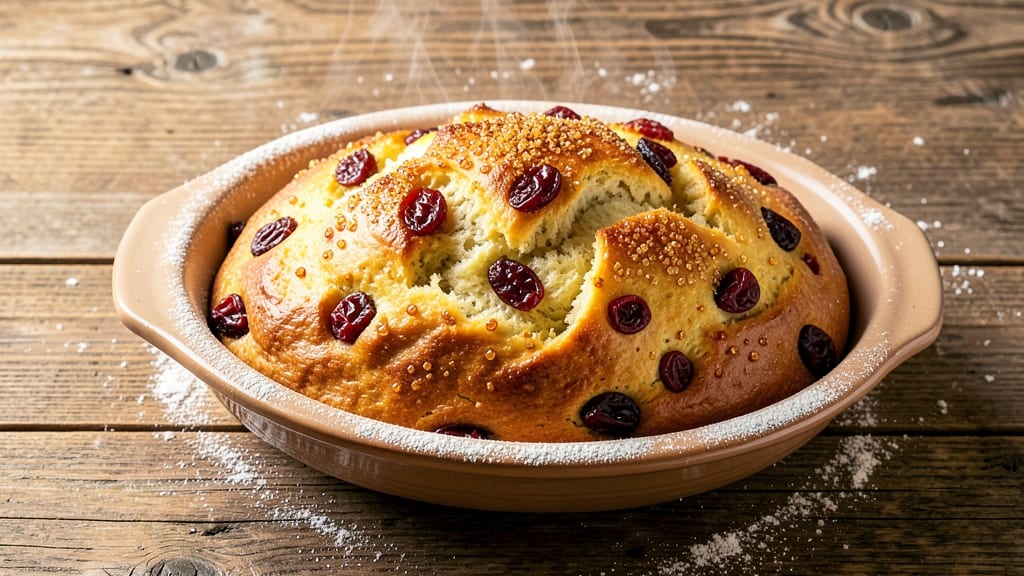
This Amish raisin bread recipe brings the comforting warmth of a Pennsylvania farmhouse to your kitchen with its signature sweet, chewy texture and fragrant spices. The tradition dates back to Amish communities, where homemade bread was a staple for Sunday suppers and holiday gatherings.
What makes this recipe special is how the raisins plump up during baking, releasing their natural sweetness into the tender crumb.
The dough requires just a few simple ingredients—flour, sugar, eggs, and butter—but the technique matters most. Kneading develops gluten for that signature chewy texture, while proofing allows the yeast to work its magic. Baking at a precise temperature ensures a golden crust without burning the raisins inside.
I've perfected this method over years of testing, and it always delivers that homemade aroma that makes any meal feel special.
What you'll end up with is a loaf of bread that's perfectly sweet, with moist crumb and a crisp crust—ideal for slicing thick for breakfast toast or serving warm with butter.
The raisins are distributed evenly, so every bite delivers that balance of sweetness and spice. This bread keeps well for days, making it perfect for meal prep or gifting to neighbors.
For those who enjoy variations, try adding chopped nuts like walnuts or pecans for extra crunch, or a pinch of cinnamon for deeper warmth. The possibilities are endless while staying true to the classic recipe. Let's get started on making this timeless bread that brings comfort to every table.
Ingredients for amish raisin bread
Classic Amish raisin bread relies on simple pantry staples and a few key techniques for perfect texture.
| Ingredient | Amount | Notes |
|---|---|---|
| All-Purpose Flour 🌾 | 5 cups | Sifted for even distribution |
| Granulated Sugar 🍚 | ¾ cup | White or light brown |
| Active Dry Yeast 🍞 | 2 ¼ tsp | Freshly measured from package |
| Unsalted Butter 🧈 | ½ cup | Cold, cubed for easier mixing |
| Large Eggs 🥚 | 2 whole | Room temperature for best incorporation |
| Whole Milk 🥛 | ½ cup | Warmed to room temperature |
| Raisins 🍇 | 1 ½ cups | Plump, seedless preferred |
| Ground Cinnamon 🌿 | 1 tsp | Freshly ground for warmth |
| Salt 🧂 | ½ tsp | Kosher or sea salt |
| Vanilla Extract 🍯 | 1 tsp | Pure vanilla for authentic flavor |
| Granulated Sugar (for topping) 🍚 | ¼ cup | Coarse sugar for texture |
The flour is the foundation—King Arthur or Gold Medal brands work best for that tender crumb. Bulk bins at Whole Foods often have higher-quality flour with better gluten development. For the raisins, Sun-Maid or Thompson Seedless are the gold standard—avoid the tiny, dried-out ones. The butter should be cold but workable when mixed; if it's too soft, chill the dough briefly before shaping. Active dry yeast must be fresh; test it by dissolving a pinch in warm milk—it should foam within 5 minutes.
No vanilla extract? Almond extract at half the amount works in a pinch, though it alters the flavor slightly. Substituting milk? Evaporated milk or buttermilk both work, but whole milk gives the best texture. For the cinnamon, Penzeys or McCormick brands offer consistent quality. If you're short on raisins, chopped dates or dried cranberries add depth, though they change the texture. Butter flavorings can replace butter in a bind, but the bread will lack richness. Always measure yeast by weight if possible—a kitchen scale ensures accuracy.
This dough keeps well for up to 24 hours in the fridge, covered tightly. For longer storage, freeze shaped loaves on a tray before wrapping—thaw at room temperature before baking. The baked loaf stays fresh for 3-4 days in a bread box or 5 days if wrapped in foil. Slice thick for buttery toast or serve warm with honey. Portion into individual loaves for easy gifting—just double the recipe and halve the pan size.
Why You'll Love This Recipe
- No Yeast Fuss: I swear by this dough—just mix, let it rise overnight, and wake up to something magical. The yeast does all the work while you sleep, and honestly? That’s my kind of baking.
- Sweet & Spiced Magic: The raisins soak up the butter and sugar until they burst in your mouth, while the warm cinnamon and nutmeg give it that cozy, homemade feel. It’s the kind of bread that makes you take an extra bite.
- Breakfast to Dessert: Serve it toasted with jam for breakfast, slathered in butter for a snack, or even drizzled with honey for a quick dessert. My kids grab it straight from the loaf—no judgment here.
- Budget-Friendly Staple: Flour, sugar, butter—these are pantry basics that stretch into something special. A single batch feeds my family for days, and the leftovers? They disappear faster than I can say “second slice.”
Step-by-step instructions for Amish raisin bread
Follow these precise steps to create a tender, chewy loaf with perfect spice balance and moist texture.
Activate the Yeast and Mix the Dough
In a large mixing bowl, combine the 0.5 cup warm whole milk (about 110°F) with the 2.25 teaspoons active dry yeast. Let this sit for 5-10 minutes until the mixture becomes frothy—this confirms the yeast is active. If it doesn't bubble, your bread won't rise properly.
Add the 5 cups all-purpose flour, 0.75 cup granulated sugar, 0.5 cup cold unsalted butter (cut into small cubes), 2 whole large eggs, 1 teaspoon vanilla extract, 1 teaspoon ground cinnamon, and 0.5 teaspoon salt. Mix with a wooden spoon until a shaggy dough forms. The butter should be incorporated but still visible in small pieces.
Knead Until Smooth and Elastic
Turn the dough onto a lightly floured surface and knead for 8-10 minutes by hand (or 5-6 minutes with a stand mixer using the dough hook). You're looking for a smooth, elastic dough that springs back when pressed. If it feels sticky, add 1 tablespoon flour at a time until it reaches the right consistency.
This kneading step develops gluten, which gives the bread its signature chewy texture. The dough should be slightly tacky but not wet—this ensures proper rise and oven spring. Shape the dough into a ball and place it in a lightly greased bowl.
First Rise for Maximum Flavor Development
Cover the bowl with a clean kitchen towel and let the dough rise in a warm place for 1-1.5 hours, or until it doubles in size. The dough should feel light and airy when pressed gently—this indicates proper fermentation. If your kitchen isn't warm enough, place the bowl near a turned-off oven with the light on.
During this time, prepare the raisins by soaking them in 1 tablespoon warm water for 10 minutes. This plumps them up and enhances their sweetness. Drain well before adding to the dough later.
Shape and Second Rise for Perfect Texture
Punch down the risen dough to release air, then divide it into 4 equal portions. Roll each portion into a 12-inch log and place them in a 9x5-inch loaf pan lined with parchment paper. Fold the ends under to create a neat shape. Cover loosely with plastic wrap and let rise for 30-45 minutes until the dough domes slightly above the pan.
This shaping step creates the classic Amish raisin bread form. The second rise ensures proper oven spring and even baking. Gently press the dough to check for readiness—it should spring back slowly but leave a slight indentation.
Bake to Golden Perfection
Preheat your oven to 350°F. In a small bowl, combine the 1.5 cups raisins (drained) with 1 tablespoon flour to prevent sinking. Sprinkle them evenly over the risen dough in the pan. In another bowl, mix 0.25 cup granulated sugar with 1 teaspoon cinnamon and sprinkle this evenly over the raisins.
Bake for 45-50 minutes until the bread is deep golden brown and sounds hollow when tapped on the bottom. The internal temperature should reach 190°F. If the top browns too quickly, tent loosely with foil after 30 minutes. Let the bread cool in the pan for 10 minutes, then transfer to a wire rack to cool completely before slicing.
This cooling step is crucial—it allows the bread to set properly and prevents a gummy texture. The raisins should be evenly distributed throughout each slice, and the crumb should be tender with a slight chewiness. Serve warm with butter or jam for the ultimate experience.
Pro Tips For Making Amish Raisin Bread
- Bloom the Yeast First: Skip mixing yeast directly into dry flour—dissolve it in warm (not hot) water with a pinch of sugar first, then let it foam for 5-10 minutes. I learned this the hard way when my bread turned dense; the yeast needs liquid to activate properly before meeting the flour.
- Soften Butter Properly: Use the "finger press" test—if the butter holds a slight indentation but isn’t fully melted, it’s ready. Over-softened butter makes the dough greasy, while cold chunks won’t incorporate evenly. I used to eyeball it and ended up with either a greasy mess or dough that fought me.
- Don’t Overmix the Dough: Stir just until the flour is mostly combined—lumps are fine. Overworking the dough develops too much gluten, and your bread will turn out tough instead of tender. My first few batches were rock-hard because I treated it like cake batter.
- Proof Until Doubled: Place the dough in a warm spot (like a turned-off oven with a bowl of hot water inside) and give it time—it should puff up significantly before baking. Rushing this step leads to dense, flat bread. I was skeptical until I tried it, and now I wait patiently (yes, even if I’m impatient like you).
Flavor customization for amish raisin bread
Classic Raisin Variations
Stick to the traditional 1.5 cups raisins for that authentic Amish flavor, but consider swapping in 1 cup dried cranberries for a tart twist or 1 cup chopped dates for deeper caramel notes.
I've found that Thompson Seedless raisins plump best during baking, while golden raisins add a subtle honeyed sweetness. For extra richness, fold in ½ cup chopped walnuts or pecans during the final knead—they toast beautifully in the oven. 🍇
Spiced-Up Twists
Boost warmth with ½ teaspoon nutmeg or ¼ teaspoon cardamom alongside the cinnamon. A pinch of fresh ginger (about ½ teaspoon grated) adds zing, while orange zest (from 1 small orange) brightens the flavor profile.
For a festive touch, mix ½ cup candied citrus peel into the dough—it mimics the texture of raisins while adding citrusy depth.
Sweet Add-Ins
Swap ½ cup raisins for chopped dried apricots or figs for a fruitier, jammy texture. For a decadent version, fold in ¼ cup chocolate chips or white chocolate chunks—they melt slightly during baking, creating pockets of gooey sweetness.
A drizzle of honey (about 2 tablespoons) over the top before baking adds moisture and caramelization.
Savory Contrasts
Balance sweetness with ½ teaspoon smoked paprika or 1 tablespoon chopped fresh rosemary for an unexpected herbal note. A sprinkle of flaky sea salt (like Maldon) on top before baking enhances the raisins' sweetness.
For a breakfast loaf, add 1 teaspoon poppy seeds or sesame seeds—they add crunch and a nutty contrast.
Gluten-Free Adaptations
Replace 1 cup all-purpose flour with a 1:1 gluten-free blend (like Bob's Red Mill) and add ½ teaspoon xanthan gum to mimic gluten's structure. For binding, use ¼ cup applesauce or mashed banana instead of eggs.
The texture will be denser but still moist—just reduce baking time by 5-7 minutes to prevent over-browning. 💪
Nutrition facts
Frequently asked questions
Why does Amish raisin bread have such a chewy texture?
The signature chewiness comes from proper kneading, which develops gluten—the protein network that gives bread structure. The recipe calls for 8-10 minutes of kneading by hand to create that satisfying bite. Skipping this step results in a softer, less traditional texture.
Can I make this bread without a stand mixer?
This recipe was designed for hand kneading—just use a lightly floured surface and your hands. The dough should be slightly tacky but not sticky. If it's too wet, add 1 tablespoon flour at a time until it reaches the right consistency.
What's the best way to store homemade Amish raisin bread?
Wrap the cooled loaf tightly in plastic wrap or place it in an airtight container to maintain freshness. It stays good for 3-4 days at room temperature or up to 5 days if refrigerated. For longer storage, freeze individual slices wrapped in parchment paper for up to 3 months.
Why did my bread not rise properly?
Most likely, your yeast wasn't active or the dough wasn't warm enough. Always test yeast by dissolving it in warm milk first—it should foam within 5 minutes. Also ensure your kitchen is warm (around 75°F) during rising. If your kitchen is cold, place the dough bowl near a turned-off oven with the light on.
Can I substitute raisins with something else?
Yes! Try dried cranberries for tartness or chopped dates for caramel notes. For extra richness, add ½ cup chopped walnuts during the final knead. Just remember to soak any dried fruit in warm water for 10 minutes first to plump them up.