
Soups & Stews
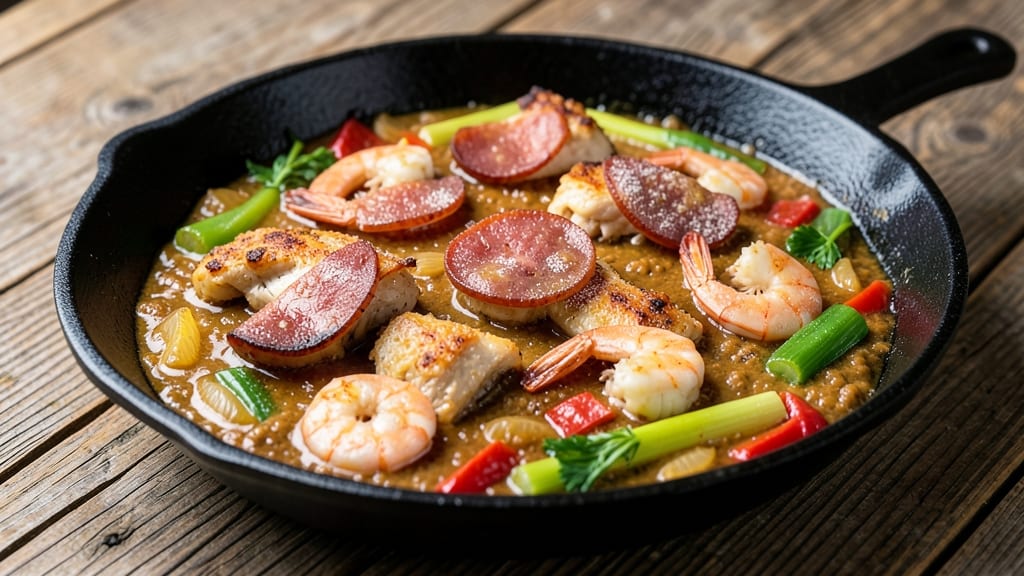
Mastering Zatarain's gumbo recipe means unlocking the secrets of a bold Cajun roux—the rich, dark foundation that transforms this dish into a Louisiana classic.
After years of perfecting this recipe, I’ve learned that patience and precision in the roux-building stage make all the difference between a good gumbo and a truly unforgettable one. The aroma alone—smoky, spicy, and deeply aromatic—will transport you straight to a Cajun bayou.
This recipe delivers restaurant-quality gumbo with tender chicken, smoky sausage, and plump shrimp, all simmered in a thick, flavorful broth. The key lies in the slow-cooked roux, which caramelizes into a deep mahogany color while blooming the spices into complex, layered flavors.
Every step—from deglazing the pot to balancing the seasoning—is designed to create a dish that’s rich, hearty, and packed with authentic Cajun character.
By the time you serve this gumbo over steaming hot rice, you’ll have a deeply satisfying meal that’s perfect for family dinners or gatherings with friends.
The roux’s intensity mellows into a velvety base, while the proteins stay tender and the spices harmonize into a perfect balance of heat and depth. This is the gumbo that brings people back for seconds—and thirds.
For those who love flexibility, you can easily adapt this recipe for a seafood gumbo by swapping the chicken and sausage for shrimp, crawfish, or crab. The same principles apply—just adjust the cooking times for delicate seafood. Let’s get started on creating your own Cajun masterpiece.
Ingredients for zatarain's gumbo
Sixteen ingredients—just enough to build a gumbo that tastes like a Cajun feast.
| Ingredient | Amount | Notes |
|---|---|---|
| Chicken Thighs, Bone-In 🍗 | 1 ½ lb | Skin-on preferred for flavor |
| Andouille Sausage 🌭 | 1 lb | Smoked, sliced into rounds |
| Large Shrimp, Peeled & Deveined 🦐 | 1 ½ lb | Frozen works, thawed completely |
| Yellow Onion 🧅 | 2 whole | Medium, diced into small pieces |
| Green Bell Pepper 🌶️ | 1 whole | Medium, diced into small pieces |
| Celery Stalks 🥬 | 3 whole | Diced into small pieces (holy trinity) |
| Garlic Cloves 🧄 | 6 cloves | Fresh, minced finely |
| All-Purpose Flour 🌾 | ½ cup | White, for roux base |
| Vegetable Oil 🫒 | ½ cup | Refined, for roux cooking |
| Chicken Broth 💧 | 4 cups | Low-sodium, homemade preferred |
| Cajun Seasoning 🌶️ | 2 tbsp | Homemade or Tony Chachere's |
| Smoked Paprika 🌶️ | 1 tbsp | For extra depth in roux |
| Thyme Leaves 🌿 | 1 tbsp | Fresh or dried (1 tsp dried) |
| Bay Leaves 🍃 | 2 whole | Dried, removed before serving |
| Salt 🧂 | 2 tsp | Kosher or sea salt |
| Black Peppercorns 🌶️ | ½ tsp | Freshly cracked |
| Filé Powder 🌾 | 2 tbsp | For thickening at the end |
| Long-Grain White Rice 🍚 | 2 cups | Uncooked, for serving |
The roux is where magic happens. Tony Chachere's Cajun seasoning and smoked paprika are non-negotiable for that authentic kick, but if you're making your own blend, toast the spices first for deeper flavor. The Andouille sausage should be the good stuff—Johnsonville or Zatarain's brands work best. For the holy trinity (onion, bell pepper, celery), chop everything into small, even pieces so they cook down evenly. Fresh thyme and bay leaves add layers of aroma, but dried works in a pinch (just halve the amount). The filé powder? Only add it at the very end—it thickens instantly when hot.
No Cajun seasoning? Mix 1 tbsp each paprika, garlic powder, onion powder, and 1 tsp each dried thyme, oregano, and black pepper. Out of shrimp? Crawfish tails or crabmeat work beautifully—just add them last to avoid overcooking. The roux should reach a deep mahogany color (about 45-60 minutes of stirring), but don’t walk away—burnt roux means starting over. For the chicken, bone-in thighs stay juicier than breasts. If using frozen shrimp, thaw in cold water to preserve texture. The rice? Jasmine or basmati absorbs the broth better than long-grain white.
This gumbo tastes even better the next day—3-4 days in the fridge, 3 months frozen. Store the roux separately if making ahead (freeze in a jar). To reheat, add a splash of broth and simmer gently. For serving, steamed rice in a cast-iron skillet with a little butter and hot sauce takes it to the next level. Leftovers? Portion into containers with a scoop of rice—lunch for the week, sorted.
Why You'll Love This Recipe
- One-Pot Magic: The second you toss in the chicken thighs and andouille, you’re basically done chopping. Onion and bell pepper get a quick sauté, then it’s just simmering—no flipping pans, no stress. My weeknights thank me for this.
- Smoky Deep Umami: That andouille sausage? It’s the star. The slow cook transforms it into something rich and caramelized, while the shrimp add a bright finish. Honestly, the first bite makes me forget I’m not at a Cajun restaurant.
- Leftovers That Beg for More: This gumbo only gets better the next day. The flavors meld into something even richer, and reheating takes two minutes. I’ll be real: I’ve microwaved it straight from the fridge at 7 AM—no shame.
- Budget-Friendly Feast: Chicken thighs and andouille stretch across multiple meals, and shrimp feels like a treat without breaking the bank. Between us, this is the only recipe where I actually use the whole onion and bell pepper—no waste, all flavor.
Step-by-step instructions for Zatarain's gumbo recipe
Mastering this Cajun classic starts with the roux—don't rush this foundational step.
Build the Perfect Dark Roux
Heat the 0.5 cup vegetable oil in a heavy-bottomed pot over medium-low heat. Add the 0.5 cup all-purpose flour all at once and stir constantly with a wooden spoon. The mixture will immediately thicken into a paste, then begin to bubble and lighten in color.
This is where patience pays off. Cook the roux for 45-60 minutes, stirring frequently, until it reaches a deep chocolate brown color—almost black. You're aiming for what Cajun cooks call a "Zatarain's brown," which adds rich, nutty depth to the gumbo. If the roux starts to smoke excessively, reduce the heat slightly to prevent burning, but never let it stop bubbling. The roux should coat the back of a spoon and smell like toasted nuts.
Sauté the Holy Trinity and Brown the Meat
While the roux cooks, dice the 2 whole yellow onion, 1 whole green bell pepper, and 3 whole celery stalks into small, even pieces—this is the "holy trinity" of Cajun cooking. Once your roux reaches the perfect brown color, immediately add the diced vegetables and stir vigorously to coat them in the roux. Cook for 5-7 minutes until the vegetables soften slightly and begin to caramelize.
Push the vegetables to the side of the pot and add the 1.5 lb chicken thighs, 1 lb andouille sausage, 6 cloves minced garlic, 2 tbsp cajun seasoning, 1 tbsp smoked paprika, 1 tbsp thyme leaves, 2 whole bay leaves, 2 tsp salt, and 0.5 tsp black peppercorns. Brown the chicken and sausage for 8-10 minutes, stirring occasionally, until the chicken is golden and the sausage develops a deep crust. Remove the chicken and sausage from the pot and set aside—they'll finish cooking later.
Simmer the Gumbo Base
Pour in the 4 cups chicken broth, scraping up any browned bits from the bottom of the pot. Bring to a gentle simmer and cook uncovered for 30-40 minutes, stirring occasionally. The liquid should reduce slightly, and the flavors should meld together into a rich, aromatic base. Taste the broth and adjust seasoning if needed—this is your chance to balance the flavors before adding the delicate shrimp.
Return the browned chicken and sausage to the pot. Add the 1.5 lb large shrimp, peeled and deveined, and simmer for an additional 5-7 minutes until the shrimp turn pink and opaque. Remove the bay leaves and discard them—they've served their purpose. The gumbo should now be thick enough to coat the back of a spoon, but still have a bit of body to it.
Thicken with Filé Powder
Reduce the heat to low and remove the pot from the heat. Sprinkle the 2 tbsp filé powder over the gumbo and stir gently but thoroughly. The filé powder will react with the moisture in the gumbo to create a thick, glossy coating. Let the gumbo sit off the heat for 5 minutes to allow the filé powder to fully activate and thicken the sauce. If the gumbo is still too thin, you can add a small amount of water or broth to adjust the consistency.
Real talk: filé powder is potent, so start with slightly less than the recipe calls for if you're unsure. You can always add more, but you can't take it out. The gumbo should now have a velvety texture with a rich, earthy flavor that's characteristic of authentic Cajun gumbo.
Serve Over Steamed Rice
While the gumbo simmers, rinse the 2 cups long-grain white rice under cold water to remove excess starch. Cook the rice according to package instructions—it should be fluffy and slightly underdone, as it will absorb some of the gumbo's liquid when served. Ladle the gumbo over the rice, ensuring each serving gets an even distribution of chicken, sausage, and shrimp.
This gumbo is best served immediately, straight from the pot, with a sprinkle of extra cajun seasoning and a side of crusty bread to soak up every last drop. The flavors will only deepen as it sits, but the texture is best enjoyed fresh. Don't skip the filé powder—it's what transforms this dish from good to legendary.
Pro Tips For Making Zatarain'S Gumbo
- Brown the Chicken Hard: Skip the quick sear—Zatarain’s gumbo relies on deep, dark roux, and chicken thighs need time to develop that crust. Let them sit in the hot oil for 8–10 minutes, turning occasionally, until they’re golden-brown and the fat renders slowly. I used to rush this, and the roux would taste raw; patience here means flavor later.
- Trim the Andouille First: Zatarain’s recipe calls for sliced sausage, but if you buy it whole, trim off the fatty outer layer before slicing—it’s the part that turns greasy and soggy. A sharp knife and 2 minutes of effort save you from a gumbo that tastes like it’s swimming in oil. (Yes, even if the package says it’s "ready to cook.")
- Don’t Overcrowd the Shrimp: Shrimp cook in seconds, but if you dump the whole bag into the pot at once, they’ll turn rubbery before the gumbo finishes. Add them in batches—start with half, let them cook 2 minutes, then stir in the rest. I learned this after serving a batch where the shrimp tasted like overcooked pasta.
- Deglaze with Hot Liquid: After browning the chicken and sausage, don’t just splash in cold water or broth—heat your liquid (even just the stock) until it’s steaming before pouring. This lifts the stuck-on bits from the pot, giving you a richer base for the roux. It’s an extra 30 seconds that makes a real difference in the gumbo’s depth.
Flavor customization for this recipe
Spice Level Control
Adjust the heat by controlling the Cajun seasoning and smoked paprika. For a milder gumbo, reduce the seasoning to 1 tbsp and add ½ tsp cayenne pepper only if needed.
For extra kick, boost to 3 tbsp Cajun seasoning and add 1 tsp crushed red pepper flakes during the final simmer. I like to taste-test the roux before adding broth—this lets you fine-tune the spice level early. 🌶️
Smoky Depth Variations
Swap the smoked paprika for liquid smoke (¼ tsp) for a deeper smokiness, or add ½ cup diced smoked bacon when browning the meat. For a truly authentic Cajun touch, use Zatarain’s Original Creole Seasoning instead of regular Cajun seasoning—it includes a touch of filé powder for extra earthiness.
Toast the spices in a dry pan for 1 minute before adding to the roux for enhanced aroma.
Protein Swaps
For a seafood gumbo, replace the chicken and sausage with 1.5 lb shrimp, ½ lb crawfish tails, and ½ lb crabmeat. Add seafood only in the last 5 minutes of cooking to prevent overcooking.
For a vegetarian version, use 1 lb mushrooms and 1 can white beans, and increase the broth to 6 cups to balance the texture. I’ve also made a duck and andouille gumbo by replacing chicken with 1 lb duck legs—the fat renders beautifully into the roux.
Vegetarian-Friendly Twist
Build the roux as directed, then sauté the holy trinity with 2 minced garlic cloves and 1 tsp dried thyme. Add 4 cups vegetable broth instead of chicken broth, along with 1 can diced tomatoes and 1 lb okra (for gumbo-like thickness).
Season with 1 tbsp Cajun seasoning and ½ tsp smoked paprika. Simmer for 30 minutes before adding 1 lb mushrooms and 1 can white beans. Finish with 1 tbsp filé powder for that signature gumbo texture.
Sweet Heat Balance
Add a touch of sweetness to balance the heat by stirring in 1 tbsp brown sugar during the final 10 minutes of simmering. For a sweet potato gumbo, add 1 diced sweet potato with the holy trinity.
I also love adding ½ cup diced bell pepper (any color) for natural sweetness. A splash of hot sauce (like Crystal or Tabasco) at the end lets everyone customize their spice level.
Herb Infusions
Boost the aroma by adding 1 sprig fresh parsley or ½ tsp dried oregano to the roux. For a lemon-infused gumbo, zest 1 lemon into the broth and add 2 tbsp lemon juice at the end.
A bay leaf in the roux adds floral notes, while 1 tsp dried basil brings a fresh twist. I often garnish with fresh herbs before serving for a pop of color and brightness.
Nutrition facts
Frequently asked questions
Can I make this gumbo without filé powder?
Filé powder is traditional, but you can skip it if unavailable. For thickening, simmer the gumbo uncovered for 10-15 extra minutes to reduce the broth naturally, or stir in 1 tbsp cornstarch mixed with 2 tbsp water at the end. Without filé, the texture will be smoother but less earthy.
How do I prevent my roux from burning?
Keep heat at medium-low and stir constantly with a wooden spoon—never walk away! If it starts smoking excessively, reduce heat immediately. A burnt roux ruins the whole dish, so maintain a steady bubble without skipping beats. The roux should smell nutty, not acrid.
What's the best way to reheat leftover gumbo?
Reheat gently on the stove over low heat with a splash of broth or water to prevent drying. Never microwave—it breaks down the roux and makes the gumbo watery. For extra richness, add a pat of butter or a spoonful of cream. Leftovers taste even better the next day!
Can I substitute andouille sausage?
Yes! Use smoked kielbasa or bratwurst in a pinch, but andouille's smoky, spicy flavor is irreplaceable. For authenticity, look for brands like Johnsonville or Zatarain's. If using chicken sausage, boost the Cajun seasoning by 1 tsp to compensate for the milder flavor.
Why does my gumbo taste too salty?
Broth and sausage often contain hidden salt. Taste as you go—add broth gradually to dilute, or balance with 1 tbsp lemon juice or ½ cup heavy cream to mellow the saltiness. A pinch of sugar can also help round out harsh flavors.