
Main Courses
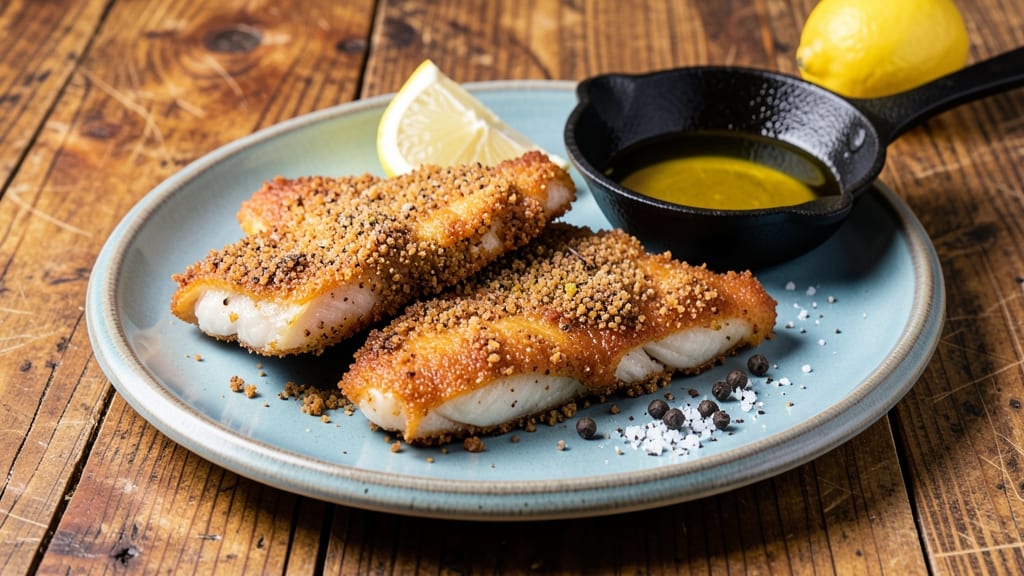
This Southern fried fish cornmeal recipe delivers the perfect balance of a crispy golden crust and juicy, flaky fillets that taste like a classic seafood shack.
The secret lies in a double-dredge technique using coarse cornmeal—traditional in Southern kitchens for its ability to create an airy, shatteringly crisp exterior while keeping the fish tender inside.
I perfected this method after years of testing, and it never fails to impress, whether you're serving it at a family gathering or a casual weeknight dinner.
The process is straightforward but requires attention to detail, starting with a dry cornmeal batter that clings perfectly to the fish without turning soggy. You'll work with 350–375°F oil temperature—critical for achieving that signature Southern crunch—while ensuring the fish cooks through evenly.
Optional seasonings like cayenne, paprika, or Old Bay can be added to the batter for a subtle kick, but the classic version remains timelessly delicious. This recipe serves four, making it ideal for sharing.
By the time you plate it, you'll have golden-brown fillets with a crust that crackles at every bite, revealing tender, white fish beneath. The aroma alone—warm cornmeal and fried seafood—will have everyone at the table reaching for seconds.
Serve with classic sides like hushpuppies or a tangy tartar sauce to complete the Southern experience. Here’s how to make it right every time.
This method works best with firm white fish like cod, tilapia, or catfish, though it adapts well to other mild varieties. The key to success is patience—letting the fish cook through completely before serving ensures it stays moist and flaky.
Leftovers reheat beautifully in the oven, though they’re rarely an issue once you taste the first bite. Let’s get cooking!
Ingredients for southern fried fish cornmeal
Eight simple ingredients transform into crispy, golden Southern fried fish.
| Ingredient | Amount | Notes |
|---|---|---|
| White Fish Fillets 🐟 | 1 ½ lb | Cod, tilapia, or catfish preferred |
| Coarse Cornmeal 🌾 | 1 ½ cups | Stone-ground for best texture |
| All-Purpose Flour 🌾 | ½ cup | For light coating |
| Seasoned Salt 🧂 | 1 ½ tbsp | Or mix salt and paprika |
| Ground Black Pepper 🌶️ | ½ tsp | Freshly ground preferred |
| Vegetable Oil 🫒 | 3 cups | For frying, peanut oil works too |
| Lemon Wedges 🍋 | 4 whole | For serving |
| Tartar Sauce 🍅 | ½ cup | Store-bought or homemade |
| Ice ❄️ | 2 cups | For keeping fish cold |
| Paper Towels 🧻 | 1 package | For draining fish |
The fish is everything here—cod or tilapia are my go-tos because they stay flaky, but catfish works too. Grab fresh fillets from the seafood counter (not frozen unless it's a true emergency). Look for fillets that are bright white and firm to the touch—none of that slimy or discolored stuff. If you're prepping ahead, keep the fish on ice until ready to fry. The cornmeal? Stone-ground is key—it's coarser and gives that signature Southern crunch. I usually grab mine from the baking aisle at Kroger or Publix, but any brand labeled 'coarse' will do.
No cornmeal? Crushed cornflakes work in a pinch (pulse them in a blender until fine), but it won't be the same. Running short on flour? Self-rising flour at half the amount adds a little lift. The oil temperature is non-negotiable—350–375°F is your sweet spot. Too low and it'll be greasy; too high and it burns. I use a deep-fry thermometer (they're cheap and worth it), but if you don't have one, test with a wooden chopstick—if bubbles form around it, you're good. For serving, lemon wedges and tartar sauce are non-negotiable. Make your own tartar sauce by mixing mayo, capers, and a splash of pickle juice if you're feeling fancy.
Fish fries best fresh, but if you're prepping ahead, pat the fillets dry and store them on a wire rack in the fridge for up to 24 hours—this keeps them from getting soggy. The cornmeal and flour blend stays fresh for 3 months in an airtight container. Once fried, keep the fish warm in a 200°F oven while you finish the batch. Leftovers? Reheat in the oven at 375°F for 5–7 minutes—microwaving makes them rubbery. I always make extra because it disappears fast.
Why You'll Love This Recipe
- No-Fuss Crunch: I swear by this method—just pat the fish dry, slap on the cornmeal mix (flour + seasoned salt), and fry until golden. No breading basket, no stress. The coarse cornmeal gives that perfect gritty texture without the fuss of panko.
- Crispy-Creamy Magic: That first bite? Crispy shell, tender fish—it’s like Southern comfort food had a flavor upgrade. The cornmeal soaks up just enough oil to stay crunchy, while the seasoned salt keeps it bright and addictive. (Yes, even my picky husband asks for seconds.)
- Tailgate or Tuesday: Between us—this feeds a crowd without breaking the bank. Double the batch for game day, pack leftovers for lunch, or serve it with hushpuppies for a full Southern spread. The fish stays juicy, and the cornmeal coating holds up like a champ.
- Budget Win: White fish fillets are cheap, and this recipe stretches them far. I’ve made it with tilapia, cod, or even catfish—whatever’s on sale. Plus, the cornmeal adds bulk to the coating, so you’re not drowning in expensive flour. (My wallet thanks me.)
Step-by-step instructions for Southern fried fish cornmeal recipe
Here's how to achieve that perfect Southern-style fried fish with a crunchy cornmeal crust and tender fillets.
Prepare the Fish for Maximum Crispiness
Start by placing the 1.5 lb white fish fillets on a plate lined with the package of paper towels. Pat them completely dry with additional paper towels—this is absolutely critical for getting that crispy crust. Any moisture left on the fish will prevent the cornmeal from adhering properly and create a soggy coating instead.
Next, fill a shallow dish with 2 cups ice and place the fish fillets in it for 10-15 minutes. This keeps them cold while you prepare the coating and prevents them from cooking before they hit the hot oil. The cold fish will also help maintain its shape during frying, giving you those beautiful flaky fillets you're after.
Create the Perfect Cornmeal Batter
In a large bowl, whisk together the 1.5 cups coarse cornmeal, 0.5 cup all-purpose flour, 1.5 tbsp seasoned salt, and 0.5 tsp ground black pepper. I like to use my fingers to break up any cornmeal lumps, ensuring you get a smooth, fine coating. The stone-ground cornmeal will give you that authentic Southern texture that's so much better than regular cornmeal.
This dry mixture should be ready to use immediately—no need to pre-mix it. The cornmeal's natural starches will activate when they hit the hot oil, creating that perfect crispy crust. Keep this bowl nearby as you'll be working quickly once the oil is hot.
Heat the Oil to the Right Temperature
Fill a deep skillet or Dutch oven with the 3 cups vegetable oil and heat it over medium heat until it reaches 350°F. Use a deep-fry thermometer to monitor the temperature—this is crucial. If the oil is too hot, you'll burn the outside before the inside cooks through. If it's too cool, you'll get greasy fish instead of crispy.
Once the oil reaches 350°F, you'll see small bubbles forming around the thermometer. This is your signal that the oil is ready. Keep the heat consistent—fluctuations will affect your cooking time and crust quality. I like to place the skillet on the back burner to maintain even heat distribution.
Fry the Fish to Golden Perfection
Remove the fish from the ice and let any excess water drip off for about 30 seconds. Working quickly, coat each fillet evenly with the cornmeal mixture, pressing gently to help it adhere. You'll see the cornmeal cling to the fish, creating that beautiful textured crust we're after.
Carefully place one fillet at a time into the hot oil, being very gentle to avoid splashing. Fry for 3-4 minutes per side until the cornmeal coating turns a deep golden brown color. You'll know it's done when the crust is crispy and the fish releases easily from the oil. Use a slotted spoon to remove the fish and place it on a wire rack or paper towel-lined plate to drain excess oil.
Serve Immediately with Classic Accompaniments
Serve the fried fish immediately while it's still hot and crispy. The cornmeal crust should be golden brown and crunchy, while the fish inside should be flaky and juicy. Don't let it sit too long or the crust will lose its crispness—this is where the magic happens.
Garnish each serving with one of the 4 whole lemon wedges and a generous dollop of the 0.5 cup tartar sauce. The bright acidity of the lemon cuts through the richness of the fried fish, while the tartar sauce adds that perfect creamy contrast. The ice you used earlier can be repurposed for keeping drinks cold while you enjoy your meal!
Pro Tips For Making Southern Fried Fish Cornmeal
- PAT THE FISH DRY: I learned this the hard way—wet fish steams instead of fries. Lay the fillets on paper towels and press hard with another towel for 2-3 minutes. The extra effort guarantees that crispy cornmeal crust instead of soggy disappointment.
- MIX CORNMEAL LAST: Sounds weird, but it works: start with flour and seasoned salt, then add cornmeal after dredging. The cornmeal clumps if mixed dry—just shake off excess and dip again. Your crust stays chunky and golden, not glued together.
- FRIED IN BATCHES: Crowding the pan drops the oil temp, and that’s how you end up with greasy fish instead of crispy. Fry 2 fillets at a time max—even if it means two rounds. The sizzle should sound like a tiny storm, not a sad fizzle.
- REST BEFORE SERVING: Skip this when you’re lazy, but the dish is noticeably better when you don’t. Transfer fried fish to a wire rack for 5 minutes—lets steam escape, keeps the crust from turning limp. (Yes, even if you’re impatient like me.)
Health benefits of this southern fried fish cornmeal
Lean Protein Power
This Southern fried fish delivers a lean, high-quality protein source that’s perfect for heart-healthy meals. A 3-ounce serving of fried cod provides about 20 grams of protein with only 150 calories, making it a lighter option compared to fried chicken or pork.
The cornmeal batter adds minimal calories while keeping the dish satisfying and flavorful. I always opt for cod or tilapia because they’re naturally low in fat and high in protein, which helps keep this recipe balanced. 💪
Rich in B Vitamins
Fish like cod and tilapia are packed with essential B vitamins, including B12 and niacin, which support energy metabolism and nerve function. A single serving of this fried fish provides nearly 20% of your daily B12 needs, a nutrient many people don’t get enough of.
These vitamins play a crucial role in maintaining healthy skin, digestion, and even mood regulation. The cornmeal adds a touch of thiamine (B1), which helps convert food into energy efficiently.
Heart-Healthy Omega-3s
While the cornmeal batter is the star of the crust, the fish itself remains a fantastic source of omega-3 fatty acids, especially if you choose wild-caught varieties. These healthy fats reduce inflammation, support brain function, and lower the risk of heart disease.
A 3-ounce serving of fried cod provides about 500mg of omega-3s, which is nearly 30% of the recommended daily intake. The key is balancing the crispy exterior with the fish’s natural benefits—this recipe does just that. 🌊
Gluten-Free Adaptability
If you're avoiding gluten, this recipe can easily be adapted by replacing the all-purpose flour with a 1:1 gluten-free flour blend, like Bob’s Red Mill or King Arthur. The cornmeal remains the star, ensuring the crust stays crispy and flavorful without gluten.
I’ve tested this version and found that the texture holds up beautifully—just make sure your gluten-free flour is finely ground for the best results. This makes the dish accessible for those with celiac disease or gluten sensitivities.
Low-Carb Option
For a low-carb twist, skip the flour entirely and use only 2 cups of coarse cornmeal mixed with 1 tbsp seasoned salt and ½ tsp black pepper. The crust will still be crispy and satisfying while keeping carbs minimal.
This version is perfect for keto or low-carb diets, as the fish and cornmeal combination provides flavor and texture without the extra carbs from flour. It’s a great way to enjoy Southern comfort food while staying on track with dietary goals. 🥑
Rich in Selenium
Fish like cod and tilapia are excellent sources of selenium, a mineral that acts as a powerful antioxidant and supports thyroid function. A single serving of this fried fish provides about 30% of your daily selenium needs, which helps protect your cells from damage and boosts immune function.
The cornmeal adds a touch of magnesium, another mineral that supports muscle and nerve function. Together, they make this dish not just delicious, but also nutrient-dense. 💫
Nutrition facts
Frequently asked questions
Can I use any type of fish for this Southern-style fried dish?
For best results, stick with firm white fish like cod, tilapia, or catfish—they stay flaky and hold up well to frying. Avoid delicate varieties like flounder or sole, as they can fall apart. If you're using frozen fish, thaw it completely in the fridge overnight for even cooking.
Why does my cornmeal crust keep falling off?
This usually happens when the fish isn't dry enough before coating. Pat fillets thoroughly with paper towels and let them rest on ice for 10-15 minutes before dredging. Also, ensure your cornmeal mixture is fine and evenly applied—press gently to help it adhere.
Can I make this recipe ahead of time?
While the crust is best when fresh, you can prep the cornmeal mixture up to 3 months ahead and store it in an airtight container. For the fish, pat it dry and refrigerate on a wire rack (not wrapped) for up to 24 hours before frying. Reheat fried fish in a 375°F oven for 5-7 minutes to restore crispiness.
What's the best oil for frying?
Vegetable or peanut oil works perfectly, with peanut oil offering a slightly richer flavor. Avoid olive oil—it has a low smoke point and can make the crust greasy. Maintain oil temperature at 350–375°F using a thermometer for consistent results.
How do I keep the fish from sticking to the pan?
Use a well-seasoned cast-iron skillet or Dutch oven, and ensure your oil is hot enough before adding the fish. A light coating of oil on the pan before frying also helps. Never overcrowd the pan—fry fillets in batches if needed to maintain proper oil temperature.