Main Courses
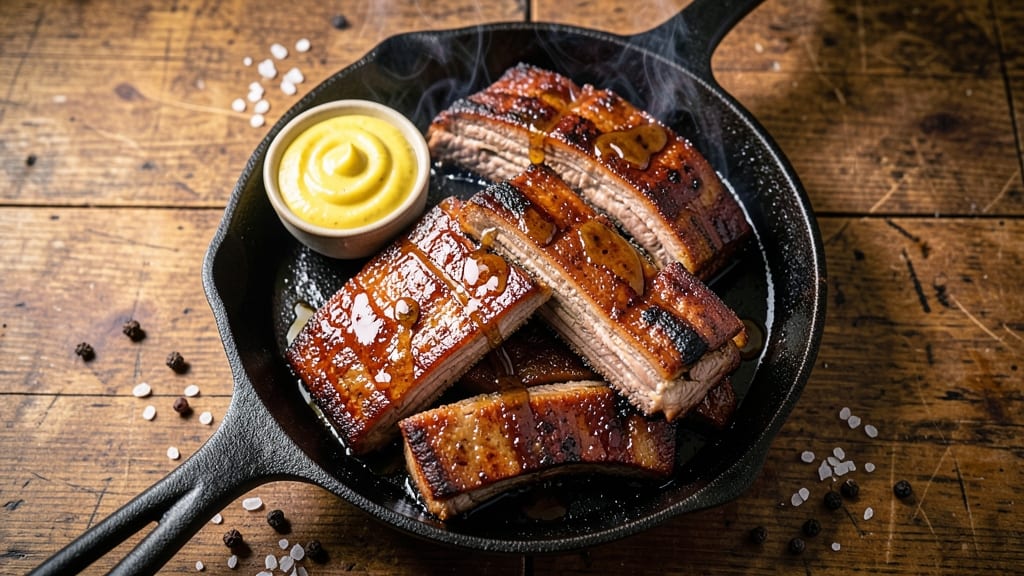
This smoked beef spare ribs recipe will teach you how to achieve tender, fall-apart meat with a deep, smoky crust that turns any meal into a showstopper.
After years of perfecting the 3-2-1 method—3 hours of smoke, 2 hours wrapped, and 1 hour unwrapped—I’ve cracked the code for restaurant-quality ribs at home without fancy equipment. The secret lies in patience and precision: low-and-slow smoking builds flavor, while the final unwrapped hour creates that coveted bark.
This recipe starts with a competition-style dry rub—a blend of brown sugar, smoked paprika, and coffee grounds—that develops a caramelized crust while keeping the meat tender. You’ll need about 4-5 hours total time, but it’s hands-off once the smoker is fired up.
The key is maintaining 225°F throughout, with occasional apple cider vinegar spritzes to enhance bark formation. For those who prefer a sweeter finish, a final glaze of honey and liquid smoke in the last hour adds a glossy sheen.
By the time you pull those ribs from the smoker, they’ll be fall-apart tender with a dark, crackling bark that’s impossible to resist. The meat stays juicy and flavorful, while the smoky aroma fills your kitchen—proof that great food is worth the wait.
Serve with classic sides like tangy coleslaw or baked beans to complete the meal. Let’s get started on your next smoker masterpiece.
This method works equally well for Texas-style ribs (dry rub only) or St. Louis-style (trimmed and sauced). Whether you’re a beginner or a seasoned pitmaster, these ribs will become your go-to recipe for gatherings, game days, or solo indulgence.
The technique is foolproof, and the results speak for themselves—restaurant-quality tenderness in your own backyard.
Ingredients for smoked beef spare ribs
Six pounds of beef spare ribs and a handful of pantry staples transform into restaurant-quality smoked meat.
| Ingredient | Amount | Notes |
|---|---|---|
| Beef Spare Ribs 🥩 | 6 lb | Bone-in, meaty ends preferred |
| Yellow Mustard 🍯 | ½ cup | For rib wrap adhesive |
| Aluminum Foil 📄 | 2 sheets | Heavy-duty for wrapping |
| Apple Cider Vinegar 🍎 | ¼ cup | For spritzing during smoke |
| Brown Sugar 🍚 | ½ cup | Light or dark preferred |
| Smoked Paprika 🌶️ | ¼ cup | For deep smoky flavor |
| Ground Coffee ☕ | ¼ cup | Freshly ground preferred |
| Kosher Salt 🧂 | ¼ cup | Diamond Crystal preferred |
| Black Pepper 🌶️ | 1 tbsp | Freshly ground for heat |
| Garlic Powder 🧄 | 1 tbsp | For aromatic depth |
| Onion Powder 🧅 | 1 tbsp | Sweet onion preferred |
| Honey 🍯 | ¼ cup | For final glaze option |
| Liquid Smoke 💨 | 1 tbsp | For glaze enhancement |
| Wood Chips 🌳 | 4 cups | Hickory or oak preferred |
| Charcoal Briquettes 🔥 | 10 lbs | For consistent heat |
The ribs are the star—look for meaty ends and thick bones at your butcher or grocery store's meat counter. I always grab mine from Costco or Whole Foods for quality. Freshly ground coffee adds depth, so don't use pre-packaged grounds—they lose potency fast. The brown sugar should be light and moist, not hard and dry. For wood chips, Traeger or Cookshack brands deliver consistent results. If you can't find hickory, oak works too—just expect slightly different flavor notes.
No yellow mustard? Mayonnaise or olive oil works in a pinch for wrapping the ribs, though mustard is ideal. Short on brown sugar? White sugar plus 1 tsp molasses mimics the caramelization. The coffee can be swapped for instant espresso powder at half the amount, but fresh is better. For the glaze, maple syrup plus liquid smoke works if honey's unavailable. Prefer Texas-style ribs? Skip the glaze entirely—just focus on the rub and smoke. St. Louis-style? Trim the membrane first for even cooking.
Store leftover ribs airtight for 4-5 days—they reheat beautifully in the oven with a splash of apple juice. The dry rub keeps for 3 months in an airtight container. For next-day ribs, I like to reheat them at 300°F for 20 minutes with foil, then crisp in the oven for 5 minutes. The wood chips can be reused once, but discard after that to avoid bitter smoke. Always soak your wood chips for 30 minutes before using for even smoke distribution.
Why You'll Love This Recipe
- Foolproof Foil Trick: I swear by the foil wrap—just slather those ribs with mustard, vinegar, and brown sugar, then let the smoker do the heavy lifting. No babysitting required, and the meat stays tender without falling apart.
- Sweet-Smoky Magic: That caramelized brown sugar and tangy vinegar combo? It’s where the real flavor happens. The ribs get sticky, glossy, and packed with layers—smoky from the wood, bright from the vinegar, and just sweet enough to make you want seconds.
- Game Day Hero: Between us, these ribs are my go-to for tailgates, potlucks, or lazy Sundays. They feed a crowd, hold up in the cooler, and even reheat like a dream. (Yes, even on a Tuesday night.)
- Budget Stretch: A full pack of beef ribs costs less than takeout for two, and this method turns them into a meal that lasts. Leftovers? Perfect for sandwiches or salads—no waste, just flavor. Honestly, it’s my wallet’s favorite recipe.
Step-by-step instructions for smoked beef spare ribs
Here's how to transform tough ribs into fall-off-the-bone tenderness with a perfect bark.
Prepare the Dry Rub for Maximum Flavor
In a medium bowl, combine the 0.25 cup kosher salt, 0.25 cup smoked paprika, 0.25 cup ground coffee, 1 tablespoon black pepper, 1 tablespoon garlic powder, and 1 tablespoon onion powder. Mix thoroughly with your hands until the spices are evenly distributed and no dry spots remain. The coffee grounds add depth while the smoked paprika creates that essential smoky foundation.
I like to press the rub firmly into the ribs—this ensures it sticks during the long cook. The salt breaks down the muscle fibers early, while the coffee and spices penetrate deeply. Set this mixture aside while you prepare the ribs themselves.
Apply the Rub and Wrap the Ribs for Even Cooking
Pat the 6 lb beef spare ribs completely dry with paper towels—this is critical for bark formation. Generously coat both sides and all edges with the dry rub mixture, pressing it into the meat so it adheres well. The ribs should look uniformly dusted with the spice blend, with no bare spots.
Once coated, place the ribs meat-side down on one of the 2 sheets aluminum foil. Spread 0.5 cup yellow mustard evenly over the meat side, then fold the foil up to completely encase the ribs. The mustard acts as a glue that helps the rub stick during the smoke, while the foil creates a moisture barrier that prevents the ribs from drying out during the initial cook.
Set Up the Smoker for Low-and-Slow Cooking
Fill your smoker box with 4 cups wood chips (hickory or oak preferred) and soak them in water for 30 minutes before using. Light 10 lbs charcoal briquettes and arrange them in your smoker, then add the soaked wood chips. Maintain a consistent temperature of 225°F—this low heat is crucial for tenderizing the connective tissue without drying out the meat.
Once the smoker reaches temperature and you see clean, blue smoke (not thick white), place the wrapped ribs directly on the grill grates. Smoke the ribs for 3 hours before checking for the stall—this is when the internal temperature hits around 165°F and stops rising. This is normal and expected with beef ribs.
Spritz and Wrap Through the Stall
When you hit the stall, remove the ribs from the smoker and carefully unwrap them. Discard the foil and mustard wrap. In a small bowl, combine 0.25 cup apple cider vinegar with 0.25 cup honey and 1 tablespoon liquid smoke. Use this mixture to spritz the ribs generously on all sides—this helps break through the stall and adds moisture back to the surface.
Return the ribs to the smoker, wrap them tightly in fresh foil (you may need to use both sheets), and continue cooking. The foil creates a steam environment that helps tenderize the meat while maintaining moisture. Continue smoking until the internal temperature reaches 203°F and the ribs pull apart easily with a fork—this typically takes another 2-3 hours depending on your smoker.
Rest and Serve for Perfect Tenderness
Once the ribs reach 203°F, remove them from the smoker and let them rest on a cutting board for at least 30 minutes. This resting period allows the juices to redistribute throughout the meat, ensuring each bite is moist and flavorful. During this time, you'll notice the bark becoming even more pronounced as the residual heat sets the crust.
Slice the ribs between the bones and serve immediately. The meat should be so tender it practically falls apart, with a beautiful dark bark on the outside and a pink smoke ring just beneath. The combination of coffee, smoked paprika, and liquid smoke creates a complex flavor profile that's both sweet and smoky. Serve with classic barbecue sides like coleslaw or baked beans for the ultimate smoked ribs experience.
Pro Tips For Making Smoked Beef Spare Ribs
- Trim the Fat First: DESCRIPTION: Scrape off that thick silver skin and trim excess fat before smoking—it won’t render out like brisket fat, and you’ll end up with a sticky mess instead of crispy bark. I learned this the hard way when my ribs turned greasy halfway through.
- Wrap Tight at 165°F: DESCRIPTION: When you hit 165°F internal temp, don’t just slap on foil—double-wrap those ribs in heavy-duty foil, sealing all edges with water. The steam locks in moisture, and the second layer keeps the mustard-brown sugar glaze from sticking to the foil like glue.
- Skip the Vinegar Early: DESCRIPTION: Hold off on adding apple cider vinegar until the last 30 minutes of cook time—if you toss it on too soon, the acid will break down the collagen faster than you want, turning your tender ribs into mush. Save it for that final flavor punch.
- Rest Under Foil: DESCRIPTION: After pulling them from the smoker, give the ribs a solid 5-10 minutes under foil before slicing—yes, even if you’re starving. The residual heat redistributes juices, and cutting too soon means dry, stringy meat. (Your future self will thank you.)
Creative variations of this smoked beef spare ribs
Texas-Style Dry Rub
For a bold, no-frills approach, skip the glaze and focus on the rub. I double the smoked paprika to 0.5 cup and add 1 tablespoon chili powder for heat.
This version creates a deep, smoky bark with a slight kick—perfect for those who love their ribs spicy. Use post oak wood chips for a Texas-specific flavor profile. 🌶️
Apply the rub generously and smoke the ribs for 4-5 hours unwrapped at 225°F for maximum bark development. The key is patience—Texas-style ribs are all about that crispy crust. Serve with white bread and pickled jalapeños for a true Lone Star State experience.
St. Louis-Style Sauce Glaze
St. Louis ribs are trimmed of membrane and finished with a tangy tomato-based sauce.
After the initial 3 hours of smoking, brush the ribs with a mix of 1 cup ketchup, 0.25 cup apple cider vinegar, 2 tbsp brown sugar, 1 tbsp Worcestershire sauce, and 1 tsp garlic powder.
Return to the smoker for 1-2 hours to caramelize the sauce into a glossy glaze.
This method requires precise temperature control—maintain 250°F during the sauced phase to avoid burning. The result is a sweet-tangy contrast that complements the smoky meat beautifully. Pair with crusty rolls and potato salad for a complete St. Louis-style spread.
Asian-Inspired Five-Spice
Swap the traditional rub for a blend of 1 tbsp five-spice powder, 0.25 cup brown sugar, 1 tbsp soy sauce, and 1 tsp grated ginger.
Smoke the ribs with binchotan charcoal for a cleaner smoke flavor, then finish with a glaze of 0.25 cup hoisin sauce and 1 tbsp rice vinegar in the last hour.
The five-spice adds warmth and complexity, while the hoisin glaze brings umami depth. Serve with steamed jasmine rice and quick-pickled cucumbers for a fusion twist that surprises guests. This variation works beautifully with St. Louis-style ribs trimmed of membrane.
Competition-Style Coffee Bark
For a showstopping presentation, create a two-stage bark. After the initial 3 hours of smoking, sprinkle the ribs with 2 tbsp additional brown sugar and 1 tbsp coffee grounds, then return to the smoker for 1 hour unwrapped.
This creates a thick, crackling crust that's perfect for competitions.
Use hickory and cherry wood chips together for a balanced smoke flavor. The cherry adds subtle fruitiness that pairs perfectly with the coffee and sugar. Serve with cornbread and collard greens for a Southern-inspired competition plate.
Sweet & Smoky Maple-Glazed
Replace the honey glaze with a mix of 0.5 cup pure maple syrup, 2 tbsp liquid smoke, and 1 tbsp Dijon mustard. Brush this on during the last 1.5 hours of cooking for a glossy, caramelized finish.
The maple adds a rich sweetness that balances the smokiness beautifully.
This variation works exceptionally well with Texas-style ribs and pairs perfectly with apple slices and sharp cheddar cornbread. The maple glaze also reheats well, making these ribs ideal for meal prep.
Nutrition facts
Frequently asked questions
What's the best wood for smoking beef spare ribs?
Hickory and oak are classic choices that deliver bold, traditional smoke flavors. For something milder, try cherry or pecan. Avoid pine—it can taste bitter. Soak your wood chips for 30 minutes before using to ensure even smoke distribution throughout the cook.
Can I use a grill instead of a smoker for this recipe?
Yes! A charcoal grill works perfectly if you create a two-zone fire. Place the ribs on the cooler side and use a smoker box filled with wood chips on the hot side. Maintain 225°F by adjusting the vents. For gas grills, use a smoke tube or electric smoker attachment. The key is consistent low heat—just like with a dedicated smoker.
Why are my ribs still tough after smoking?
This usually happens from one of three issues: too high heat (keep it at 225°F), not enough time (beef ribs need 4-5 hours total), or not wrapping during the stall. The 3-2-1 method works because the wrap creates steam that tenderizes the meat. If your ribs hit 165°F and stall, that's normal—unwrap, spritz, and re-wrap to push through.
How do I know when the ribs are done?
Use a meat thermometer to check the internal temperature—203°F is the magic number for beef spare ribs. They should also pull apart easily with tongs or a fork. The bark should be dark and crispy, with a pink smoke ring just beneath the surface. If they're not tender enough, return them to the smoker for another 30-60 minutes wrapped in foil.
Can I make this recipe in an electric smoker?
Electric smokers work great for this recipe. Preheat to 225°F and use a water pan to maintain moisture. The only adjustment is you may need to spritz more frequently since electric smokers don't produce as much natural steam. Follow the same 3-2-1 method—just monitor the temperature closely to avoid fluctuations.