
Appetizers
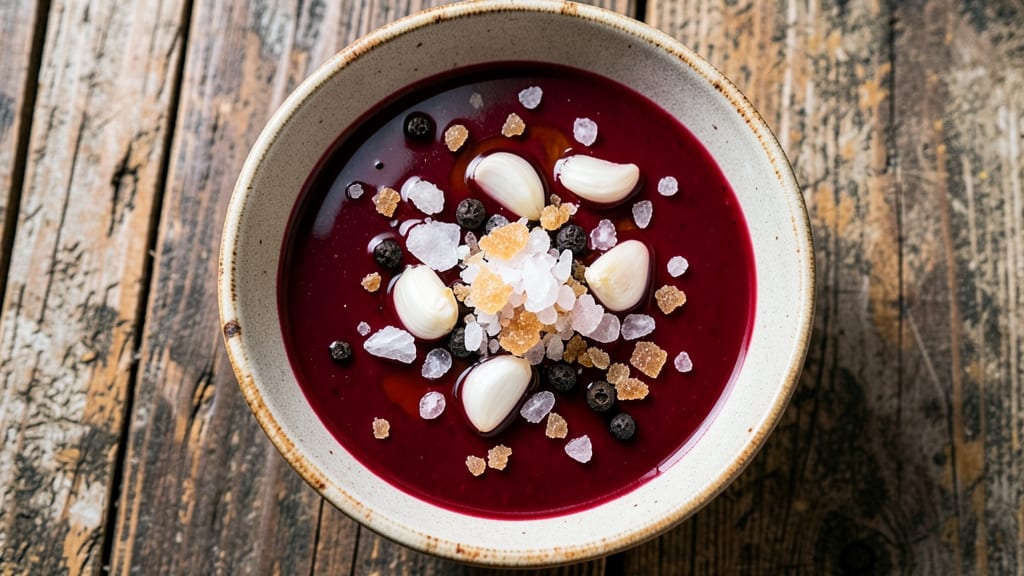
This red wine BBQ marinade recipe transforms tough cuts into melt-in-your-mouth masterpieces with its bold umami depth—something I perfected after years of experimenting with Sicilian wine pairings. The key lies in balancing acidity, richness, and aromatic spices, creating a marinade that tenderizes while infusing layers of flavor.
Standing on a step stool in my grandmother’s kitchen in Sicily, I learned how wine could elevate simple ingredients, and this marinade carries that same magic to your grill.
The beauty of this marinade is its versatility—it works equally well on chicken, pork, or beef, and the red wine’s tannins break down proteins for maximum tenderness. With just six ingredients and 15 minutes of prep, you’ll have a marinade that’s restaurant-quality without the fuss.
The secret? Letting it sit for at least 2 hours (or overnight for deeper flavor) allows the wine to mellow and the spices to meld.
What you’ll achieve is meat that’s juicy, caramelized, and packed with smoky-sweet complexity, thanks to the wine’s natural depth and the char from grilling. The marinade’s acidity also helps create that signature bark on the outside while keeping the inside tender.
This isn’t just a marinade—it’s a flavor multiplier that turns ordinary cuts into extraordinary meals.
Use it for grilled steaks, kebabs, or even roasted vegetables, and store leftovers in the fridge for up to 5 days—perfect for meal prep. Here’s how to make it, step by step.
Ingredients for red wine bbq marinade
Six bold ingredients transform ordinary meat into restaurant-worthy masterpieces on your grill.
| Ingredient | Amount | Notes |
|---|---|---|
| Dry Red Wine 🍷 | 1 cup | Bold variety like Cabernet Sauvignon |
| Apple Cider Vinegar 🍎 | ¼ cup | For acidity balance |
| Light Brown Sugar 🍚 | ½ cup | Packed, for caramelization |
| Garlic Cloves 🧄 | 6 cloves | Freshly minced, aromatic |
| Ground Black Peppercorns 🌶️ | 1 tbsp | Freshly cracked for depth |
| Diamond Crystal Kosher Salt 🧂 | 1 ½ tsp | Fine grain for balance |
| Smoked Paprika 🌶️ | 1 tbsp | For smoky complexity |
| Fresh Rosemary 🌿 | ¼ cup | Finely chopped, piney aroma |
| Olive Oil 🫒 | ¼ cup | Extra-virgin for richness |
The red wine is non-negotiable here—Cabernet Sauvignon or Merlot from a good bottle (not cooking wine) delivers the deepest umami. Trader Joe's or Whole Foods carry solid options, but check the label for bold, dry profiles. If you're using a leftover bottle, decant it first to let the flavors open up. The garlic should be freshly minced—jarred minced garlic lacks the punch. For the rosemary, grab a sprig from the grocery store's fresh herb section (not the sad little containers). The smoked paprika? Penzeys has the best quality, but any reputable brand's smoked variety works.
No red wine? Substitute with beef broth plus 1 tbsp balsamic vinegar—it won't be identical, but it'll work. Fresh rosemary unavailable? Dried at one-third the amount, but toast it first in a dry pan for 30 seconds to wake up the flavor. The olive oil can be swapped for avocado oil if you prefer a milder taste. For extra depth, add 1 tsp of soy sauce—it amplifies the umami without overpowering. The brown sugar can be light or dark, but don't use powdered—it won't caramelize properly. If you're making this ahead, store the dry ingredients separately until ready to mix.
This marinade keeps beautifully—5 days in the fridge sealed in a glass jar. For longer storage, freeze portions in ice cube trays (thaw in the fridge overnight). The wine's tannins actually improve with time, so don't rush it. When using, let the meat sit in the fridge for at least 2 hours (overnight is better for tougher cuts). I like to double the batch and freeze half—perfect for spontaneous grill nights. The marinade works wonders on chicken thighs, pork chops, or even steak, but never use it on pre-cooked meats—the acidity can turn them rubbery.
Why You'll Love This Recipe
- Pantry Magic: I swear, this marinade uses stuff you already have. That bottle of red wine you’ve been saving for “special occasions”? Yeah, this is it—no fancy shopping required.
- Deep Umami Bang: The garlic and brown sugar caramelize into something rich, while the vinegar cuts through the wine’s tannins. That balance? It’s the kind of flavor that makes you pause mid-bite.
- Weeknight Superstar: Slather it on chicken thighs for dinner, toss it with steak cubes for lunch tomorrow—it’s my secret weapon for meals that don’t demand hours. (Yes, even on a Tuesday night.)
- Budget-Friendly Luxury: A splash of wine and a spoonful of sugar stretch to feed four for pennies. Plus, the leftovers? Perfect for reviving last night’s roast or turning sad veggies into something worth eating.
Step-by-step instructions for red wine BBQ marinade
This marinade delivers deep, complex flavor with a perfect balance of sweet, smoky, and tangy notes.
Combine Wet Ingredients for Base Flavor
In a medium bowl, whisk together the 1 cup dry red wine and 0.25 cup apple cider vinegar. The acidity from the vinegar will help tenderize the meat while the wine adds that signature umami depth. Let this mixture sit for 5 minutes while you prepare the remaining ingredients—this brief infusion allows the flavors to begin melding.
Next, add the 0.5 cup light brown sugar and 0.25 cup olive oil. The sugar will caramelize slightly during marinating, creating a sticky glaze that clings beautifully to grilled meats. Whisk vigorously until the sugar dissolves completely—any undissolved granules will create grainy pockets in your marinade. This step is crucial for achieving that perfect balance of sweetness and richness.
Incorporate Aromatics and Spices
Add the 6 minced garlic cloves and 0.25 cup finely chopped fresh rosemary to the wet mixture. The garlic should be minced very finely—almost to a paste—to ensure even distribution throughout the marinade. The rosemary adds a piney brightness that cuts through the richness of the wine and sugar, creating a well-rounded flavor profile.
Now stir in the 1 tbsp smoked paprika and 1 tbsp ground black peppercorns. The smoked paprika brings that essential smoky complexity, while the freshly cracked peppercorns add a subtle heat. I like to use freshly cracked peppercorns because they release more aromatic oils than pre-ground pepper. Mix everything thoroughly until the spices are completely dispersed and no dry pockets remain.
Season with Salt and Final Adjustments
Add the 1.5 tsp Diamond Crystal kosher salt and give the marinade one final whisk. The salt should dissolve completely, enhancing all the other flavors without overpowering them. Taste the marinade at this stage—it should be tangy, slightly sweet, and deeply aromatic with a hint of smokiness. If you find it needs more balance, you can adjust by adding a splash more of the red wine or a pinch more sugar.
Let the marinade rest for at least 30 minutes before using, or up to 24 hours in the refrigerator. This resting period allows all the flavors to fully meld together, creating a cohesive marinade that will penetrate the meat beautifully. The longer it rests, the more complex the flavor becomes—just don't let it sit too long or the acidity might start to break down the meat fibers.
Apply and Marinate for Maximum Flavor
Pour the marinade into a resealable plastic bag or glass container with a tight lid. Add your protein—whether it's chicken, pork, beef, or even tofu—and coat thoroughly. For best results, I recommend marinating for at least 4 hours in the refrigerator, or overnight for more intense flavor penetration. The acidity in the vinegar and wine will work to tenderize the meat, while the sugar and oil create a delicious crust when grilled.
When ready to cook, remove the meat from the marinade and let it sit at room temperature for 15-20 minutes before grilling. This ensures even cooking and prevents the meat from steaming in the pan. The marinade itself can be reduced by half on the stovetop to create a delicious glaze for basting during cooking. Just simmer it in a small saucepan over medium heat for 8-10 minutes, stirring occasionally, until it thickens to your desired consistency.
Pro Tips For Making Red Wine Bbq Marinade
- Reduce the Wine First: Simmer the red wine in a small saucepan for 3-4 minutes before mixing—this cuts the alcohol bite and intensifies the flavor. I used to skip this, and the marinade always tasted sharp and unfinished; now it’s rich and balanced every time.
- Smash the Garlic: Use a flat side of your knife to crush the garlic cloves into a paste before adding them—this releases more flavor than mincing. (Yes, it looks messy, but your marinade will taste deeper.)
- Don’t Overmix the Sugar: Stir the brown sugar in just until dissolved, then let it sit for 10 minutes before using. Overmixing turns the marinade syrupy and cloying; a quick rest lets the flavors meld without turning it into a glaze.
- Strain the Peppercorns: After mixing, strain out the peppercorns if you’re using them whole—unless you want tiny gritty surprises in your marinade. (I learned this after biting into a peppercorn mid-bite.)
Pro cooking tips for great red wine bbq marinade
Wine Selection Matters
Not all red wines work equally well in marinades—bold, dry varieties like Cabernet Sauvignon or Chianti deliver the deepest umami punch. I always reach for a bottle with noticeable tannins, as they help tenderize meat while adding complexity. Avoid sweet or oaky wines—they’ll throw off the balance.
If you’re using a leftover bottle, decant it first to let the flavors open up. For extra depth, I sometimes add 1 tsp soy sauce to amplify the umami without overpowering. 🍷
Acid Balance is Key
The apple cider vinegar in this marinade isn’t just for tang—it’s the secret weapon for tenderizing tough cuts. But too much acid can make meat mushy, so I keep it at ¼ cup for 1 cup of wine.
If you’re using a particularly mild wine, like Pinot Noir, add an extra ½ tsp of vinegar to maintain that perfect acid-to-sweet ratio. For a quicker version, you can substitute balsamic vinegar (use half the amount) for a deeper, slightly sweeter profile.
Spice Freshness Rules
Freshly cracked black peppercorns and smoked paprika make all the difference in this marinade. I never use pre-ground pepper—its oils evaporate quickly, losing punch. For the paprika, Penzeys or McCormick brands are my go-tos, but any smoked variety works.
If you’re short on time, toast dried rosemary in a dry pan for 30 seconds before adding it—this wakes up its piney aroma. The brown sugar should be light, not dark, to avoid overpowering the wine’s natural sweetness.
Marinating Timeframes
For chicken thighs or pork chops, 4 hours in the fridge is perfect—the acidity tenderizes without breaking down the meat. For tougher cuts like beef flank steak, marinate overnight for maximum penetration.
I always double the batch and freeze half in ice cube trays—thaw overnight in the fridge when ready to use. Pro tip: Don’t over-marinate—after 24 hours, the acidity starts to cook the meat, making it mushy. 💡
Grill Prep Essentials
Before hitting the grill, pat the meat dry with paper towels—this ensures a better sear. Let it sit at room temperature for 15-20 minutes while you preheat the grill to medium-high heat (400°F).
For extra flavor, reduce the leftover marinade by half on the stovetop (simmer 8-10 minutes) and use it as a glaze. I like to brush it on during the last 2 minutes of grilling for a sticky, caramelized finish. A cast-iron skillet works great for indoor grilling too!
Leftovers Like Gold
Store unused marinade in an airtight glass jar in the fridge for up to 5 days, or freeze it for 3 months. The flavors actually improve over time—just give it a stir before using.
If you’ve marinated meat and have leftover liquid, reduce it into a sauce for pasta or roasted veggies. I once used a batch to glaze grilled asparagus—the wine’s acidity cut through the richness beautifully. Just remember: never reuse marinade that’s touched raw meat—it’s a bacteria risk. ✨
Nutrition facts
Frequently asked questions
Can I use this marinade on vegetables or tofu?
This marinade works beautifully on firm tofu, portobello mushrooms, or bell peppers. For tofu, press it first to remove excess water, then marinate for 2-4 hours to prevent a mushy texture. The wine's acidity tenderizes vegetables while adding depth—perfect for grilling or roasting. Just reduce marinating time to 1-2 hours for veggies to avoid over-softening.
What's the best wine substitute if I don't have red wine?
For a quick swap, mix 1 cup beef broth with 1 tbsp balsamic vinegar—it mimics the umami and acidity. Or use ½ cup red wine vinegar plus ½ cup water for a sharper tang. Avoid white wine (it lacks the tannins that tenderize meat). The marinade will still work, though the flavor profile will be slightly different. For extra richness, add 1 tsp soy sauce to compensate for the wine's depth.
How do I prevent my meat from getting too mushy when marinating?
Never marinate for more than 24 hours—the acidity starts breaking down proteins after that, turning meat mushy. For chicken or fish, limit marinating to 4-6 hours max. Always use fresh meat (not previously cooked) and pat it dry before marinating. For extra insurance, marinate in the fridge (never at room temperature) and avoid overcrowding the container. The sugar in the marinade helps create a caramelized crust, but too much acid = tenderization gone wrong.
Can I make this marinade ahead of time?
Yes! This marinade actually improves with time—store it in an airtight glass jar in the fridge for up to 5 days or freeze it for 3 months. The flavors meld beautifully, and the wine's tannins soften further. For freezing, portion into ice cube trays and transfer to a bag. Thaw overnight in the fridge before using. Pro tip: Double the batch and freeze half for spontaneous grill nights. Just stir well before using to redistribute settled spices.
Why does my marinade look cloudy after mixing?
Cloudiness usually means undissolved sugar or oil separation—both are normal and harmless! Whisk vigorously for 30 seconds to emulsify the oil and sugar. If it still looks cloudy, let it sit for 10 minutes—the sugar will dissolve naturally. For extra insurance, warm the wine slightly (not hot) before mixing to help emulsify. The cloudiness won't affect flavor, but a smooth marinade looks more appealing. If it separates again after sitting, just whisk before using.