
Main Courses
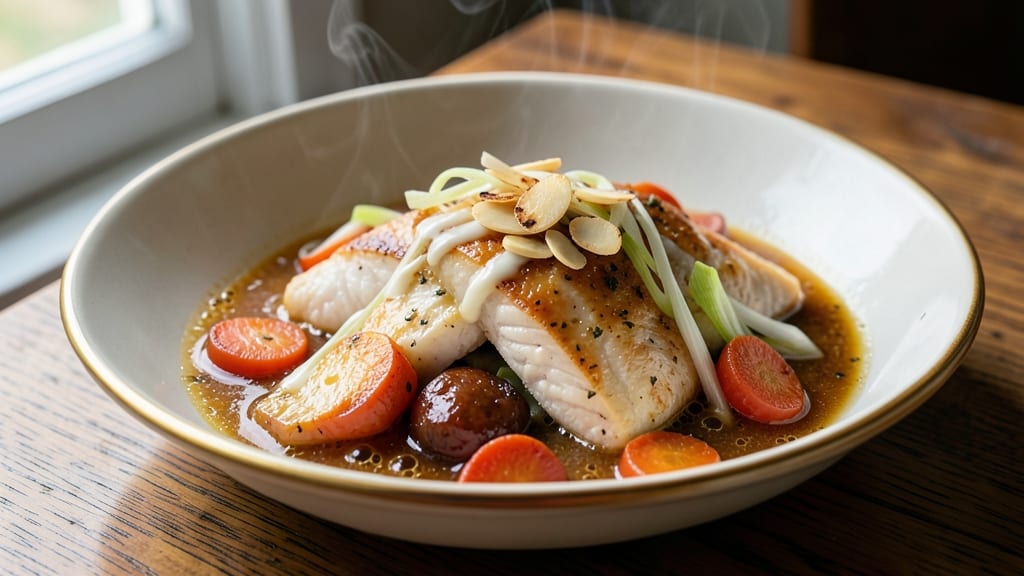
This potted fish recipe transforms humble white fish into a luxurious, one-pot centerpiece with velvety broth and melt-in-your-mouth texture—proof that restaurant-quality meals begin with simple techniques. The secret lies in slow simmering, where fish absorbs aromatic herbs and vegetables while the broth reduces to a rich, flavorful sauce.
I first discovered this method while adapting traditional French poisson en papillote techniques for home kitchens, and it quickly became my go-to for elegant weeknight dinners.
What makes this dish truly special is its foolproof simplicity: just five key ingredients—fish, broth, vegetables, herbs, and cream—work together in a single pot to create depth of flavor without complexity.
The fish cooks gently in its own juices, developing a delicate, flaky texture while the surrounding vegetables soften into sweet, tender bites.
Unlike traditional recipes that require hours of simmering, this version delivers restaurant-quality results in under 45 minutes, making it perfect for busy professionals or anyone craving a fuss-free yet impressive meal.
The result is a dish that balances richness and lightness—creamy yet bright, with fish that practically dissolves on the tongue and a broth so flavorful it deserves its own bowl.
The aroma alone will transform your kitchen into a cozy bistro, while the presentation (simply arranged with fresh herbs) makes it feel effortlessly sophisticated. This is the kind of recipe that proves comfort food doesn’t have to be heavy or complicated; it’s about technique, patience, and letting flavors develop naturally.
Serve it with crusty bread to soak up every last drop of that golden broth, or pair it with a simple green salad to balance the richness. The beauty of this dish is its versatility—it works as a standalone main course or alongside roasted vegetables for a complete meal.
Ready to elevate your fish nights? Here’s everything you need to bring this technique to life in your own kitchen.
Ingredients for potted fish
Five core ingredients plus a few fresh touches—this elegant one-pot dish delivers restaurant-quality results.
| Ingredient | Amount | Notes |
|---|---|---|
| White Fish Fillets 🐟 | 1 ½ lb | Cod, halibut, or sea bass preferred |
| Fish Stock 💧 | 2 cups | Homemade or high-quality store-bought |
| Heavy Cream 🥛 | ½ cup | Full-fat for richness |
| Carrots 🥕 | ½ lb | Baby carrots or sliced into rounds |
| Leeks 🧅 | 1 whole | White and light green parts only |
| Garlic Cloves 🧄 | 4 cloves | Peeled and lightly smashed |
| Fresh Thyme 🌿 | ¼ cup | Stems removed, loosely packed |
| Fresh Parsley 🌿 | 0.15 cup | Chopped for garnish |
| Unsalted Butter 🧈 | 2 tbsp | Cold, cubed for finishing |
| Diamond Crystal Kosher Salt 🧂 | 1 tsp | For seasoning |
| Freshly Ground Black Pepper 🌶️ | ½ tsp | Light hand preferred |
| Lemon Zest 🍋 | 1 tbsp | From 1 fresh lemon |
| Dry White Wine 🍷 | ¼ cup | Sauvignon Blanc or Pinot Grigio |
The fish is non-negotiable—cod or halibut hold up best to slow cooking, but sea bass works too. Grab fillets from Whole Foods or your fishmonger—they’ll know the freshest cuts. Look for bright, translucent flesh with no brown edges. The carrots and leeks should be firm and vibrant; Trader Joe's has great pre-sliced carrots if you're short on time. Fresh herbs are worth the splurge here—they make the difference between good and extraordinary. If you can't find fresh thyme, dried works at one-third the amount, but I always grab a bunch at the market.
No white wine? Fish stock plus a splash of lemon juice keeps the brightness. Short on butter? Olive oil works in a pinch, but the butter adds that luxurious finish. The leeks can be swapped for onions if that's what you've got, but leeks add a subtle sweetness that pairs perfectly. If you're using pre-made fish stock, Knight's or Pacific Foods brands are my go-to—they're restaurant-quality without the fuss. For the wine, anything dry and crisp does the trick. Sauvignon Blanc has a nice acidity that cuts through the creaminess.
This dish is all about patience—let it simmer gently so the fish stays tender. The broth keeps for 3 days in the fridge, and the fish reheats beautifully if you make extra. I always portion mine into shallow containers so every bite has that perfect fish-to-broth ratio. The butter should be added at the very end—it melts into the broth and creates that velvety finish. Garnish with fresh parsley right before serving, and trust me, it makes the dish look (and taste) like you spent hours in the kitchen.
Why You'll Love This Recipe
- One-Pot Magic: I swear by this recipe—just toss everything into one pot, simmer, and forget about it. The fish fillets melt into that velvety cream and stock while the carrots and leeks soften into sweet, tender bites. No fancy techniques, no stress.
- Creamy Luxe: That rich, velvety sauce from the heavy cream and fish stock? It’s like a hug in a bowl. The fish stays moist, the carrots caramelize just enough, and the leeks add this subtle, savory depth. Honestly, it tastes like a restaurant dish—without the fuss.
- Weeknight Hero: Need dinner fast? This is my go-to when I’m starving but don’t want to slave over a meal. It reheats beautifully, so I make a big batch on Sundays and pull it out all week. (Yes, even on a Tuesday night when I’m exhausted.)
- Budget-Friendly Feast: Fish stock and white fillets stretch farther than you’d think, especially with the veggies bulking it up. I’ll be real: it’s not the priciest meal, but it feels indulgent, and leftovers? Even better the next day—if they last that long.
Step-by-step instructions for potted fish recipe
This one-pot method transforms delicate fish into a luxurious, creamy dish with melt-in-your-mouth texture.
Build the Flavor Base in One Pot
Start by melting the 2 tbsp unsalted butter in a large, deep skillet or Dutch oven over medium heat. Add the 0.5 lb carrots, sliced into ¼-inch rounds, and cook for 5 minutes until they begin to soften. The carrots should release their natural sweetness and develop a slight golden color at the edges.
Add the 1 whole leeks, sliced into ¼-inch rings (white and light green parts only), and cook for another 5 minutes until they're tender and translucent. Stir in the 4 cloves garlic cloves and 0.25 cup fresh thyme (stems removed), cooking for 30 seconds until fragrant. This aromatic base forms the flavor foundation for your potted fish, so don't rush this step—properly developed aromatics make all the difference in the final dish.
Deglaze and Simmer the Stock
Pour in the 0.25 cup dry white wine and scrape up any browned bits from the bottom of the pan with a wooden spoon. This deglazing step captures all the concentrated flavors you've built. Let the wine simmer for 2-3 minutes until it reduces by about half, leaving behind a rich, slightly syrupy liquid.
Add the 2 cups fish stock and bring the mixture to a gentle simmer. Season with 1 tsp diamond crystal kosher salt and 0.5 tsp freshly ground black pepper. Reduce heat to low and let it simmer uncovered for 10 minutes, allowing the flavors to meld and the liquid to reduce slightly. You're aiming for a sauce that's rich but not overly thick—this will create the perfect creamy consistency later.
Poach the Fish to Flaky Perfection
Gently place the 1.5 lb white fish fillets (cod, halibut, or sea bass) into the simmering liquid, being careful not to break them apart. The fish should float just below the surface. Sprinkle the 1 tbsp lemon zest evenly over the top—this bright citrus note will cut through the richness of the cream and fish.
Cover the pot and poach the fish for 8-10 minutes, depending on thickness, until it's just opaque in the center and flakes easily when tested with a fork. The fish should be cooked through but still tender—overcooking will turn it rubbery. Remove the fish with a slotted spoon and set aside on a plate, tented loosely with foil to keep warm.
Finish with Cream and Garnish
Return the pot to medium-low heat and stir in the 0.5 cup heavy cream. Let it warm through for 2-3 minutes, stirring occasionally, until it's heated but not boiling. The sauce should be velvety and just thick enough to coat the back of a spoon. If it's too thick, add 1-2 tablespoons of the poaching liquid to reach your desired consistency.
Taste and adjust seasoning with additional salt or pepper if needed. Return the fish to the pot and gently fold it into the sauce, coating each fillet evenly. Ladle the potted fish into serving dishes and garnish with 0.15 cup chopped fresh parsley. The finished dish should have a luxurious, creamy sauce that clings beautifully to the flaky fish, with bright lemon notes cutting through the richness.
Serve Immediately for Maximum Flakiness
Serve the potted fish straight from the pot while it's still warm. The contrast between the delicate, melting fish and the rich, creamy sauce is what makes this dish truly special. Pair it with crusty bread to soak up every last bit of that luxurious sauce, or serve with a simple green salad to balance the richness.
Here's the thing—this dish tastes best immediately after cooking. The fish continues to cook slightly as it sits, so don't let it cool completely. If you need to reheat leftovers, do so gently over low heat with a splash of water or stock to maintain moisture. The flakiness is what you're going for, and that's best achieved when served fresh from the pot.
Pro Tips For Making Potted Fish
- Sear the Fish First: Hit the fish fillets with a quick sear in butter before adding liquid—just 2-3 minutes per side until golden. I used to skip this, and the dish always tasted flat; that crust locks in flavor and keeps the fish from turning to mush later.
- Sweat Leeks Properly: Don’t rush the leeks—cook them low and slow with a pinch of salt until they’re soft and translucent, about 8-10 minutes. I learned this the hard way when they stayed crunchy and ruined the creamy texture of the sauce.
- Strain the Stock: Use a fine-mesh strainer when filtering the fish stock to remove any bits or cartilage. Trust me, you don’t want a mouthful of grit in your creamy potted fish—it’s a small effort for a smoother finish.
- Temper the Cream: Warm the heavy cream gently off the heat before mixing it into the stock—just enough to take the chill off, or it’ll curdle like clockwork. I was skeptical until I tried it, and now I never skip this step.
Best sauces and condiments for these flavors
Creamy Herb Sauce
The star of this dish is the velvety sauce made with ½ cup heavy cream and infused with ¼ cup fresh thyme and 1 tbsp lemon zest. The cream adds luxurious richness while the lemon zest brightens the flavors, cutting through the richness beautifully.
I always finish with a splash of the poaching liquid to balance the sauce—just enough to reach that perfect coating consistency. 🥛
White Wine Deglaze
A ¼ cup dry white wine (like Sauvignon Blanc) deglazes the pan after sautéing the vegetables, capturing all the caramelized flavors. This step adds depth and complexity to the sauce without overpowering the delicate fish.
If you don’t have wine, a mix of fish stock and lemon juice works just as well. The key is letting it reduce by half to concentrate those flavors. 🍷
Lemon Butter Finish
For an extra touch of elegance, finish the dish with 2 tbsp cold, cubed butter swirled into the sauce just before serving. This adds a silky texture and a subtle richness that elevates the dish to restaurant-quality.
The butter should melt gently into the sauce, creating a luxurious sheen. I also like to add a final sprinkle of fresh parsley for a pop of color and freshness. 🧈
Herb-Infused Broth
The aromatic base of leeks, carrots, and thyme simmered in fish stock creates a flavorful broth that poaches the fish. This infusion ensures every bite of fish is infused with subtle sweetness and herbal notes.
I recommend using fresh thyme over dried—it adds a brighter, more vibrant flavor to the dish. The longer you simmer this base, the deeper the flavors become. 🌿
Spicy Kick Option
For a little heat, stir in ½ tsp red pepper flakes when adding the wine or cream. This adds a subtle warmth that pairs beautifully with the creamy sauce and delicate fish.
If you prefer a smoother heat, try a pinch of smoked paprika instead. The spice should complement, not overpower, the dish’s delicate balance. 🌶️
Nutrition facts
Frequently asked questions
What type of fish works best for this recipe?
Delicate white fish like cod, halibut, or sea bass are ideal—they hold together beautifully while absorbing the creamy flavors. Avoid firm fish like salmon or tuna, as they can become dry during the slow poaching process.
Can I make this dish ahead of time?
Yes, but with a few key adjustments. Cook the fish and sauce as directed, then store them separately in the fridge for up to 2 days. Reheat the sauce gently with a splash of water or stock, then add the fish back just before serving to maintain its flakiness. The sauce reheats beautifully, while the fish benefits from being served warm.
What if I don't have white wine?
No problem! Use a mix of fish stock and 1 tablespoon lemon juice instead—it'll add the same bright acidity to balance the cream. The wine's purpose here is to deglaze and add depth, so this substitute works just as well.
How do I know when the fish is perfectly cooked?
The fish is done when it's just opaque in the center (about 8-10 minutes) and flakes easily with a fork. It should be tender but not rubbery—overcooking is the biggest mistake here. Test it early to avoid dryness. The sauce should coat the back of a spoon but remain silky, not thick.
Can I use this technique with other proteins?
This method works best with delicate proteins, but you could adapt it for shrimp or scallops by reducing the cooking time to 3-4 minutes after adding them to the sauce. For heartier proteins like chicken, try a longer simmer with more liquid. The creamy sauce pairs beautifully with seafood, though!