
Desserts
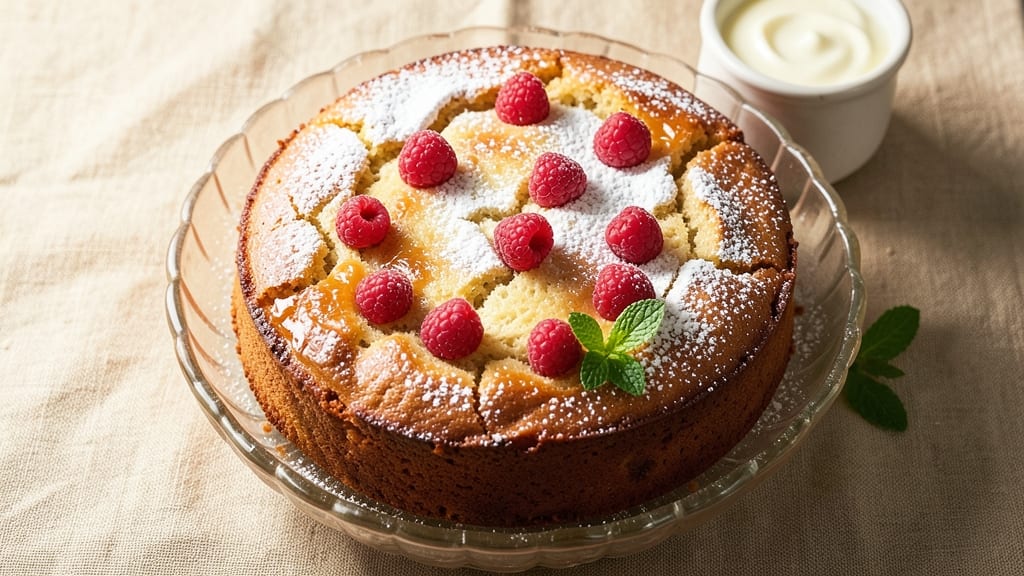
This old-fashioned sour cream pound cake delivers the perfect balance of buttery richness and tangy moisture that makes it a classic dessert. The secret lies in creaming butter and sugar to a light, fluffy texture before folding in sour cream for that signature tender crumb.
I've perfected this recipe through years of baking, ensuring every slice stays moist for days—no dry crumb in sight.
What sets this pound cake apart is the traditional method of layering and using a high-ratio flour blend, which creates that signature dense yet tender texture.
The sour cream not only adds moisture but also contributes to the cake's subtle tang, while the butter ensures layers of flavor in every bite. Baking at the right temperature is key—too hot, and the cake will dry out; too cool, and it won't rise properly.
By the time it emerges from the oven, you'll have a golden, domed cake with a fine, even crumb that's impossibly moist. The aroma alone will have everyone gathering in the kitchen, and the first slice will confirm why this recipe has stood the test of time.
Whether you serve it plain, with a dusting of powdered sugar, or with a simple glaze, it's a dessert that never disappoints.
This cake keeps well for up to five days in an airtight container, making it perfect for gatherings or when you want to bake ahead. The versatility of this recipe means it works equally well as a standalone dessert or as the base for a layered cake.
Let's get started on creating this timeless classic.
Ingredients for old fashioned sour cream pound cake
The creamy, moist heart of this classic cake starts with just 11 simple ingredients.
| Ingredient | Amount | Notes |
|---|---|---|
| Unsalted Butter 🧈 | 1 cup | Room temperature, no salt added |
| Granulated Sugar 🍚 | 2 cups | White or light brown |
| Sour Cream 🥛 | 1 cup | Full-fat, room temperature |
| All-Purpose Flour 🌾 | 2 ½ cups | Sifted, high-ratio preferred |
| Baking Powder 🧂 | 1 ½ tsp | Aluminum-free for best results |
| Salt 🧂 | ½ tsp | Fine sea salt preferred |
| Vanilla Extract 🌸 | 1 tbsp | Pure, no alcohol preferred |
| Large Eggs 🥚 | 4 whole | Room temperature, separated |
| Milk 🥛 | ½ cup | Whole milk for richness |
| Powdered Sugar 🍚 | ¼ cup | For dusting, optional |
| Lemon Zest 🍋 | 1 tsp | Fresh, bright flavor |
The butter and sour cream are non-negotiable here—full-fat versions create that signature tender crumb. Kirkland Signature or Land O'Lakes unsalted butter works perfectly, and store-brand sour cream holds up just as well as premium options. For the flour, King Arthur or Gold Medal high-ratio blends deliver the best texture, though regular all-purpose flour in a pinch will still yield a delicious result. The eggs must be room temperature; cold eggs can cause the batter to curdle. If you're in a hurry, separate them 15 minutes ahead and let them sit out. The lemon zest adds brightness without overpowering—organic lemons from the grocery store work fine, but avoid the thick outer layer which can be bitter.
No vanilla extract? Almond extract at half the amount works in a bind, though it has a distinct flavor. Short on sour cream? Substitute Greek yogurt at the same quantity, but expect slightly less tang. The milk can be swapped for heavy cream for extra richness, though the cake will be slightly denser. For the sugar, light brown sugar adds subtle molasses notes, but white sugar keeps the classic flavor. If you're gluten-sensitive, King Arthur gluten-free flour blend replaces the all-purpose flour at a 1:1 ratio, though texture will differ slightly. The baking powder must be fresh—if your stash is over a year old, test it by mixing with water; if it doesn't bubble, replace it.
This cake stays moist for 5 days in an airtight container at room temperature, making it ideal for gatherings. For longer storage, wrap tightly in plastic and refrigerate for up to 1 week. Freeze slices for 3 months by wrapping individually in plastic wrap. To serve, dust with powdered sugar or drizzle with a simple glaze of powdered sugar and milk. The cake reheats beautifully—warm slices in the microwave for 10-15 seconds to restore freshness. Leftovers? Toast them the next morning for a delicious breakfast treat.
Why You'll Love This Recipe
- No Mixer Needed: I’ll be real—this cake comes together with one bowl and a wooden spoon. The sour cream keeps it tender without overworking the batter, so even if you’re not a baker, you’ll nail that classic pound cake texture.
- Buttery-Sweet Magic: That first bite? Rich, moist, and just sweet enough thanks to the butter and sugar combo. The sour cream adds a subtle tang that balances the richness—no one will guess it’s not from a bakery.
- Weeknight Hero: Slice it for breakfast, pack it for lunches, or serve it with coffee anytime. It stays fresh for days (yes, even without frosting), so you’re always covered when hunger strikes—or when you forget to meal prep.
- Budget-Friendly Luxury: Five ingredients, one bowl, zero fuss. You’re getting restaurant-quality cake without the price tag, and those leftovers? They disappear faster than you can say “second slice.” (Trust me, it happens.)
Step-by-step instructions for old fashioned sour cream pound cake
This classic recipe delivers a tender, moist crumb with rich buttery layers—every slice stays fresh for days.
Prepare Ingredients for Optimal Texture
Begin by ensuring all ingredients are at room temperature. Cut the 1 cup unsalted butter into small cubes and let it sit for 30 minutes until soft but still slightly firm. In a separate bowl, whisk together the 1 cup sour cream and 0.5 cup milk to combine completely. This step prevents lumps in the batter and ensures even moisture distribution throughout the cake.
Sift the 2.5 cups all-purpose flour with the 1.5 teaspoons baking powder and 0.5 teaspoon salt into a large mixing bowl. Set aside. Separate the 4 whole large eggs, placing the yolks in one bowl and whites in another. The separation ensures proper aeration later—don't skip this step if you want that signature light texture. Measure out the 2 cups granulated sugar and 1 tablespoon vanilla extract in separate containers for easy access.
Cream Butter and Sugar for Maximum Fluffiness
In a stand mixer fitted with the paddle attachment, beat the 1 cup unsalted butter and 2 cups granulated sugar on medium speed for 3-4 minutes. The mixture should become pale and fluffy, nearly doubling in volume. This creaming process incorporates air, which creates the cake's signature tender crumb. Scrape down the sides of the bowl with a spatula to ensure even mixing.
Add the egg yolks one at a time, mixing well after each addition. After the yolks are fully incorporated, stir in the 1 tablespoon vanilla extract and 1 teaspoon lemon zest. The lemon zest adds a bright, subtle citrus note that balances the richness of the butter and sour cream. Mix on low speed just until combined—overmixing can develop gluten and make the cake dense.
Combine Wet and Dry Ingredients Gently
With the mixer on low speed, alternately add the whisked sour cream and milk mixture and the sifted dry ingredients to the butter mixture. Start and end with the dry ingredients to ensure the flour is fully incorporated without overmixing. Mix just until the batter is smooth and no flour streaks remain. The batter should be thick but pourable—if it's too thick, add 1 tablespoon milk to loosen it slightly.
In a separate bowl, beat the egg whites to stiff peaks using a hand mixer or stand mixer. Fold one-third of the egg whites into the batter to lighten it, then gently fold in the remaining egg whites in two additions. Be careful not to deflate the batter—use a spatula to cut through the center and fold from the bottom up. This step is critical for achieving that classic pound cake height and tender crumb.
Bake for Evenly Moist Layers
Preheat your oven to 350°F and grease two 9-inch round cake pans with butter or baking spray, then line the bottoms with parchment paper. Divide the batter evenly between the pans, smoothing the tops with a spatula. Bake for 50-55 minutes, or until a toothpick inserted into the center comes out clean and the tops spring back when touched.
Here's the key to moisture: After 30 minutes, tent the pans loosely with aluminum foil to prevent the tops from browning too quickly. The cake should rise evenly, with a slightly domed top and golden-brown edges. If the tops brown too quickly, reduce the oven temperature to 325°F for the remaining baking time. Let the cakes cool in the pans for 15 minutes, then transfer to a wire rack to cool completely.
Serve with Optional Powdered Sugar Dusting
Once completely cooled, remove the cakes from the pans and dust the tops with the 0.25 cup powdered sugar using a fine-mesh sieve. This step is optional but adds a delicate sweetness that complements the cake's buttery richness. Slice the cake into 12 equal servings—each slice should be moist, tender, and rich with layers of flavor.
The sour cream keeps the cake moist for days, while the butter creates that signature tender crumb. Serve with fresh berries or a dollop of whipped cream for a classic dessert experience. Store leftovers in an airtight container at room temperature for up to 3 days or refrigerate for up to 5 days for maximum freshness.
Pro Tips For Making Old Fashioned Sour Cream Pound Cake
- Cream the Butter Slowly: DESCRIPTION: Don’t dump the sugar all at once—add it gradually while mixing on medium speed. I used to rush this, and the batter turned greasy instead of light and fluffy. The sour cream needs time to emulsify properly with the butter, and this is how you get that classic tender crumb.
- Room-Temp Sour Cream Only: DESCRIPTION: Cold sour cream curdles when mixed with warm butter, and that’s a texture disaster. Pop that tub in warm water for 10 minutes first—just until it’s cool to the touch but not cold. Trust me, your cake won’t have that weird graininess if you skip this step.
- Don’t Overmix the Batter: DESCRIPTION: Once the flour hits the wet ingredients, stop mixing after 20 seconds. I’ve seen people beat this like a pancake batter, and it turns dense. The baking powder needs just enough air to work—any more, and you’ll end up with a brick. Fold gently, like you’re tucking in a baby.
- Test for Doneness Early: DESCRIPTION: This cake looks done before it is. Start checking with a toothpick at 45 minutes—it should pull out clean but still have a few moist crumbs. My first batch dried out because I waited for the top to spring back too much. Cover loosely with foil if it’s browning too fast.
Storing and reheating your old fashioned sour cream pound cake
Room Temperature Storage
This cake stays wonderfully moist at room temperature for up to 3 days when stored in an airtight container like a Rubbermaid Brilliance or Glasslock container. I always wrap the cake tightly in plastic wrap first, then transfer it to the container to prevent drying.
The key is to store it in a cool, dark place—like a pantry—to maintain its texture. If your kitchen gets warm, refrigeration extends freshness to 5 days, though the texture becomes slightly denser. 🥖
Refrigerator Refresh
If you've kept your cake refrigerated, bring it back to room temperature before serving. Simply place it on the counter for 30-45 minutes to soften. For extra moisture, brush slices with a bit of heavy cream or orange liqueur before serving—this adds richness and revives the crumb.
I also recommend reheating slices in the microwave for 10-15 seconds—just enough to restore warmth without drying them out. This works especially well for breakfast or dessert leftovers.
Freezing for Long-Term
For maximum freshness, freeze individual slices wrapped tightly in plastic wrap and placed in a freezer bag. This method preserves moisture for up to 3 months. To thaw, let slices sit at room temperature for 1-2 hours—microwaving frozen slices directly can make them gummy.
For whole cakes, wrap the entire domed cake in heavy-duty foil and freeze. Thaw overnight in the fridge before slicing. The texture remains tender, though slightly denser than fresh.
Reviving Stale Slices
If your cake starts to feel dry after a few days, don’t toss it! Slice the cake and place it on a baking sheet. Broil for 2-3 minutes at 350°F with a sprinkle of water on top—this steams the cake and restores moisture.
Alternatively, brush slices with simple syrup (equal parts sugar and water) and let sit for 5 minutes before serving. This trick works wonders for reviving store-bought or homemade pound cake. 💫
Serving Warm Tips
For a restaurant-worthy presentation, warm slices in the oven. Preheat to 300°F, place slices on a baking sheet, and heat for 5-7 minutes. This enhances the buttery aroma and makes the cake feel freshly baked.
Pair with vanilla ice cream or a drizzle of caramel sauce for a decadent treat. The warmth also highlights the cake’s natural sweetness and tangy notes from the sour cream. Perfect for special occasions or when you want to impress guests!
Nutrition facts
Frequently asked questions
Why does this recipe use sour cream instead of regular milk?
The sour cream creates that signature moist, tender crumb that keeps the cake fresh for days. It adds richness and a subtle tang that balances the buttery sweetness, while also helping the cake stay soft longer than traditional milk-based pound cakes. The fat content in sour cream also contributes to that classic dense-yet-light texture.
Can I make this cake in a different pan shape?
Yes! For a single layer, use a 9x13-inch pan and bake for 40-45 minutes at 350°F. For a bundt cake, reduce flour to 2 cups and bake 50-55 minutes. The key is adjusting baking time by 2-3 minutes per inch of pan depth. Always check with a toothpick for doneness.
What's the secret to preventing a dry cake?
Never overbake—remove it when the center reaches 205°F (toothpick clean) and the top springs back. The sour cream and butter provide moisture, but tenting with foil after 30 minutes prevents over-browning. For extra insurance, brush warm slices with simple syrup (equal parts sugar and water) before serving.
Can I substitute Greek yogurt for the sour cream?
Yes, but expect slightly less tang. Use 1 cup full-fat Greek yogurt and add 1 teaspoon lemon juice to mimic the acidity. For best results, let the yogurt sit at room temperature for 30 minutes first. The texture will be slightly denser but still delicious—just don't skip the lemon juice!
How do I know when the cake is fully cooled before slicing?
Wait until the cake reaches room temperature (about 2 hours on a wire rack). A properly cooled cake will hold its shape when sliced and won't gum up the pan. If you're impatient, chill the cake in the fridge for 30 minutes to speed up cooling, but bring it back to room temp before serving.