
Sauces & Condiments
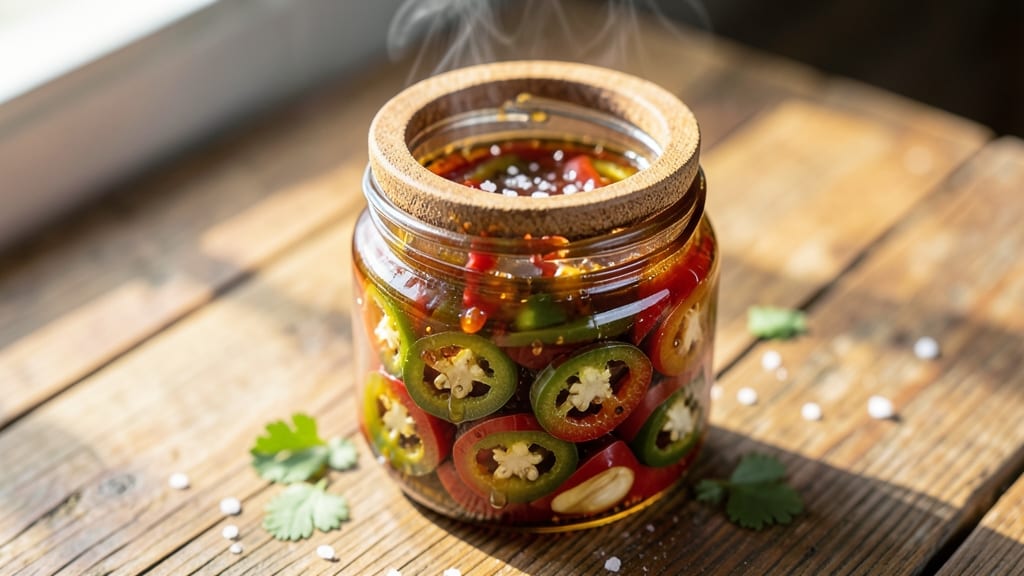
Creating a non-fermented Tabasco sauce recipe that delivers bold heat without the weeks-long aging process is entirely possible with the right technique. This vinegar-based sauce captures the signature tangy brightness of Tabasco while using fresh peppers and a simple infusion method.
The result is a versatile condiment that adds depth to everything from tacos to seafood—ready in just a few hours rather than months.
The key to this recipe lies in balancing heat and acidity through precise ingredient ratios and proper straining. You’ll use habanero or jalapeño peppers (or a blend) for the foundational heat, combined with white vinegar to preserve sharpness and salt to enhance flavor.
A short infusion period ensures the peppers release their capsaicin without overpowering the vinegar’s brightness, while straining removes seeds and skins for a smooth, restaurant-quality finish.
What makes this sauce stand out is its immediate usability—no waiting weeks for fermentation. The vinegar base ensures safety and shelf stability, while the fresh pepper infusion delivers a vibrant, complex heat profile.
Whether you drizzle it over grilled shrimp, mix it into marinades, or use it as a cocktail garnish, this sauce delivers professional-level results with minimal effort and no fermentation risk.
Store your homemade sauce in a clean glass bottle in the refrigerator for up to three months, or extend its shelf life by processing it in a water bath for canning.
The simplicity of this method makes it perfect for home cooks who want bold flavor without the wait. Let’s get started on creating your own batch of vinegar-bright heat.
Ingredients for non fermented tabasco sauce
Eight simple ingredients transform into bold, vinegar-bright sauce ready in hours.
| Ingredient | Amount | Notes |
|---|---|---|
| Fresh Habanero Peppers 🌶️ | 4 whole | Seeds removed for milder heat |
| Fresh Jalapeño Peppers 🌶️ | 4 whole | Seeds removed for balanced heat |
| White Vinegar 💧 | 2 cups | Distilled preferred for clarity |
| Granulated Sugar 🍚 | ½ cup | White or raw preferred |
| Sea Salt 🧂 | 1 ½ tbsp | Fine grain preferred |
| Garlic Cloves 🧄 | 2 cloves | Peeled, lightly crushed |
| Fresh Cilantro Leaves 🌿 | ¼ cup | Optional, for freshness |
| Extra-Virgin Olive Oil 🫒 | 1 tbsp | For emulsification |
The peppers are the heart of this sauce, so pick firm, vibrant habaneros and jalapeños—avoid any with soft spots or wrinkles. Whole Foods or local Latin markets often carry the freshest varieties. For milder heat, remove seeds and membranes completely; for extra kick, leave a few seeds in one pepper. Organic peppers tend to have more robust flavor, but conventional works fine. If you can't find habaneros, Thai bird's eye peppers make a great substitute—they pack serious heat without overpowering the vinegar.
White vinegar is non-negotiable here—it preserves the sauce's sharpness and ensures safety without fermentation. Distilled vinegar from brands like Heinz or White House works best for clarity, but any white vinegar will do in a pinch. The sugar isn't just for sweetness; it helps balance the acidity and caramelizes slightly during infusion, adding depth. Cane sugar or raw sugar works too, but white granulated dissolves cleanly. For the garlic, roast it first (400°F for 10 minutes) to mellow its flavor—this prevents bitterness in the final sauce. The cilantro is optional but adds a bright, herbaceous note that mimics Tabasco's complexity.
This sauce keeps beautifully in the fridge for up to 3 months in a clean glass bottle. For longer storage, process in a water bath for 10 minutes—it’ll last 1 year unopened. Strain the sauce through a fine-mesh sieve or cheesecloth for the smoothest texture. If it separates, simply shake before using. The heat builds gradually, so start with small amounts when testing. Store the bottle in the dark to preserve color and potency—amber glass is ideal if you have it.
Why You'll Love This Recipe
- No-Ferment Hassle: I chop the peppers, toss them in vinegar, and let them sit—no jars, no waiting weeks. Honestly, this is the kind of recipe that makes me feel like I’m actually cooking, even when I’m not.
- Sweet Heat Balance: The habaneros bring the fire, but the sugar and vinegar tame it into something smooth and addictive. One taste and you’ll understand why I keep a jar in the fridge at all times.
- Pantry Staple Magic: This sauce turns bland dishes into flavor bombs—eggs, tacos, even grilled cheese. I’ll be real: it’s my secret weapon for when I’m too tired to plan.
- Lasts All Week: A single batch stretches across breakfasts, lunches, and late-night cravings. Between us, that’s 20 minutes of work for a month’s worth of heat. Budget-friendly? Absolutely. Lazy-friendly? Even better.
Instructions for non-fermented Tabasco sauce
Here's how to create a bright, vinegar-forward hot sauce without the aging process.
Prepare the Peppers for Cooking
Begin by removing the seeds and white membranes from all 4 whole fresh habanero peppers and 4 whole fresh jalapeño peppers. I use a small spoon to carefully scoop out the seeds while leaving the flesh intact—this ensures milder heat while preserving the fruity depth. Cut each pepper into ¼-inch slices, discarding any bruised or discolored pieces. The goal is even cooking and maximum flavor extraction.
Place the sliced peppers in a medium saucepan and add the 2 cloves peeled, lightly crushed garlic cloves. This step is critical—the garlic will infuse its aromatic compounds into the vinegar base during cooking. Keep the garlic pieces whole to prevent burning, which would create bitter flavors in the final sauce.
Simmer the Pepper-Garlic Mixture
Pour in the 2 cups white vinegar and bring the mixture to a gentle boil over medium-high heat. Once boiling, immediately reduce the heat to medium-low and let it simmer uncovered for 15 minutes. You'll see the peppers soften and the liquid reduce slightly, concentrating their flavors. Stir occasionally to prevent sticking, but avoid mashing the peppers—this releases bitterness.
After 15 minutes, the peppers should be completely tender but not mushy. The vinegar will have taken on a slightly deeper color, indicating the peppers have released their capsaicin and natural oils. If you notice any foam forming, skim it off—this contains some of the pepper's bitterness that we want to avoid in the final product.
Add Sweetness and Salt for Balance
Remove the pan from heat and let the mixture cool for 5 minutes. This cooling step is important—it prevents the sugar from caramelizing prematurely, which would alter the sauce's bright acidity. Stir in the 0.5 cup granulated sugar and 1.5 tablespoons sea salt, mixing until completely dissolved. The sugar will balance the vinegar's sharpness while the salt enhances all the flavors.
Return the pan to low heat and simmer gently for another 5 minutes, stirring constantly. You're looking for the sugar to dissolve completely and the mixture to come together into a smooth consistency. If you notice any graininess at the bottom, this is undissolved sugar—simmer for another minute to fully incorporate it. The sauce should now have a glossy appearance and a balanced flavor profile.
Finish with Cilantro and Olive Oil
Transfer the hot sauce to a blender and add the 0.25 cup fresh cilantro leaves and 1 tablespoon extra-virgin olive oil. Blend until completely smooth, about 30-45 seconds. The olive oil helps emulsify the sauce, giving it a silky texture while adding a subtle richness. Taste and adjust the seasoning—you may need a touch more salt or sugar to achieve perfect balance.
Pour the sauce through a fine-mesh strainer into a clean glass jar, pressing gently on the solids to extract maximum flavor. The strained sauce should be vibrant red with a glossy sheen. Let it cool completely before sealing, as hot liquids can cause pressure buildup in the jar. This non-fermented version is ready to use immediately, though flavors will continue developing for up to 2 weeks in the refrigerator.
Pro Tips For Making Non Fermented Tabasco Sauce
- SEAR THE PEPPERS: Toss habaneros and jalapeños in a dry skillet over medium-high heat for 30 seconds per side until their skins blacken slightly—this deepens their smoky flavor without burning them. I learned this the hard way after making sauce that tasted flat and one-dimensional.
- PULSE DON’T BLEND: Use a food processor to pulse the cooked peppers into tiny chunks, not a smooth paste—you want texture, not mush. After blending mine smooth once, I realized the sauce lacked that satisfying bite and had to start over.
- SALT THE VINEGAR: Dissolve the salt in warm vinegar first, then add sugar—this prevents grainy clumps and ensures even distribution. I skipped this once and ended up with a gritty sauce that took forever to dissolve.
- STEEP LONGER THAN YOU THINK: Let the pepper-vinegar mixture sit covered at room temp for at least 24 hours—48 if you can wait. The first batch I rushed tasted harsh and underdeveloped; the second, after two days, had real depth and balance.
Essential equipment for non fermented tabasco sauce
Blender Essentials
Your blender is the workhorse of this recipe, responsible for creating that signature smooth texture. I recommend a high-speed blender like the Ninja BN601—its powerful motor handles peppers and vinegar without overheating.
For a budget option, the Hamilton Beach 58340 works well. Avoid cheap blenders; they struggle with fibrous peppers and can leave your sauce grainy. 💫
Straining Tools
A fine-mesh strainer or cheesecloth is critical for removing seeds and skins while keeping the vibrant color. I use a mesh strainer from OXO—it’s sturdy and doesn’t bend under pressure.
For extra clarity, line the strainer with double-layered cheesecloth and press gently with a wooden spoon. This step ensures a professional finish without sediment.
Heat Control Tools
Precise temperature control is key to balancing heat and acidity. A digital thermometer like the Thermoworks ThermoPop helps monitor the simmering process—ideal temperature is 195–205°F.
A heavy-bottomed saucepan (I use All-Clad Stainless Steel) prevents hot spots that can scorch the peppers. Avoid thin pans; they cause uneven heating and bitterness.
Storage Containers
Glass is non-negotiable for storage—it preserves color and prevents chemical leaching. I store my sauce in amber glass bottles (like Ball Mason Jars) to block light, which degrades heat potency over time.
For short-term use, a clean glass jar with an airtight lid works fine. If canning for long-term storage, ensure your jars are sterilized to prevent spoilage.
Optional: Immersion Blender
If you prefer not to transfer hot liquids, an immersion blender like the Ninja CB101 lets you blend directly in the pot. This eliminates the straining step entirely—just blend until smooth.
It’s perfect for small batches or when you’re short on counter space. The downside? You might retain slightly more pepper fiber in the sauce.
Nutrition facts
Frequently asked questions
Why use white vinegar instead of apple cider vinegar for this sauce?
White vinegar delivers the signature bright, sharp acidity that defines Tabasco sauce. Apple cider vinegar adds sweetness and depth, which would overpower the pepper's heat and alter the sauce's clean, tangy profile. The distilled nature of white vinegar also ensures clarity and consistency in color.
Can I adjust the heat level in this non-fermented sauce?
For milder heat, remove all seeds and membranes from the peppers. For extra spice, leave seeds in 1-2 habaneros or add 1-2 extra Thai bird's eye peppers. Always taste as you go—start with a small batch to test the heat before scaling up.
How long should I strain the sauce for the smoothest texture?
Strain for 5-7 minutes using double-layered cheesecloth or a fine-mesh strainer. Press gently with a wooden spoon to extract maximum flavor without introducing air bubbles. For ultra-smooth results, strain a second time through a coffee filter after the initial straining.
Will this sauce separate if stored in the fridge?
It might slightly separate due to the oil content, but simply shake the bottle before use. To prevent separation, add ½ teaspoon xanthan gum when blending (dissolved in 1 tbsp cold water first). Store in an airtight glass bottle in the darkest part of your fridge for best results.
Can I use dried peppers instead of fresh for this recipe?
Fresh peppers are ideal for their vibrant flavor, but you can use dried habaneros or jalapeños in a pinch. Soak 2 tbsp dried peppers in ½ cup hot water for 15 minutes before blending, then strain out the solids. The heat will be more concentrated, so reduce the quantity by half.