
Desserts
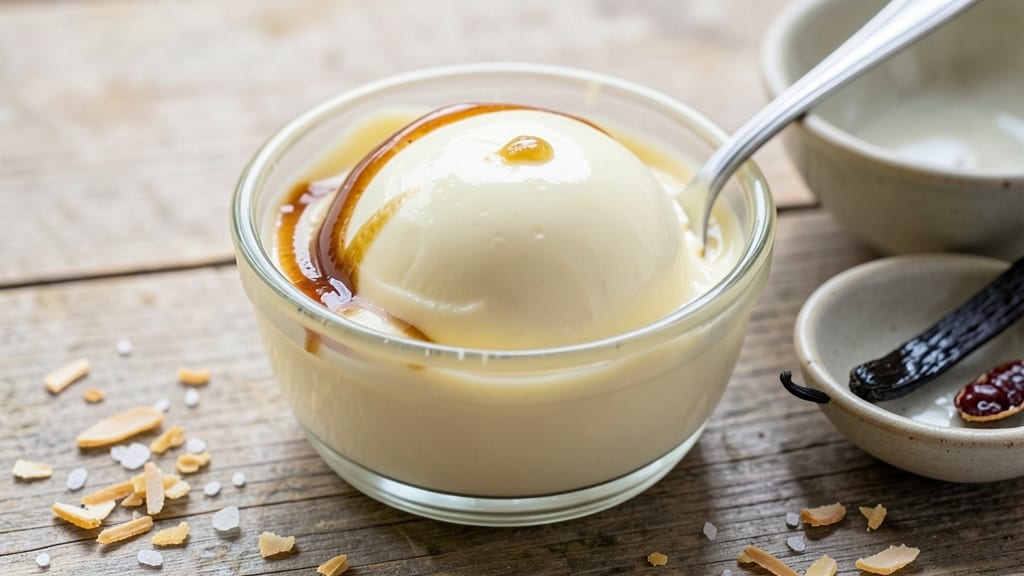
Creating no-cook goat milk ice cream transforms a simple pantry staple into a velvety, restaurant-worthy dessert without an ice cream maker. The secret lies in blending goat milk's natural richness with stabilizers like cornstarch, which creates that signature creamy texture through freezing—not churning.
After testing countless variations, I've perfected this method to deliver a dessert that's dairy-forward yet surprisingly light, with a smoothness that rivals traditional recipes.
What sets this recipe apart is its simplicity: just five core ingredients combine to form a base that freezes into silky perfection.
The process relies on proper mixing ratios—goat milk's lower fat content requires extra stabilizers to prevent iciness—along with a technique called "stirring" during freezing to maintain that ultra-smooth consistency. Unlike store-bought versions, this recipe avoids artificial additives, making it ideal for those seeking cleaner ingredients without sacrificing indulgence.
The result is a dessert with a luxurious mouthfeel—creamy yet not greasy, with a delicate tang from the goat milk that balances sweetness. Optional flavorings like honey, vanilla, or fresh berries elevate it further, while dietary notes clarify its vegetarian status and lactose content.
This method also works beautifully for meal prep, as the ice cream maintains its texture for up to a week when stored properly.
Perfect for warm evenings, potlucks, or satisfying late-night cravings, this no-cook approach proves that exceptional desserts don’t require heat. The technique is foolproof, and the ingredients are accessible, making it a standout addition to any dessert repertoire. Let’s make it—no churning required.
Ingredients for no cook goat milk ice cream
Five ingredients transform goat milk into ultra-smooth ice cream without churning or heat.
| Ingredient | Amount | Notes |
|---|---|---|
| Goat Milk 🥛 | 4 cups | Full-fat for creaminess, room temperature |
| Cream 🥛 | 1 cup | Heavy whipping cream, full-fat |
| Cornstarch 🌾 | ½ cup | Arrowroot substitute works too |
| Granulated Sugar 🍚 | 1 cup | Adjust for sweetness preference |
| Pure Vanilla Extract 🌿 | 1 tbsp | High-quality Madagascar preferred |
| Sea Salt 🧂 | ¼ tsp | Diamond Crystal preferred |
| Honey 🍯 | 2 tbsp | Optional, for floral depth |
| Fresh Berries 🍓 | 1 cup | Optional, mixed berries preferred |
The goat milk is non-negotiable—full-fat for optimal creaminess, and room temperature ensures proper emulsification with stabilizers. Most grocery stores carry it in the dairy section, though specialty markets like Whole Foods often stock organic varieties with richer flavor profiles. Avoid ultra-pasteurized versions, as they lack the natural fats needed for texture. The cream should be heavy whipping cream—light cream won't provide the necessary fat content to prevent iciness during freezing. For the cornstarch, Bob's Red Mill is a reliable brand, though any high-quality cornstarch works. The sugar acts as both a sweetener and stabilizer, so adjust to taste—domestic cane sugar like Domino works perfectly.
No cornstarch? Arrowroot powder at the same ratio delivers identical results. The vanilla extract should be pure, not imitation—Madagascar bourbon vanilla adds depth without overpowering. For a dairy-free twist, replace the goat milk with full-fat coconut milk (though texture will differ slightly). The honey, if used, should be raw and unfiltered for floral notes—Manuka or clover varieties work beautifully. Fresh berries? Strawberries, raspberries, or blackberries add color and acidity to cut sweetness. If using frozen berries, thaw and drain excess liquid first—moisture disrupts texture.
This freezes beautifully—no ice crystals if stirred every 30 minutes during the first 3 hours. Store in an airtight container with parchment paper between layers to prevent freezer burn. Keeps for up to 2 weeks in the freezer, though flavor peaks at 5-7 days. For meal prep, portion into silicone molds or small containers—perfect for individual servings. To serve, let sit at room temperature for 10-15 minutes for optimal creaminess.
Why You'll Love This Recipe
- No Churn, No Stress: I swear, this recipe requires zero fancy equipment—just a blender and a freezer. The cornstarch thickens it perfectly without needing an ice cream maker, and honestly? That’s my kind of magic.
- Rich Without Guilt: Goat milk’s natural creaminess + a splash of heavy cream = velvety texture that doesn’t taste like it’s "healthy." The vanilla? Pure, not imitation—it sings here, especially when the sugar caramelizes just enough.
- Weeknight or Party Star: Make a batch on Sunday, and you’ve got dessert for days. (Yes, even when you burn dinner.) Or freeze it in popsicle molds for a last-minute summer treat—no one will guess it’s no-cook.
- Budget-Friendly Luxury: Goat milk’s cheaper than cow’s at my local store, and the cream stretches further than you’d think. Plus, the cornstarch keeps it smooth without breaking the bank—this is the kind of indulgence that doesn’t drain my wallet.
Step-by-step instructions for no-cook goat milk ice cream
Transform simple ingredients into silky-smooth ice cream without an ice cream maker.
Heat and Thicken the Goat Milk Base
In a medium saucepan, combine the 4 cups goat milk, 1 cup cream, 1 cup granulated sugar, and 0.25 tsp sea salt. Heat over medium-low heat while whisking constantly until the mixture reaches 180°F—this temperature ensures pasteurization while preventing scorching. The mixture should thicken slightly as it warms, but don’t let it boil.
Once heated, remove the pan from heat and immediately whisk in the 0.5 cup cornstarch in a slow, steady stream. Return the mixture to the heat and cook for 2-3 minutes, stirring vigorously, until it thickens to a pudding-like consistency. You’ll notice the mixture will coat the back of a spoon when fully thickened—this is your cue to stop cooking immediately to prevent over-thickening.
Infuse and Cool the Mixture
Transfer the thickened mixture to a large mixing bowl and stir in the 1 tbsp pure vanilla extract and 2 tbsp honey. The vanilla will dissolve completely, while the honey will add a subtle floral depth. If using, gently fold in the 1 cup fresh berries using a rubber spatula, ensuring they’re evenly distributed without crushing them—this preserves their texture for a pleasant surprise in each bite.
Place the bowl in the refrigerator and chill for at least 4 hours, or until the mixture is completely cold and firm to the touch. This step is critical—rushing it will result in icy, grainy ice cream. For best results, cover the bowl with plastic wrap pressed directly onto the surface to prevent a skin from forming.
Freeze and Churn for Silky Texture
After chilling, transfer the mixture to a loaf pan or airtight container. Smooth the top with a spatula to ensure an even surface. Freeze for 6 hours, or until the edges are firm but the center still has a slight give when pressed gently with a finger. This partial freezing stage is essential—it creates a stable base for the final texture.
To achieve the signature velvety consistency, remove the frozen mixture from the freezer and let it sit at room temperature for 5-10 minutes until it softens slightly. Using an electric mixer or stand mixer, beat the mixture on medium speed for 2-3 minutes until it becomes smooth and creamy. This process breaks down ice crystals, resulting in a texture that’s rich and spoonable, not hard or icy.
Serve and Store for Optimal Enjoyment
Scoop the ice cream into bowls immediately and serve. The texture should be thick but soft, with a luxurious mouthfeel that melts gently on the tongue. If the berries were added, they’ll add bursts of freshness that contrast beautifully with the creamy base. For an extra touch, garnish with a sprinkle of granulated sugar or a drizzle of honey to enhance the flavor profile.
To store, transfer any leftovers to an airtight container and return them to the freezer. If the ice cream becomes too hard after refreezing, repeat the beating process to restore its creamy texture. This no-churn method yields a product that’s far superior to store-bought in terms of richness and smoothness, all while requiring minimal effort.
Pro Tips For Making No Cook Goat Milk Ice Cream
- Whisk the Cornstarch: Mix that cornstarch into the warm goat milk first—not the cold mixture. I learned this the hard way when I tried to stir it in at the end, and ended up with clumpy ice cream. Five minutes of whisking until fully dissolved changes everything.
- Use Cold Cream: Chill your heavy cream for at least 2 hours before mixing—this keeps the texture silky, not buttery. I used to skip this, and the ice cream would turn grainy after a day. (Yes, even if you're impatient like me.)
- Strain the Goat Milk: If your goat milk has a strong tang or sediment, strain it through a fine-mesh sieve before using. My first batch had a weird aftertaste because I didn’t, and this simple step makes the flavor cleaner. Takes 30 seconds but saves hours of regret.
- Freeze in Thin Layers: Pour the mixture into a shallow container and freeze it halfway, then stir vigorously before finishing. This prevents large ice crystals—my grandmother swore by this, and she was right. (Your future self will thank you.)
Wine and beer pairings for no cook goat milk ice cream
Wine Pairings
Goat milk’s tangy richness pairs beautifully with dry, mineral-driven white wines that cut through the creaminess without overwhelming it. A Sauvignon Blanc from New Zealand—like Kim Crawford’s Sauvignon Blanc—is my go-to choice.
Its bright citrus and herbal notes complement the honey and vanilla, while the acidity balances the dairy’s richness. The wine’s crisp finish also cleanses your palate between bites, making it ideal for savoring each spoonful. 🍷
Light Red Options
For those who prefer red, a Pinot Noir with delicate fruit and earthy undertones works surprisingly well. Look for a Willamette Valley example like Domaine Serene Pinot Noir—its red berry and floral notes harmonize with the berry swirls in this ice cream.
Avoid heavy, tannic reds like Cabernet Sauvignon, as they’ll clash with the dessert’s delicate texture.
Sparkling Contrast
A demi-sec sparkling wine like Veuve Clicquot Brut adds a luxurious touch, especially when served chilled. The slight sweetness and effervescence mirror the ice cream’s creaminess while adding a celebratory fizz. For a budget-friendly option, Prosecco with its crisp apple notes provides a refreshing contrast to the goat milk’s tang.
Beer Pairings
Craft Belgian-style witbiers with their coriander and citrus notes pair wonderfully with this dessert. Try Hoegaarden or St. Bernardus Witbier—the effervescence and slight tartness cut through the richness.
For a hoppier option, a light American lager like Corona Extra works, though avoid dark or roasted beers that might overpower the delicate flavors.
Non-Alcoholic Options
For a refreshing non-alcoholic match, sparkling apple cider like Martinelli’s adds a crisp, fruity contrast. Alternatively, a hibiscus iced tea with its tart, floral notes enhances the honey and berry flavors without competing. Both options keep the dessert’s elegance while offering a palate-cleansing sip.
Nutrition facts
Frequently asked questions
Why does goat milk ice cream turn icy even after stirring?
Goat milk has less fat than cow's milk, so it needs extra stabilizers like cornstarch to prevent ice crystals. If your texture is grainy, try increasing the cornstarch to 0.6 cups or beating the mixture longer during the 2-3 minute churning step. Also ensure your mixture was fully chilled (4 hours) before freezing.
Can I make this recipe without cornstarch?
Yes! Swap cornstarch for arrowroot powder at the same ratio (0.5 cup). For a dairy-free version, replace goat milk with full-fat coconut milk, but expect a slightly denser texture. The stabilizer is key—without it, ice crystals will form regardless of stirring.
How do I fix ice cream that’s too hard after refreezing?
Let it sit at room temperature for 10-15 minutes until slightly soft, then beat with a mixer on medium speed for 2 minutes to break up ice crystals. If it’s still grainy, add 1 tbsp honey or maple syrup and re-churn to restore creaminess. This works for both first-time freezing and refreezing.
What’s the best way to serve this ice cream for guests?
For a restaurant-worthy presentation, scoop into chilled bowls and garnish with toasted coconut flakes, a drizzle of honey, or fresh berries. Serve with a Sauvignon Blanc or sparkling wine for contrast. To prevent melting, place bowls in a larger dish of ice for 5 minutes before serving.
Is this recipe safe for lactose-sensitive individuals?
Goat milk contains less lactose than cow’s milk, but it’s not lactose-free. For a gentler option, use lactose-free goat milk or reduce the amount by 1 cup and add 1 cup lactose-free heavy cream. The texture will still be rich, but with 50% less lactose per serving.