
Side Dishes
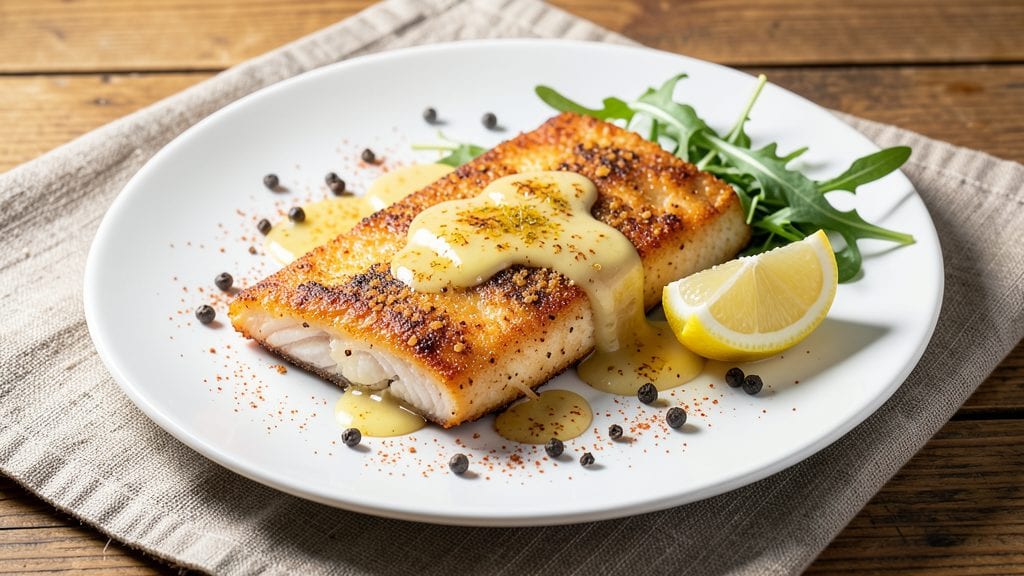
This legal seafood baked haddock recipe delivers restaurant-quality results with a crispy cornmeal crust that stands up to the delicate flakiness of the fish. Sustainability matters, so I source haddock certified by the Marine Stewardship Council to ensure every bite aligns with responsible fishing practices.
The zesty lemon kiss brightens the dish without overpowering the natural sweetness of the fish.
The secret to achieving that perfect crispy crust lies in the cornmeal batter—it creates a satisfying crunch while keeping the inside tender. This method transforms simple ingredients into a dish that feels special enough for dinner guests but easy enough for weeknight meals.
Baked at 375°F for 15-20 minutes, the haddock emerges golden and flaky, ready to be paired with your favorite sides.
What you'll end up with is haddock so tender it practically melts in your mouth, topped with a crispy cornmeal crust that adds texture and depth. The lemon zest and juice create a bright, refreshing contrast that cuts through the richness of the fish.
This recipe is designed to impress while keeping preparation straightforward—no complicated techniques required.
Serve with steamed green beans, roasted potatoes, or a fresh salad to complete the meal. The crispy crust pairs beautifully with the acidity of lemon, making each bite a balance of textures and flavors. Let's get started on creating this perfect baked haddock dish.
Ingredients for legal seafood baked haddock
Sustainable seafood meets crispy comfort with these 13 simple yet premium ingredients.
| Ingredient | Amount | Notes |
|---|---|---|
| Haddock Fillets 🐟 | 4 whole | Certified by Marine Stewardship Council |
| Cornmeal 🌽 | ½ cup | Fine grind for even coating |
| All-Purpose Flour 🌾 | ¼ cup | Lightly sifted for smooth batter |
| Eggs 🥚 | 1 whole | Large, room temperature |
| Lemon Zest 🍋 | 1 tbsp | Freshly grated from organic lemons |
| Lemon Juice 🍋 | 2 tbsp | Freshly squeezed |
| Butter 🧈 | 2 tbsp | Unsalted, melted |
| Milk 🥛 | ¼ cup | Whole milk for creaminess |
| Garlic Powder 🧄 | ½ tsp | Freshly ground preferred |
| Salt 🧂 | 1 tsp | Kosher or sea salt |
| Black Pepper 🌶️ | ½ tsp | Freshly ground for best flavor |
| Paprika 🌶️ | ½ tsp | Smoked variety for depth |
| Olive Oil 🫒 | 1 tbsp | For greasing baking dish |
The haddock is the foundation—sourcing matters here. Marine Stewardship Council-certified fillets ensure you're getting responsibly caught fish with optimal texture. Look for fillets with even thickness (about 1-inch) for consistent cooking. Whole Foods Market or local seafood counters often carry MSC-certified options, but frozen fillets from Trader Joe's work perfectly too. Pat them dry before coating to help the batter adhere better. The cornmeal is non-negotiable for that signature crunch—Bob's Red Mill fine grind creates the best texture, but any fine cornmeal will work in a pinch.
No cornmeal? Crushed cornflakes make a decent substitute (pulse them in a food processor). Fresh lemons are ideal, but bottled lemon juice works too—just add an extra pinch of salt to compensate. The milk can be swapped for buttermilk for extra tang, or even Greek yogurt at half the amount for richness. Want more depth? Add a dash of Old Bay seasoning to the batter. The paprika adds subtle color and warmth—smoked paprika gives a more complex flavor than regular. For the butter, European-style unsalted melts more smoothly than American brands.
Prep the batter components ahead and store in the fridge for up to 24 hours—the cornmeal mixture stays fresh longest. The haddock itself keeps 1-2 days in the fridge once thawed, so plan accordingly. For make-ahead convenience, assemble the coated fillets on a tray, cover, and refrigerate up to 4 hours before baking. The leftovers reheat beautifully—10 seconds in the microwave or 5 minutes at 350°F restores the crispiness. Portion into single servings for easy lunches.
Why You'll Love This Recipe
- Crispy in Minutes: I swear by the cornmeal crust—just pat the fillets dry, dredge them in that golden mix, and bake until the edges are shattering. No frying, no fuss, and the lemon zest wakes up every bite like a morning coffee shot.
- Weeknight Hero: Between us, this is my go-to when I’m too tired to think. The haddock stays flaky and tender while the crust holds up, so it’s perfect for nights when I’d rather scroll than sear. (Yes, even on a Tuesday night.)
- Leftovers That Don’t Suck: Honestly, the second day is often better—crispy bits re-crisp in the oven, and the lemon flavor lingers. I portion it into single servings so my kids can grab it straight from the fridge for lunch. No sad, soggy fish here.
- Budget Bright Spot: Haddock is affordable, and this recipe stretches it far. A single fillet feeds two if you pair it right (hello, roasted potatoes), and the pantry staples—flour, eggs, cornmeal—mean I’m not breaking the bank for a restaurant-worthy meal.
Step-by-step instructions for crispy cornmeal-crusted haddock
Here's how to achieve that perfect golden crust and tender fillets every time.
Prepare the Cornmeal Coating
In a shallow dish, combine the 0.5 cup cornmeal with 0.25 cup all-purpose flour, 0.5 tsp garlic powder, 0.5 tsp paprika, 1 tsp salt, and 0.5 tsp black pepper. Stir thoroughly to distribute the spices evenly through the cornmeal mixture. This coating will create that signature crispy texture we're after.
In a separate bowl, whisk together the 1 whole egg, 0.25 cup milk, 2 tbsp lemon juice, and 1 tbsp lemon zest until completely smooth. The lemon adds brightness that perfectly complements the delicate haddock flavor. Keep both mixtures at room temperature for best results.
Season and Coat the Haddock
Pat each of the 4 whole haddock fillets dry with paper towels—this step is crucial for achieving that crispy crust. Season both sides generously with additional salt and pepper if desired, though the coating already contains seasoning.
Working with one fillet at a time, dip it into the egg mixture first, letting any excess drip off. Then press it firmly into the cornmeal mixture, coating both sides completely. The cornmeal should adhere well to create that satisfying crunch. Place the coated fillets on a wire rack set over a baking sheet to prevent sticking while they rest for 5 minutes.
Preheat and Prepare the Baking Dish
Preheat your oven to 425°F. While it's heating, lightly grease a baking dish with 1 tbsp olive oil—this prevents sticking and helps create a crispy bottom crust. I like to use a 9x13-inch baking dish for this recipe as it provides enough space for even browning.
Arrange the coated haddock fillets in a single layer in the prepared baking dish, leaving about 1 inch between each fillet. This spacing ensures they cook evenly and develop that perfect golden crust. If needed, you can gently press down on the fillets to help them maintain contact with the hot dish.
Bake to Crispy Perfection
Bake the haddock for 12-15 minutes until the crust is golden brown and crispy, and the fish flakes easily when tested with a fork. The internal temperature should reach 145°F. You'll know it's done when you see that beautiful golden crust that contrasts perfectly with the tender, flaky fish underneath.
For extra richness, remove the baking dish from the oven and immediately dot each fillet with 2 tbsp melted butter. Return to the oven for just 1-2 minutes to let the butter melt and create a glossy finish. This final step adds an extra layer of flavor and moisture to the fish.
Rest and Serve
Transfer the baked haddock to a serving platter and let it rest for 3-5 minutes before serving. This brief resting period allows the juices to redistribute throughout the fish, ensuring each bite is moist and flavorful. The crust will remain crispy while the fish stays perfectly tender.
Serve immediately with lemon wedges on the side for squeezing over each piece. The bright citrus cuts through the richness of the fish and butter, creating a perfect balance of flavors. This dish pairs beautifully with a simple green salad or steamed vegetables for a complete meal.
Pro Tips For Making Legal Seafood Baked Haddock
- Dry the Fillets First: Haddock stays moist if it’s damp—pat those fillets thoroughly with paper towels before dredging. I learned this the hard way when my crust turned soggy instead of crispy. Five minutes with a towel saves you from a sad, limp result.
- Use Medium Heat for Baking: Too hot, and the cornmeal burns before the fish cooks through. Too cool, and you’re left with a bland, underdone mess. Aim for 375°F (190°C)—hot enough to crisp the crust but gentle enough to keep the inside flaky. Preheat your oven and let the pan warm for 5 minutes first.
- Mix Lemon Zest with Egg: Don’t just sprinkle that zest on top—whisk it into the egg wash. It’ll create a brighter, more cohesive crust that sticks better. I was skeptical until I tried it—now it’s non-negotiable for me.
- Dredge in Two Stages: First coat in flour, shake off excess, then dip in cornmeal. The flour helps the cornmeal adhere without sliding off. Skip this, and you’ll end up with uneven coverage—some spots crispy, others bare. (Yes, even if you’re impatient like me.)
Storing and reheating this recipe
Refrigerator Storage
Store leftover baked haddock in an airtight container with parchment paper between layers to maintain crispiness. Keep it refrigerated for up to 3 days—the cornmeal crust stays crunchy when properly sealed. I like using glass Pyrex containers because they prevent moisture buildup that can make the crust soggy. 💫
Freezer Prep Tips
For longer storage, freeze cooked haddock in a single layer on a tray before transferring to a freezer bag—this prevents clumping. Label with the date and freeze for up to 2 months.
Thaw overnight in the fridge for best texture recovery. The cornmeal crust loses some crispness after freezing, but reheating restores it partially.
Oven Reheating Method
Preheat oven to 350°F and place haddock on a baking sheet with a splash of water or broth. Cover loosely with foil and reheat for 8-10 minutes until internal temp reaches 145°F.
The foil traps steam to revive the crust's crispiness. I find this method preserves texture better than microwave reheating.
Microwave Revival
For quick reheating, place haddock on a microwave-safe plate with a damp paper towel over it. Heat on medium power (50%) for 45-60 seconds, then flip and repeat until reaching 145°F.
The paper towel mimics steaming to maintain some crispness. Add a squeeze of lemon juice after reheating to refresh the flavor.
Crispiness Hacks
To restore crispiness after storage, broil for 1-2 minutes at the end of reheating. Watch closely to avoid burning the cornmeal crust. For extra crunch, sprinkle with breadcrumbs before reheating—they absorb moisture and create a new crispy layer. This works especially well for freezer-thawed haddock.
Serving Leftovers
Leftover haddock makes great fish tacos—crisp the reheated fillets in a skillet with 1 tbsp butter until golden, then serve in warm tortillas with cabbage slaw.
The cornmeal crust adds satisfying texture to tacos. For a lighter option, serve over a bed of arugula with lemon vinaigrette and cherry tomatoes. 🌟
Nutrition facts
Frequently asked questions
Why is haddock considered "legal" seafood?
Haddock is classified as "legal" seafood because it's widely available and sustainably managed in many regions, particularly in the North Atlantic. The recipe uses Marine Stewardship Council-certified fillets to ensure responsible fishing practices, which helps maintain healthy fish populations. This certification means the haddock was caught using methods that minimize environmental impact.
Can I substitute cornmeal in this recipe?
Yes, you can! For a similar texture, try crushed cornflakes or panko breadcrumbs. However, cornmeal creates that signature crispy crust that pairs perfectly with haddock. If using cornflakes, pulse them briefly in a food processor to create a fine, even coating. The flavor will be slightly different but still delicious.
How do I know when the haddock is fully cooked?
The haddock is done when it reaches an internal temperature of 145°F and flakes easily with a fork. The crust should also be golden brown and crispy. Overcooking can make the fish dry, so aim for 12-15 minutes at 425°F and check with a meat thermometer for accuracy.
What sides pair best with this baked haddock?
This dish pairs beautifully with light, fresh sides like steamed green beans, roasted asparagus, or a crisp arugula salad. For a heartier meal, try roasted potatoes or quinoa. The lemony brightness of the haddock complements these sides perfectly, balancing the richness of the cornmeal crust.
Can I make this recipe ahead of time?
Assemble the coated fillets on a tray, cover, and refrigerate for up to 4 hours before baking. For make-ahead convenience, you can also bake the haddock a day in advance and store it in an airtight container with parchment paper between layers. Reheat in the oven at 350°F for 8-10 minutes to restore crispiness.