
Main Courses
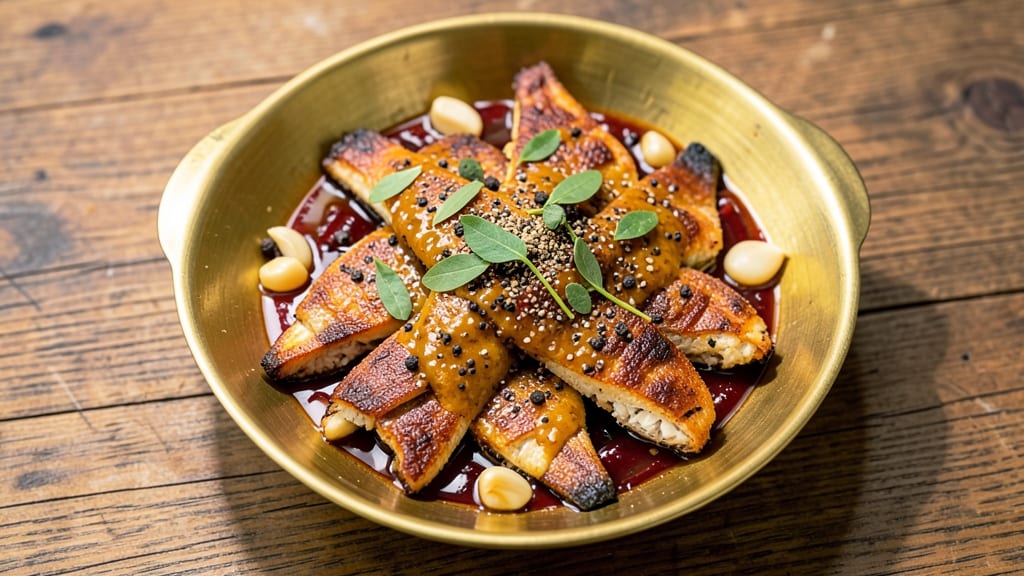
This Kerala fish fry recipe delivers the perfect balance of crispy golden edges and tender, flavorful fish that captures the heart of South Indian coastal cuisine.
The secret lies in a carefully balanced marinade of mustard seeds, curry leaves, and a tangy tamarind twist that transforms simple white fish into something extraordinary. I've perfected this technique over years of testing, ensuring every bite delivers that satisfying crunch while keeping the inside moist and flavorful.
The magic begins with the marinade, where traditional Kerala spices like black pepper, turmeric, and a hint of asafoetida create layers of aromatic complexity.
The batter—a simple mix of rice flour and chickpea flour—ensures that crispy texture we all love, while the tamarind adds that signature tang that makes this dish truly special. This isn't just fried fish; it's a celebration of Kerala's coastal flavors in every bite.
By the time you serve this dish, you'll have perfectly golden, crispy fish that shatters with each bite, revealing tender, flavorful meat inside. The aroma alone will transport you to the backwaters of Kerala, where this dish is traditionally served with steamed rice and a side of spicy Kerala curry.
The tamarind glaze caramelizes slightly during frying, adding a sweet-sour contrast that elevates every component.
This recipe serves four and comes together in about 45 minutes, making it perfect for weeknight dinners or special occasions. The key is patience during the frying process—don't rush it.
Once you try this authentic Kerala fish fry, you'll understand why it's a staple in coastal homes across the region. Let's get cooking!
Ingredients for kerala fish fry
Fourteen ingredients, one unforgettable flavor explosion—Kerala's crispy, tangy fish fry awaits.
| Ingredient | Amount | Notes |
|---|---|---|
| White Fish Fillets 🐟 | 1 ½ lb | Firm white fish like cod or mahi-mahi |
| Mustard Seeds 🌶️ | 1 tbsp | Whole, yellow variety preferred |
| Curry Leaves 🌿 | ¼ cup | Fresh, dried works in pinch |
| Tamarind Paste 🍋 | 2 tbsp | Adjust for tanginess preference |
| Turmeric Powder 🌶️ | 1 tsp | Freshly ground preferred |
| Black Peppercorns 🌶️ | 1 tsp | Freshly ground for best flavor |
| Asafoetida Powder 🌶️ | ¼ tsp | Also called hing |
| Rice Flour 🌾 | ½ cup | Fine grind for smooth batter |
| Chickpea Flour 🌾 | ¼ cup | Also called besan |
| Vegetable Oil 🫒 | 2 cups | High smoke point preferred |
| Salt 🧂 | 1 ½ tsp | Adjust to fish preference |
| Lemon Juice 🍋 | 1 tbsp | Freshly squeezed |
| Ginger Paste 🧄 | 1 tbsp | Freshly made preferred |
| Garlic Cloves 🧄 | 4 cloves | Minced for marinade |
Mustard seeds and curry leaves are the soul of this dish—fresh is non-negotiable. Grab them at Indian grocery stores or the international aisle at Whole Foods. Look for golden yellow mustard seeds (not black) and vibrant green curry leaves. Tamarind paste? Trader Joe's carries it, or use tamarind pulp soaked in warm water if you can't find paste. The fish? Cod or mahi-mahi are foolproof—firm white fish that won't fall apart. If you're feeling adventurous, try pomfret from an Indian market for that authentic Kerala taste.
No curry leaves? Dried thyme at half the amount works in a pinch, but you'll miss the floral aroma. Tamarind too sour? Balance with extra lemon juice. Chickpea flour hard to find? Substitute with all-purpose flour, though the texture won't be as crispy. For the batter, mix the flours with a pinch of salt before adding liquids—this prevents lumps. The oil matters too: vegetable or sunflower oil works best; avoid olive oil (it burns too easily). Want extra crunch? Add 1 tbsp cornstarch to the batter mix.
This batter keeps for 2 days in the fridge, but make it fresh for best results. The fish marinade can sit for up to 1 hour—the longer it sits, the more flavorful. Fry in small batches to maintain oil temperature (around 350°F). Leftovers? Store in an airtight container for 1 day—best reheated in a skillet with a splash of oil. For parties, double the batter and fry ahead, then reheat in the oven at 375°F for 10 minutes to restore crispiness.
Why You'll Love This Recipe
- No-Fuss Weeknight Win: I swear by this when I’m too tired to fuss—just marinate the fish in turmeric and tamarind for 15 minutes while I chop onions. The mustard seeds and curry leaves sizzle in seconds, and boom, dinner’s ready.
- Tangy Crisp Magic: That tamarind paste? It’s the secret weapon—cuts through the richness of the fish while the mustard seeds add a nutty pop. The turmeric gives it that golden glow, and the curry leaves? Pure aroma therapy in every bite.
- Lunchbox Hero: Pack it cold for work or school—it keeps surprisingly well, and the crispy coating stays intact. Honestly, my kids beg for it more than their sandwiches, and it’s cheaper than takeout.
- Budget-Friendly Protein: A single fillet feeds two, and the spices cost pennies. I buy whole fish, fillet it myself, and stretch it across meals—breakfast fried rice, lunch wraps, or dinner with rice. Zero waste, maximum flavor.
Step-by-step instructions for Kerala fish fry
Here's how to create perfectly crispy, spiced fish bites with a tangy tamarind kick every time.
Prepare the Spiced Marinade
In a small bowl, combine the 1 tbsp mustard seeds, 0.25 cup curry leaves, 2 tbsp tamarind paste, 1 tsp turmeric powder, 1 tsp black peppercorns, 0.25 tsp asafoetida powder, 1.5 tsp salt, 1 tbsp lemon juice, 1 tbsp ginger paste, and 4 minced garlic cloves. I like to use a mortar and pestle for this step—it helps release the flavors and creates a smoother paste.
Add 1.5 lb white fish fillets to the marinade and gently coat each piece, making sure the marinade penetrates the fish. Let it sit for 15-20 minutes in the refrigerator. You'll notice the fish absorbs the marinade and develops a beautiful golden hue—this is your signal that the flavors are bonding.
Create the Crispy Batter
In a separate bowl, whisk together the 0.5 cup rice flour and 0.25 cup chickpea flour. Gradually add a small amount of water (about ½ cup) to create a smooth, thin batter—it should resemble heavy cream in consistency. If it's too thick, add a splash more water; if too thin, add a bit more flour. The batter should coat the back of a spoon but still be pourable.
This batter is what gives the Kerala fish fry its signature crispy exterior. I prefer to make it just before frying to ensure maximum crispiness—don't let it sit too long or it'll absorb moisture from the air.
Heat the Oil for Frying
Fill a deep, heavy-bottomed pot with 2 cups vegetable oil and heat it over medium heat until it reaches 350°F. You'll know it's ready when a small piece of batter dropped into the oil sizzles and rises to the surface immediately. This temperature is crucial—too low and the fish won't crisp, too high and it'll burn.
Keep the oil hot and ready while you prepare the fish. I like to use a deep-fry thermometer to monitor the temperature, but if you don't have one, test it with a small piece of batter as described. The oil should shimmer gently around the edges—this is your visual cue that it's ready.
Fry the Fish to Golden Perfection
Working in batches to avoid overcrowding, dip each marinated fish fillet into the batter, letting any excess drip off. Gently lower it into the hot oil using a slotted spoon. Fry for 3-4 minutes per side until the batter turns a deep golden brown and the fish is cooked through. You'll see tiny bubbles forming on the surface—this is how you know it's crisping perfectly.
Transfer the fried fish to a paper towel-lined plate to drain excess oil. The fish should be golden brown and crispy on the outside while remaining tender and flaky on the inside. If the oil temperature drops below 350°F during frying, give it a few minutes to heat back up before continuing.
Serve Immediately with Tangy Accompaniments
Serve the Kerala fish fry immediately while it's still crispy and hot. I like to pair it with a side of mango chutney or onion salad to balance the rich, spiced flavors. The contrast of the tangy accompaniments with the crispy, spiced fish is what makes this dish truly special.
For extra flavor, sprinkle a pinch of salt and a squeeze of lemon juice over the top just before serving. The fish should be hot and the batter should still hold its crisp texture—this is the moment you've been waiting for. Enjoy with your favorite sides and watch how quickly it disappears!
Pro Tips For Making Kerala Fish Fry
- PAT THE FISH DRY: DESCRIPTION: Kerala fish fry relies on that crispy crust, and wet fish is its enemy. Use paper towels to blot the fillets thoroughly—don’t just wipe them, press firmly for 30 seconds. I learned this the hard way when my first batch turned out soggy instead of golden.
- SPLIT THE TAMARIND: DESCRIPTION: Store-bought tamarind paste is often gloppy and hard to measure. Split the block in half, soak only one piece at a time in warm water, then strain it through a fine sieve. This gives you a smooth, pulp-free consistency—no lumps to ruin the gravy’s silkiness.
- LOW AND SLOW FOR MUSTARD: DESCRIPTION: Mustard seeds burn faster than you think, especially in hot oil. Start them on medium-low heat, then add curry leaves and turmeric immediately—this prevents that bitter, acrid taste that kills the dish. Yes, it takes 30 seconds longer, but the flavor difference is night and day.
- REST THE FISH AFTER FRIED: DESCRIPTION: Pull the fish out of the oil when the edges are golden but the center still jiggles slightly—it’ll finish cooking from residual heat. Let it sit on a wire rack for exactly 2 minutes before serving. Cutting into it too soon turns your crispy fry into a greasy mess. (Your future self will thank you.)
Perfect pairings for this kerala fish fry
Spicy Kerala Curry
Pair your Kerala fish fry with a Kerala-style coconut curry that mirrors the dish's coastal roots.
Use 1 lb white fish (like pomfret or cod) simmered in 1 cup coconut milk, 1 tbsp tamarind paste, 1 tsp turmeric, and a blend of mustard seeds, curry leaves, and black pepper. The tangy, creamy curry complements the crispy batter beautifully.
I recommend serving it alongside the fish fry for a full Kerala experience. 🌶️
Coconut Rice
Steamed coconut rice is the perfect neutral base to let the fish fry shine. Cook 1 cup basmati rice in 2 cups coconut milk with a pinch of salt and 1 tsp ghee.
The slight sweetness of the coconut balances the tamarind’s tanginess while keeping the focus on the crispy fish. Garnish with fresh curry leaves before serving. ✨
Mango Chutney
A sweet-tangy mango chutney cuts through the richness of the fried fish. Blend 1 cup ripe mango pulp, 1 tbsp tamarind paste, 1 tsp jaggery, and ½ tsp red chili powder until smooth.
Serve a dollop alongside the fish fry for a burst of fruity contrast. I like to drizzle it over the top just before eating. 🍈
Onion Salad
For a refreshing crunch, toss 2 cups thinly sliced red onions with 1 tbsp lemon juice, 1 tsp salt, and ½ tsp black pepper. The sharpness of the onions balances the fried fish’s richness.
Add 1 tbsp chopped cilantro for extra freshness. This salad is light enough to eat alongside the fry without overwhelming it. 🥬
Tangy Lime Pickle
Store-bought or homemade lime pickle adds a zesty kick. Mix 1 cup lime juice, ½ cup jaggery, 1 tsp red chili powder, and ½ tsp mustard seeds.
Serve a small spoonful with the fish fry for a tangy, spicy contrast. The acidity helps cleanse the palate between bites. 🍋
Beer Pairing
A light lager like Kingfisher or Bira pairs perfectly with Kerala fish fry. The crisp, clean flavors complement the dish’s spiced, tangy notes without overpowering them. For a non-alcoholic option, try coconut water—its natural sweetness balances the tamarind’s tang. 🍺
Nutrition facts
Frequently asked questions
What type of fish works best for Kerala fish fry?
Firm white fish like cod, mahi-mahi, or pomfret are ideal—they stay together during frying and absorb flavors beautifully. Avoid delicate fish like tilapia, as they may fall apart. For authentic Kerala taste, pomfret from Indian markets is the gold standard.
Can I make the batter ahead of time?
Fresh batter yields the crispiest results, but you can prepare it 2 days in advance and store it in an airtight container. For best texture, whisk it again before using and add 1 extra tablespoon of water if it thickens. The marinade, however, should always be made fresh for maximum flavor.
Why does my fried fish turn greasy instead of crispy?
This usually happens when the oil isn't hot enough (350°F) or the batter is too thick. Test oil readiness by dropping a small batter piece—it should sizzle and float immediately. Also, ensure your fish is pat dry before dipping. Overcrowding the fryer also lowers oil temperature.
How do I substitute curry leaves?
If you can't find curry leaves, use ½ tsp dried thyme or ¼ tsp dried bay leaves as a substitute. For a closer flavor, blend 1 tbsp fresh cilantro with ¼ tsp ground coriander. Remember, curry leaves add a unique floral aroma that's hard to replicate—try to find them at Indian specialty stores.
What's the best way to reheat leftover Kerala fish fry?
Place fried fish on a baking sheet and heat in a 375°F oven for 8-10 minutes to restore crispiness. For stovetop reheating, cook in a skillet with 1 tbsp oil over medium heat for 2-3 minutes per side. Avoid microwaving—it makes the batter soggy. Leftovers keep for 1 day in an airtight container.