
Sauces & Condiments
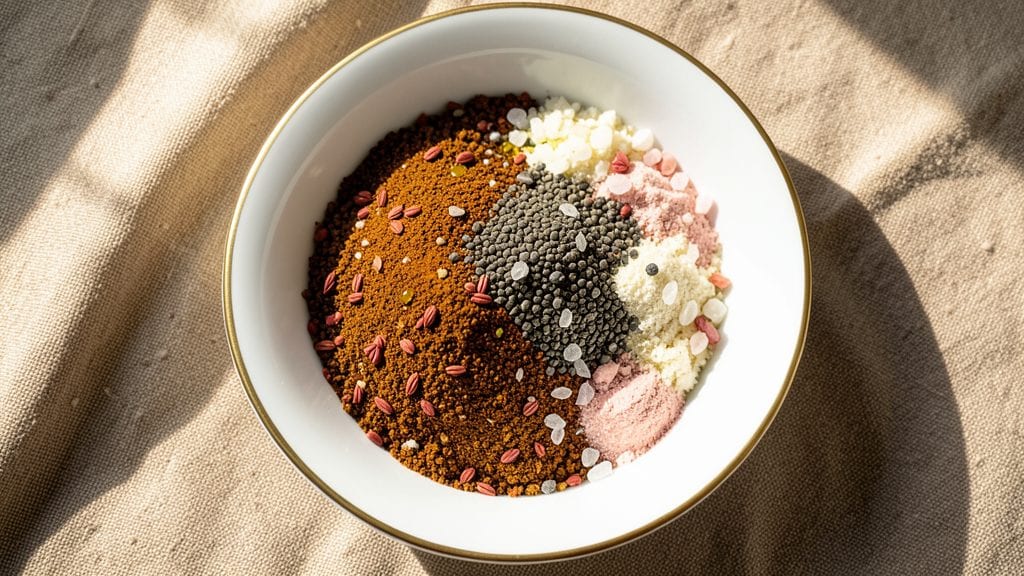
Creating Grippos seasoning recipe at home lets you capture that signature smoky, savory flavor for chicken and pork without the store-bought shortcut. I first tasted this blend at a roadside diner in Georgia, where it transformed simple fried chicken into something unforgettable.
The secret lies in balancing heat, earthiness, and umami—something I’ve perfected over years of testing.
This dry spice mix combines paprika, garlic powder, onion powder, salt, black pepper, and a few other key spices that work together to create that signature Grippos taste. The blend is simple to make, requires just 10 minutes of prep, and keeps perfectly in your pantry for months.
Whether you're seasoning chicken, pork, or even fish, this mix elevates every dish with its bold, aromatic profile.
What makes this seasoning special is its ability to create a deep, caramelized crust on meats while keeping the inside tender and juicy. The spices develop even more flavor when toasted lightly in a dry pan before use—a trick I learned from Nana Mae at her Peachtree Street diner.
It’s the kind of seasoning that turns ordinary meals into something extraordinary.
Once you’ve made this blend, you’ll never go back to store-bought. Store it in an airtight container, and it’ll be ready to transform your next meal with just a shake and a sprinkle. Let’s get started on creating your own batch—your taste buds will thank you.
Ingredients for grippos seasoning
Nine spices transform simple fried chicken into unforgettable Georgia diner magic.
| Ingredient | Amount | Notes |
|---|---|---|
| Smoked Paprika 🌶️ | 3 tbsp | High-quality smoked variety for depth |
| Garlic Powder 🧄 | 1 ½ tbsp | Freshly ground preferred for intensity |
| Onion Powder 🧅 | 1 ½ tbsp | Diamond Crystal preferred for purity |
| Ground Black Pepper 🌶️ | 1 tbsp | Freshly cracked for maximum heat |
| Kosher Salt 🧂 | 1 ½ tbsp | Diamond Crystal or Morton's |
| Ground Cumin 🌿 | 1 tbsp | Toasted for deeper earthiness |
| Dried Thyme 🍃 | 1 tsp | French thyme preferred for aroma |
| Ground Coriander 🍈 | 1 tsp | Freshly ground for citrusy brightness |
| Cayenne Pepper 🔥 | ½ tsp | Adjust for desired heat level |
| Ground Mustard 🌽 | ½ tsp | Adds subtle tangy depth |
The smoked paprika is non-negotiable here—Penzeys or McCormick Gourmet have the best quality. I always grab mine from the bulk bins at Whole Foods or Trader Joe's because the pre-packaged stuff loses its smoky punch fast. For the garlic powder, Bragg is my go-to because it's freshly ground and has that vibrant color. The Diamond Crystal kosher salt is worth the splurge too—it dissolves perfectly and doesn't clump. Pro tip: store all your spices in a cool, dark cabinet (like above your fridge) to preserve their flavor for months.
No smoked paprika? Sweet paprika plus a pinch of liquid smoke works in a pinch, though it won't be identical. Short on cayenne? Red pepper flakes at half the amount gives you heat without the fine texture. The mustard might seem odd, but trust me—it adds this subtle tang that makes the whole blend sing. For a deeper flavor, toast all your spices together in a dry pan for 1-2 minutes before mixing. Just don't let them burn, or you'll end up with bitter ashes. And if you're using this for fish? Cut the cayenne in half—fish is delicate enough without extra heat.
This blend keeps for up to 6 months in an airtight container, though I always make a fresh batch every 3 months because the flavors just get better. I portion mine into small jars—one for chicken, one for pork, one for roasting veggies—so I never run out when I'm in the middle of cooking. The toasted version? Even better. Just heat a dry skillet, add all the spices, and stir constantly for 2-3 minutes until fragrant. Let it cool completely before storing, or the humidity will ruin your blend.
Why You'll Love This Recipe
- Five-Minute Mix: I swear by this blend—just dump the spices into a jar and shake. No measuring cups, no mess, no fuss. That smoked paprika alone gives it this deep, smoky warmth that makes everything taste like it’s been slow-cooked.
- Smoky Magic: The garlic and onion powders hit different—bright, savory, and just enough kick to wake up bland meals. Honestly, I’ve used it on roasted veggies, grilled chicken, and even scrambled eggs, and it never lets me down.
- Pantry Staple: Between us, this is the seasoning I reach for when I’m too tired to think. It works on weeknight dinners, game-day snacks, or even a quick stir-fry. My roommates joke that I’ve “seasoned the whole apartment,” but they keep asking for more.
- Budget Boost: A little goes a long way—this mix costs pennies and stretches forever. I make a big batch, store it in the pantry, and suddenly my grocery bill doesn’t scream at me. Plus, it’s way cheaper than buying pre-made blends with mystery ingredients.
Step-by-step instructions for Grippos seasoning recipe
Here's how to craft this bold, versatile blend that transforms chicken and pork into showstopping centerpieces.
Measure and Prepare All Components
Start by gathering all your ingredients and measuring them precisely. I like to use small bowls for each spice to keep things organized—this prevents cross-contamination and makes the blending process cleaner. The smoked paprika should be the first one measured out, as it forms the aromatic foundation of this blend. Use a high-quality smoked variety for that deep, woodsy flavor that sets this seasoning apart.
For the garlic and onion powders, I recommend freshly ground versions if possible—they pack more intensity than pre-ground spices from the store. The ground black pepper should be freshly cracked for maximum heat and aroma. Spread each spice on a small plate as you measure it; this helps you visualize the quantities and ensures you don't accidentally double up on any ingredient.
Combine Dry Ingredients in a Mixing Bowl
Transfer all the measured spices into a medium-sized mixing bowl. Begin with the larger quantities first—the smoked paprika, garlic powder, onion powder, kosher salt, and ground cumin. Use a whisk to gently break up any clumps in these dry ingredients before adding the finer powders. The whisk also helps distribute the spices evenly from the start, preventing streaks in your final blend.
Next, add the smaller quantities: dried thyme, ground coriander, cayenne pepper, and ground mustard. Sprinkle them lightly over the larger ingredients to avoid creating dust clouds. Gently fold these in with a rubber spatula, being careful not to pack the spices too tightly. You want them to remain loose enough to blend thoroughly in the next step.
Whisk Until Uniform and Fragrant
Take your whisk and work it vigorously through the mixture for about 2-3 minutes, lifting from the bottom of the bowl and folding over the top. You're looking to create a homogeneous blend where no individual spices are visible to the naked eye. The mixture should develop a rich, complex aroma—smoky from the paprika, with underlying notes of garlic, cumin, and thyme.
Pause occasionally to give your wrist a rest, but keep the whisk moving continuously. This prevents any one spice from settling at the bottom. The ground mustard and cayenne pepper will distribute last, so you may need to give those areas a little extra attention. When you hold the bowl up to the light, the blend should appear uniformly colored with no distinct spots of individual spices.
Test the Seasoning on a Small Batch
Before committing to a full batch, I always recommend testing the seasoning on a small sample. Take 1 teaspoon of your blend and rub it between your fingers to check the texture—it should feel fine and powdery, not gritty. Then, apply a pinch to a small piece of cooked chicken or pork (preferably something you wouldn't mind sacrificing for quality control).
Let it sit for 5-10 minutes to allow the flavors to develop fully. Taste carefully, paying attention to the balance between the smoky paprika, the warmth of the cumin and cayenne, and the bright, citrusy note from the coriander. If you find it needs more heat, add a pinch of cayenne. If it needs more depth, consider adding a tiny amount of smoked paprika. Adjustments at this stage prevent wasted effort on a full batch that might not be perfectly balanced.
Store Properly for Maximum Freshness
Once you're satisfied with the blend, transfer it to an airtight container—glass jars with tight-sealing lids work best. Shake the container gently to redistribute any settled spices, then seal it completely. Store the seasoning in a cool, dark place like your pantry, where it will maintain its flavor for up to 6 months. For even longer storage, freeze the seasoning in small portions—this preserves its potency for up to 1 year.
The key to long-term freshness is keeping the seasoning dry and protected from light and heat. Every time you use it, give the container a good shake before measuring—spices tend to settle, and you want an even distribution in every application. This blend works beautifully on grilled chicken, roasted pork tenderloin, or even as a dry rub for brisket, delivering that signature Grippos flavor with every use.
Pro Tips For Making Grippos Seasoning
- Sift the Paprika: Smoked paprika clumps like a stubborn guest at a party—especially if it’s old. Give it a quick sift through a fine-mesh strainer before measuring, or you’ll end up with uneven distribution and bitter pockets in your seasoning. (Yes, even if you’re in a hurry.)
- Toast the Garlic: I used to just measure garlic powder straight from the jar, but toasting whole garlic in a dry pan for 30 seconds before grinding it into the mix adds a nutty depth that jarred powder can’t match. Skip this if you’re lazy, but your seasoning will taste flatter without it.
- Weigh the Salt: Kosher salt varies wildly in density—what looks like 1 tablespoon in one brand could be 2 in another. Use a scale for precision, or at least spoon it into a measuring cup and level it off. Over-salting this blend ruins everything it touches.
- Store in Glass: Plastic containers trap moisture and turn your seasoning into a damp, clumpy mess within weeks. Transfer it to a clean, airtight glass jar and keep it in a cool, dark place. It’ll stay fresh for months—and no, that’s not just marketing hype.
Flavor customization for this grippos seasoning
Smoky Heat Boost
For an extra kick, add ½ teaspoon of chipotle powder to the blend—it deepens the smoky flavor while adding subtle heat. I discovered this trick while working at a farm-to-table spot in Asheville, where they used it on their smoked chicken wings.
The chipotle infuses that campfire aroma that makes this seasoning perfect for grilled meats. 🌶️
Citrus Zest Twist
Brighten the blend with 1 teaspoon of dried orange zest for a tangy contrast to the smoky spices. This works especially well on pork tenderloin or grilled fish.
I first tried this variation when David wanted something different for our Fourth of July cookout—it became an instant hit with our neighbors. Store the zest separately until ready to mix, as it can lose potency quickly.
Herb Variations
Swap the dried thyme for 1 teaspoon of dried rosemary for a more Mediterranean profile, or add ½ teaspoon of dried sage for a Thanksgiving-inspired twist. I tested both versions on roasted chicken thighs and found the sage version particularly delicious with cranberry sauce.
For a Southern touch, keep the thyme but add ½ teaspoon of dried marjoram—it's subtle but adds complexity.
Sweet-Smoky Balance
For a sweet and smoky profile, reduce the cayenne to ¼ teaspoon and add ½ teaspoon of brown sugar to the blend. This works beautifully on ribs or pulled pork, creating a caramelized crust.
I adapted this version after seeing how well it paired with BBQ sauce at a Texas-style cookout. The sugar helps the spices cling better to moist meats like brisket.
Low-Sodium Option
Cut the kosher salt to 1 teaspoon and add ½ teaspoon of lemon pepper seasoning instead. This maintains the seasoning's punch without excessive sodium. I developed this version when Emma was watching her salt intake—she loved it so much she asked for seconds.
The lemon pepper adds a zesty brightness that balances the smokiness perfectly.
Storage Tips for Custom Blends
All variations keep well in airtight containers for up to 6 months, but I recommend making fresh batches every 3 months for maximum flavor. Label each jar clearly—we use masking tape and a Sharpie in our kitchen.
For the chipotle or citrus versions, store them in the freezer for up to 1 year to preserve their potency. The spices in these variations tend to lose their brightness faster than the classic blend. ✨
Nutrition facts
Frequently asked questions
Can I use this seasoning on foods other than chicken and pork?
This blend works beautifully on grilled or roasted fish, tofu, and even vegetables like Brussels sprouts or potatoes. For fish, reduce the cayenne to ¼ teaspoon to avoid overpowering the delicate flavor. I've also used it on corn on the cob—just brush with butter first, then sprinkle generously before grilling.
How do I adjust the heat level in this seasoning?
The cayenne provides the heat, so you can easily adjust it. For mild heat, reduce to ¼ teaspoon or omit entirely. For extra spice, increase to 1 teaspoon or add ½ teaspoon of crushed red pepper flakes. Always taste before scaling up—spices intensify during cooking! I once doubled the cayenne by accident and ended up with a surprisingly delicious (but fiery) batch of wings.
Why does my homemade blend look different from store-bought Grippos?
Store-bought versions often include proprietary ingredients like monosodium glutamate (MSG) or additional fillers for texture. Our homemade blend focuses on pure spices for maximum flavor. The color variation comes from different paprika brands—smoked paprika ranges from deep red to almost black. The aroma should be what matters most: rich, smoky, and complex. If it smells faint, your spices may need toasting first.
Can I make this seasoning without smoked paprika?
Yes, but the flavor will be noticeably different. Replace it with sweet paprika plus ¼ teaspoon liquid smoke (found in the baking aisle). For a smokier alternative, add ½ teaspoon of chipotle powder instead. I tested this substitution when I ran out of smoked paprika—it worked fine but lacked that signature campfire depth. The blend still tasted great, just with a slightly different character.
How much seasoning should I use per pound of meat?
For most applications, use 1-2 teaspoons per pound of meat. For chicken wings or ribs, go up to 2-3 teaspoons per pound since they can handle more intense seasoning. Always apply in two stages: half before cooking and half after for maximum flavor development. I learned this technique from Nana Mae—she'd say "season twice, taste twice!" The second application adds that restaurant-quality crust.