
Desserts
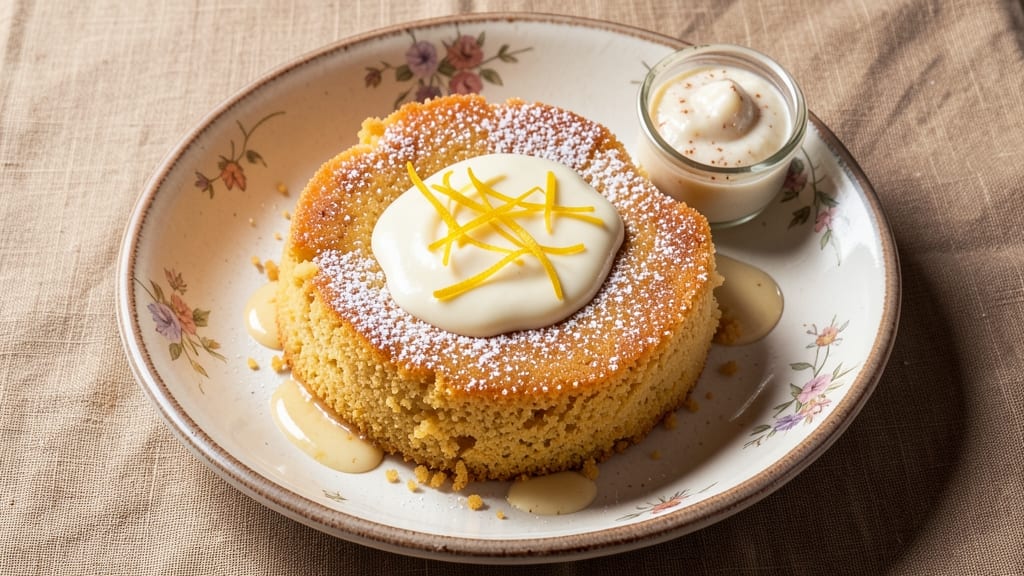
This easy cassava cake brings tropical flavors to your dessert table without the fuss—moist layers infused with vanilla and a hint of citrus that’ll make you forget it’s vegan.
Standing on a step stool in my grandmother’s kitchen in Sicily, I learned how simple root vegetables could create magic, and this cake is my modern twist on that tradition. The secret? Grating the cassava just right and letting the batter rest so every bite stays tender and rich.
What makes this recipe truly foolproof is how few ingredients you need—just cassava, coconut milk, and a touch of vanilla. No fancy equipment, no complicated steps, and no waiting around for layers to set.
The cake comes together in about 30 minutes of prep, then bakes while you sip something cold and enjoy the aroma filling your kitchen. It’s the kind of dessert that tastes homemade but feels like a vacation in every forkful.
By the time it emerges from the oven, you’ll have a cake with moist, fluffy layers that cut cleanly and stay together—no dry crumbs in sight.
The tropical vanilla zing shines through, bright enough to stand alone but versatile enough to pair with fresh berries or a dollop of coconut whipped cream. This is dessert made easy, but never basic.
Perfect for potlucks, birthday celebrations, or just because—this cake proves vegan baking can be both effortless and extraordinary. Let’s get baking!
Ingredients for easy cassava cake
Simple ingredients for a cake that tastes like a tropical vacation—moist, fragrant, and effortless.
| Ingredient | Amount | Notes |
|---|---|---|
| Fresh Cassava (Yuca) 🍠 | 2 cups | Grated, skin removed, fine texture |
| Full-Fat Coconut Milk 🥥 | 1 ½ cups | Canned, full-fat for richness |
| Granulated Sugar 🍚 | 1 cup | White or organic preferred |
| Vanilla Extract 🌿 | 2 tbsp | Pure, Madagascar bourbon preferred |
| Lemon Zest 🍋 | 1 tbsp | Fresh, organic if possible |
| Unsweetened Applesauce 🍎 | ½ cup | For moisture and binding |
| Baking Powder 🧂 | 1 tsp | Aluminum-free preferred |
| Salt 🧂 | ½ tsp | Fine sea salt |
| All-Purpose Flour 🌾 | ½ cup | For structure, optional |
| Vegetable Oil 🫒 | ¼ cup | Light, for tender crumb |
| Lemon Juice 🍋 | 2 tbsp | Freshly squeezed |
| Vanilla Bean Seeds 🌿 | 1 tsp | Optional, for extra zing |
Cassava is the star here, and you want it fresh—the starchy kind, not the waxy variety. Latin markets or well-stocked grocery stores usually carry it, but if you can't find it, substitute yuca (they're essentially the same). Grate it yourself for the best texture—pre-shredded gets gummy. The coconut milk? Full-fat only—it makes all the difference in richness. I grab mine from Trader Joe's or Costco for the best price. If you're feeling fancy, toast the vanilla bean seeds in the coconut milk for 5 minutes before adding—trust me, it's worth it.
No vanilla extract? Vanilla sugar or a scraped vanilla bean works in a pinch. Short on applesauce? Mashed banana or pumpkin puree keeps it moist. The flour is optional—skip it if you want a lighter texture, but add it if your cassava is extra dry. Lemon zest can be dried and stored in the freezer for up to 3 months, but fresh is always better. For a deeper flavor, zest a Meyer lemon—it's sweeter and more aromatic. The baking powder needs to be fresh; if it's older than 6 months, toss it. And if you're wondering about the oil, don't skip it—it keeps the cake tender.
This batter needs to rest for 20-30 minutes—don’t rush it. The longer it sits, the more flavor develops. Store leftovers in an airtight container in the fridge for up to 5 days, or freeze for 2 months. I like to slice it thin and layer with coconut whipped cream for a dessert that feels like a vacation. The cake reheats beautifully—just pop a slice in the microwave for 10 seconds to bring back that fresh-baked warmth.
Why You'll Love This Recipe
- No Peel, No Stress: The cassava here doesn’t need peeling—just scrub and grate. I’ve spent hours peeling yuca before, and this cuts that step entirely. The grated texture works perfectly with the coconut milk’s richness, so you’re left with a smooth batter without the mess.
- Tropical Cream Dream: That full-fat coconut milk? It’s the secret. The cake has this luscious, almost custard-like texture that’s not too sweet—just enough to balance the bright lemon zest. Honestly, the first bite makes me want to skip dessert.
- Weeknight or Party Ready: Make it for a quick breakfast or bring it to a potluck—no one will guess it’s gluten-free. The vanilla and lemon zest give it a sophisticated edge, but it’s still simple enough to bake while you’re folding laundry. (Yes, even on a Tuesday night.)
- Leftovers That Last: This cake stays moist for days, so I always double the batch. The coconut milk keeps it from drying out, and the sugar caramelizes just enough to make even third-day slices taste like they’re fresh. Budget-friendly? Absolutely—but it won’t feel like it.
Step-by-step instructions for easy cassava cake
Here's how to create a perfectly moist tropical cake with minimal effort and maximum flavor.
Prepare the Cassava Base
Begin by grating the 2 cups fresh cassava (yuca) using a box grater or food processor. I find the fine texture works best for a tender crumb, so aim for a consistency similar to coarse breadcrumbs. Transfer the grated cassava to a large mixing bowl and set aside.
In a separate bowl, whisk together the 1.5 cups full-fat coconut milk, 1 cup granulated sugar, 2 tbsp vanilla extract, and the 1 tbsp lemon zest. This mixture forms the sweet, aromatic foundation of the cake. The coconut milk adds richness while the lemon zest brightens the tropical flavors. Stir until the sugar dissolves completely and the mixture is smooth.
Combine Wet and Dry Ingredients
To the grated cassava, add the coconut milk mixture, 0.5 cup unsweetened applesauce, 0.25 cup vegetable oil, and 2 tbsp lemon juice. The applesauce helps create that signature moist texture while the oil keeps the crumb tender. Mix everything together until you have a thick, well-combined batter that coats the back of a spoon.
In a small bowl, sift together the 0.5 cup all-purpose flour, 1 tsp baking powder, and 0.5 tsp salt. Gently fold these dry ingredients into the wet mixture using a spatula, being careful not to overmix. The flour provides structure while the baking powder ensures a light rise. Add the 1 tsp vanilla bean seeds at this stage for an extra layer of vanilla flavor that really makes this cake special.
Bake to Golden Perfection
Preheat your oven to 350°F and grease an 8-inch round cake pan or line it with parchment paper. Pour the batter into the prepared pan and smooth the top with a spatula. Bake for 40-45 minutes or until a toothpick inserted into the center comes out clean. The edges should be golden brown while the center remains slightly springy to the touch.
I like to check for doneness at the 35-minute mark since ovens vary. If the top browns too quickly, tent the cake with aluminum foil to prevent over-browning while it continues cooking through. The cake should have a moist, slightly dense texture with a tender crumb that practically melts in your mouth.
Cool and Serve
Allow the cake to cool in the pan for 10 minutes before transferring it to a wire rack to cool completely. This gradual cooling prevents cracking and helps the flavors meld together. The cake will be warm but firm enough to handle when you're ready to serve slices.
For best results, serve the cake at room temperature. The tropical vanilla flavors really shine when the cake has had time to fully develop. You'll notice the moist texture and subtle citrus notes that make this cake so special. It's perfect on its own or with a dollop of whipped coconut cream for a truly tropical dessert experience.
Pro Tips For Making Easy Cassava Cake
- PEEL AND GRATE FAST: Fresh cassava is stubborn—peel it lengthwise with a paring knife first, then slice into ¼-inch rounds before grating. The spiral cut lets you peel faster, and smaller rounds grate evenly without clogging your box grater. (Yes, even if you’re impatient like me, this step cuts prep time in half.)
- BOIL UNTIL TENDER: Don’t skimp on the boiling time—test for doneness by piercing a piece with a fork. It should slide in like butter, not bounce back. Overcooked cassava turns to mush; undercooked? You’ll taste the raw starch. Aim for 15-20 minutes, and drain thoroughly—no one wants a soggy cake.
- WHISK COCONUT MILK FIRST: Open that can of coconut milk and give it a good shake before measuring. The fat separates, and if you don’t whisk it back together, your cake will end up greasy in spots and dry in others. A quick 30-second whisk with a fork makes all the difference—trust the process.
- LEMON ZEST NOW, JUICE LATER: Add the zest to the batter now, but hold off on the juice until the very end. The zest brightens the flavor early, but the juice can make the cake dense if mixed in too soon. Stir it in right before pouring—your cake will stay light and not turn into a spongy brick. (I learned this the hard way.)
Wine and beer pairings for these flavors
Tropical White Wine
This cake’s bright citrus and vanilla flavors pair beautifully with crisp, aromatic white wines that complement its tropical essence. I reach for a dry Riesling from Germany or Austria—its zesty acidity and hints of peach and lime mirror the cake’s lemon zest and coconut notes.
A Sauvignon Blanc from New Zealand, with its grassy, citrusy punch, also works wonderfully, cutting through the richness while enhancing the vanilla’s floral undertones. Serve slightly chilled to let the wine’s freshness shine alongside the cake’s moist texture. 🍷
Creamy Dessert Wines
For a more indulgent pairing, consider a Moscato d'Asti or Lambrusco—both Italian wines that bring a touch of sweetness without overwhelming the cake’s natural flavors. The slight effervescence of Moscato cleanses your palate between bites, while Lambrusco’s berry notes harmonize with the vanilla and coconut.
These wines feel like a vacation in themselves, making them perfect companions for this tropical dessert. 🍇
Light-Bodied Beers
If wine isn’t your thing, a Belgian witbier or Mexican lager offers refreshing contrast. The witbier’s citrusy coriander and orange peel notes echo the cake’s lemon zest, while the lager’s clean, crisp profile lets the vanilla and coconut take center stage.
I love pairing this cake with a Hoegaarden or Modelo Especial—both light enough to avoid competing with the dessert’s delicate flavors. 🍺
Coffee or Spiced Tea
For a non-alcoholic option, a strong brewed coffee or spiced chai tea enhances the cake’s tropical vibe. The bitterness of coffee balances the cake’s sweetness, while the cinnamon and cardamom in chai complement the vanilla.
I often serve this cake with a cup of espresso or a vanilla chai latte—the warmth of the drink contrasts perfectly with the cake’s cool, moist layers. ☕
Fruit-Infused Cocktails
For a festive touch, try a rum-based cocktail like a Piña Colada or Mojito. The pineapple and lime in a Piña Colada mirror the cake’s tropical flavors, while the mint in a Mojito adds a refreshing twist.
If you’re feeling adventurous, muddle fresh berries or mango into your drink to create a custom tropical elixir that pairs seamlessly with the cake. 🍹
Nutrition facts
Frequently asked questions
Can I substitute cassava with another root vegetable?
Yes! If you can't find fresh cassava, you can use green plantains or sweet potatoes in a pinch. For best results, peel and grate them finely—just be aware the texture will be slightly denser. The flavor will shift toward tropical (plantains) or earthy (sweet potatoes), so adjust the vanilla and lemon to balance. For a true cassava experience, stick with the original ingredient.
Why does my cake turn out dry or crumbly?
Dryness usually happens when the batter isn't rested or if the oven runs too hot. Always let the batter sit for 20-30 minutes before baking—this helps the cassava absorb moisture. Also, check your oven temperature with a thermometer; 350°F is critical. If your kitchen gets hot, reduce heat to 325°F and bake for 50-55 minutes instead.
How do I make this cake gluten-free?
Simply swap the 0.5 cup all-purpose flour for 0.5 cup gluten-free 1:1 baking flour (like Bob's Red Mill). For extra moisture, add 1 tablespoon cornstarch to the batter. Test your gluten-free flour blend first—some brands absorb more liquid. The cake will still be tender, but the crumb may be slightly denser.
Can I bake this in a different pan shape?
Use a 9-inch round pan (reduce bake time by 5-7 minutes) or a loaf pan (bake for 50-55 minutes). For a taller cake, consider a 6-inch springform pan—it creates layers perfect for stacking with coconut cream. Just adjust baking time based on your pan size and check doneness with a toothpick.
What's the best way to store leftovers?
Wrap slices tightly in plastic wrap or store in an airtight container in the fridge for up to 5 days. For longer storage, freeze individual portions for 2 months. To reheat, microwave for 10-15 seconds or warm in a 300°F oven for 5 minutes—this restores the moist texture beautifully.