
Main Courses
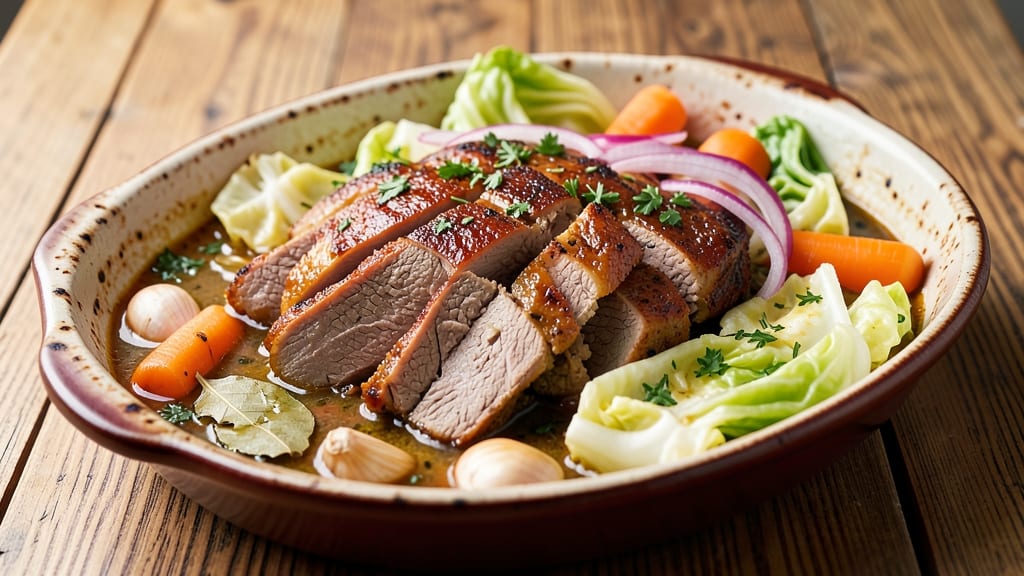
This corned beef brisket and cabbage recipe transforms a simple brisket into a slow-braised masterpiece, where tender meat falls apart at the touch of a fork and cabbage absorbs rich, savory flavors.
The secret lies in hours of gentle cooking—either in a Dutch oven on the stovetop or a pressure cooker for speed—until the meat becomes so succulent it practically melts in your mouth.
I perfected this method after years of testing, balancing traditional techniques with modern convenience, so you get restaurant-quality results without the wait.
The beauty of this dish is its simplicity: just a few pantry staples—corned beef brisket, cabbage, onions, and spices—come together to create a meal that feels indulgent yet requires minimal effort.
The cabbage, cooked until tender but still holding its shape, soaks up the juices from the brisket, creating a harmonious blend of textures and flavors. This recipe delivers a foolproof method for achieving perfectly tender corned beef, whether you're using a slow cooker, Instant Pot, or traditional oven braising.
By the time you serve this dish, your kitchen will smell like a cozy Irish pub, and every bite will reveal layers of flavor—smoky, sweet, and slightly tangy from the corned beef, balanced by the earthy cabbage and caramelized onions.
The brisket will be fork-tender, the cabbage perfectly soft, and the sauce rich enough to spoon right onto your plate. It’s the kind of meal that feels like a hug on a chilly day, perfect for St. Patrick’s Day or any occasion calling for comfort food.
Pair it with buttered potatoes, crusty bread, or a simple green salad to round out the meal. Whether you're cooking for a family gathering or a quiet Sunday dinner, this recipe ensures you'll have a showstopper that leaves everyone asking for seconds.
Let’s get started on creating this slow-braised spice symphony that’s as satisfying as it is delicious.
Ingredients for corned beef brisket and cabbage
Six core ingredients transform into a slow-braised Irish pub classic. Pantry staples meet tender meat for comfort food perfection.
| Ingredient | Amount | Notes |
|---|---|---|
| Corned Beef Brisket 🥩 | 4 lb | Pre-cured, 3-4 inches thick |
| Green Cabbage 🥬 | 2 lb | Whole head, cut into wedges |
| Yellow Onions 🧅 | 3 whole | Medium, sliced into half-moons |
| Carrots 🥕 | 4 whole | Medium, peeled and halved |
| Garlic Cloves 🧄 | 6 cloves | Peeled, smashed slightly |
| Bay Leaves 🌿 | 2 whole | Dried, standard size |
| Black Peppercorns 🌶️ | 1 tbsp | Whole, crushed lightly |
| Allspice Berries 🌶️ | 1 tsp | Ground or whole, crushed |
| Mustard Seeds 🌶️ | 1 tsp | Whole, yellow preferred |
| Beef Broth 💧 | 2 cups | Low-sodium, homemade or high-quality |
| Apple Cider Vinegar 🍎 | ¼ cup | For tangy depth |
| Olive Oil 🫒 | 2 tbsp | Extra-virgin, for searing |
| Salt 🧂 | 1 ½ tsp | Kosher or sea salt |
| Fresh Parsley 🌿 | ¼ cup | Chopped, for garnish |
The brisket is the star—look for a well-marbled, 4-pound cut at Costco or your local butcher. Pre-cured is a must (no need to soak it), but check the label for added sugars if you're watching carbs. The cabbage? Green is traditional, but red adds a pretty contrast. I usually grab the heaviest head I can find—it’s cheaper per pound and lasts longer. For the onions, yellow or sweet yellows caramelize best, but red will give you that gorgeous color if you're serving company. The carrots can be baby carrots if you're in a rush, but whole carrots stay in better.
No corned beef brisket? Substitute a 4-pound beef chuck roast—just add 2 tbsp of corned beef spices (or 1 tsp each of mustard seeds, allspice, and black peppercorns) to the broth. Short on cabbage? Green beans or Brussels sprouts work in a pinch, but they cook faster so watch them. The beef broth can be swapped for red wine plus 1 cup water—just reduce it by half first to deepen the flavor. Fresh parsley is ideal, but dried parsley at one-third the amount works if you're out. The apple cider vinegar is key for that tangy Irish pub flavor—substitute lemon juice if you're fresh out, but it’ll taste slightly different.
This dish tastes even better the next day, so make it ahead and reheat gently. Store leftovers in the fridge for 4-5 days or freeze for up to 3 months—the flavors only get richer. I like to portion it into containers with the juices so it reheats perfectly. The cabbage and carrots will soften further, so they’re best served fresh if you’re reheating. For serving, I always sprinkle fresh parsley on top—it adds a pop of color and freshness that makes the dish feel extra special.
Why You'll Love This Recipe
- Here’s what sold me: a whole brisket for under $15, plus a few cheap veggies, and I’ve got a meal that feeds six. No fancy ingredients, no waste—just pure, hearty comfort food. Plus, the brisket stretches further than you’d think, so it’s my go-to when I’m trying to stretch a paycheck without sacrificing flavor.
- One-Pot Magic: I swear by this recipe because it’s literally one pot, one lid, and done. No chopping boards, no extra pans—just slice the cabbage, dice the onions, toss in the carrots, and let the brisket simmer while you stir in the garlic. The brisket practically falls apart on its own, and the cabbage gets tender without wilting into mush.
- Taste Like Home: Between us, the slow-cooked brisket with its peppery, tangy crust and the caramelized onions melting into the cabbage? It’s the kind of flavor that makes you pause mid-bite. That first whiff of garlic and bay leaf simmering in the broth is enough to convince me this is worth the effort—even if it’s just for one night.
- Leftovers for Days: Honestly, I make this on Sundays because the leftovers are that good. The brisket stays moist, the cabbage holds its crunch, and the carrots get just sweet enough. Pack it in lunches or reheat it for dinner—it’s the ultimate lazy-day meal that still feels special.
Step-by-step instructions for corned beef brisket and cabbage
Here's how to transform corned beef brisket into a rich, tender masterpiece with perfectly balanced vegetables.
Sear the Corned Beef Brisket for Deep Flavor
Pat the 4 lb corned beef brisket completely dry with paper towels. Heat a large Dutch oven over medium-high heat and add the 2 tbsp olive oil. Once the oil shimmers, place the brisket fat-side down and sear for 5 minutes until the fat begins to crisp and turn golden brown.
Flip the brisket and sear the other side for another 4 minutes. This initial searing creates a flavorful crust that locks in juices during the long braise. Don't rush this step—you want that beautiful mahogany color that signals proper browning. I like to press down gently on the brisket during the first minute to prevent curling.
Sauté Vegetables and Build the Spiced Base
Remove the brisket from the Dutch oven and set it aside. In the same pot, add the 3 whole yellow onions sliced into half-moons and the 4 whole carrots cut into halves. Cook for 5 minutes until the onions begin to soften and turn translucent.
Add the 6 cloves garlic that have been peeled and smashed slightly, along with the 1 tbsp black peppercorns that have been crushed lightly, 1 tsp allspice berries, and 1 tsp mustard seeds. Stir everything together for 1 minute until the garlic becomes fragrant and the spices begin to toast slightly. This aromatic base forms the flavor foundation for your dish.
Layer and Braise with Liquid
Return the seared brisket to the Dutch oven along with the 2 lb green cabbage cut into wedges and the 2 whole bay leaves. Pour in the 2 cups beef broth and the 0.25 cup apple cider vinegar. The vinegar adds a bright tang that cuts through the richness of the meat.
Bring everything to a simmer over medium heat, then reduce the heat to low. Cover the Dutch oven and let it cook for 3 hours. You'll know it's time to check when you notice the liquid has reduced by about half and the cabbage has softened. This slow braising process transforms the tough brisket into tender, melt-in-your-mouth perfection.
Finish with Seasoning and Resting
After 3 hours of braising, uncover the pot and increase the heat to medium. Add the 1.5 tsp salt and let the liquid reduce by another third, about 15-20 minutes. This step concentrates the flavors and creates a rich, glossy sauce. The brisket should be fork-tender and easily pull apart.
Remove the brisket from the pot and let it rest for 10 minutes. During this time, spoon the cooking liquid and vegetables over the brisket to keep everything warm. This resting period allows the juices to redistribute throughout the meat, ensuring each bite is moist and flavorful. The cabbage should be tender but still hold its shape, and the carrots should be fork-tender with a slight crunch.
Serve with Fresh Garnish
Transfer the brisket to a cutting board and slice it against the grain into ½-inch thick slices. Arrange the sliced brisket on a platter and spoon the braising liquid and vegetables over the top. Garnish with the 0.25 cup fresh parsley chopped for a pop of color and freshness.
Serve immediately with the remaining cabbage and carrots on the side. The combination of tender brisket, slightly sweet carrots, and peppery cabbage creates a symphony of flavors that's perfect for a hearty meal. Each bite delivers the rich, spiced beef with the bright acidity from the vinegar and the subtle sweetness of the vegetables.
Pro Tips For Making Corned Beef Brisket And Cabbage
- Trim the Fat First: Cut away the thick fat cap from the brisket before cooking—it’s the only way to guarantee even cooking and crispy edges. I used to leave it on, and the meat always ended up greasy and unevenly done, even after hours in the pot.
- Core the Cabbage: Remove the tough core from the cabbage wedges before boiling—it’s the part that stays rubbery and ruins the texture. After burning my tongue on a stubborn core once, I now make it a habit to slice it out with a paring knife.
- Don’t Crowd the Pot: Simmer the brisket in enough water to cover it by at least 1 inch, and resist the urge to add all the veggies at once. I learned this the hard way when my carrots turned mushy and the onions burned because the pot was overloaded.
- Sear the Meat Last: Brown the brisket in a hot pan with a little oil after it’s already cooked in the pot—this adds a crust without drying it out. Sounds weird, but it works: the meat stays juicy while getting that restaurant-worthy sear.
Serving suggestions for this recipe
Classic St. Patrick's Platter
Serve your corned beef brisket with the traditional trio: creamy mashed potatoes, buttered soda bread, and pickled vegetables for a complete Irish pub experience. I like to make garlic mashed potatoes with sour cream and chives—the tangy creaminess balances the rich brisket beautifully.
For soda bread, use King Arthur Flour and add buttermilk for that signature tender crumb. 🍀
Crusty Bread Basket
No Irish meal is complete without warm, crusty bread. I recommend Irish soda bread or baguette slices for dipping in the braising sauce. For extra flair, toast brioche rolls with garlic butter—the buttery richness pairs perfectly with the peppery cabbage.
Keep a basket of bread on the table so everyone can help themselves to seconds.
Fresh Green Salad
A crisp arugula salad with lemon vinaigrette cuts through the richness of the brisket. Toss 4 cups arugula with 2 tbsp olive oil, 1 tbsp lemon juice, 1 tsp honey, and a pinch of salt.
Add shaved fennel and toasted walnuts for texture. The peppery greens refresh your palate between bites of tender beef. 🥗
Pickled Vegetable Garnish
Add a tangy crunch with quick-pickled red cabbage or carrots. Thinly slice 1 small red cabbage and 3 carrots, then toss with ½ cup apple cider vinegar, 1 tbsp sugar, and 1 tsp salt.
Let sit for 30 minutes before serving. The bright acidity contrasts the deep flavors of the brisket and cabbage.
Cheese and Beer Pairings
For a cheesy touch, serve with sharp cheddar or Stilton cubes—these pair exceptionally well with the corned beef’s spiced depth. As for drinks, a Guinness or Smithwick’s stout complements the dish perfectly. For non-alcoholic options, sparkling apple cider adds a festive touch. 🍺
Leftovers Reinvented
Transform leftovers into corned beef hash or sliders. Dice the brisket and sauté with diced potatoes, onions, and a fried egg on top. For sliders, pile shredded brisket on brioche buns with caramelized onions and horseradish cream.
These creative uses turn dinner into lunch or dinner the next day! 💡
Nutrition facts
Frequently asked questions
How long should I cook the corned beef until it's tender?
For a 4 lb brisket, plan for 3 hours of braising at low heat. The meat should easily pull apart with a fork and be fork-tender. If using an Instant Pot, cook on high pressure for 60 minutes after searing. Always check for doneness—overcooking can make it dry.
Can I use a slow cooker for this recipe?
After searing, transfer everything to a slow cooker and cook on low for 8 hours or high for 5-6 hours. The slow cooker method is perfect for hands-off cooking, but add ½ cup extra broth since slow cookers evaporate more liquid. The cabbage will soften fully in this time.
What if my brisket isn't tender after cooking?
If the brisket is still tough, it likely didn't cook long enough. Return it to the pot with ½ cup fresh broth, cover, and cook for another 30-60 minutes on low heat. Never rush the process—tough brisket can't be fixed by adding more salt or spices. The key is patience!
Can I make this dish ahead of time?
Yes! This recipe tastes even better the next day. Store leftovers in the fridge for 4-5 days or freeze for 3 months. Reheat gently in a pot with a splash of broth to keep it moist. The flavors meld beautifully over time, making it perfect for meal prep.
What's the best way to reheat corned beef brisket?
For the best results, reheat in a pot with 2-3 tbsp broth or water over medium-low heat until warmed through (10-15 minutes). Avoid microwaving—it makes the meat dry. If reheating from frozen, simmer for 20-30 minutes until fully heated.