
Appetizers
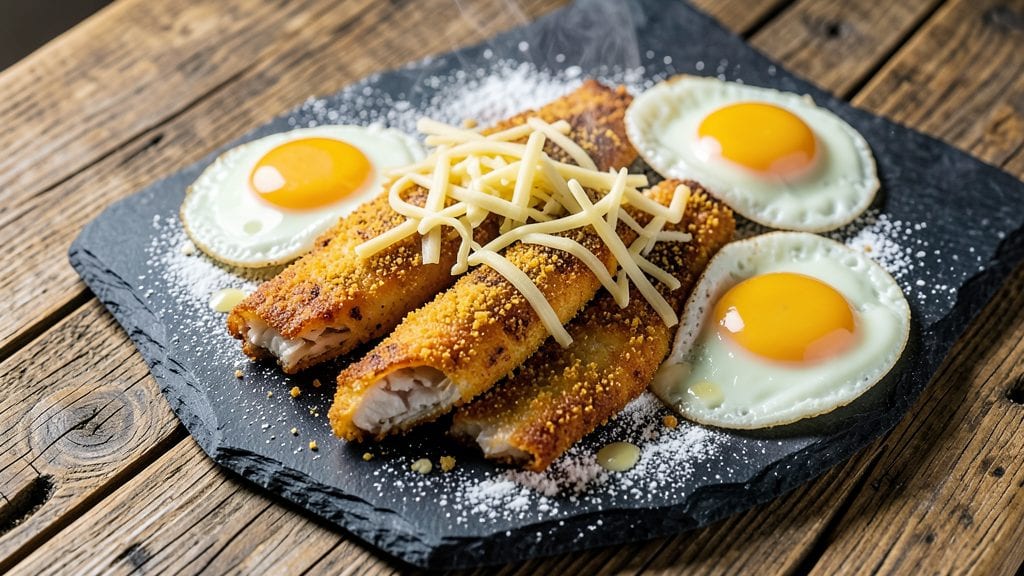
This catfish cheese recipe delivers the perfect balance of crispy cornmeal crunch and melty, pull-apart goodness that transforms a simple appetizer into an unforgettable centerpiece. The secret lies in a precise technique that ensures the fish stays tender while the cheese stretches into gooey perfection—no soggy bites here.
I developed this recipe after years of perfecting Southern-style fried catfish, and the addition of sharp cheddar creates a texture that's both satisfying and elegant. 💛
The foundation of this dish is a light cornmeal batter that creates an irresistible crunch, while the cheese—melted just enough to stretch—adds richness without overwhelming the delicate flavor of the catfish.
What sets this apart is the two-step cooking process: first frying the catfish to golden perfection, then melting the cheese in a way that creates those coveted pull-apart strands. It's a technique that might sound tricky, but once you try it, you'll never go back to plain fried fish again.
By the time you serve this dish, your guests will be reaching for seconds—crispy on the outside, tender on the inside, with cheese that melts into every bite. The aroma alone will draw everyone to the table, and the combination of textures makes it impossible to resist.
This recipe is perfect for game day gatherings, holiday appetizers, or when you want to impress without spending hours in the kitchen.
The beauty of this dish is its versatility—serve it as a standalone appetizer or pair it with a tangy remoulade sauce for dipping. The crispy catfish holds up well, so you can prepare it ahead and reheat just before serving.
Whether you're cooking for a crowd or treating yourself to a special bite, this recipe delivers restaurant-quality results with minimal effort.
Ingredients for catfish cheese
Crispy catfish meets melty cheese—just 13 ingredients for restaurant-quality bites.
| Ingredient | Amount | Notes |
|---|---|---|
| Catfish Fillets 🐟 | 1 ½ lb | Fresh or thawed, skin-on preferred |
| All-Purpose Flour 🌾 | ½ cup | For light coating before cornmeal |
| Fine Yellow Cornmeal 🌽 | ¾ cup | Not corn flour, for best texture |
| Sharp White Cheddar Cheese 🧀 | 1 cup | Shredded, 2-year aged preferred |
| Butter 🧈 | ½ cup | Unsalted, melted for cheese mixture |
| Eggs 🥚 | 1 whole | Large, lightly beaten for dredge |
| Vegetable Oil 🫒 | 2 cups | For frying, 350°F oil temp |
| Salt 🧂 | 1 ½ tsp | Kosher, for seasoning |
| Ground Black Pepper 🌶️ | ½ tsp | Freshly cracked for heat |
| Garlic Powder 🧄 | ½ tsp | For cornmeal seasoning |
| Paprika 🌶️ | ½ tsp | Smoked for color and depth |
| Lemon Wedges 🍋 | 2 whole | For serving, optional |
| Remoulade Sauce 🍅 | ½ cup | For dipping, store-bought or homemade |
The catfish is non-negotiable here. Fresh fillets from the seafood counter at Whole Foods or your local fishmonger make all the difference—look for bright, translucent flesh with no fishy odor. Skin-on fillets hold their shape better during frying, but skinless works too. If using frozen, thaw overnight in the fridge (never in warm water). The cheese? Sharp white cheddar aged at least 2 years is key—Cabot or Tillamook are solid choices. Pre-shredded gets clumpy, so grate your own from a block if possible. For the cornmeal, Bob's Red Mill is my go-to—it's finer than corn flour and gives that perfect crunch.
No sharp cheddar? Pepper jack or smoked gouda work in a pinch, but the flavor won't be the same. Short on cornmeal? Panko breadcrumbs at half the amount add crunch, though it won't be as golden. The remoulade sauce can be store-bought (check the spice level—Annie's is my favorite), or whip up a quick version with mayo, lemon juice, capers, and hot sauce. For the oil, vegetable or peanut oil works best—avoid olive oil, which burns at frying temps. The two-step cooking process (fry fish, then melt cheese) is what creates that magical pull-apart texture—don't skip it!
Keep the cornmeal mix in an airtight container for up to 1 month—it's perfect for coating chicken or shrimp too. The fried catfish reheats best in a 200°F oven for 10 minutes, wrapped in foil to keep it crispy. Cheese-coated portions? Eat within 2 hours of cooking or they'll get soggy. For game day prep, fry the fish ahead, store in the fridge, then melt the cheese just before serving. The remoulade sauce keeps for 1 week in the fridge—make extra for dipping other fried apps.
Why You'll Love This Recipe
- One-Pan Wonder: I swear by this recipe when I’m too tired to scrub pots—just flour, cornmeal, and a sprinkle of cheddar on the fillets before frying. The butter pools around the edges while the cheese melts into that tender fish, and honestly? One pan, one spatula, and I’m done.
- Crispy-Creamy Magic: That first bite—crunchy crust from the cornmeal and flour, then the gooey, sharp cheddar pulling apart—it’s like a hug for your taste buds. I’ll be real: my husband steals the last piece before I can even finish mine.
- Tailgate or Tuesday: Serve it with hushpuppies and a cold beer at a game, or toss it in a lunchbox with pickles and bread for a no-fuss workday meal. The cheese stays melted in a thermos, and the fillets hold up surprisingly well if you prep ahead.
- Budget-Friendly Feast: Catfish is cheaper than shrimp, and this recipe stretches it—two fillets feed my family of four with leftovers for lunch. (Yes, even on a Tuesday.) The cheddar adds richness without breaking the bank, and the cornmeal gives it that Southern diner vibe for half the cost.
Step-by-step instructions for crispy catfish cheese bites
Here's how to create that perfect balance of crunchy cornmeal crust and melty cheddar—every bite will be golden and pull-apart delicious.
👨🍳 Step 1: Prep the Catfish and Seasoning Mix
Pat the 1.5 lb catfish fillets completely dry with paper towels—this is non-negotiable for crispy crust. Season both sides generously with 1.5 tsp salt, 0.5 tsp ground black pepper, 0.5 tsp garlic powder, and 0.5 tsp paprika. I like to press the spices into the fillets so they stick.
In a shallow bowl, mix together 0.5 cup all-purpose flour, 0.75 cup fine yellow cornmeal, and 1 cup shredded sharp white cheddar cheese. This blend gives you the perfect texture: light from the flour, crunch from the cornmeal, and that irresistible cheddar pull. Keep this dry mixture ready for dredging.
🍳 Step 2: Create the Cheese Dredge and Fry Setup
In a separate bowl, whisk together 1 whole egg and 0.5 cup melted butter until smooth. This egg-butter mixture is what binds the cheese to the catfish and creates that golden crust. The butter adds richness that cuts through the fish's mild flavor.
Fill a deep skillet with 2 cups vegetable oil and heat it to 350°F—use a thermometer to be precise. Too hot and the crust burns before the cheese melts; too cool and the oil gets soggy. Let the oil heat for 5 minutes while you prep the catfish.
🥘 Step 3: Double-Dredge for Maximum Crunch
Dip each catfish fillet first into the egg-butter mixture, letting excess drip off. Then press it firmly into the flour-cornmeal-cheese mix, coating both sides completely. The cheese should stick to the cornmeal—if it doesn't, add a little more egg mixture. Place on a wire rack while you fry the first batch.
Carefully lower the coated fillets into the 350°F oil in batches—don't overcrowd or the oil temperature will drop. Fry for 3-4 minutes per side until golden brown and the cheese starts to bubble. You'll see little cheese bubbles form along the edges—that's your signal they're ready.
⏰ Step 4: Rest and Serve with Remoulade
Transfer the fried catfish to a paper towel-lined plate to drain excess oil for 2 minutes. This resting step is crucial—it lets the cheese set slightly so it doesn't all ooze out when you serve. The crust should be crispy enough to stand up to a toothpick test.
Serve immediately with 0.5 cup remoulade sauce for dipping and the 2 lemon wedges squeezed over the top. The contrast of cool remoulade with warm, melty cheese is what makes this dish sing. For extra fun, arrange them on a platter so the cheese strings pull apart dramatically when you serve.
Pro Tips For Making Catfish Cheese
- CRISP THE CORNMEAL: Use a hot, dry skillet for 30 seconds before adding the catfish—this toasts the cornmeal and gives it that perfect crunch instead of a soggy coating. I learned this the hard way when my first batch turned out like a sad, mushy pancake.
- SALT THE CHEESE: Grated sharp cheddar loses moisture fast, so toss it with a pinch of salt right after grating and let it sit for 5 minutes. This keeps it from turning into a gluey mess when it melts over the fish.
- DON’T OVERMIX THE BATTER: Stir the flour and cornmeal just until combined—lumpy is fine. Overworking it makes the coating dense instead of light and crispy. I used to beat it like I was making pancakes, and the texture suffered.
- COOK IN BATCHES: Crowd the pan, and the cheese will steam instead of brown. Work in small batches—two fillets max—so the butter stays hot and the cheese gets golden, not greasy. Yes, it takes longer, but it’s worth it.
Pro cooking tips for great catfish cheese
Oil Temperature Control
This is where most home cooks mess up—350°F is non-negotiable for that perfect golden crust without burning the cheese. I use a Thermoworks Smoke thermometer because it’s precise and hangs easily in the oil.
If your oil isn’t hot enough, the cheese will absorb oil and turn greasy instead of melting into those perfect strings. Test the temp by dropping in a pinch of cornmeal—it should sizzle and float immediately. 🌡️
Double-Dredging Technique
The secret to that crunchy-yet-melty texture lies in the double-dredge method. First coat the fish in the egg-butter mixture, letting excess drip off completely—this prevents a soggy crust. Then press firmly into the cornmeal-cheese blend, ensuring every inch is coated.
I like to use my fingers to press the cheese into the cornmeal so it adheres better. Pro tip: Work in batches to avoid overcrowding the fryer.
Cheese Melting Timing
Fry the catfish until the cheese starts to bubble and turn golden—this usually takes 3-4 minutes per side. If you pull it out too soon, the cheese won’t melt enough for that pull-apart magic.
But if you overcook, the crust burns before the cheese softens. I watch for those little cheese bubbles forming along the edges—they’re your cue to flip or remove. 💫
Resting for Crispiness
After frying, rest the catfish for 2 minutes on a wire rack (not paper towels—this keeps the crust crispy). Paper towels absorb too much oil and make the crust soggy.
The resting step also lets the cheese set slightly so it doesn’t all ooze out when you serve. Trust me, skipping this step ruins the texture—it’s worth the wait!
Batch Cooking Tips
Fry in small batches—overcrowding drops the oil temperature and leads to greasy results. I fry 2-3 pieces at a time in a 10-inch cast-iron skillet (like Lodge’s—it’s a game-changer). Keep the oil at 350°F between batches by adding a little more oil if needed.
If the oil smokes, let it cool slightly before proceeding. Patience here ensures perfect results every time. ⚡
Cheese Substitutions
If you don’t have sharp white cheddar, try pepper jack for a spicy kick or smoked gouda for depth. Avoid pre-shredded cheese—it’s coated with anti-caking agents that prevent proper melting. Instead, grate your own from a block.
For extra richness, mix in ¼ cup grated parmesan with the cheddar. The key is using aged cheeses—they melt cleaner and have more flavor. 🧀
Nutrition facts
Frequently asked questions
Can I use frozen catfish for this recipe?
Yes, but thaw it properly first. Place frozen fillets in the refrigerator overnight for even thawing—never use warm water or the fish will turn mushy. Pat completely dry before seasoning, as any moisture prevents the crust from sticking. For faster thawing, submerge sealed packaging in cold water (change every 30 minutes) until fully thawed, then pat dry immediately.
What's the best cheese substitute if I don't have sharp cheddar?
Try pepper jack for a spicy kick or smoked gouda for depth, but avoid pre-shredded cheese—it contains anti-caking agents that prevent proper melting. For extra richness, mix ¼ cup grated parmesan with your cheddar substitute. The key is using aged cheeses over 2 years old for cleaner melting and more flavor.
How do I keep the crust from getting soggy?
Three things: pat the fish bone-dry before coating, fry in 350°F oil (not too hot), and rest on a wire rack for 2 minutes after frying—not paper towels. The rack allows air circulation to maintain crispiness. Also, work in small batches to avoid overcrowding the fryer, which lowers oil temperature.
Can I make this recipe ahead of time?
Fry the catfish up to 2 days ahead and store in an airtight container in the fridge. Reheat in a 200°F oven for 10 minutes, wrapped in foil, then add fresh cheese coating just before serving. For game day prep, fry the fish ahead, store without cheese, then melt the cheese fresh to maintain that pull-apart texture.
Why did my cheese not melt properly?
Most likely, your oil wasn't hot enough (350°F) or you pulled the fish out too soon. The cheese should bubble and turn golden—look for those little bubbles along the edges. Also, pre-shredded cheese won't melt cleanly. Grate your own from a block and use aged cheeses (like 2-year sharp cheddar) for best results.