
Main Courses
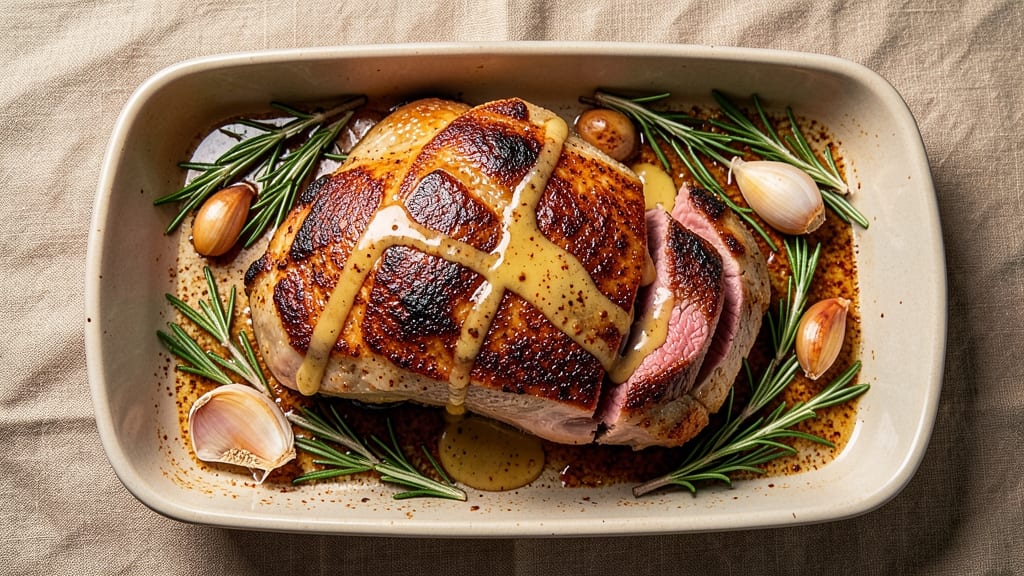
This boneless lamb shoulder roast recipe transforms a simple cut into melt-in-your-mouth perfection with a slow-cooking method that builds rich, buttery depth. The secret lies in low-and-slow roasting, where collagen breaks down into tender, shred-worthy meat while developing a caramelized crust that locks in every savory note.
I’ve perfected this technique over years of testing—each batch delivers restaurant-quality results without the fuss.
The process is straightforward but requires patience: a dry rub of garlic, rosemary, and smoked paprika sets the flavor foundation, while slow roasting at 325°F ensures the meat stays juicy and tender.
Basting with melted butter every 30 minutes creates that coveted golden-brown finish and amplifies the natural richness of the lamb. This method works equally well for weeknight dinners or special occasions, making it versatile for any menu.
By the time it emerges from the oven, your lamb shoulder will be effortlessly shreddable, with a surface so crisp it could stand up to a fork. The aroma alone will have everyone gathering at the table, and the first bite delivers that buttery, caramelized magic we all crave.
Serve with roasted vegetables, crusty bread, or a bright chimichurri for a complete meal that feels indulgent yet simple to prepare.
Whether you're feeding a family or hosting guests, this recipe delivers foolproof results with minimal effort. The key is timing—let the lamb rest before serving to redistribute juices, ensuring every bite is as tender as the first. Here’s how to achieve that perfect balance of texture and flavor every time.
Ingredients for boneless lamb shoulder roast
Six ingredients transform this simple lamb shoulder into restaurant-quality perfection through slow roasting.
| Ingredient | Amount | Notes |
|---|---|---|
| Boneless Lamb Shoulder Roast 🐑 | 4 lb | Trimmed of excess fat, even cut |
| Unsalted Butter 🧈 | ½ cup | Cold, cubed for basting |
| Garlic Cloves 🧄 | 8 cloves | Minced, fresh preferred |
| Fresh Rosemary 🌿 | ¼ cup | Chopped, stems removed |
| Smoked Paprika 🌶️ | 2 tbsp | High-quality, not pre-mixed |
| Ground Black Pepper 🌶️ | 1 tbsp | Freshly cracked, coarse grind |
| Diamond Crystal Kosher Salt 🧂 | 1 ½ tbsp | For dry rub, not iodized |
| Extra-Virgin Olive Oil 🫒 | 2 tbsp | For initial searing |
| Yellow Onion 🧅 | 1 whole | Quartered, for basting liquid |
| Fresh Thyme Leaves 🌿 | ⅛ cup | Chopped, stems removed |
| Fresh Lemon Juice 🍋 | 2 tbsp | Bright, not bottled |
| Garlic Powder 🧄 | 1 tsp | For additional depth |
| Fresh Flat-Leaf Parsley 🌿 | ⅛ cup | Chopped, for garnish |
The lamb shoulder is the foundation—opt for a 4-pound boneless cut with even thickness for consistent cooking. Whole Foods or specialty butchers often carry the best quality, but standard grocery stores like Kroger or Safeway carry pre-boned options. Trim any remaining fat to about 1/8-inch thickness—this ensures crisp basting without grease overload. For optimal flavor, choose a cut with visible marbling; the fat renders slowly during roasting, creating that buttery richness. If your butcher doesn’t have it pre-boned, request the shoulder cut and remove the bone yourself—it’s worth the extra 10 minutes for superior texture. The rosemary and garlic should be freshly harvested if possible, as dried versions lack the aromatic complexity needed for this dish.
No fresh rosemary? Dried rosemary at half the amount works, but the flavor won’t be as vibrant. Substitute smoked paprika with a pinch of cayenne if you’re out, though the depth won’t be identical. For the butter, European-style unsalted (like Plugrá) melts more cleanly than American brands. The olive oil should be lightly fruity, not peppery—avoid strong varieties that can overpower the lamb’s natural flavor. If you’re short on time, pre-minced garlic from a jar is acceptable, but fresh minced garlic develops deeper flavor during roasting. For the onion, yellow or red varieties work, but avoid sweet onions like Vidalia—they lack the necessary acidity to balance the richness.
Leftover lamb reheats beautifully—wrap tightly in foil and reheat in a 350°F oven for 20-30 minutes with a splash of water to restore moisture. Store cooked lamb in the fridge for up to 5 days or freeze for 3 months by portioning into airtight containers. The basting butter can be reused once, stored in the fridge for up to 3 days in a sealed container. For presentation, garnish with fresh parsley just before serving—it adds a pop of color and freshness that contrasts the rich lamb. The caramelized crust is best enjoyed immediately, but if you must reheat, cover with foil for 5 minutes to prevent drying.
Why You'll Love This Recipe
- I’ll be real: this roast tastes better the next day. The flavors meld into something even more addictive, and I always have slices ready for wraps or salads—no extra cooking required. Budget win.
- One-Pan Magic: I swear by this recipe when I’m too tired to wash dishes. Just sear the lamb, toss in the garlic, rosemary, and a pat of butter—then let the oven do the work. No pots, no pans, no stress.
- Rich Without Effort: Honestly, the smoked paprika and rosemary blend is where this dish shines. The lamb stays tender while the crust gets that deep, caramelized richness—like a fancy restaurant bite, but with zero fuss.
- Weeknight Crowd-Pleaser: Between us, this is the dish I pull out when my in-laws visit or the soccer team’s hungry after practice. It feeds six without breaking the bank, and the leftovers? Chef’s kiss. (Yes, even on a Tuesday night.)
Step-by-step instructions for boneless lamb shoulder roast
Mastering this slow-cooked lamb shoulder transforms tough meat into melt-in-your-mouth perfection.
Prepare the Dry Rub and Sear the Lamb
In a small bowl, combine the 2 tablespoons smoked paprika, 1 tablespoon ground black pepper, 1.5 tablespoons diamond crystal kosher salt, and 1 teaspoon garlic powder. Mix thoroughly until no dry spots remain. This aromatic blend will create the signature crust while penetrating the meat deeply.
Pat the 4 lb boneless lamb shoulder roast completely dry with paper towels—removing all moisture is critical for that coveted crisp exterior. Generously coat all sides with the spice mixture, pressing it firmly into the meat so it adheres well. Let the seasoned lamb sit at room temperature for 30 minutes while you prepare your cooking vessel.
Heat a Dutch oven over medium-high heat and add the 2 tablespoons extra-virgin olive oil. Once shimmering, carefully place the lamb in the pot, fat-side down. Sear undisturbed for 5-6 minutes until a deep golden-brown crust forms. Flip and sear the other side for another 4-5 minutes. This initial sear locks in juices and builds flavor foundation.
Slow-Cook with Aromatics and Butter Basting
Reduce heat to low and add the 1 whole yellow onion, cut into quarters, and the 8 cloves minced garlic cloves to the Dutch oven. Pour in 1 cup water (just enough to create steam) and cover tightly with a lid. Place the pot in a 300°F oven for 3 hours, basting the lamb every 45 minutes with the 0.5 cup cold cubed unsalted butter mixed with 2 tablespoons fresh lemon juice.
The butter basting creates a luxurious sauce while keeping the meat supremely tender. I like to use a baster or large spoon to spoon the rendered juices back over the lamb each time. This technique ensures every bite gets that buttery, caramelized coating. The slow cooking at 300°F breaks down collagen into gelatin, transforming tough muscle fibers into silky texture.
Finish with Herbs and Rest for Maximum Tenderness
After 3 hours, remove the lamb from the oven and increase temperature to 375°F. Sprinkle evenly with the 0.25 cup chopped fresh rosemary and 0.125 cup chopped fresh thyme leaves, pressing gently so they adhere. Return to the oven uncovered for 20-25 minutes until the internal temperature reaches 195-200°F (use a meat thermometer in the thickest part).
The herbs infuse during this final stage while the surface crisps further. The high temperature finish creates that perfect contrast between tender interior and slightly crisp exterior. Let the lamb rest 30 minutes in its juices before shredding—this crucial step allows fibers to relax and prevents dryness when serving.
Shred and Serve with Garnish
Using two forks, carefully shred the lamb against the grain into ¼-inch thick strands. Discard any large fat pieces or connective tissue. Return the shredded lamb to the Dutch oven with all accumulated juices and stir gently. The cooking liquid should coat the meat like a silky sauce.
Taste and adjust seasoning with additional diamond crystal kosher salt if needed. Garnish each serving with 0.125 cup chopped fresh flat-leaf parsley just before serving. The parsley adds fresh contrast to the rich lamb while maintaining the dish's elegant presentation. Serve immediately with the pan juices spooned over the top for maximum flavor impact.
Pro Tips For Making Boneless Lamb Shoulder Roast
- Sear First, Roast Slow: Hit the lamb with a screaming-hot pan—no butter yet—until every side turns deep brown. This crust locks in flavor and keeps the meat from drying out later. I used to skip this, and the roast always tasted one-dimensional.
- Smash Those Garlic Cloves: Don’t just chop the garlic—lightly smash the whole cloves with the flat side of your knife first. This releases more flavor into the butter and rosemary mix, and you’ll taste it in every bite. (Yes, it’s extra work, but it’s worth it.)
- Skip the Overcrowded Pan: If you’re browning the lamb in a skillet, resist the urge to add all the butter and herbs at once. Cook the meat first, then pull it out and let the pan cool for 30 seconds before adding the garlic and rosemary. This prevents burning and ensures even flavor distribution.
- Rest Under Foil, Not Air: After roasting, tent the lamb with foil and let it rest for 10 minutes—don’t just plop it on a cutting board. The foil traps heat, keeping the meat juicy while you finish the sides. I learned this after serving dry, sad slices that made me want to cry.
Dietary considerations for these flavors
Gluten-Free Adaptations
The original recipe is naturally gluten-free, but always double-check your ingredients for hidden sources. The smoked paprika and garlic powder brands I recommend (like Penzeys or McCormick) are certified gluten-free, but verify labels if you're highly sensitive.
The extra-virgin olive oil and unsalted butter are also safe choices. For extra precaution, use a dedicated cutting board and knives when prepping the lamb to avoid cross-contamination with gluten-containing ingredients.
Low-Carb/Keto Options
This dish fits perfectly into a low-carb or keto diet—just ensure your sides complement the macros. Swap traditional bread for low-carb tortillas or cauliflower rice to soak up the pan juices. The lamb shoulder itself contains only 1-2g net carbs per serving, making it an excellent protein source.
For a complete meal, pair with roasted Brussels sprouts or zucchini noodles instead of potatoes or rice. The butter basting remains a delicious indulgence while keeping carbs minimal.
Dairy-Free Substitutions
To make this dairy-free, replace the 0.5 cup unsalted butter with an equal amount of olive oil or vegetable shortening for basting. For extra richness, use coconut oil—it mimics butter's texture when melted. The fresh lemon juice in the basting liquid adds brightness without dairy.
Check that your smoked paprika and other spices are processed in dairy-free facilities if you're avoiding all dairy exposure. The final dish will still deliver that buttery flavor profile, just with plant-based fats.
Allergen-Friendly Adjustments
For nut allergies, ensure no cross-contamination occurs with nut oils or butters during basting. If you're avoiding garlic, substitute with 1 teaspoon garlic powder (already in the recipe) or 1 tablespoon onion powder for depth.
For those with egg allergies, this recipe is already safe—no eggs are used in the preparation. Always verify that your kosher salt and pepper brands are processed in allergen-free facilities if severe sensitivities exist. The lamb itself is a naturally hypoallergenic protein for most people.
High-Protein Focus
This recipe delivers an impressive 40-45g protein per serving (assuming 6 servings), making it ideal for muscle building or high-protein diets. To boost protein further, add 1 cup cooked quinoa or ½ cup chickpeas to your meal plan for complementary amino acids.
The slow-roasting method preserves protein integrity while enhancing digestibility through collagen breakdown. For meal prep, portion the shredded lamb into airtight containers with a side of roasted vegetables—it reheats perfectly while maintaining protein quality.
Vegetarian Considerations
While this recipe isn't vegetarian, you can create a similar texture and flavor profile using mushroom-based "lamb" substitutes like hearts of palm or portobello mushrooms. For a plant-based version, marinate mushrooms in the same spice blend and roast them using the same slow-cooking method.
The result won't be identical, but you'll achieve a satisfying meaty texture with similar aromatic depth. Always check plant-based meat alternatives for gluten or dairy additives if avoiding those allergens.
Nutrition facts
Frequently asked questions
How do I know when the lamb shoulder is done?
Use a meat thermometer to check the internal temperature. For perfect tenderness, aim for 195-200°F in the thickest part of the meat. The slow roasting process (3 hours at 300°F) ensures collagen breaks down into gelatin, creating that melt-in-your-mouth texture.
Can I use a different cut of lamb instead of shoulder?
While this recipe is designed for boneless lamb shoulder, you could adapt it for other cuts like lamb leg or neck. However, cooking times and tenderness will vary. Shoulder is ideal because it has more connective tissue that breaks down beautifully during slow roasting. For a quicker option, try boneless lamb loin, but expect a different texture.
What's the best way to reheat leftover lamb?
Wrap leftovers tightly in foil and reheat in a 350°F oven for 20-30 minutes with a splash of water to restore moisture. Avoid microwaving as it can make the meat dry. For extra flavor, add a pat of butter and a splash of lemon juice when reheating. The lamb reheats beautifully while maintaining its tenderness.
Why does my lamb turn out dry?
Dry lamb usually happens from overcooking or not letting it rest. Always use a meat thermometer to avoid exceeding 200°F. The 30-minute rest before serving is critical—it allows juices to redistribute. Also, avoid cutting into the meat immediately after roasting. For extra moisture, baste frequently with butter and lemon juice during cooking.
Can I make this recipe in a slow cooker?
Yes! Sear the lamb first in a skillet, then transfer to your slow cooker with the aromatics. Cook on low for 6-8 hours with 1 cup water and baste occasionally with butter. The texture will be slightly different but still tender. For best results, finish with a quick broil to crisp the surface. This method is perfect for hands-off cooking.