
Main Courses
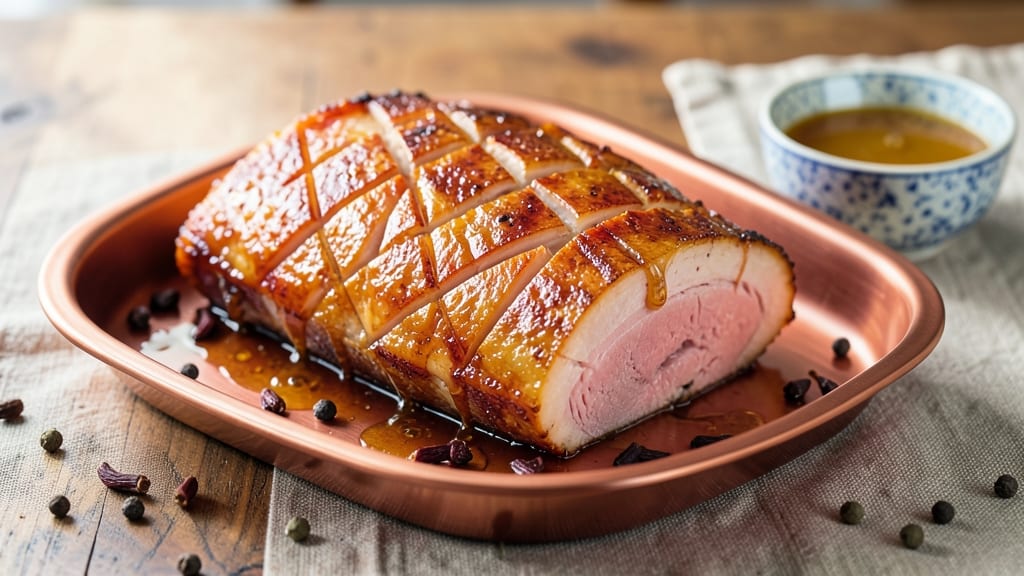
Betty Crocker's baked ham recipe delivers that golden, glistening crust and tender, flavorful meat that makes every holiday table shine. The secret lies in a precise balance of seasoning, baking technique, and a rich glaze that caramelizes into perfection.
I’ve refined this method over years of holiday hosting, ensuring the ham stays juicy while developing a crisp exterior that’s impossible to resist.
This recipe works beautifully with both pre-cooked hams (like spiral-cut or bone-in varieties) and fresh hams, offering flexibility for any celebration. The 325°F oven temperature ensures even cooking, while the 10-minute glaze-basting step before the final 20 minutes creates that signature crust.
Whether you’re preparing for Thanksgiving, Christmas, or a special Sunday dinner, this method guarantees a ham that’s the star of the meal.
The result is a ham with a caramelized, crackling crust and moist, savory meat that slices effortlessly. The glaze—sweet, tangy, and slightly sticky—adds depth, while the seasoning blend infuses every bite with warmth.
Pair it with classic sides like scalloped potatoes, honey-glazed carrots, or a fresh green salad to complete the meal.
For those short on time, pre-seasoned or pre-brined hams cut preparation down significantly—just follow the glaze instructions for the same restaurant-quality finish. Let’s get started on creating a ham that’ll have everyone asking for seconds.
Ingredients for betty crocker baked ham
Core ingredients for a ham with restaurant-quality crust and moist, flavorful meat.
| Ingredient | Amount | Notes |
|---|---|---|
| Pre-Cooked Bone-In Ham 🍖 | 8 lb | Spiral-cut or whole, center-cut preferred |
| Brown Sugar 🍯 | 1 cup | Packed, light or dark variety |
| Honey 🍯 | ½ cup | Pure, unfiltered preferred |
| Dijon Mustard 🥫 | ¼ cup | High-quality, smooth variety |
| Orange Juice 🍊 | ½ cup | Freshly squeezed, no pulp |
| Cloves 🌿 | 10 whole | Whole, for studding ham |
| Black Peppercorns 🌶️ | 1 tbsp | Freshly cracked, coarse grind |
| Ground Cinnamon 🌿 | 1 tsp | Freshly ground preferred |
| Ground Nutmeg 🌿 | ½ tsp | Freshly grated for depth |
| Unsalted Butter 🧈 | ½ cup | Cold, cubed for basting |
| Fresh Rosemary 🌿 | ¼ cup | Finely chopped, fresh preferred |
| Fresh Thyme 🌿 | ¼ cup | Finely chopped, fresh preferred |
| Diamond Crystal Kosher Salt 🧂 | 1 tsp | For seasoning during baking |
The ham selection is critical—bone-in varieties from Hormel or Smithfield deliver superior flavor and moisture retention. Opt for a center-cut ham to minimize fat and maximize tenderness. Pre-cooked hams simplify preparation, but for a more authentic experience, consider a fresh ham brined overnight. Whole Foods or local butcher shops often carry premium cuts with better marbling. If using a pre-cooked ham, check the label for recommended internal temperature—this recipe assumes a starting point of 140°F internal temperature.
Brown sugar is non-negotiable for caramelization—light or dark both work, but light has a cleaner finish. Substitute maple syrup at a 1:1 ratio if you prefer a deeper color. Dijon mustard adds tang, but whole-grain mustard thinned with water works in a pinch. For orange juice, freshly squeezed navel or Valencia oranges provide the best balance of sweetness and acidity. The spices—cloves, cinnamon, and nutmeg—should be freshly ground or whole for maximum aroma. Pre-ground spices lose potency quickly, so invest in whole spices if you entertain often. Butter for basting should be cold and cubed to prevent premature melting.
Store fresh herbs in damp paper towels wrapped in plastic for up to 5 days in the fridge. Brown sugar can be stored in an airtight container for 6 months, while honey lasts indefinitely. Pre-measure all glaze ingredients in a small mixing bowl to streamline basting. Leftover glaze keeps for 1 month refrigerated and can be reheated gently for additional basting. For a make-ahead option, prepare the ham up to 24 hours in advance, refrigerate uncovered, then reheat at 325°F for 15 minutes before glazing.
Why You'll Love This Recipe
- No Glaze Stress: This recipe’s magic is in the glaze—just slather that sticky honey-brown sugar mix over the ham, add a splash of orange juice, and let the oven do the work. No whisking, no straining, no second-guessing if it’s thick enough. (Between us, I’ve burned glaze before. This method forgives mistakes.)
- Sweet-Savory Magic: That Dijon mustard cut through the sweetness like a knife, giving it depth you’d never guess from the ingredients alone. The orange juice brightens it up so it doesn’t taste like a dessert—more like a celebration on a plate. Honestly, my picky uncle asked for seconds.
- Holiday or Weeknight: Serve it sliced thin for Thanksgiving leftovers, or carve it into ham sandwiches by Wednesday. The glaze keeps well, so you’re not stuck with dry ham—just reheat and enjoy. (Yes, even on a Tuesday night.)
- Leftovers That Don’t Suck: This ham stays juicy for days, and the glaze? Even better reheated. I’ve turned it into breakfast hash, sliders, and even a pot pie—no waste, all flavor. My freezer’s full of it because it’s that reliable.
Step-by-step instructions for betty Crocker's baked ham recipe
Transform your pre-cooked ham into showstopping centerpiece perfection with this time-tested glaze technique.
Prepare the Ham for Even Cooking
Begin by removing the ham from its packaging and placing it cut-side down in a roasting pan. If your ham isn't spiral-cut, score the fat cap in a diamond pattern with a sharp knife, cutting about ½-inch deep and 1-inch apart. This creates channels for the glaze to penetrate deeply and ensures even caramelization.
Preheat your oven to 325°F—this gentle temperature prevents the exterior from over-browning while allowing the ham to warm through evenly. Line the bottom of the pan with aluminum foil to catch any drippings that might otherwise create a smoky flavor. Place the ham on a wire rack set inside the pan to allow hot air to circulate completely around all surfaces.
Create the Signature Glaze
In a medium saucepan, combine 1 cup packed brown sugar, ½ cup honey, ¼ cup Dijon mustard, ½ cup freshly squeezed orange juice, and ½ cup cold unsalted butter cut into cubes. Bring the mixture to a gentle simmer over medium heat, stirring constantly with a wooden spoon to prevent scorching.
Simmer for 8-10 minutes until the glaze thickens noticeably and coats the back of a spoon. The color should deepen to a rich amber hue, and you'll notice a distinct caramel aroma developing. Remove from heat and let cool slightly for 2 minutes—this prevents the glaze from steaming off when applied to the hot ham. While the glaze cools, finely chop ¼ cup fresh rosemary and ¼ cup fresh thyme and set aside.
Season and Glaze the Ham
Using a sharp paring knife, gently loosen the skin over the ham's fatty portions. This creates a pocket where the glaze can nestle against the meat, ensuring maximum flavor penetration. Stud the ham with 10 whole cloves and 1 tablespoon freshly cracked black peppercorns, pressing them gently into the meat through the skin.
Stir the chopped rosemary and thyme into the cooled glaze, then brush approximately ⅓ of the mixture evenly over the ham's surface, including the scored fat cap. Sprinkle with 1 teaspoon ground cinnamon and ½ teaspoon freshly grated nutmeg, pressing the spices into the meat to create a fragrant crust. The remaining glaze should be reserved for basting later.
Bake to Golden Perfection
Place the ham in the preheated oven and bake for 1 hour and 45 minutes, or until the internal temperature reaches 140°F when measured in the thickest part of the ham. Every 30 minutes, brush the ham with additional reserved glaze and sprinkle with ½ teaspoon Diamond Crystal kosher salt—this builds layers of flavor and creates that coveted glossy finish.
Watch closely during the final 15 minutes of baking. The ham is ready when the glaze has caramelized to a deep golden brown and forms a crackly crust. If the glaze begins to darken too quickly, tent the ham loosely with aluminum foil to prevent over-browning. The aroma should be intoxicating—sweet, spiced, and unmistakably festive.
Rest and Serve with Confidence
Remove the ham from the oven and transfer it to a cutting board. Let it rest for 15-20 minutes before carving—this crucial step allows the juices to redistribute, ensuring each slice remains succulent. The glaze will continue to set slightly during this time, developing even more depth of flavor.
Slice the ham against the grain into ¼-inch thick portions and arrange on a warm serving platter. The result should be a ham with a spectacular glossy crust, tender meat infused with citrus and herbal notes, and a perfect balance of sweet, tangy, and spiced flavors. Serve immediately with the remaining glaze spooned over the top for maximum presentation. This is the ham that will have your guests asking for seconds—and requesting the recipe.
Pro Tips For Making Betty Crocker Baked Ham
- Preheat Pan for 15 Minutes: Slap that roasting pan in the oven while it’s still cold—yes, even if the recipe doesn’t say it. I learned this the hard way when my glaze stuck like glue because the pan wasn’t hot enough to caramelize. Fifteen minutes at 350°F gets it ready, and the ham won’t slide around when you transfer it.
- Whisk the Glaze First: Don’t just dump the brown sugar, honey, and mustard on the ham and call it a day. Mix those ingredients in a bowl with a whisk or fork until the sugar dissolves—otherwise, you’ll end up with clumpy, uneven glaze. Trust me, your ham will look (and taste) way more polished.
- Skip the Crowding: If you’re baking this in a small pan, resist the urge to stack veggies or sides around the ham. The glaze needs room to breathe and crisp up, not steam under a mountain of potatoes. Give it at least an inch of space on all sides—your glaze will thank you.
- Brush Twice, Not Once: The recipe might say to glaze the ham once, but I double-brush it—first halfway through baking, then again 10 minutes before the end. The first coat seals in moisture, and the second gives that sticky, restaurant-worthy shine. (Yes, it’s extra work, but it’s worth it.)
Perfect pairings for these flavors
Glaze Variations
For a brown sugar-free option, swap the brown sugar for ½ cup maple syrup and ½ cup molasses, then reduce the honey to ¼ cup. This creates a deeper, molasses-forward flavor with a glossy finish.
I’ve found this works especially well with spiral-cut hams where you want a stickier, more clinging glaze. 🍯
Cranberry lovers will adore this twist: blend ½ cup dried cranberries with 2 tbsp port wine and 1 tsp cinnamon, then fold into the glaze after simmering. The tart-sweet contrast elevates the ham’s richness. Reserve this for holiday meals—it’s a crowd-pleaser that pairs perfectly with savory stuffing.
Side Dish Harmony
Scalloped potatoes take center stage as the ultimate ham companion. Use Yukon Gold potatoes thinly sliced, layered with ½-and-½ cream cheese and sharp cheddar, then baked until golden. The creamy texture contrasts beautifully with the ham’s caramelized crust. I like to add a pinch of nutmeg to the potato mixture for a cohesive flavor bridge. 🥔
For a lighter option, serve honey-glazed carrots with a sprinkle of toasted pecans and fresh thyme. Toss 2 lbs carrots in ¼ cup honey, 1 tbsp butter, and 1 tsp black pepper, then roast at 400°F for 25 minutes.
The nutty crunch cuts through the ham’s richness while keeping the meal balanced.
Beverage Pairings
A dry Riesling from Germany—like Dr. Loosen Blue Slate—is my go-to wine pairing. Its crisp acidity and hints of citrus mirror the ham’s glaze, while its mineral notes complement the savory spices. Serve slightly chilled to enhance the refreshing contrast. 🍷
For non-alcoholic options, sparkling apple cider with a cinnamon stick garnish is festive and refreshing. Brands like Martinelli’s or Woodchuck work perfectly, especially during Thanksgiving or Christmas dinners. The effervescence cleanses the palate between bites of rich ham.
Make-Ahead Glaze
Prepare the glaze up to 3 days in advance and store it in an airtight container in the refrigerator. When ready to use, reheat gently in a saucepan over low heat, stirring until smooth.
This shortcut saves time on busy days while maintaining the glaze’s depth of flavor. Just avoid reheating to a full boil to prevent sugar crystallization. ⏰
For the ham itself, you can glaze it the night before and refrigerate uncovered. The next day, bake at 325°F for 15 minutes to reheat and caramelize the glaze.
This method works beautifully for large gatherings where you want to minimize last-minute stress. Just tent with foil if the glaze starts to darken too quickly.
Nutrition facts
Frequently asked questions
Can I use this recipe with a fresh (uncooked) ham?
This recipe is designed for pre-cooked hams only, as fresh hams require a longer cooking time and different seasoning approach. For fresh ham, you'll need to brine it overnight and cook at 325°F for 20-25 minutes per pound until it reaches 145°F internal temperature. The glaze can still be used as a finishing touch after cooking.
How do I adjust the recipe for a smaller ham?
For hams under 6 pounds, reduce all glaze ingredients by 25% (use ¾ cup brown sugar, ⅓ cup honey, etc.). Keep the same baking time but check the internal temperature at 1 hour—smaller hams cook faster. The key is maintaining the 325°F temperature for even cooking.
Why is my glaze turning too dark or burning?
This usually happens when the oven runs hot or the glaze sits too long before basting. Keep the oven at 325°F (not higher) and brush the glaze every 30 minutes during baking. If it darkens too quickly, tent the ham loosely with foil for the final 10 minutes to prevent over-browning. The glaze should be amber, not black.
Can I make this ham ahead of time?
Yes! Glaze the ham up to 24 hours ahead and refrigerate uncovered. The next day, bake at 325°F for 15 minutes to reheat and caramelize the glaze. For best results, tent with foil if the glaze starts to darken too quickly during reheating. This is perfect for holiday prep.
What's the best way to reheat leftover ham?
Slice the ham and reheat in a skillet with 1 tablespoon butter and 1 tablespoon orange juice over medium-low heat for 5-7 minutes. Alternatively, wrap slices in foil and warm in a 350°F oven for 10 minutes. Avoid microwaving—it makes the meat dry.