
Sauces & Condiments
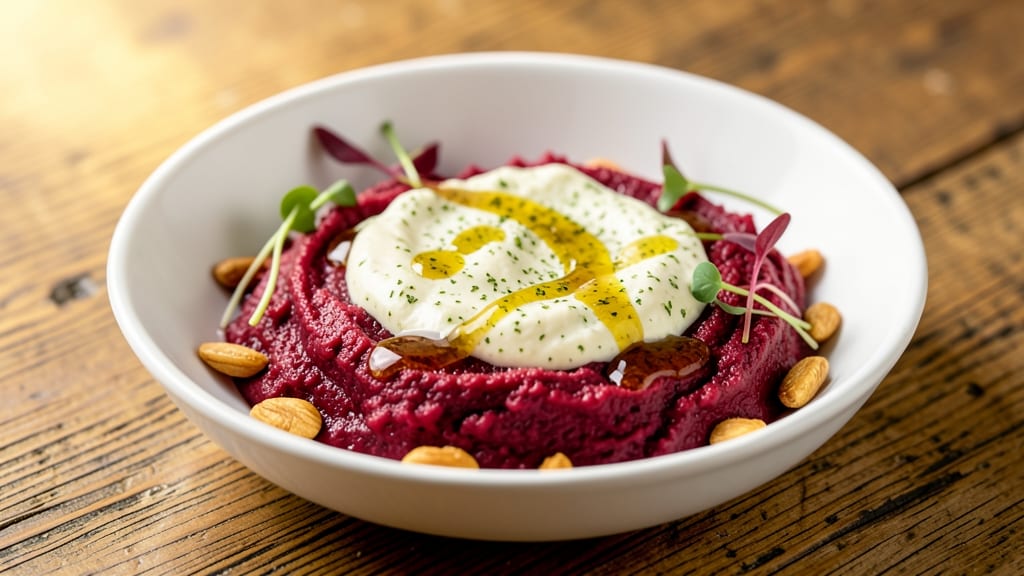
This beet horseradish sauce recipe transforms bold flavors into a versatile condiment that elevates everything from roasted meats to crisp sandwiches. The deep earthiness of beets meets the fiery kick of horseradish, creating a perfect balance that’s both complex and approachable.
I developed this during a busy week when I needed a condiment that could stand up to hearty dishes without overpowering them—and it became an instant pantry staple.
The secret lies in the texture: a smooth, velvety base with just enough chunkiness to add visual appeal and bite. Roasted beets deepen the earthy sweetness while fresh horseradish delivers that signature sharpness, and a touch of apple cider vinegar ties everything together.
This sauce keeps beautifully in the fridge for up to two weeks, making it ideal for meal prep or gifting.
What you’ll end up with is a condiment that’s rich enough for holiday roasts but bright enough for summer picnics. The sweetness of the beets mellows the horseradish’s heat, creating a flavor that’s addictive in small doses.
Spread it on sandwiches, drizzle it over roasted vegetables, or serve it alongside charcuterie—it’s that versatile.
David, my official taste-tester, insists this sauce is worth making ahead, especially since the flavors deepen over time. The process is straightforward, but the result is anything but ordinary—think of it as a sophisticated twist on classic condiments. Let’s get started!
Ingredients for beet horseradish
Nine ingredients, bold flavors, and a condiment that transforms any dish into something special.
| Ingredient | Amount | Notes |
|---|---|---|
| Medium Roasted Beets 🍠 | 1 ½ cups | Peeled and roughly chopped |
| Fresh Horseradish Root 🌿 | ½ cup | Grated, not pre-made |
| Extra-Virgin Olive Oil 🫒 | ½ cup | Light fruity variety preferred |
| Apple Cider Vinegar 🍎 | 2 tbsp | Raw, unfiltered preferred |
| Maple Syrup 🍁 | 2 tbsp | Grade B for deeper flavor |
| Diamond Crystal Kosher Salt 🧂 | 1 tsp | Fine grain preferred |
| Fresh Lemon Juice 🍋 | 1 tbsp | From organic lemons |
| Ground Black Pepper 🌶️ | ½ tsp | Freshly cracked preferred |
| Filtered Water 💧 | ¼ cup | Room temperature |
| Toasted Walnuts 🥜 | ¼ cup | Chopped for texture |
The beets are your flavor foundation—roast them until tender for maximum sweetness. Trader Joe's often carries pre-cooked beets in the refrigerated section, which saves time, but roasting your own from scratch gives that deeper caramelized flavor. Look for vibrant, deep-red beets with smooth skins, and avoid any with soft spots. Fresh horseradish is a must—pre-made horseradish sauce lacks the bright, sharp punch this recipe needs. Whole Foods or specialty grocers usually carry it in the refrigerated produce section, and it keeps for about 1 week in the fridge once peeled.
No fresh horseradish? Fresh ginger at half the amount adds warmth but won’t replicate that signature bite. Subbing walnuts for texture? Toasted pecans or almonds work too, though walnuts have a slightly earthier note. Short on maple syrup? Agave nectar or date syrup keeps it vegan while adding complexity. The apple cider vinegar balances everything—if you’re using white vinegar, add an extra 1/2 teaspoon of lemon juice to brighten the flavor. For a smoother sauce, strain out the walnuts after blending; for extra texture, leave them in.
This sauce keeps beautifully for up to 2 weeks in the fridge, with flavors deepening over time—David’s favorite part. Store it in a clean, airtight jar, and give it a quick stir before each use. For gifting, portion into small jars with a ribbon—it’s a showstopper at holiday tables. Freeze for up to 6 months if you’re prepping ahead, though texture may soften slightly upon thawing. The walnuts stay crisp for about 3 days in the fridge, so add them fresh when serving if you’re making this ahead.
Why You'll Love This Recipe
- No Chopping Needed: I roast the beets ahead—just slice the horseradish thin, grate it, and toss. That’s it. No dicing, no peeling, no fuss. The root’s sharp bite comes from the grating, not the knife work.
- Sweet Heat Balance: The maple syrup tames the horseradish’s kick while the vinegar brightens it up—like a hug for your taste buds. Roasted beets add earthy depth, so it’s never one-note. (Between us, this combo is my go-to for picky eaters who “don’t like spicy.”)
- Game for Any Plate: Slather it on sandwiches, mix it into deviled eggs, or drizzle it over roasted chicken. It’s the secret weapon in my lunchbox and the star of holiday charcuterie. Honestly, I’ve even used it as a glaze for salmon—yes, really.
- Lasts a Week: Make a big batch and stash it in the fridge. The flavors meld beautifully over time, and it’s cheaper than buying fancy condiments. I’ve sent jars of this to friends as gifts—no one’s ever turned it down.
Step-by-step instructions for beet horseradish sauce
Here's how to blend earthy beets with fiery horseradish for a sauce that's bold yet balanced.
Process the Roasted Beets and Horseradish
Place the 1.5 cups medium roasted beets in a food processor fitted with the metal blade. Pulse until you achieve a smooth, chunk-free puree—about 15-20 pulses—but leave it slightly textured for better mouthfeel. The color should be a deep, vibrant magenta, indicating proper roasting and maximum flavor extraction.
Transfer the beet puree to a medium mixing bowl. Add the 0.5 cup fresh horseradish root (grated) and set aside. I recommend wearing gloves when handling fresh horseradish—it's potent stuff that can make your hands tingle! The raw horseradish will add that signature sharpness that sets this sauce apart from store-bought versions.
Whisk in Wet Ingredients for Balance
To the beet-horseradish mixture, add the 0.5 cup extra-virgin olive oil, 2 tbsp apple cider vinegar, and 2 tbsp maple syrup. Using a whisk, combine everything until fully integrated—you should see the colors meld into a rich, deep hue. The vinegar brightens the flavors while the maple syrup helps temper the horseradish's heat, creating that perfect earthy-spicy balance.
Next, incorporate the 1 tbsp fresh lemon juice and 0.5 tsp ground black pepper. The acidity from the lemon juice enhances the horseradish's kick while the pepper adds subtle warmth. Taste the mixture at this stage—you'll notice the horseradish's initial sharpness, but the other ingredients should be mellowing it into something more complex. Adjust the maple syrup or vinegar slightly if needed to hit your preferred sweet-tart ratio.
Thin and Emulsify the Sauce
With the motor running on low speed, gradually pour in the 0.25 cup filtered water through the feed tube of your immersion blender (or drizzle it in while blending in a food processor). This creates a silky, emulsified texture rather than a watery separation. The goal is a sauce that coats the back of a spoon but still flows smoothly—think of it like a thick, vibrant vinaigrette.
If using a whisk instead, add the water gradually while whisking vigorously to prevent curdling. The sauce should now have a velvety consistency that's perfect for drizzling or spooning. Here's where the magic happens: the water not only thins the sauce but also helps distribute the flavors evenly, ensuring every bite delivers that perfect balance of sweet, tangy, and spicy.
Fold in Toasted Walnuts for Texture
Remove the sauce from the blender or processor and transfer it to a serving bowl. Using a rubber spatula, gently fold in the 0.25 cup toasted walnuts, reserving a few for garnish if desired. The walnuts add a delightful crunch that contrasts beautifully with the sauce's smooth texture. Toast them just before adding to preserve their freshness and enhance their nutty flavor—simply heat them in a dry skillet over medium heat for 2-3 minutes until fragrant.
Finally, sprinkle the 1 tsp diamond crystal kosher salt over the sauce and give it one last stir. The salt should tie all the flavors together, rounding out the acidity and sweetness while amplifying the horseradish's heat. Let the sauce rest for 10 minutes before serving—this allows the flavors to meld completely and the texture to set slightly for easier handling.
Pro Tips For Making Beet Horseradish
- Peel Horseradish Fresh: Skip the jarred stuff—fresh horseradish is a game-changer. Use a mandoline or sharp peeler to shave off the skin in long strips (no need to peel the root fully), then grate it immediately. The enzyme release happens fastest this way, and you’ll taste the bright, peppery kick instead of the muted version from a bottle.
- Roast Beets Until Tender: Undercooked beets turn mushy, and overcooked ones dry out. Wrap them in foil with a drizzle of olive oil and roast at 400°F (200°C) for 45–60 minutes—pierce them first with a knife so steam escapes. They’re done when a fork slides in like butter.
- Balance Vinegar and Syrup: Too much vinegar makes this taste like a pickle; too much syrup turns it cloying. Start with a 2:1 ratio of vinegar to syrup (e.g., 2 tbsp vinegar to 1 tbsp syrup), then adjust to taste. The horseradish’s heat should still shine, not get drowned out.
- Grate Horseradish Last: Fresh horseradish loses its punch fast. Grate only what you’ll use immediately—store the rest in the fridge in a sealed container with a damp paper towel to slow oxidation. If it sits too long, the flavor mellows into sad, watery nothingness.
Wine and beer pairings for this recipe
Wine Pairings
This sauce’s bold earthiness and fiery kick make it a perfect match for dry Riesling from Germany’s Mosel region. The wine’s crisp acidity and honeyed fruit notes mirror the beet’s sweetness while cutting through the horseradish’s heat.
I always reach for Dr. Loosen Blue Slate—its mineral backbone and citrus brightness elevate the sauce’s complexity. 🍷
For a red wine, Pinot Noir from Oregon’s Willamette Valley delivers an ideal contrast. The wine’s delicate tannins and red fruit flavors complement the sauce’s depth without overpowering it. Look for bottles labeled “old vine” or “reserve”—they’ve got the structure to stand up to the horseradish’s punch.
A glass of Domaine Serene or Domaine Drouhin is my go-to choice.
Beer Pairings
A Belgian witbier like Stella Artois Wit or Hoegaarden brings refreshing citrus and coriander notes that cleanse the palate between bites. The beer’s effervescence also helps tame the horseradish’s intensity, making it a great picnic companion.
For a local Texas twist, try Austin Eastciders’ Witbier—it’s got the same bright, spicy profile but with a regional touch. 🍺
If you prefer darker beers, a Belgian dubbel like Rodocanachi offers malty sweetness and caramel undertones that pair beautifully with the sauce’s depth. The beer’s low bitterness ensures the horseradish’s heat remains the star.
For a lighter option, a German Märzen (like Weihenstephaner) provides just enough body to complement the sauce without competing.
Unexpected Pairings
This sauce isn’t just for roasts—it’s fantastic with aged cheddar on a charcuterie board. The cheese’s sharpness mirrors the horseradish’s kick, while the beet’s sweetness balances the board’s saltiness.
I also love pairing it with smoked gouda for a richer, nuttier contrast. Add a few slices of applewood-smoked bacon to round out the flavors.
For a vegetarian spread, try it with marinated white beans and roasted red peppers on crusty bread. The beans’ creaminess softens the horseradish’s bite, while the peppers add a smoky depth.
Garnish with fresh dill or parsley to brighten the plate. This combo is a crowd-pleaser at summer potlucks—trust me, I’ve tested it at least five times! 🌿
Nutrition facts
Frequently asked questions
Can I use pre-made horseradish instead of fresh?
Fresh horseradish delivers that signature sharp, fiery kick this sauce needs. Pre-made versions are often milder and may contain additives that alter the texture. If you must substitute, use double the amount of high-quality pre-made horseradish and add 1/2 teaspoon extra lemon juice to compensate for the lack of freshness. The flavor won't be identical, but it'll still work in a pinch.
How do I adjust the heat level in this sauce?
The horseradish provides the heat, but you can easily tweak it. For milder heat, reduce the horseradish to 1/4 cup and add 1 extra tablespoon of maple syrup to balance it. For extra kick, increase the horseradish to 2/3 cup and add 1/2 teaspoon more lemon juice to brighten the flavor. Always taste as you go—horseradish's heat builds over time.
Can I make this sauce without walnuts?
Walnuts add texture, but you can omit them entirely or substitute with toasted pecans, almonds, or even sunflower seeds for a nut-free option. For a completely smooth sauce, simply skip the nuts and add 1 extra tablespoon of olive oil to maintain creaminess. The sauce will still have great depth without them—just less crunch.
What's the best way to store and reheat this sauce?
Store in an airtight jar in the fridge for up to 2 weeks. The flavors actually improve over time! When ready to use, give it a good stir. If the texture thickens slightly, add 1-2 teaspoons of water to restore smoothness. Never reheat on high heat—simply stir in 1 teaspoon of warm water or olive oil to loosen it. The sauce isn't meant to be hot, so room temperature is ideal for serving.
Can I use this sauce on vegetarian dishes?
This sauce is surprisingly versatile for vegetarian meals! Try it as a dip for roasted vegetables, a spread on avocado toast, or a drizzle over lentil stews. The earthy beets and tangy horseradish complement plant-based proteins beautifully. For extra richness, pair it with creamy hummus or marinated white beans on a charcuterie board.