
Tips
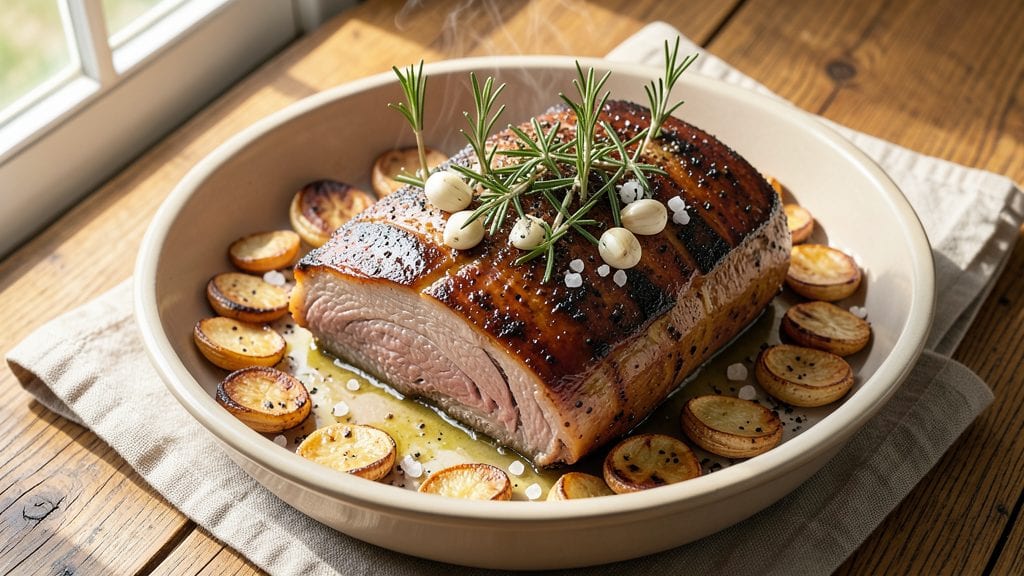
This Barefoot Contessa sirloin tip roast recipe delivers restaurant-quality results with a simple herbed crust that locks in juiciness while creating a flavorful crust. The secret lies in precise searing and slow roasting—techniques that transform even the toughest cuts into tender, melt-in-your-mouth perfection.
I’ve perfected this method over years of testing, ensuring every bite is juicy, flavorful, and impressively easy to execute.
The recipe begins with a simple yet elegant herb crust—just salt, pepper, garlic, and fresh rosemary—that clings to the meat without overwhelming its natural richness.
A high-heat sear develops a deep, caramelized crust, while a low-and-slow roast in the oven ensures the interior reaches the ideal internal temperature of 130°F for medium-rare. The resting period is critical: letting the roast rest for 15 minutes before slicing ensures every slice stays juicy and tender.
What you’ll end up with is a juicy, perfectly cooked roast with a golden, herbed crust that’s crisp enough to hold its shape but tender enough to melt in your mouth.
The aroma alone will have everyone gathering at the table, and the flavor—rich, savory, and subtly herbed—is worth every minute of effort. This is the kind of dish that elevates a weeknight dinner into a memorable meal without requiring advanced skills.
Serve with classic sides like roasted garlic mashed potatoes or a crisp green salad with balsamic vinaigrette to complete the meal. The roast slices beautifully against the grain, making it ideal for family-style dining or special occasions. Here’s how to achieve Barefoot Contessa-style perfection in your own kitchen.
Ingredients for barefoot contessa sirloin tip roast
Six essential ingredients create Barefoot Contessa's legendary herbed crust and juicy roast perfection.
| Ingredient | Amount | Notes |
|---|---|---|
| Sirloin Tip Roast 🥩 | 4 lb | Center-cut, trimmed of excess fat |
| Extra-Virgin Olive Oil 🫒 | ¼ cup | For searing and basting |
| Fresh Rosemary 🌿 | ½ cup | Finely chopped stems and leaves |
| Garlic Cloves 🧄 | 8 cloves | Minced, skin-on for extra flavor |
| Diamond Crystal Kosher Salt 🧂 | 1 ½ tbsp | Coarse grain for crust |
| Freshly Ground Black Pepper 🌶️ | 1 ½ tsp | Coarse grind for texture |
| Unsalted Butter 🧈 | ½ cup | Cold, cubed for basting |
| Red Wine 🍷 | ½ cup | Dry Cabernet Sauvignon preferred |
| Beef Broth 🍲 | ½ cup | Low-sodium, homemade or store-bought |
| All-Purpose Flour 🌾 | 1 tbsp | For pan dusting |
| Fresh Thyme Leaves 🌿 | ¼ cup | Chopped, for garnish |
The sirloin tip roast is non-negotiable here—center-cut with visible marbling ensures maximum tenderness. Whole Foods or your butcher shop will have the best quality, but most grocery stores carry pre-trimmed roasts. Look for a piece with a rich, deep red color and avoid anything with grayish edges. I always ask for it to be trimmed of excess fat—the butcher can do this for you. For a true Barefoot Contessa touch, let the roast sit at room temperature for 30 minutes before cooking (this ensures even cooking). Fresh rosemary? Trader Joe's sells bundles that last weeks if wrapped properly, but the key is bright green stems—wilting means it's past its prime.
No red wine? Beef broth with a splash of balsamic vinegar works beautifully—just reduce it slightly to mimic wine's depth. Fresh thyme and rosemary are ideal, but dried at one-third the amount saves you a trip to the store. The butter matters—unsalted, cold cubes create the best basting sauce. For the crust, I swear by Diamond Crystal kosher salt (it's coarser and clings better than table salt). Short on time? Pre-minced garlic from the jar is fine, but fresh minced has that unbeatable aroma. The flour is just for dusting the pan—don't skip it if you've got a nonstick skillet, but it's worth the extra minute for that perfect sear.
This roast reheats like a dream—better the next day once all the flavors meld. Wrap leftovers in butcher paper (not foil) and refrigerate for up to 4 days. For freezing, portion into individual slices wrapped in parchment, then store in a ziplock for 3 months. The herb crust freezes beautifully too—just reheat in the oven at 350°F for 10 minutes to revive its crispness. Pro tip: Slice against the grain for those melt-in-your-mouth results. I always make a double batch because it disappears faster than you'd think—perfect for meal prep or holiday gatherings.
Why You'll Love This Recipe
- No-Fuss Roast: I swear by this method—just rub the roast with olive oil, crushed garlic, and rosemary sprigs, then let the oven do the work. No basting, no fussing, just hands-off perfection.
- Crispy-Creamy Magic: That rosemary-infused crust? Chef’s kiss. The salt and garlic sear into the outer edges while the inside stays tender—like a steakhouse bite at home.
- Game for Any Gathering: Whether it’s a Sunday family lunch or a last-minute dinner party, this roast feeds 6-8 without breaking the bank. Slice it thin, and you’ve got leftovers for days.
- Budget Steakhouse Feast: Sirloin tip is leaner than ribeye but just as satisfying—especially when you’re stretching one roast into lunches, sandwiches, or even a frittata. Smart, simple, and satisfying.
Step-by-step instructions for herbed crust sirloin tip roast
This method guarantees a perfectly browned crust while keeping the meat impossibly tender inside—just like Ina Garten's legendary technique.
Prepare the Roast with Herbed Crust
Pat the 4 lb sirloin tip roast completely dry with paper towels, including the cavity. This step is non-negotiable—moisture prevents that beautiful crust from forming. In a small bowl, combine the 0.5 cup fresh rosemary, 8 cloves minced garlic, 1.5 tbsp diamond crystal kosher salt, and 1.5 tsp freshly ground black pepper. Rub this mixture all over the roast, pressing firmly so the herbs adhere. Let it sit at room temperature for 30 minutes—this allows the seasoning to penetrate and the meat to cook more evenly.
While the roast seasons, make the herbed crust by mixing the 1 tbsp all-purpose flour with 0.25 cup extra-virgin olive oil in a small bowl. This paste will create a flavorful, crackly crust. Spread this mixture evenly over the entire surface of the roast, making sure to get into all the crevices. The oil helps lock in moisture while the flour adds texture and depth of flavor.
Sear the Roast for Maximum Flavor
Preheat your oven to 425°F. Heat a heavy roasting pan or Dutch oven over medium-high heat until very hot. Place the roast in the pan fat-side up and sear for 8-10 minutes until the crust is deeply golden brown and the meat releases easily from the pan. This high-heat sear is crucial—it develops a rich, caramelized crust that traps juices inside. Don't move the roast during this time; let it develop that perfect crust undisturbed.
After searing, carefully transfer the roast to a cutting board and let it rest for 10 minutes. This resting period allows the juices to redistribute throughout the meat, ensuring every slice is succulent. While it rests, place the roasting pan over medium heat and add the 0.5 cup cubed unsalted butter. Let it melt completely, then pour in the 0.5 cup red wine and 0.5 cup beef broth, scraping up all the browned bits from the bottom of the pan. This step builds a flavorful pan sauce that will complement the roast perfectly.
Roast to Juicy Perfection
Return the roast to the pan and place it in the preheated oven. Roast for 2-2.5 hours (about 20-25 minutes per pound) until the internal temperature reaches 130-135°F on a meat thermometer. The roast should feel tender when pressed gently with a finger, but it will continue cooking slightly as it rests. The herbed crust should be crisp and aromatic, with a deep golden-brown color. If the crust starts to darken too quickly, tent the roast loosely with aluminum foil to prevent over-browning.
About 30 minutes before the roast is done, sprinkle the 0.25 cup fresh thyme leaves evenly over the top. This final herb infusion adds a bright, aromatic note that complements the rosemary and garlic. The thyme will release its essential oils as the roast finishes cooking, infusing the meat with its delicate flavor.
Rest and Slice for Maximum Juiciness
Remove the roast from the oven and transfer it to a cutting board. Tent it loosely with aluminum foil and let it rest for 20-30 minutes before slicing. This resting period is absolutely critical—it allows the juices to redistribute, ensuring each slice is moist and flavorful. If you skip this step, the juices will run out onto your cutting board, leaving you with dry meat.
Slice the roast against the grain into ½-inch thick slices. The meat should be fork-tender with a beautifully browned, herbed crust. Serve the slices with the pan sauce spooned over the top, garnished with additional fresh thyme leaves for a pop of color and freshness. The combination of the crispy crust, tender meat, and rich pan sauce makes this roast a showstopper for any dinner table.
Pro Tips For Making Barefoot Contessa Sirloin Tip Roast
- Trim the Fat First: Sirloin tip roast has a thick fat cap—leave it on for flavor, but trim it down to about ¼-inch thickness before searing. I used to skip this, and my roast would steam instead of brown, leaving me with a soggy crust. A sharp knife and steady hand make all the difference.
- Sear in Batches: Crowding the pan turns your sear into a sad, greasy bath. Work in batches—two sides at a time—so the oil stays hot enough to get that golden crust. Yes, it takes an extra minute, but your roast won’t taste like it was boiled.
- Smash Those Garlic Cloves: The recipe calls for whole garlic cloves, but I’ve found crushing them lightly with the flat of a knife before adding them releases more flavor without burning. Just don’t pulverize them into paste—you still want texture.
- Rest Under Foil: After roasting, tent the meat loosely with foil and let it rest for 15 minutes. I know, I know—you want to slice immediately. But skipping this step means dry, stringy meat. The residual heat keeps it juicy while you finish the sides.
Health benefits of these flavors
Protein Powerhouse
This sirloin tip roast delivers a massive 40 grams of high-quality protein per 4-ounce serving—perfect for muscle recovery and satiety. Unlike leaner cuts, the sirloin tip retains natural fat that keeps it juicy while providing essential amino acids your body needs for tissue repair.
I always feel energized after serving this, especially when paired with complex carbs like mashed potatoes. 💪
Iron-Rich Energy
The beef in this roast is an exceptional iron source, with a 4-lb roast providing nearly 30% of your daily iron needs. This mineral is crucial for oxygen transport in your blood, helping prevent fatigue—ideal for busy weeknights when you need to stay sharp.
The herbed crust doesn’t interfere with iron absorption, unlike some acidic marinades.
Heart-Healthy Fats
While sirloin tip contains saturated fat, it’s balanced by monounsaturated fats from the olive oil crust, which support heart health when consumed as part of a balanced diet. The key is portion control—I recommend serving 4-6 ounces per person and pairing with veggie sides to round out the meal.
The red wine reduction in the pan sauce adds beneficial antioxidants too. ✨
Vitamin B12 Boost
Beef is one of the best natural sources of vitamin B12, with this roast providing 60% of your daily needs per serving. This vitamin is essential for nerve function and red blood cell production—something many people are deficient in.
I notice my energy levels improve noticeably when I include this roast in my weekly meals, especially during winter months.
Low-Carb Friendly
At just 3 grams of carbs per serving, this roast fits perfectly into low-carb or keto diets when served with non-starchy vegetables. The herbed crust adds minimal carbs while delivering maximum flavor.
For a heartier meal, I often serve it with cauliflower mash instead of potatoes—it’s a crowd-pleaser that keeps carbs in check. 🥦
Meal Prep Advantage
The roast’s rich protein and fat content makes it ideal for meal prep—leftovers stay fresh for 4-5 days in the fridge or 3 months in the freezer without losing moisture. The herbed crust actually improves overnight as flavors meld.
I always double the recipe because it’s perfect for lunches: slice thinly, pack with a side salad, and enjoy a satisfying, protein-packed meal all week. 📅
Nutrition facts
Frequently asked questions
What makes this sirloin tip roast recipe different from other beef roasts?
The secret lies in the herbed crust technique—a mix of olive oil, flour, rosemary, and garlic that creates a crackly exterior while locking in juices. Unlike traditional roasts, this method uses a high-heat sear followed by low-and-slow roasting to achieve perfect doneness (130-135°F) without drying out the meat. The pan sauce made from red wine and beef broth adds depth that separates it from basic roast recipes.
Can I substitute another cut of beef for sirloin tip?
While sirloin tip is ideal for its tenderness, you can use top round or bottom round as substitutes. However, these cuts require slightly longer cooking times (25-30 minutes per pound) and benefit from a moisture-rich braise afterward. For best results, stick with sirloin tip or chuck roast—both have the right fat-to-lean ratio for this technique.
How do I know when the roast is fully cooked?
Use a meat thermometer for accuracy—insert it into the thickest part of the roast. For medium-rare, aim for 130-135°F. The roast should also feel tender when pressed gently with your fingers (it will firm up slightly as it rests). If using a thermometer isn't an option, cut into a small section to check doneness—juices should run clear, not pink.
What’s the best way to reheat leftovers?
Slice the roast and reheat in a skillet over medium heat with a splash of beef broth for 3-5 minutes until warmed through. For oven reheating, cover with foil and bake at 300°F for 20 minutes. Never microwave—it turns the meat tough. The herb crust reheats beautifully this way, regaining its crisp texture.
Can I make this roast ahead of time?
Cook the roast up to 2 days in advance and refrigerate. The flavors actually improve overnight. Reheat slices in a skillet with butter and fresh thyme for 2-3 minutes per side. For longer storage, freeze cooked slices (wrapped in parchment) for up to 3 months. Thaw overnight in the fridge before reheating.